Opening Weekend Tactics for Zone A Gun Season
That first weekend of gun season in Zone A is always a whirlwind. The air is crisp, the anticipation is thick enough to cut with a knife, and let's be honest, the woods often feel like a small city with all the hunters out there. It’s a mix of pure excitement and genuine frustration, wondering how you're going to put your tag on a deer amidst all that human activity. This guide is all about navigating those specific challenges, giving you the real-world tactics you need to be successful when the pressure is on.
Understanding Zone A's Unique Landscape and Deer Behavior
Alabama's Zone A is a beast all its own, stretching across a significant chunk of the state and offering a diverse range of hunting environments. If you want to put meat in the freezer, or that trophy buck on the wall, you need to understand this zone's nuances, especially as they pertain to the opening weekend of gun season.
The Geography and Habitat of Zone A
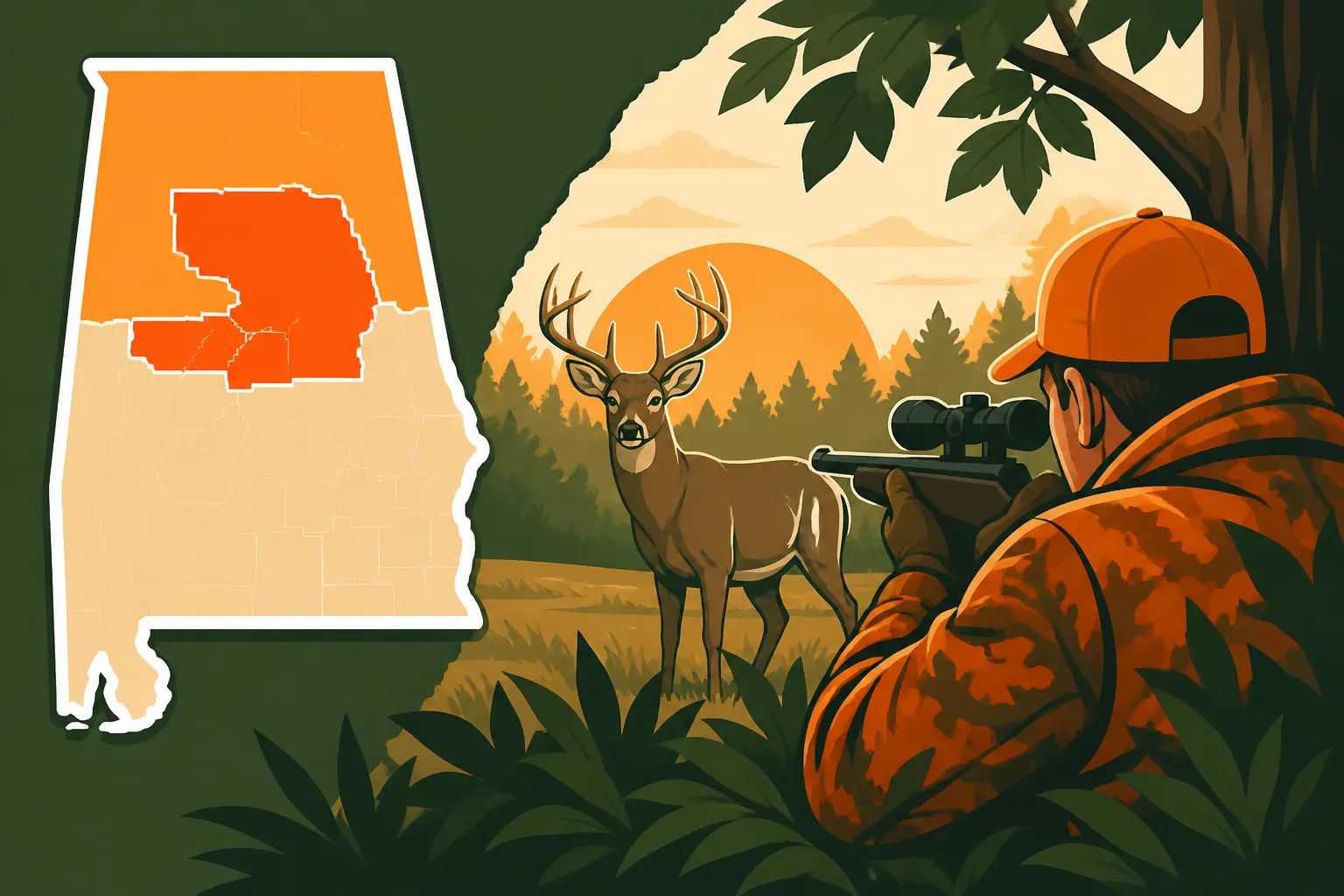
Zone A encompasses much of North and Central Alabama, a region characterized by rolling hills, fertile river bottoms, extensive timberlands, and pockets of agricultural fields. You'll find everything from the rugged terrain of the Appalachian foothills to the rich Black Belt prairie lands, and dense pine plantations mixed with sprawling hardwood forests. This geographical diversity means deer behavior can vary significantly even within the same zone. For instance, deer in the sprawling bottomland hardwoods along the Tombigbee River might behave very differently from those navigating the steep ridges of the Talladega National Forest.
Because of this variety, you can't apply a one-size-fits-all approach. Knowing the specific type of habitat you'll be hunting – whether it’s mature oak ridges, dense clear-cuts, or agricultural field edges – is paramount. Deer in agricultural areas, for example, will be focused on standing crops or harvested fields, while those in big timber will rely heavily on acorn crops. Understanding these local food sources and bedding areas is your first step. It's also worth noting how the season dates for Zone A compare to others; you can dive deeper into Comparing Alabama's Five Deer Zone Calendars to see the full picture.
Early Season Deer Patterns and Pressure
Opening weekend means a sudden, dramatic increase in human activity in the woods. Deer, being creatures of habit and survival, react to this pressure immediately. Before the season, deer might be relatively comfortable moving in daylight, visiting food plots, and following predictable patterns. The moment those first gunshots ring out, however, those patterns often go right out the window. Deer will quickly become nocturnal or shift their activity to the thickest, most secluded cover they can find.
You'll notice that the biggest bucks, especially, will become extremely wary. They've likely survived multiple hunting seasons and understand the threat posed by hunters. They'll gravitate towards dense pine thickets, impenetrable briar patches, or steep, overlooked creek bottoms that offer security. Meanwhile, younger bucks and does might still be a bit more predictable for the first day or two, but they too will quickly adjust. If you had a deer patterned to a particular food source during archery season, don't expect them to be there mid-day during the gun opener. Instead, they’ll be moving primarily at dawn and dusk, or sticking to heavy cover during daylight hours. This is particularly true if it's been a tough year for natural food sources; you might be Hunting After a Poor Acorn Year, forcing deer to rely more heavily on specific managed plots or agricultural fields, which can increase their vulnerability if you know where to look.
Scouting and Stand Selection for Opening Day Success
You can’t just walk out into the woods on opening morning and expect to connect with a deer, especially in a heavily hunted state like Alabama. Success on opening weekend often boils down to the work you put in before the season, meticulously scouting and strategically selecting your stand locations.
Pre-Season Reconnaissance and Sign Reading
The key to unlocking opening weekend success lies in intensive pre-season scouting. Forget what deer were doing last year; focus on what they're doing now. Start by looking for fresh deer sign: rubs, scrapes, and tracks. Rafter-sized rubs on small trees indicate a buck marking his territory, and a freshly pawed scrape with an overhanging licking branch is a social hub for deer. Pay close attention to trails, especially those leading from bedding areas to food sources. Are they well-used? Are there fresh tracks? The presence of scat can also tell you what they're eating and how recently they've been there.
Trail cameras are your best friends here. Set them up on potential pinch points, funnel areas, and near preferred food sources. Don't just look for pictures of big bucks; observe the time of day deer are moving, which direction they're coming from, and what they're feeding on. This intel is invaluable. Use mapping tools like GoHunt to mark all your findings – rubs, scrapes, bedding areas, travel corridors, and even specific trees that might drop acorns. GoHunt allows you to layer satellite imagery with public land boundaries and even private property lines, ensuring you're legal and maximizing your scouting efficiency. You can mark waypoints for everything from a fresh track to a promising bedding area, creating a digital roadmap for your hunt. This kind of detailed reconnaissance is far more effective than just generally Scouting With the Outdoor Alabama App without specific objectives.
Strategic Stand Placement and Entry/Exit Routes
Once you've identified areas with good deer activity, the next crucial step is placing your stand effectively, keeping human pressure in mind. On opening weekend, deer will be on high alert. Your stand needs to be in a location that offers you the best chance for a shot, but more importantly, allows you to get in and out undetected. Look for natural funnels – creek bottoms, saddles between ridges, fence rows, or timber changes – that concentrate deer movement. These are excellent places to intercept deer moving between bedding and feeding areas.
Always consider the prevailing wind direction. Deer rely heavily on their sense of smell, so you must position yourself downwind of where you expect deer to approach. Even a slight shift in wind can bust your hunt. Don't forget thermals, especially in hilly terrain, which can cause air currents to rise in the morning and fall in the evening. A tool like GoHunt can help you visualize topographical features and predict thermal movements. Your entry and exit routes are just as critical. Plan a route that keeps you out of known bedding areas and avoids disturbing deer. Use natural cover like creek beds, ditches, or thick timber to conceal your movement. The less impact you make getting to and from your stand, the higher your chances of seeing deer. Neglecting these details will compromise even the best-scouted spots; remember to account for Wind and Thermals on a Piedmont Ridge to truly optimize your setup.
Hunting Strategies for Pressured Opening Weekend Deer
The gun opener isn't just about deer movement; it's about hunter movement. You're not just contending with deer; you're also contending with every other hunter who's had deer season circled on their calendar for months. Adapting your tactics to this increased pressure is paramount.
Adapting to Increased Hunter Activity
It’s no secret that opening weekend brings out the crowds, especially on public land. This sudden influx of hunters can drastically alter deer behavior. Instead of their usual routines, deer will quickly learn to navigate around human activity. They'll often move to the thickest cover available, or they'll become largely nocturnal, moving under the cloak of darkness. This means that sitting over an open food plot mid-day might be a wasted effort, unless it's a very secluded spot.
Your strategy needs to account for this. One effective approach is to hunt areas that other hunters overlook or are unwilling to access. This might mean pushing deeper into public land, crossing a creek, or navigating a dense, thorny thicket. Deer that have been bumped by other hunters will often seek refuge in these out-of-the-way spots. Understanding how deer react to Opening Weekend Crowds in Zone A can give you a significant advantage. Don't be afraid to change your tactics mid-hunt. If your morning spot isn't producing and you're hearing shots nearby, consider still-hunting into a known bedding area or thick cover where deer might be seeking sanctuary.
Still-Hunting and Patience in Cover
When the woods are buzzing with activity, a static stand hunt can be tough. This is where still-hunting really shines. Instead of waiting for deer to come to you, you slowly and deliberately move through the woods, actively seeking them out. This isn't a deer drive; it's a careful, stealthy stalk. Move ten steps, stop, and scan. Look for horizontal lines, flicking ears, or the subtle twitch of a tail that betray a deer’s presence. Focus on dense cover – briar thickets, young pine plantations, and creek bottoms – where deer are likely to bed down during the day to escape pressure.
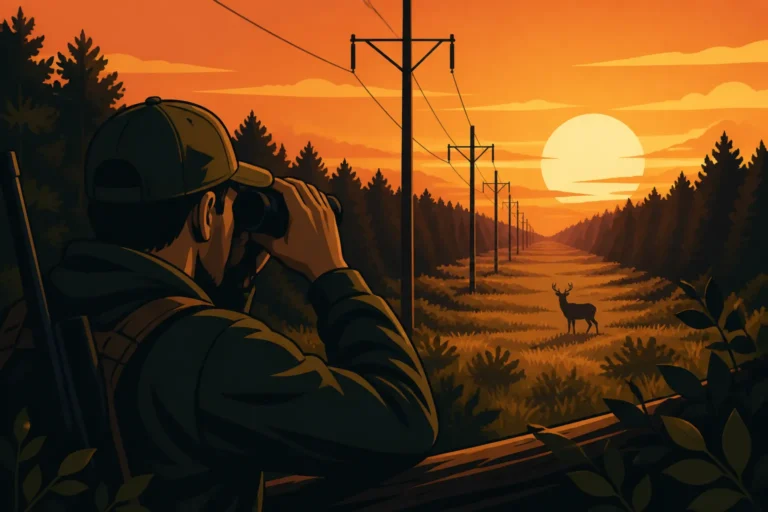
Patience is your absolute best friend. Don't rush. The slower you go, the more you'll see. Use your binoculars constantly to pick apart distant cover. Often, a deer will hold tight, thinking you haven't seen them. By moving slowly, you might spot them before they bolt, giving you a shot opportunity. This tactic is particularly effective in areas like the Bankhead Forest ridges, where deer will bed high on slopes, watching their back trail. Master the art of Still-Hunting Bankhead Forest Ridges and you'll find success where others simply walk by.
Leveraging Food Sources and Funnels
Even with increased pressure, deer still need to eat. While they might abandon open fields during daylight, they will still visit secluded food sources, especially at dawn and dusk. Focus on natural food sources like white oak acorn flats, honeysuckle patches, or late-season browse in thickets. If you're on private land, small, secluded food plots that are tucked away and offer quick escape cover can be absolute magnets. These smaller plots tend to see less pressure and are often the first place deer feel comfortable returning to after being bumped.
Funnels, as mentioned before, are always hot spots, but on opening weekend, they become even more critical. Deer that have been bumped from one area will often use the path of least resistance to get to another. This means creek beds, narrow strips of timber between open fields, saddles between ridges, or the edges of dense cover. By positioning yourself along these travel corridors, you can intercept deer moving between bedding and feeding areas, or even just relocating due to pressure. Think about how deer would move if they were trying to avoid detection. A well-placed stand overlooking a small, secluded green field planted for deer, especially one with good cover nearby, can be incredibly productive, as detailed in our guide on Hunting a Green Field Planted for Deer.
Gear and Preparation for the First Hunt
Being prepared is about more than just having a gun and some camo. Opening weekend in Alabama can throw anything at you, from sweltering heat to sudden cold fronts. Having the right gear and knowing how to use it can make or break your hunt, and more importantly, keep you safe.
Essential Equipment Checklist
Beyond your chosen firearm and ammunition, a few key pieces of equipment are non-negotiable for a successful and safe opening weekend hunt. First, optics are critical. A good pair of binoculars, like a 10×42, will help you pick apart cover and spot deer before they spot you. A rangefinder is also essential for accurate shot placement, especially with modern rifles that can reach out further. Don't forget a sharp knife for field dressing, and game bags if you plan to quarter your deer in the field, which can be a real back-saver.
Safety gear must be a priority. Blaze orange is mandatory in Alabama during gun season on public land, and it's highly recommended on private land too. Make sure you have enough to be visible from all angles. A safety harness is a must if you're hunting from a treestand; falls are a leading cause of hunting accidents. Always carry a first-aid kit, a headlamp, and a way to communicate, like a fully charged cell phone or a satellite messenger if you’re in an area with no service. Understand the Alabama Legal Firearms for Deer Hunting rules to ensure your chosen weapon is compliant.
Weather Considerations and Clothing
Alabama weather, especially in late fall, can be incredibly unpredictable. You might start your morning in freezing temperatures, only for it to be sweltering by midday. Layering is the name of the game. Start with a moisture-wicking base layer, add insulating layers, and top it off with a waterproof and windproof outer layer. This allows you to adjust your clothing throughout the day as temperatures fluctuate.
Rain gear is another non-negotiable item. A sudden downpour can quickly end your hunt or make for a miserable experience if you're not prepared. Choose lightweight, packable rain gear that can be easily stowed in your pack. Pay attention to forecasts, but always be prepared for the unexpected. A sudden cold front can mean deer activity picks up, while unseasonably warm weather can make deer movement sluggish and require you to adapt your Warm-Weather Sitting Strategy in Alabama. Don't forget good quality boots that are waterproof and comfortable for walking long distances. Your feet will thank you.
Post-Shot Protocol and Recovery
The shot is just the beginning. What happens next is just as crucial, and often more stressful, than the hunt itself. Knowing how to properly track, recover, and care for your deer ensures a humane harvest and preserves the quality of your venison.
Tracking and Recovery Techniques
Once you've taken a shot, the most important thing to do is wait. Resist the urge to immediately jump out of your stand. Give the deer time to expire or lie down. The exact waiting period depends on your shot placement, but generally, 30 minutes for a good lung shot and several hours (or overnight) for a gut shot is a good rule of thumb. When you do start tracking, mark your last known position of the deer and the exact spot where it was when you shot it. This provides a baseline.
Begin by slowly approaching the shot site, looking for blood, hair, bone, or fragments of internal organs. Once you find the first sign, mark it with flagging tape or toilet paper. Proceed slowly, marking every sign of blood you find. Look for blood on both sides of the trail, indicating an exit wound. Pay attention to the type and color of blood: bright red and frothy often means a lung hit, dark red with clots can indicate a liver hit, and greenish or brownish matter suggests a gut shot. If the blood trail peters out, expand your search in circles around the last known sign. Use a flashlight or headlamp, even during the day, to pick up subtle blood trails, especially after dark. Knowing how to methodically proceed when Tracking a Deer Through Alabama Pine Straw can make all the difference between recovery and a lost deer.
Field Dressing and Game Care
Once you've recovered your deer, immediate field dressing is crucial, especially in Alabama’s often warm early season temperatures. Time is of the essence to cool the meat and prevent spoilage. Start by carefully making an incision from the sternum to the pelvis, cutting around the anus. Roll the deer onto its side and carefully cut around the diaphragm, detaching all internal organs. Remove the windpipe and esophagus as far up the neck as possible. Make sure all organs are removed cleanly.
After field dressing, wipe out the cavity with paper towels or a clean cloth. Do not use water inside the cavity unless you plan to process the deer immediately, as water can promote bacterial growth if not dried thoroughly. If you’re hunting in warm weather, prop the cavity open with a stick to allow air circulation and cool the meat as quickly as possible. Get the deer out of the sun and to a cooler, preferably refrigerated, environment as soon as you can. If you have a long way to go, consider packing ice in the chest cavity, but ensure it doesn't soak the meat. Proper Field Dressing a Deer in Warm Weather is critical for quality venison.
Understanding and Reporting Your Harvest
Harvesting a deer is a big accomplishment, but your job isn't quite done. Alabama has mandatory reporting requirements that every hunter must follow to ensure the state can effectively manage its deer herd.
Alabama's Game Check System
In Alabama, every deer harvested must be reported through the Game Check system. This isn't just a suggestion; it's a mandatory legal requirement. The system allows the Alabama Department of Conservation and Natural Resources (ADCNR) to gather vital harvest data, which helps them make informed management decisions regarding deer populations, season lengths, and bag limits across the state's different zones. It's a critical tool for ensuring the long-term health of our deer herd.
You can report your harvest quickly and easily in several ways: online through the Outdoor Alabama website or app, or by phone. You'll need to provide details such as the date of harvest, the county where the deer was taken, the sex of the deer (antlered or unantlered), and the specific zone (Zone A in this case). It’s also important to note whether the deer was taken on private or public land. While platforms like GoHunt are fantastic for planning and scouting, they are not a substitute for the official Game Check system. Make sure you understand the nuances of Reporting a Deer Through Game Check and adhere to the strict deadlines.
Deer Limits and Antler Restrictions
Zone A, like other zones, has specific bag limits and regulations you need to be aware of. Generally, Alabama allows a three-buck season limit, but there are often specific rules regarding antler points depending on the zone or even certain counties. For unantlered deer, limits can vary as well, with some zones allowing one per day and others having different restrictions. It’s absolutely essential to consult the current Alabama Hunting & Fishing Digest before you head out, as regulations can change from year to year. Knowing the rules prevents accidental violations and ensures you're hunting ethically and legally.
Additionally, be aware of specific regulations that might apply if you're hunting in or near the Chronic Wasting Disease (CWD) Management Zone. While Zone A generally covers a wide area outside the primary CWD zone, it's always good to stay informed. Understanding your Alabama's Three-Buck Season Limit and any other restrictions is your responsibility as a hunter. Take the time to double-check the rules for your specific hunting area before pulling the trigger.
| Opening Weekend Deer Tactic | Description | Best For | Considerations |
|---|---|---|---|
| Stand Hunting | Sitting patiently in a treestand or ground blind near food sources, funnels, or bedding areas. | Secluded private land, less pressured public spots, early mornings/late evenings. | Requires excellent scent control and stealthy entry/exit. Deer might become nocturnal. |
| Still-Hunting / Stalking | Moving slowly and deliberately through dense cover, stopping frequently to glass and listen. | Heavily pressured public land, thick bedding areas, scouting new ground. | Requires immense patience, keen observation, and ability to shoot quickly. |
| Hunting Travel Corridors | Positioning yourself on natural funnels (creek beds, ridge saddles, timber edges) between key areas. | All areas, especially good for intercepting deer moving due to pressure. | Wind direction and thermal currents are critical. Avoid disturbing the funnel. |
| Focusing on Sanctuary Areas | Targeting dense, overlooked thickets, swamps, or steep terrain where deer seek refuge from hunters. | Public land with significant pressure, areas difficult for other hunters to access. | Often requires more physical exertion and stealth. Shot opportunities might be quick and close. |
| Leveraging Small Food Plots | Hunting small, tucked-away food plots on private land, especially those with immediate cover. | Private land with diverse habitat, where deer might avoid larger, open fields. | Best at dawn/dusk. Ensure the plot isn't over-hunted. |
Disclaimer
The information provided in this guide is for general informational purposes only and is subject to change. Hunting regulations, seasons, and bag limits can be updated by the Alabama Department of Conservation and Natural Resources (ADCNR). It is the responsibility of every hunter to consult the most current Alabama Hunting & Fishing Digest, available from Outdoor Alabama, before participating in any hunting activity. Always adhere to all local, state, and federal laws and practice safe and ethical hunting.