How Much to Tip a Duck Guide and Retriever Handler
You’ve just spent a fantastic (or perhaps challenging!) day battling the elements in an Alabama duck blind. The sun is setting, the ducks are put away, and that incredible retriever is snoozing at your feet after tirelessly working the water. As you shake hands with your guide, a common question often pops into your head: "What's the right amount to tip?" It’s a silent struggle for many hunters, feeling a mix of gratitude and uncertainty. This guide is here to demystify tipping etiquette for your Alabama duck hunt, ensuring you show genuine appreciation for the hard work of your guide and their canine companion.
The Unsung Heroes: Why Your Alabama Duck Guide and Handler Earn Their Keep
Let’s be honest, duck hunting isn't always glamorous. It involves early mornings, often in bitter cold or driving rain, hauling heavy decoys through mud, setting up blinds in the dark, and constantly calling, adjusting, and scouting. Your guide isn't just taking you to a spot; they've likely invested countless hours in scouting before the season, setting up blinds, monitoring water levels, and tracking bird movements. Their expertise is what puts you under birds, even on tough days.
Think about the sheer dedication. Long before you even arrived, your guide was out there, sometimes in the summer heat, clearing shooting lanes, fixing blinds, and planting fields. They’re constantly checking weather patterns, understanding how different winds affect bird flight, and knowing exactly where the ducks want to be at any given moment. This isn't just a job; for many, it's a way of life, built on passion and an intimate knowledge of Alabama's diverse waterfowl habitats, from the flooded timber of the Tennessee River Valley to the brackish marshes of the Mobile-Tensaw Delta. They are truly working hard to create a memorable experience for you, regardless of whether the birds cooperate.
And then there's the retriever handler – often the guide themselves, or a dedicated member of their team. A well-trained duck dog is an absolute game-changer, turning potentially lost birds into recovered trophies. That dog represents years of training, thousands of dollars in care and feed, and an immense amount of patience and skill from its handler. The handler is constantly reading the dog, sending it on blind retrieves, and ensuring its safety in challenging conditions. The value of a quick, efficient retrieve cannot be overstated, not just for ensuring you get your birds, but also for respecting the game. Working a Dove Field on Opening Day might be fun with a dog, but a duck hunt requires specialized, intense canine performance.
Deciphering the Dollar: General Tipping Etiquette for Waterfowl Guides
When it comes to tipping, there isn't one universal rule carved in stone, but rather a range that's generally accepted in the guiding industry. Most hunters fall into a comfortable percentage of the total hunt cost, much like you would for other service industries. This helps ensure that the tip scales with the complexity and cost of the hunt itself.
A common starting point for tipping an Alabama duck guide, and if applicable, their retriever handler, is somewhere between 15% to 20% of the total hunt cost. If you had an exceptional experience—meaning the guide went above and beyond, handled challenging conditions with grace, or you just felt incredibly well taken care of—don't hesitate to bump that up. On the flip side, if the experience was just "okay" and didn't meet expectations due to factors within the guide's control (like poor effort or a bad attitude, not just slow birds), you might consider the lower end of that range, or even slightly less, but that’s a rare occurrence with truly professional operations.
Let's look at it practically. If you paid for a guided hunt package, say for a day of Hunting Flooded Timber for Mallards, and the cost was on the higher side, a 15-20% tip would reflect a substantial thank you. For a shorter, less expensive trip, that percentage might still add up to a respectable sum. Many hunters find it easier to calculate 15% as their baseline and then adjust up or down based on the factors we’ll discuss next. Some outfitters listed on sites like BookYourHunt might even suggest a tipping range in their booking information, so always check for any guidance they provide. It’s their way of setting expectations, and it can be a huge help when you’re figuring out the numbers.
| Service Level / Experience | Recommended Tipping Range (of hunt cost) | Considerations |
|---|---|---|
| Exceptional | 20% or more | Guide went above and beyond, outstanding effort, excellent communication, went the extra mile, successful hunt despite tough conditions, dog performed flawlessly. |
| Very Good | 18-20% | Guide was professional, put in solid effort, good communication, enjoyable day, birds worked well, retriever was effective. |
| Good / Satisfactory | 15-17% | Guide was competent, fulfilled basic duties, conditions were average, hunt was as expected. This is a solid baseline for a good experience. |
| Average / Met Expectations | 10-14% | Guide delivered what was promised but lacked extra effort or enthusiasm; perhaps some small issues, but nothing major. |
| Poor | Below 10% or no tip | Reserved for truly unprofessional behavior, lack of effort, safety concerns, or outright disregard for the client's experience (rare for reputable guides). |
Remember, this table serves as a general guideline. Your personal assessment of the guide's effort and the overall experience should be the ultimate factor.
Beyond the Birds: Factors That Influence Your Gratuity Decision
While a successful hunt—meaning you shot your Alabama Duck Daily Bag Limit—is certainly a huge factor, it's rarely the only one. Sometimes, the ducks just aren't flying, and a good guide knows how to make the most of those tough days. Here’s what truly sets a guide apart and should influence your tipping decision:
Guide's Effort and Attitude
Did your guide seem genuinely invested in your experience, even when the birds were slow? Did they work hard, constantly scanning the sky, adjusting decoys, and calling? A guide who stays positive, tells stories, teaches you a thing or two about Alabama Waterfowl Migration Timing, and keeps the conversation flowing makes a huge difference. If they showed up on time, had everything prepared, and hustled to make the day enjoyable, that speaks volumes. Conversely, a guide who checks their phone constantly, seems bored, or complains about conditions might not warrant the same tip, even if a few birds happened to fly by.
Handling Challenging Conditions
Alabama weather can be fickle. One day it's calm and warm, the next a cold front sweeps in, bringing high winds or even ice. How your guide adapts to these challenges is critical. Did they have a backup plan when the main hole froze? Did they manage strong winds effectively, ensuring your Layout Blind Hunting Delta Farm Fields experience was still comfortable and safe? Navigating tricky currents, dealing with boat issues, or simply keeping spirits high when the weather is miserable are all signs of a skilled professional. These aren't easy days for anyone, but a great guide handles them with grace and determination.
Retriever Performance and Handler's Skill
The dog is an integral part of a waterfowl hunt, and its performance reflects directly on the handler. Did the retriever make quick, clean retrieves? Was it well-behaved in the blind, or did it cause distractions? A dog that works hard, finds every bird, and respects commands adds immense value to the hunt. The handler's ability to "read" their dog, send it effectively, and keep it safe is paramount. A perfectly executed blind retrieve in heavy cover or strong current is a testament to countless hours of training and should be rewarded. While resources like GoHunt focus heavily on Western big game, the underlying principles of professionalism and effort are universal when assessing a guide's performance, even for waterfowl in Alabama. The dog's contribution is a significant part of the overall experience.
Amenities and Extra Services Provided
Consider what else was provided beyond just getting you to the birds. Did the guide offer hot coffee, snacks, or a comfortable blind with a heater on a frigid morning? Did they help you clean birds afterward, or offer advice on Cooking a Wild Turkey Breast (even though it's a duck hunt, general cooking tips are always appreciated!)? Did they provide quality gear like waders or shotguns if you didn't have your own? These thoughtful touches, while seemingly small, contribute greatly to the overall enjoyment and comfort of your trip and demonstrate a higher level of service. If you're on a multi-day Flooded Timber Duck Lodge Packages hunt, did the lodge provide comfortable accommodations and good meals? These 'extras' are part of the overall value proposition.
Making the Gesture: How and When to Present Your Tip
Presenting a tip can feel a bit awkward, but a thoughtful approach shows respect. The key is to make it personal and discreet, ensuring it feels like a genuine thank you rather than a transactional exchange.
Cash is King
When it comes to tips, cash is almost always preferred. Guides and handlers often work long, hard hours, and cash offers immediate, flexible access to their earnings. It also avoids any potential processing fees or delays that might come with other payment methods. It's a good idea to bring enough cash for your tip, even if you paid for the hunt itself with a card or through a booking platform like BookYourHunt. Having small denominations also allows you to adjust the amount more precisely.
Timing and Discretion
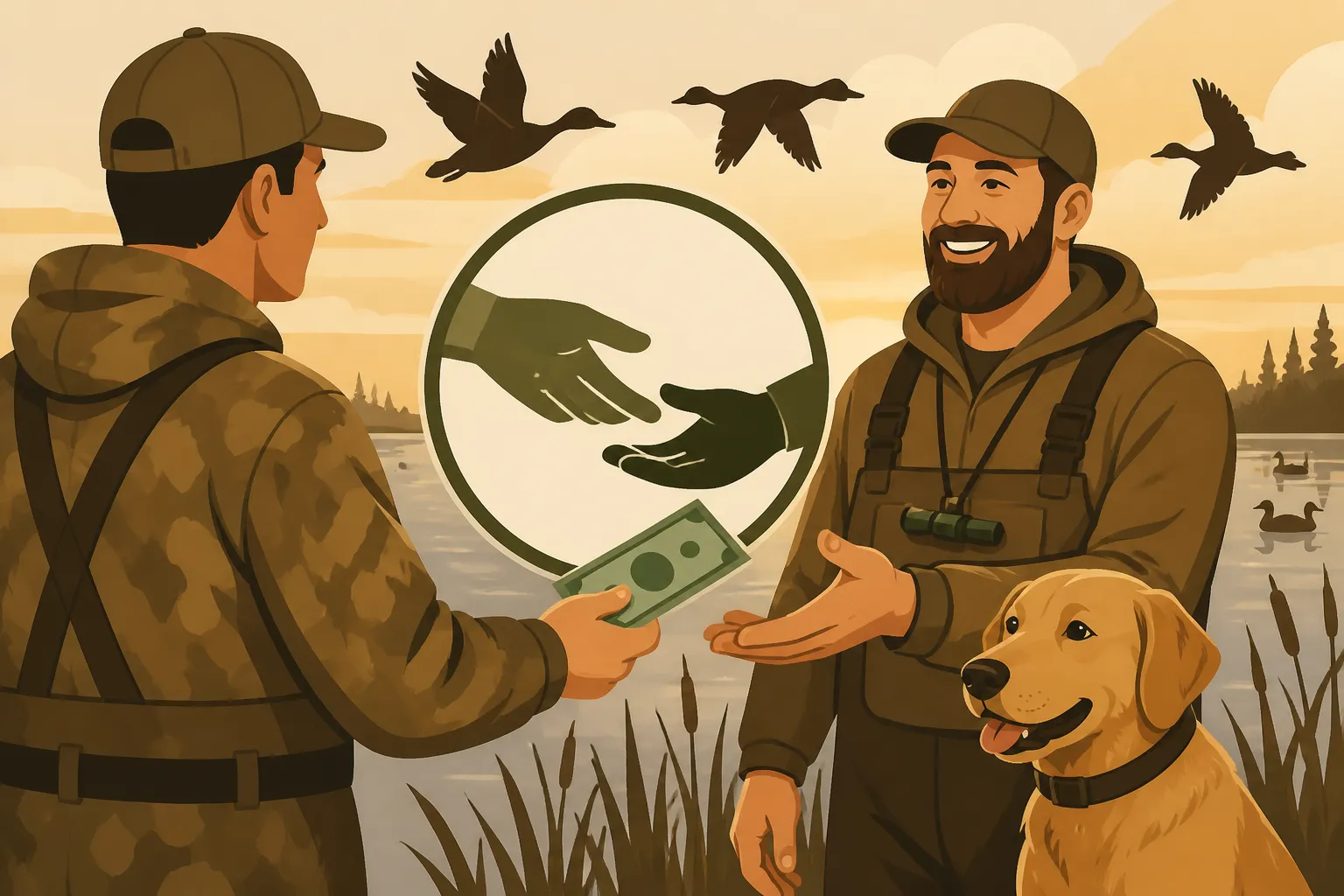
The best time to present your tip is at the very end of the hunt, after all the gear is loaded and you’ve said your goodbyes. This allows you to have fully experienced the day and assessed the service. A quiet moment, perhaps as you’re walking to your vehicle or shaking hands, is ideal. A firm handshake with the folded cash discreetly transferred into their palm is a classic move. A simple, "Thank you, I really appreciate your hard work today, that was a fantastic hunt," often accompanies the gesture.
Avoid making a big show of it in front of other clients or staff, unless you're intentionally trying to set a good example. The goal is to express gratitude directly to your guide and handler, without drawing unnecessary attention. If there are multiple guides or a dedicated retriever handler separate from the main guide, you can either give the total amount to the head guide and ask them to distribute it fairly, or, if you know the handler personally, you can offer them a separate portion. For example, if you're tipping 20% of a $500 hunt, that's $100. You might consider giving $75 to the guide and $25 to the retriever handler directly if they are two different individuals, or simply give the full $100 to the main guide to distribute as they see fit. This is especially important on multi-day hunts with various staff members.
Navigating Specific Scenarios in Alabama Duck Hunting
Alabama offers diverse waterfowl hunting experiences, from vast federal refuges to private flooded timber leases, and the type of hunt can sometimes subtly influence your tipping thought process.
Public Land Versus Private Lease Guides
If you're hunting with a guide on a private lease, they're not just responsible for the day's hunt but often for the extensive land management, equipment maintenance, and habitat work that makes that private land productive. This unseen effort is part of the value they provide. They’ve managed food plots, maintained roads, and ensured the property is primed for optimal hunting conditions. This level of investment often justifies a solid tip.
When hunting on public land, such as parts of the Tennessee River Public Boat Access for Hunters areas or certain WMAs with a guide (which is less common for ducks but can happen), the guide's value comes purely from their scouting, knowledge of public access points, and ability to interpret bird movement in high-pressure environments. Their skill in Reading a Delta Slough for a Morning Flight or finding hidden pockets of birds on public ground is their stock in trade. Both scenarios deserve appreciation for their expertise, just remember the context of their operation.
Multi-Day Hunts and Lodge Stays
For Multi-Day Duck Lodge Package Pricing hunts, tipping might be spread out differently. Often, the tip is given at the end of the entire trip, covering all guides and staff who contributed to your experience. In these situations, it's wise to speak with the lodge owner or manager discreetly upon arrival or during your stay. They can often provide guidance on their preferred tipping protocols, or if tips are collected centrally for distribution. Don't forget to include a little extra for any lodge staff who took care of meals, cleaning, or other amenities during your stay – their work contributes to the overall positive experience too. A hunting trip is more than just the hunt itself; it’s the hospitality, the comfortable bed, and the hot food after a cold morning.
When the Birds Just Aren't Flying
This is where your guide’s true professionalism shines, and your tipping etiquette is most tested. It's incredibly tempting to base your tip solely on the number of birds in the bag. However, a good guide cannot control the weather, the migration, or whether the ducks decide to cooperate. If your guide put in maximum effort, tried different spots, adjusted decoys, called tirelessly, and maintained a positive attitude despite the slow action, they absolutely still deserve a solid tip. It’s about the effort and the experience, not just the harvest. A guide who helps you understand Alabama Duck Zone Rules or teaches you about waterfowl biology on a slow day is still providing immense value.
It's a testament to your character as a hunter to recognize and reward the effort, even when Mother Nature doesn't deliver. Next time you're planning your Alabama waterfowl adventure, whether it's booking through a platform or directly with a guide, remember these guidelines. A well-deserved tip not only shows your appreciation but also encourages these dedicated professionals to continue providing exceptional experiences for all of us who love to chase ducks in the Yellowhammer State.
Disclaimer
This article is for general informational purposes only and does not constitute professional advice. Laws, prices and regulations vary by location and change over time. Consult a qualified professional for guidance on your specific situation.