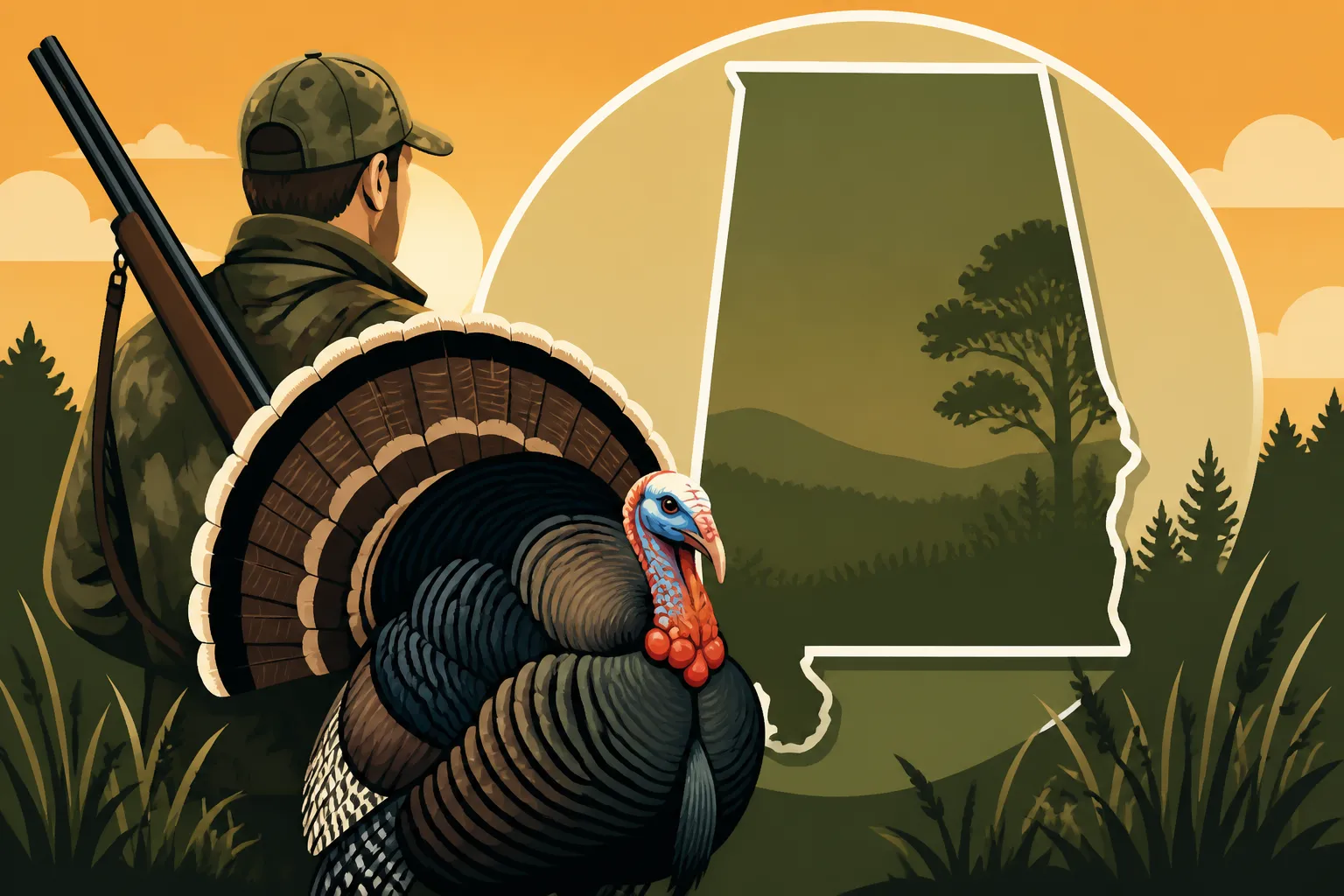
Single-Day Turkey Guide Rates in Alabama
Thinking about booking a guided turkey hunt in Alabama can feel a little overwhelming, especially when you're trying to figure out what a single-day trip might actually cost and what you're really getting for your money. It's tough to plan when the numbers seem to jump all over the place, and you want to make sure you're getting a great experience without any hidden surprises. This guide is here to break down the ins and outs of single-day turkey guide rates in Alabama, helping you understand the factors at play and what to expect so you can book with confidence.
Understanding What Influences Alabama Turkey Guide Rates
When you start looking into single-day guided turkey hunts in Alabama, you'll quickly notice that the rates aren't static. It's not like buying a gallon of milk where the price is generally the same everywhere. There are a lot of moving parts that contribute to how much a guide charges for a day out in the woods chasing gobblers. Understanding these factors can help you gauge if a particular rate is fair for what's being offered.
Guide Experience and Reputation
Just like in any profession, experience and reputation play a huge role in pricing. A seasoned Alabama turkey guide who has spent decades calling gobblers, knows the land intimately, and has a consistent track record of putting clients on birds will naturally command a higher rate. These guides often have a deep understanding of Alabama Turkey Population Trends and local bird behavior, which comes from years of learning the nuances of specific areas, whether it's the Black Belt or the mountainous regions of North Alabama.
Think about it this way: if you're trusting someone with your precious hunt day, you want them to be an expert. A guide with a stellar reputation often has access to prime hunting ground, both private and well-managed public land, and possesses the subtle skills of calling, reading sign, and knowing when to push and when to back off. They've likely honed their craft over many spring seasons, learning where Alabama gobblers roost and how to call them off the roost. This invaluable expertise, built over countless sunrises and quiet moments in the timber, is reflected in their pricing. You're not just paying for a day, you're paying for their accumulated knowledge and proven ability.
Location and Land Access
The specific location where you plan to hunt also significantly impacts the cost. Prime turkey habitat, especially on well-managed private land, can be expensive for guides to lease or maintain. Areas renowned for producing big, vocal gobblers, such as parts of the Black Belt or certain rich timberlands, often come with higher associated costs for the outfitter. These desirable spots tend to have healthier turkey populations and often see less hunting pressure, increasing the chances of a successful hunt.
Consider the difference between a guide operating solely on public land versus one with extensive private leases. While public land hunts can be incredibly rewarding, guides investing in private land leases often provide a more controlled environment, potentially with fewer other hunters and better-managed turkey habitat. This premium access, sometimes across thousands of acres, is a significant part of the value proposition. Guides who specialize in specific areas, like those focused on Turkey Tactics for Black Belt Field Edges or hunting a particular Alabama Zone 1 Turkey Season Rules area, often have an advantage due to their localized knowledge and established permissions. This access isn't free, and those costs are factored into the single-day rate.
Included Services and Gear
What's included in your single-day rate can vary wildly between guides. Some guides offer an all-inclusive experience, providing everything from decoys and blinds to calls, and even a packed lunch. Others might provide minimal equipment, expecting you to bring most of your own gear. It's crucial to clarify these details upfront to avoid unexpected expenses or frustrations once you're in the field.
A comprehensive package might include transportation once you meet the guide, the use of high-quality calls and decoys, and even assistance with field dressing your bird. Some guides might even offer a Photography and Trophy Care at the Lodge service if you're successful. On the other hand, a more basic rate might just cover the guide's time, expertise, and land access, leaving you responsible for all personal items, snacks, and water. Be sure to ask about specifics like "Do they provide decoys?" or "What kind of calls will we be using?" This transparency helps you compare apples to apples when looking at different guide services. Always verify what's on the table; it's like comparing a full-service restaurant to a grab-and-go deli.
What to Expect from a Single-Day Turkey Hunt
Booking a single-day turkey hunt means you're diving into an intensive, focused experience. It's not a multi-day affair where you have several chances to connect with a bird; you've got one shot, one day, to make it happen. Knowing what the typical schedule looks like, realistic expectations for success, and what gear you'll need to bring will help you maximize your time and enjoyment.
Typical Hunt Schedule and Structure
A single-day guided turkey hunt in Alabama usually starts early. We're talking well before dawn, often meeting at a pre-arranged spot while it's still dark to ensure you're in position before the first gobble echoes through the timber. The morning typically involves trying to locate a roosted bird, listening for Alabama Turkey Gobbling Activity Timing, and setting up silently to call him in as he flies down. This is often the most active period, as turkeys are eager to breed and responsive to calls.
After the morning fly-down, if a bird isn't harvested, the hunt might shift to a "run-and-gun" approach, covering ground to locate birds that have moved off their roosts. This often involves trekking through fields, along creek bottoms, or up ridges, stopping frequently to call and listen for responses. Guides are adept at Run-and-Gun Turkey Tactics on Public Land or similar strategies on private land. Many single-day hunts will last until around midday or early afternoon, as gobbling activity tends to slow down significantly after the late morning. Your guide will work tirelessly to give you the best chance within those prime hunting hours.
Success Rates and Expectations
It’s important to go into any turkey hunt with realistic expectations, and this is especially true for a single-day guided trip. While a good guide greatly increases your odds, turkey hunting is still hunting, and there are no guarantees. Weather, bird behavior, hunting pressure, and pure luck all play a role. A guide might be exceptional at Calling an Alabama Gobbler Off the Roost, but sometimes the birds simply aren't cooperative.
Many reputable guides will be transparent about their typical success rates. They'll often tell you what kind of opportunities their clients typically get, not just "birds killed." For instance, a guide might boast a high "shot opportunity" rate, meaning clients generally get a chance to shoot, even if they don't always connect. Factors like the specific time of season – early season birds might be more callable than late-season, When Alabama Gobblers Go Quiet in May – can also influence success. Remember, the experience of being in the woods, hearing gobblers, and working a bird is often as rewarding as the harvest itself. Don't let the pressure of a single day overshadow the incredible moments you'll share.
Gear Provided vs. What You Bring
As we touched on earlier, the amount of gear provided by a guide varies. Typically, guides will supply the necessary tools for calling (mouth calls, slate calls, box calls) and may bring decoys (full-body, fan, or strutting). Some might also have a portable ground blind ready to deploy, especially if hunting field edges or open timber. However, your personal hunting gear, suitable for Alabama's varied spring weather, is almost always your responsibility.
You'll need good camouflage clothing, preferably suitable for varying temperatures, as Alabama spring mornings can be chilly and afternoons quite warm. Waterproof boots are a must, especially if you're in Hunting Coastal Alabama River Swamps or crossing wet areas. Don't forget your hunting license, relevant state and federal migratory bird stamps if applicable, and any required hunter education certification. A comfortable seat cushion, bug spray (the ticks and mosquitoes are no joke!), and plenty of water are also essential. If you prefer to use your own shotgun or crossbow, make sure it's sighted in and you're familiar with it. Communication is key here: before your trip, ask your guide for a detailed list of what they provide and what they recommend you bring. Utilizing resources like BookYourHunt or GoHunt can help clarify these details when you're browsing potential guides.
Making the Most of Your Single-Day Hunt
A single-day hunt is a whirlwind, and you want to be as prepared as possible to make the absolute most of it. Beyond just showing up, there are things you can do physically and mentally to enhance your experience and increase your chances of success. It's about being a good hunting partner and absorbing all the knowledge your guide has to offer.
Physical Preparation and Practice
Turkey hunting, especially a run-and-gun style hunt, can be more physically demanding than many people realize. You might be walking for miles, often over uneven terrain, through thick brush, or up and down hills. If your guide is taking you into areas like Reading a Ridge for North Alabama Deer or hunting river bottoms, you'll want to be in decent shape. Carrying your shotgun, a vest full of gear, and potentially a bird can really add up over a day.
Leading up to your hunt, try to incorporate some walking, especially with a backpack, to build stamina. Practice shouldering your shotgun quickly and smoothly, as shots on turkeys can often be fast and fleeting. If you're using a specific call, practice with it to get comfortable, but defer to your guide's calling expertise during the actual hunt. Your guide is the maestro of the symphony, but you are a crucial instrument, and being physically ready means you can stay focused and quiet when it matters most.
Understanding Alabama's Turkey Behavior
While your guide is the expert, having a basic understanding of turkey behavior in Alabama can greatly enhance your appreciation of the hunt and help you anticipate what might happen next. Knowing that gobblers are often looking for hens in the morning, or that they might "hang up" just out of range, can make the experience more engaging. Familiarize yourself with the general patterns: turkeys will typically fly down from their roost trees at first light, gather with hens, feed, and then often separate as the day progresses.
Understanding concepts like how Poult-to-Hen Ratios and What They Mean can even give you a deeper insight into the overall health of the local turkey population, though this won't directly affect your single-day hunt. Your guide will be doing most of the strategizing, but your awareness allows you to be a more effective listener and observer. Pay attention to their subtle cues, like hand signals or whispers, which might be indicating a bird approaching or a change in strategy. Knowing why your guide is setting up a particular way, or choosing a specific call sequence, adds another layer to the adventure.
Communication with Your Guide
Open and honest communication with your guide before, during, and after the hunt is paramount. Before the hunt, discuss your experience level, what you hope to achieve, and any physical limitations you might have. If you've never hunted turkeys before, or if you have specific expectations for the type of bird you're after (e.g., any legal bird vs. a longbeard), make sure that's clear.
During the hunt, listen intently to your guide's instructions. They know the land and the birds. If you need a break, are feeling unwell, or have a question, communicate it clearly and quietly. After the hunt, whether successful or not, thank your guide for their effort and provide honest feedback. This respectful interaction ensures a better experience for everyone. A good guide isn't just there to lead; they're there to teach, to share the experience, and to troubleshoot. Clear communication makes that partnership effective.
Finding and Vetting Your Alabama Turkey Guide
So, you're ready to find that perfect Alabama turkey guide for a single-day adventure. With so many options out there, how do you sift through them all to find someone reliable, knowledgeable, and a good fit for your hunting style? It takes a little homework, but it’s definitely worth the effort to ensure you have a safe and memorable experience.
Where to Search for Guides
The digital age has made finding guides much easier. Online platforms are excellent starting points. Websites like BookYourHunt and GoHunt specialize in connecting hunters with reputable outfitters and guides across various species and regions, including Alabama. These platforms often feature detailed profiles, client reviews, and sometimes even direct booking options. They can save you a lot of time sifting through individual guide websites.
Beyond these dedicated platforms, a simple online search for "Alabama turkey guide" or "guided turkey hunt Alabama" will yield many results. Check the websites of the Alabama Department of Conservation and Natural Resources (ADCNR) for lists of licensed guides, or local tourism boards, as they sometimes highlight hunting opportunities. Don't underestimate the power of word-of-mouth recommendations either. Ask fellow hunters in forums, Facebook groups, or local hunting clubs. Personal endorsements can often lead you to hidden gems, especially smaller, family-run operations that might not have a massive online presence.
Questions to Ask Potential Guides
Once you've narrowed down a few potential guides, it's time to pick up the phone or send an email and start asking some specific questions. Don't be shy; a professional guide will appreciate your thoroughness. Here's a table of crucial questions to ask:
| Category | Key Questions to Ask |
|---|---|
| Rates & Inclusions | What is your single-day rate, and what exactly does it include (gear, meals, transportation, bird processing)? |
| Land & Location | What specific areas or counties do you primarily hunt? Is it private or public land, and how much access do you have? |
| Experience | How long have you been guiding turkey hunts in Alabama? What is your philosophy for calling/hunting turkeys? |
| Success & Ethics | What are your typical success rates (harvest and opportunity)? What is your policy on wounded birds? |
| Logistics | What's a typical hunt day schedule? What do I need to bring? Do you offer any assistance with Deer Meat Yield From an Alabama Buck or turkey processing? |
| References | Can you provide references from past clients for single-day hunts? |
| License/Insurance | Are you a licensed guide? Do you carry liability insurance? |
These questions will help you gather a comprehensive picture and compare services effectively. Pay close attention to how transparent and willing the guide is to answer.
Reading Reviews and Checking References
Client reviews and references are your best friends when vetting a guide. Online platforms like BookYourHunt and GoHunt usually have dedicated sections for client testimonials and ratings. Read these carefully, looking for patterns in feedback. Are there consistent comments about a guide's patience, knowledge, or their ability to adapt to changing conditions? Also, pay attention to any negative feedback and how the guide may have addressed it.
If a guide provides references, make the call! Speak to past clients and ask them about their overall experience, especially concerning single-day hunts. Ask about the guide's demeanor, their effort level, the quality of the land, and if the hunt matched their expectations. A satisfied client's firsthand account is incredibly valuable. Be wary of guides who are reluctant to provide references or whose online reviews seem too good to be true, without any nuanced feedback. Diligence here can prevent disappointment and ensure your single-day Alabama turkey hunt is everything you hope for.
Disclaimer
This article is for general informational purposes only and does not constitute professional advice. Laws, prices and regulations vary by location and change over time. Consult a qualified professional for guidance on your specific situation.