Full-Body Mount Arrangements Through a Guide
Bringing home a magnificent animal from an Alabama hunt is a memory you'll cherish forever, and for some truly special trophies, a shoulder mount just doesn't capture the full essence of the experience. You might be dreaming of a stunning full-body mount, a lifelike piece of art that truly immortalizes your success. But the logistics of getting that trophy from the field to a taxidermist, especially when you're hunting with a guide, can feel overwhelming. This guide will walk you through everything you need to know about arranging a full-body mount through your Alabama hunting guide, ensuring your prized animal is handled correctly from the moment it hits the ground.
Why a Full-Body Mount Is a Big Deal and a Big Commitment
Let's be honest, seeing a majestic buck or a dominant gobbler posed exactly as you remember it, standing proud in your home or office, is a powerful vision. A full-body mount isn't just another taxidermy piece; it's a significant undertaking that requires careful thought and planning. It’s a testament to the animal, the hunt, and your dedication.
The Emotional and Financial Investment
Deciding on a full-body mount isn't a spur-of-the-moment choice. It usually comes from a hunt that was truly exceptional – maybe it was your biggest buck ever, a particularly challenging turkey, or perhaps it was a hunt shared with a loved one that held immense personal meaning. You feel a deep desire to honor that animal and that memory in the grandest way possible. This emotional investment is huge, and it's something every hunter can relate to.
However, that emotional investment also comes with a substantial financial commitment. A full-body mount is a highly specialized art form, requiring incredible skill, attention to detail, and a lot of materials. We're not talking about a simple shoulder mount here. The cost reflects the artistry, the time involved, and the sheer size of the project. It's often several times the price of a shoulder mount, plus you'll need ample space to display it. Thinking about these factors ahead of time will help you prepare for the journey, and it’s why communicating early with your guide is so important.
Initial Steps After the Harvest
The moment your animal is down is a rush of adrenaline and accomplishment. But for a full-body mount, the real work of preservation begins immediately. Proper field care is absolutely paramount, even more so than for a typical shoulder mount. Any damage to the hide, especially around the legs, belly, or tail, can be incredibly difficult, if not impossible, to fix perfectly.
In Alabama's often warm climate, cooling the animal quickly is vital to prevent hair slippage. This means getting the carcass cooled down as fast as possible, protecting it from dirt, burrs, and flies. Your guide, with their experience in Field Dressing a Deer in Warm Weather, can be an invaluable asset here, knowing how to handle the animal without compromising the hide. They can help with initial measurements, which are crucial for the taxidermist to create an anatomically correct form. Taking a few good photos of the animal from different angles, both before and after field dressing, can also aid the taxidermist in capturing its true likeness.
Communicating Your Full-Body Mount Intentions to Your Guide
One of the biggest mistakes a hunter can make when considering a full-body mount is not telling their guide before the hunt. This isn't a secret; it's a partnership, and your guide needs to be clued in to help you achieve your goal.
Pre-Hunt Discussions: Setting Expectations
Before you even step foot in the woods or blind, you should have a conversation with your outfitter or guide about your intentions for a full-body mount. This needs to be part of your pre-hunt communication, whether you're chatting over the phone or reviewing details on a platform like BookYourHunt before finalizing your booking. Why is this so crucial? Because it influences how the animal will be handled from the very second it's recovered.
A guide who knows you're hoping for a full-body mount will ensure extra care is taken during the recovery process. They'll be mindful of potential hide damage from dragging, ensure the animal is kept clean, and expedite cooling. They might even have specific tools or methods for handling the carcass that are different from a standard field dress. This conversation also opens the door to discussing their preferred local taxidermists, if they have any, or their experience with assisting clients who choose full-body mounts. Knowing these details upfront allows everyone to be on the same page and avoid costly mistakes. When you're Getting a Written Quote From an Alabama Outfitter, make sure to include these specific needs.
On-Site Logistics After the Shot
Once your target animal is on the ground, the guide's role shifts from finding game to helping you preserve it. Their immediate actions are critical for a full-body mount. They can assist in carefully moving the animal to avoid hide damage, especially if it's a large deer being dragged over rough terrain or through thick brush. They'll know the best way to load it onto an ATV or truck bed without bending limbs unnaturally or scraping the hide.
Your guide can also perform the initial field dressing in a way that respects the full-body mount requirements. This means typically making specific cuts that allow for a proper "life-size" cape later on, rather than the more common shoulder mount cut. They might even have a dedicated space, like a cooler or game processing facility, where the animal can be taken quickly to begin the cooling process. Again, clear communication at this point is paramount. Don't assume anything; confirm with your guide what their protocol is and if it aligns with your full-body mount aspirations. They can also help with taking detailed measurements and photos, which are invaluable for your chosen taxidermist.
Guide's Role in Taxidermy Logistics and Transport
After the immediate field care, the next big hurdle is getting your trophy properly processed for the taxidermist, which often involves getting it to a local expert or preparing it for transport back home. Your guide can be an invaluable ally in navigating these steps.
Connecting with a Local Taxidermist
Many experienced Alabama guides and outfitters have established relationships with local taxidermists. This can be a huge advantage for you as the hunter, especially if you're traveling from out of state or don't have a taxidermist lined up. The benefits of using a guide's recommended local taxidermist are numerous:
- Familiarity with Local Game: A local taxidermist understands the specific anatomy and nuances of Alabama game species.
- Direct Pick-Up: They can often pick up the animal directly from the camp or processing facility, eliminating the need for you to transport it.
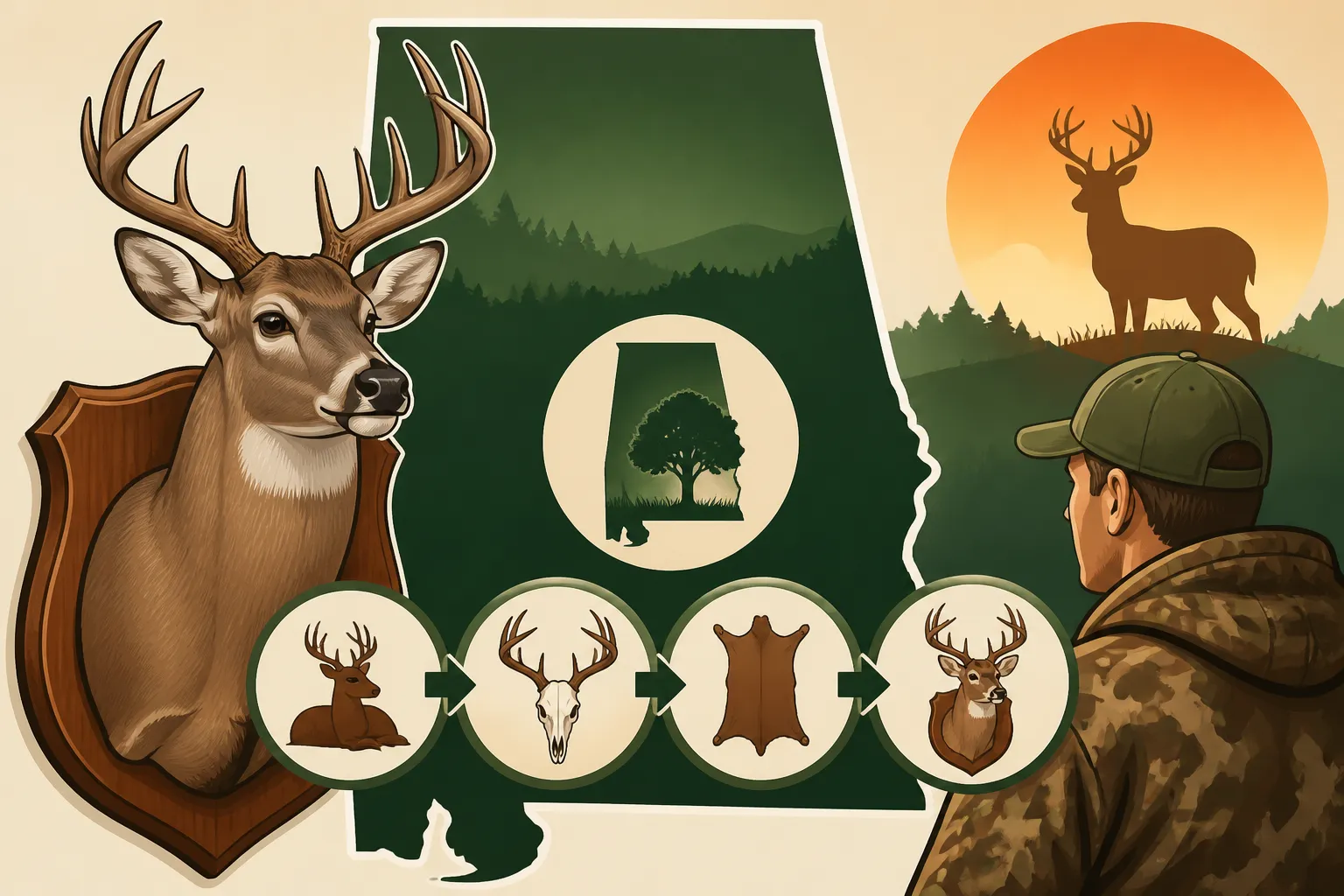
- Proper Initial Handling: These taxidermists are experts at skinning, caping, fleshing, and freezing the hide to ensure it's perfectly preserved for the full-body mount. They'll know exactly what cuts to make and how to treat the hide for long-term storage or shipping.
- CWD Compliance: If you're hunting in or near the High-Risk Zone Inside the CMZ, a local taxidermist will be fully aware of and compliant with specific regulations regarding carcass movement and mandatory CWD testing.
Before the hunt, ask your guide about these connections. Find out if the local taxidermist handles full-body mounts, what their typical turnaround for initial prep is, and what their charges are for these services. This way, you can factor it into your overall budget.
Transporting the Specimen
Once the initial caping and processing are done, you'll need to decide how the specimen gets to your final taxidermist, whether that's the local one your guide recommends or your preferred artist back home. This is where options, and a little planning, come into play.
Here's a comparison of common transport methods:
| Method | Pros | Cons | Considerations |
|---|---|---|---|
| Guide Transports to Local Taxidermist | Easiest for the hunter; ensures immediate, professional handling. | May incur an extra fee from the guide or be built into their service. Limited choice of taxidermist. | Discuss fees beforehand. Confirm pick-up schedule and contact info for the taxidermist. |
| Hunter Transports Home | You choose your taxidermist; direct control over the specimen. | Requires careful packing (dry ice/cooler), potential freezer space, and adherence to travel regulations. | Ensure proper freezing. Check airline/state regulations for game transport, especially regarding CWD. |
| Specialized Game Hauler/Shipper | Professional, insured transport; good for long distances or large specimens. | Can be expensive; requires coordination for pick-up and delivery. | Research reputable shippers. Ensure the specimen is packaged to their specifications. |
It's absolutely vital to be aware of Alabama Carcass Movement Restrictions, especially if your hunt took place in the Chronic Wasting Disease Management Zone. Moving a full deer carcass, or even certain parts, out of these zones is strictly regulated. Your guide or local taxidermist will be crucial in ensuring compliance by removing certain parts or processing the hide properly before it leaves the zone. Ignoring these rules can lead to significant issues.
Paperwork and Legalities
Beyond the physical handling, there's the essential paperwork. Every harvested deer or turkey in Alabama must be legally tagged and reported. This harvest record needs to accompany the specimen. Your guide will ensure your tag is properly filled out and affixed. If they take the animal to a local taxidermist, make sure the taxidermist receives all necessary documentation, including your hunter's license information and the harvest record.
For hunts in the CWD Management Zone, there might be mandatory testing weekends or requirements for tissue samples. Your guide or a local taxidermist can help facilitate this, sending the samples to the appropriate state labs. Make sure you understand the process for How Many Deer Have Tested CWD-Positive Since 2022 in Alabama and how that might impact your handling requirements. Having a clear chain of custody and all documentation in order is not just good practice; it's a legal necessity. This becomes even more critical if you plan on shipping the cape across state lines.
Financial Considerations and Finalizing Arrangements
You're already investing in your hunt, and a full-body mount adds another significant layer of expense. Understanding all the costs involved and making solid arrangements is the final piece of the puzzle.
Understanding the Costs Involved
A full-body mount isn't a single line item. There are several potential costs that can accumulate, and it's essential to have a clear picture of each:
- Guide's Fee for Extra Handling/Transport: While many guides offer basic field dressing as part of their service, extensive caping for a full-body mount, special cooling, or transport to a local taxidermist might incur an additional fee. This is a great thing to clarify when you're discussing the hunt upfront with your guide or outfitter, perhaps when researching on platforms like GoHunt about what's included in their packages.
- Local Taxidermist's Initial Skinning/Caping/Freezing Fees: If you use a local taxidermist for the initial preparation, they will charge for their time and materials. This might include skinning the animal, fleshing the hide, salting (if applicable for long-term preservation), and freezing it. Get a clear quote for these services.
- Shipping Costs (if applicable): If you're sending the prepared hide to your home taxidermist, freight costs can be substantial, especially for a large full-body mount specimen. These costs vary widely based on weight, distance, and shipping method.
- The Full-Body Mount Fee: This is the big one. It's the cost for the actual artistry and craftsmanship of the taxidermist to create your mount. This will be the largest component of your taxidermy expense.
It’s always a good idea to ask for all these quotes upfront. This way, there are no surprises, and you can budget accordingly. Don't be shy about asking questions; a reputable taxidermist and guide will be transparent about their pricing. Just like you'd inquire about What a Guided Alabama Deer Hunt Costs, you should probe into the taxidermy side of things.
Confirming the Hand-Off and Follow-Up
The hunt is over, the animal is processed, and it's either with a local taxidermist or ready for transport. Now, it's about making sure the hand-off is seamless and that you can follow up effectively.
First, confirm with your guide exactly where the specimen is being taken and when. Get the contact information for the local taxidermist, including their phone number and email address. As soon as you can, reach out to that taxidermist directly. Introduce yourself, confirm the arrival of your trophy, and discuss your vision for the mount. This is the time to go over specific poses, habitat groundwork, and an estimated completion timeline. Most taxidermists will require a deposit at this stage, so be prepared for that.
If you're shipping the specimen, make sure you have all the tracking information and that your home taxidermist is aware of its impending arrival. Once the specimen is safely in the hands of your chosen taxidermist, ask for a confirmation. It's a good idea to confirm all these details in writing, such as an email, after the hunt. This creates a record for everyone involved and helps ensure your dream full-body mount becomes a reality. Finally, remember that if your guide went above and beyond with these arrangements, a generous tip as described in Tipping Guides and Dog Handlers is always appreciated.
Disclaimer
This article is for general informational purposes only and does not constitute professional advice. Laws, prices and regulations vary by location and change over time. Consult a qualified professional for guidance on your specific situation.