Tipping Guides and Dog Handlers
The moment the hunt wraps up, especially after an incredible day afield, a quiet question often bubbles up in the back of a hunter's mind: "How do I properly thank my guide and any dog handlers?" It’s a common source of awkwardness and uncertainty, making many folks wonder about the unspoken rules of gratuity in the outdoor world. This guide will walk you through the ins and outs of tipping, ensuring you can show appreciation confidently after your next Alabama hunting adventure.
Understanding the Culture of Tipping in Guided Hunts
Tipping in the hunting industry, much like in restaurants or other service professions, is a deeply ingrained part of the culture. It's not just a bonus; for many guides and dog handlers, tips form a significant portion of their income. They dedicate countless hours, often long before you even arrive, to scouting, maintaining gear, training dogs, and ensuring your hunt is as successful and enjoyable as possible. This isn't a casual job; it's a demanding profession that requires immense skill, knowledge, and physical effort.
Why Gratuity is Expected
Think about all the effort that goes into a guided hunt. Your guide isn't just showing up on hunt day. They've likely spent weeks, if not months, watching trail camera footage, checking scouting cameras, reading the land for fresh sign, planting food plots, and maintaining access roads. For a bird hunt, a dog handler has trained their dogs meticulously, often investing thousands of dollars and countless hours into their four-legged partners. The fee you pay covers the outfitter's overhead and a base rate for the guide, but the tip acknowledges the personalized, often extraordinary, service you received. It's a direct reflection of their hard work and dedication to your experience.
Recognizing the Hard Work Beyond the Hunt
It’s easy to focus solely on the immediate experience of the hunt itself, like the thrill of a gobbler responding to a call or watching a duck dog make a difficult retrieve. But a successful guide's work extends far beyond those few hours. They are often up before dawn, preparing coffee and breakfast, checking weather conditions, ensuring vehicles are fueled, and making last-minute adjustments based on game movement. After the hunt, they're cleaning game, breaking down blinds, putting away decoys, or caring for dogs. It's a full-service job, and your tip is a tangible way to say "thank you" for their commitment to making your time in Alabama truly memorable.
Who Receives a Tip on Your Hunting Trip
When you book a guided hunt, especially a multi-day package at a lodge, it's not always just one person ensuring your experience is top-notch. Understanding the different roles and who typically receives a gratuity can help you budget and plan accordingly. It's generally a team effort, and acknowledging everyone involved shows respect for their contributions.
Your Primary Hunting Guide
Your primary hunting guide is the person who spends the most time with you in the field. They are the eyes, ears, and often the voice of experience that puts you in a position to be successful. Whether it's calling in a spring gobbler in the Hunting the Zone 1 Turkey Opener or positioning you perfectly on a Hunting a Ridge-Top Saddle for Rutting Bucks, their expertise is paramount. This individual typically receives the largest portion of your gratuity. They are responsible for your safety, sharing their knowledge, and making the hunting experience itself happen. Even if the hunting is slow, a great guide can make the trip enjoyable with their stories, humor, and effort.
Dog Handlers on Bird or Hog Hunts
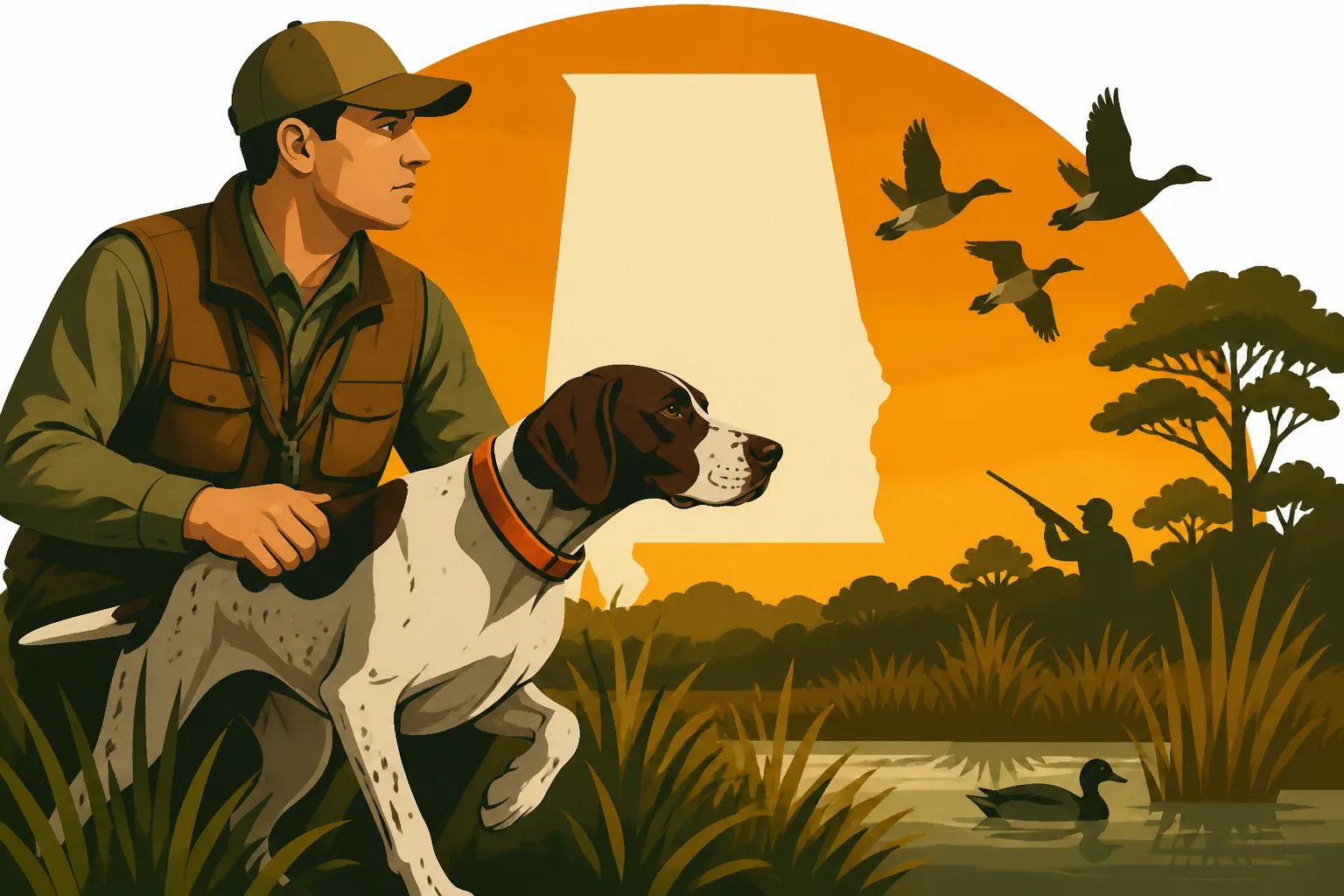
On many bird hunts, like those for quail in Alabama's Black Belt, or even some specialized hog hunts that utilize dogs, you might have a dedicated dog handler who works alongside your primary guide. These individuals are just as crucial to the success of the hunt as the guide. Their dogs are often highly trained athletes, and the handler's skill in reading dog behavior, navigating cover, and directing retrieves is remarkable. If you're on a Working a Black Belt Quail Covey Rise hunt or a Dog-Drive Hog Guide Services trip, the dog handler’s role is central to the action. Their efforts, and those of their canine companions, deserve their own recognition, separate from your main guide, though often presented at the same time.
Lodge Staff and Support Personnel
For those booking a multi-day experience at an Alabama hunting lodge, there's a whole crew working behind the scenes. This can include cooks, housekeepers, shuttle drivers, and general lodge staff who ensure your comfort. They prepare delicious meals, keep the accommodations clean and inviting, and handle the logistics of getting you to and from the field. While their roles aren't directly tied to the hunt itself, they significantly enhance the overall experience. A collective tip for the lodge staff, often left with the lodge manager or in a communal tip jar, is a thoughtful gesture. Sometimes, outfitters will have a recommended protocol for this, which you can inquire about when you are Questions to Ask Before Booking an Alabama Hunt.
How Much to Tip Your Guide and Handler
Determining the appropriate amount to tip can feel like walking a tightrope. You want to be generous and show appreciation, but you also need to be realistic about your budget. While there's no hard-and-fast rule written in stone, industry norms provide a good baseline, and several factors can influence your final decision.
Standard Percentages and Ranges
Generally, for a guided hunting trip, a tip ranging from 15% to 20% of the total hunt cost (excluding license fees and travel) is considered appropriate for your primary guide. If the guide went above and beyond, or if it was a particularly challenging but successful hunt, you might consider the higher end of that range, or even slightly more. For dedicated dog handlers, a common practice is to tip a separate amount, often ranging from $50 to $100 per day, depending on the intensity of the hunt and the performance of the dogs. For lodge staff, a pooled tip of $20-50 per person per day is a good starting point, but again, this can vary.
Consider this table as a general guideline:
| Service Provider | Typical Tipping Range (Individual/Daily) | Factors Influencing Higher End |
|---|---|---|
| Primary Hunting Guide | 15-20% of hunt cost | Exceptional effort, tough conditions, successful harvest, great company, extensive knowledge shared. |
| Dog Handler (Bird/Hog) | $50 – $100 per day | Outstanding dog performance, challenging retrieves, multiple flushes/chases, handler's skill. |
| Lodge Staff (Cooks, etc.) | $20 – $50 per person per day (pooled) | Excellent meals, spotless accommodations, attentive service, special requests accommodated. |
Note: These are general guidelines. Always check with the outfitter or lodge for their specific recommendations or policies regarding gratuities.
Factors That Influence Your Tip Amount
Several elements can and should play into your final decision on how much to tip. It's not always just about filling a tag.
- Effort and Dedication: Did your guide work tirelessly, putting in long hours, making multiple moves, and staying positive even when game was scarce? A guide who works hard, regardless of harvest success, deserves to be recognized.
- Knowledge and Skill: How adept was the guide at reading sign, calling game, setting up stands, or interpreting weather patterns? Their expertise is invaluable. For instance, a guide who knows how to predict Wind and Thermals on a Piedmont Ridge for deer movement is showing real skill.
- Personality and Experience: Did the guide enhance your trip with good conversation, safety-consciousness, and a genuine desire for you to have a great time? A positive attitude and engaging personality can make even a slow day memorable.
- Successful Harvest (but not solely): While a successful harvest is often the goal, it shouldn't be the only factor. Sometimes, despite a guide's best efforts, the game just doesn't cooperate. If they put you in the right spot repeatedly, but you missed, or the animals simply weren't moving, their effort still counts.
- Dog Performance: For hunts involving dogs, exceptional performance from the canines—whether it’s a brilliant point on quail or a tenacious track on a hog—speaks volumes to the handler’s training and dedication.
When and How to Present Gratuity
The timing and method of tipping are just as important as the amount. You want to ensure your appreciation is conveyed respectfully and without awkwardness. Most hunters prefer to handle gratuities at the end of the trip, but there are a few nuances to consider.
The Best Time to Tip
The most common and generally accepted time to present tips is at the conclusion of the hunt, typically on your last day. This allows you to fully assess the entire experience and ensures your guide and staff feel appreciated for their complete efforts. If you're on a multi-day trip with different guides, it’s best to tip each guide individually on the last day you hunt with them, or at the end of the overall trip if they’ve been with you throughout. For lodge staff, a separate envelope or a contribution to a communal tip jar on departure is usually best.
Cash is King
When it comes to tipping in the hunting world, cash is almost always preferred. It's immediate, discrete, and ensures the guide or handler receives the full amount without any deductions or delays. Presenting cash in a handshake or a simple, sincere "Thank you, I really appreciate your hard work" is often the most personal and effective way. Avoid adding tips to credit card payments if possible, as sometimes outfitters' systems don't fully pass on the tips directly to the individuals, or there can be processing fees.
Individual vs. Group Tipping
If you're hunting with a group, you have a couple of options. You can each tip your share individually, or one person can collect from the group and present a single, larger tip. The latter can sometimes be smoother, as it avoids multiple transactions. However, if some members of the group felt particularly impressed, they might wish to add a little extra individually. Always discuss tipping expectations with your hunting partners beforehand to ensure everyone is on the same page and avoids any last-minute awkwardness. Sites like BookYourHunt or GoHunt sometimes offer reviews where previous clients discuss tipping practices, which can be helpful if you're trying to gauge norms for a specific outfitter.
Navigating Special Circumstances and Etiquette
While general guidelines exist, hunting isn't always predictable. There are times when conditions are tough, or expectations aren't fully met. Knowing how to handle these situations gracefully is part of being a respectful hunter.
Tipping Even Without a Harvest
This is perhaps one of the most common dilemmas. You've paid a significant fee for a What a Guided Alabama Deer Hunt Costs, the guide worked their tail off, but the deer just didn't cooperate. It happens. It is crucial to understand that tips are for effort, experience, and service, not solely for a successful kill. If your guide put you in good positions, shared valuable insights about Hunting the Rut in the Southern Zones, remained positive, and provided an otherwise enjoyable and safe experience, they still deserve a tip. A minimal tip in this scenario is still better than none, acknowledging their commitment even when nature didn't deliver. Explain your appreciation for their effort, rather than focusing on the empty tag.
Handling Less Than Stellar Service
On the rare occasion that you feel the service was genuinely subpar—the guide was unengaged, unprepared, or unsafe—you might consider adjusting your tip downward. However, this is a delicate situation. Before reducing a tip significantly or withholding it entirely, try to address your concerns discreetly with the guide or outfitter manager. Sometimes, there might be a misunderstanding or an opportunity for improvement. While a tip is a reward for good service, it's also a reflection of your overall satisfaction. If you booked through a platform like BookYourHunt, documenting your experience (fairly and factually) could be important for future hunters and for the outfitter.
Expressing Gratitude Beyond Cash
While cash tips are standard, there are other ways to show your appreciation for exceptional service.
- Public Reviews: A glowing online review on the outfitter's website, social media, or hunting platforms like GoHunt or BookYourHunt can be incredibly valuable to a guide or outfitter. Mentioning your guide by name and detailing their excellent service is a huge compliment that can lead to future bookings for them.
- Referrals: Telling your friends, family, and hunting buddies about a fantastic guide is one of the highest forms of praise. Word-of-mouth recommendations are golden in this industry.
- Small Gifts: Sometimes, a small, thoughtful gift can accompany a cash tip, especially if you've developed a rapport with your guide over several days. This could be anything from a quality knife to a box of cigars, or even something related to their personal interests you might have learned about.
- Handwritten Note: A simple, heartfelt handwritten note expressing your gratitude for their hard work and making your trip special can mean a great deal. It’s a personal touch that often gets remembered.
Tipping Etiquette for Specific Alabama Hunts
Alabama offers a diverse range of hunting opportunities, and while the general tipping principles remain, specific hunt types might have slightly different nuances or additional personnel to consider.
Deer Hunts in Alabama
Whether you're after a trophy buck in the Black Belt or an antlerless deer to fill the freezer, a deer hunt can involve a lot of preparation. Your guide might have spent hours scouting Where Bankhead Forest Bucks Bed or setting up stands in remote areas. On these trips, especially if they are multi-day affairs, the guide's consistent effort, patience, and knowledge of deer movement are paramount. For example, a guide who helps you navigate the complexities of Alabama's Chronic Wasting Disease Management Zone rules, or advises on Handling Venison From the CWD Management Zone if you are successful, is providing invaluable service. A standard 15-20% of the hunt cost is appropriate, directly to your guide at the end of the trip.
Turkey Hunts Across the State
Spring turkey hunting in Alabama is an immersive and often physically demanding experience. Your guide is usually responsible for locating birds, calling them in, and setting up precise shots. The guide's ability to read a gobbler's mood, adapt to changing conditions, and patiently work a bird can make or break a hunt. This includes everything from Calling an Alabama Gobbler Off the Roost to knowing when to make a bold move on a hung-up bird. The effort involved in scouting, walking miles, and calling for hours warrants a strong tip, typically 15-20% of the hunt cost.
Quail and Waterfowl Hunts
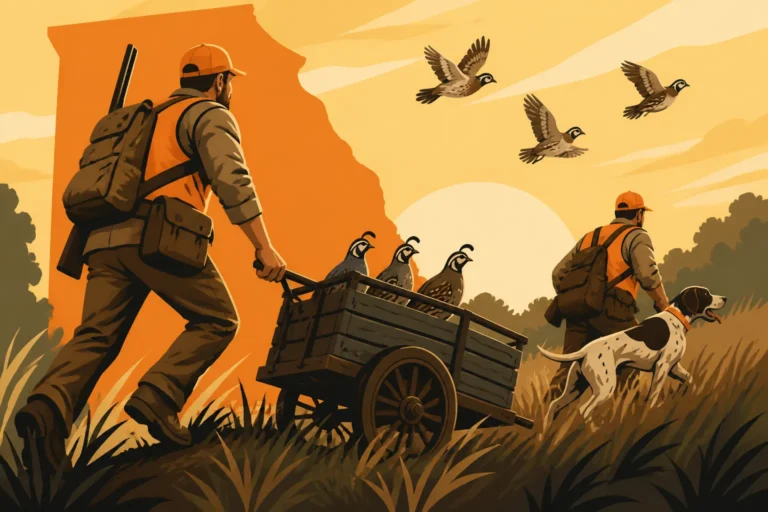
These hunts often involve multiple specialists and can be very dynamic. For quail, you'll likely have a primary guide and a dedicated dog handler, often operating a bird buggy and working a brace of pointing dogs. Working a Black Belt Quail Covey Rise is a symphony of dog work and handler skill. On waterfowl hunts, especially on the Tennessee River Delta, guides will typically handle decoys, blind setup, calling, and retrieve management. This often involves a dog handler as well, or the guide may also handle their own dog. Because of the specialized equipment, trained dogs, and intense management involved, both the primary guide (for duck calling, boat handling, setup) and the dog handler (for their specific dog’s performance) deserve separate, generous consideration. Consider the percentage for the guide and the daily rate for the dog handler, as mentioned in the table above. For example, after a successful Tennessee River Duck Guide Day Rates hunt, you’d tip the guide for the overall experience and the dog handler for the dog’s stellar retrieves.
Feral Hog Hunts
Feral hog hunting in Alabama can range from sitting over bait at night with thermal gear to adrenaline-fueled dog drives. Guides on these hunts work hard to manage bait sites, track hog movement, or coordinate multiple dogs and hunters safely. Whether it’s a Guided Night Hog Hunt Costs with specialized equipment or a Dog-Drive Hog Hunt Pricing in Alabama where the handler's knowledge of the land and dogs is paramount, their efforts are significant. A tip of 15-20% for the guide, and a separate daily tip for the dog handler if dogs are involved, is standard. Their expertise in Shot Placement on a Feral Hog or ensuring safety during a drive is invaluable.
Disclaimer
This article is for general informational purposes only and does not constitute professional advice. Laws, prices and regulations vary by location and change over time. Consult a qualified professional for guidance on your specific situation.