Physical Demands of a Quail Wagon Hunt
Many folks envision a quail wagon hunt as a completely relaxed affair – kicking back in a comfortable seat while dogs do all the work and birds magically appear. However, this charming image often overlooks the very real physical engagement required. This guide will peel back the layers of a traditional Alabama quail wagon hunt, detailing the actual physical demands you can expect, and how to best prepare your body for a truly enjoyable and successful day afield.
The Traditional Quail Wagon Experience: More Than Just a Ride
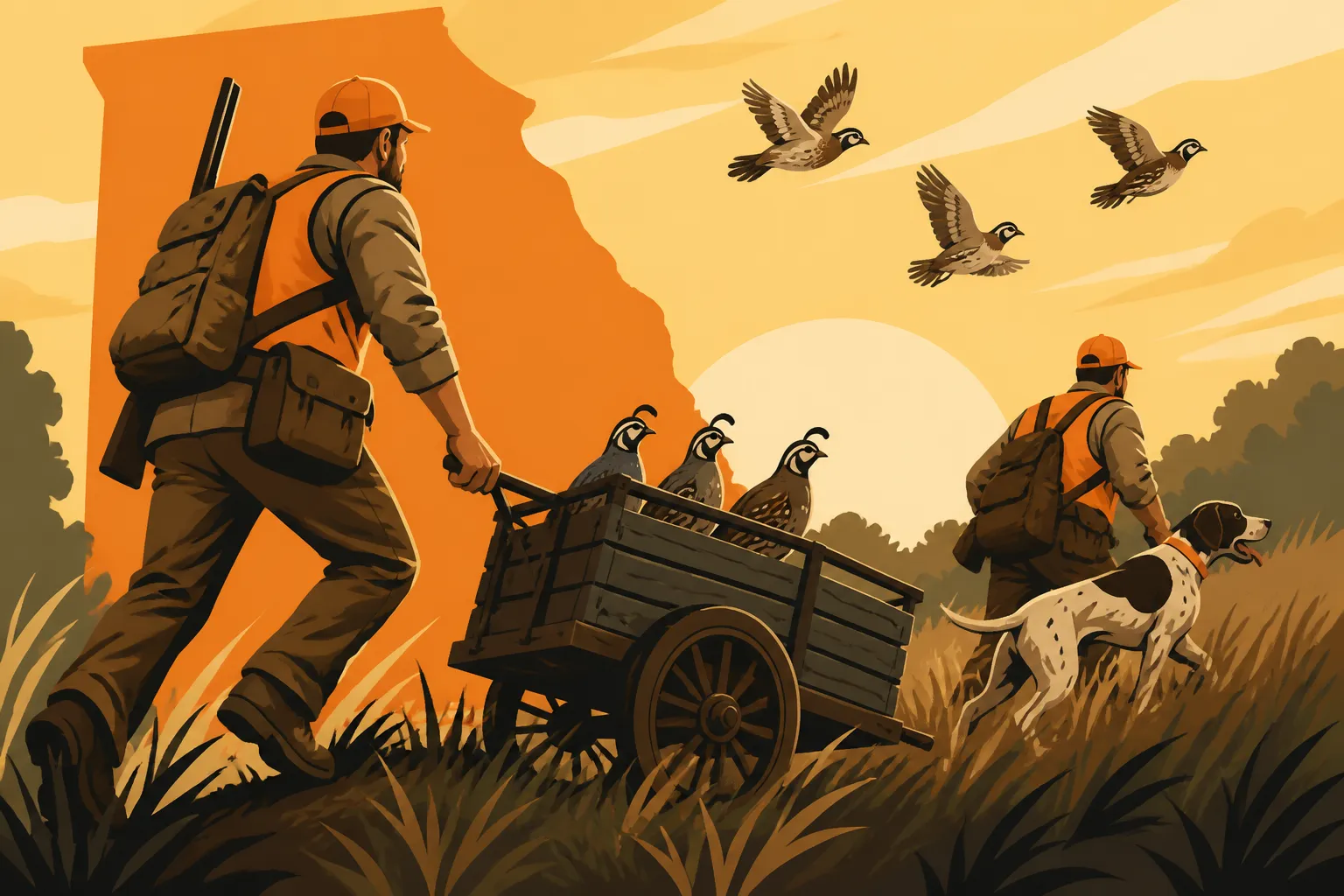
It’s true, the image of a quail wagon rolling through a scenic Alabama plantation is a classic one, and for good reason. These hunts offer a wonderful blend of tradition, camaraderie, and superb dog work. But while the wagon provides much-needed transport and a comfortable vantage point for spotting, it's not a spectator sport for the entire day. There's an active component that often surprises first-timers.
Riding in Comfort, Yet Staying Engaged
The "wagon" in a quail wagon hunt is typically a custom-built vehicle, often a tractor-drawn trailer or a specialized truck, equipped with cushioned seats, gun racks, and sometimes even a cooler for refreshments. It allows you to cover large areas of ground with ease, following the dogs and handlers as they work the cover. This comfort is a blessing, especially on larger plantations where coveys might be spread out. You'll spend a fair amount of time scanning the landscape, chatting with your guide and fellow hunters, and appreciating the dogs' incredible work. It’s a fantastic way to experience the hunt, but don't let the comfort lull you into thinking it's entirely passive. Your eyes and ears need to be engaged, and your body needs to be ready to spring into action.
The "Flush and Follow" Dynamic
Here’s where the physical demands really kick in. When the pointing dogs lock up on a covey, indicating birds are present, the wagon will stop. This is your cue to dismount quickly and quietly. Depending on the terrain and how close the wagon can get, you might have a short walk or a more substantial hike to reach the dogs and get into a safe shooting position. Your guide will position you, and then, on command, the covey will be flushed. This moment requires alertness, quick reflexes, and often a brisk walk or jog to keep up with the action as the birds explode into the air. After the shots are fired, you'll likely be walking with the dog handler to retrieve downed birds, which can involve navigating through dense cover, over fallen logs, or into shallow dips. This sequence repeats for every covey found, which can be numerous over a full day.
Navigating Varied Black Belt Terrain
Alabama's Black Belt region, famous for its rich soil and prime quail habitat, isn't always flat and manicured. While many plantations maintain excellent quail courses, you'll still encounter a variety of natural terrain. This can include gently rolling hills, ditches, old logging roads, and fields with varying densities of native grasses and pines. When you step off that wagon, you're not always on a golf course path. You could be walking through knee-high broom sedge, stepping over thorny briar patches, or traversing sandy stretches. The ground can be uneven, especially after a rain, requiring stable footing and good balance. Understanding the habitat helps when you're scouting How Managed Pine Restored Black Belt Quail or considering Hunting a Managed Quail Plantation.
Unexpected Physical Exertion: Don't Underestimate the Walk
Many hunters, particularly those accustomed to deer hunting from a stand, might underestimate the cumulative effect of a quail wagon hunt. It's not a marathon, but it's far from a sedentary pursuit. The short bursts of activity, combined with carrying gear and dealing with environmental factors, can definitely add up.
Burst Activity and Endurance
Imagine this scenario: the dogs are locked up maybe 100 yards ahead, just over a small rise in a field of chest-high bluestem. The guide gives the signal, and you swing your shotgun off the rack, step down from the wagon, and quickly but quietly make your way to the dogs. You need to get into position, maybe adjust your glasses, take a breath, and then be ready for the explosive flush. After the shot, you're moving to retrieve birds. This isn't a leisurely stroll; it's a series of focused, often quick, movements. Over the course of a four or six-hour hunt, with perhaps 10-20 coveys found, these "bursts" of activity become quite significant. You'll be standing, walking, bending, and swinging your shotgun repeatedly. This demands a decent level of cardiovascular fitness and muscular endurance, especially in your legs.
Carrying Your Shotgun and Gear
While you ride in the wagon, your shotgun is safely stowed. But once the dogs point, you'll be carrying it. A shotgun, even a lightweight 20-gauge, can weigh anywhere from 6 to 8 pounds. Carrying this weight, often at the ready, through fields and brush, for extended periods between wagon stops and during retrieves, adds to the physical demand. If you add a small game bag, extra shells, water, or a camera, that weight increases. A comfortable, well-adjusted sling can be your best friend, allowing you to temporarily free your hands or give your arms a rest without putting your firearm down. For longer walks to retrieve a runner, or when Working a Black Belt Quail Covey Rise, a good sling is invaluable.
The Impact of Weather and Conditions
Alabama weather can be famously unpredictable, especially during quail season, which often runs through the cooler months but can still have warm spells. A sunny, 60-degree day might feel pleasant on the wagon, but when you're walking through thick cover in that same temperature, your body temperature can rise quickly. Conversely, a damp, chilly morning can make the cold feel more intense when you're standing still, waiting for a flush. Muddy conditions can turn a simple walk into a leg-burning slog, as each step requires extra effort to lift your feet. Be prepared for anything, and remember that even mild conditions can become challenging with consistent activity. Layering your clothing and having appropriate rain gear are crucial considerations when you’re planning What to Pack for a Guided Alabama Hunt.
Preparing Your Body for a Successful Hunt
Don't let these descriptions intimidate you! A quail wagon hunt is incredibly rewarding. The key is to arrive prepared, both physically and mentally. A little pre-hunt conditioning can make all the difference in your enjoyment and effectiveness.
Cardiorespiratory Fitness for Bursts
Since the hunt involves short, sharp bursts of activity, focus your fitness regimen on exercises that mimic this. Interval training, where you alternate between periods of high-intensity activity and lower-intensity recovery, is perfect. Think about brisk walking or jogging with short sprints mixed in. Even walking quickly up and down stairs or doing step-ups can help build the necessary stamina. The goal isn't to run a marathon, but to be able to move quickly and confidently to the dogs, hold steady for the flush, and then move again for retrieves without feeling completely winded. This will ensure you're focused on the birds, not your breathing.
Strengthening Legs and Core
Strong legs and a stable core are your best friends on uneven terrain. Lunges, squats, and calf raises will build the muscle groups you'll use constantly. Exercises that improve balance, like standing on one leg or using a wobble board, can also be highly beneficial for navigating the varied ground found in typical quail habitat. A strong core helps with stability when swinging your shotgun, particularly if you're taking a shot at an awkward angle or moving through brush. Remember, you'll be getting on and off the wagon, stepping over obstacles, and potentially walking through thick grass – all require good leg and core strength.
Essential Gear for Comfort and Performance
Your gear choices, especially footwear, are paramount. Invest in comfortable, supportive hunting boots that are broken in well before your trip. Waterproofing is a huge bonus, even if the forecast is dry, as morning dew or unexpected puddles can quickly soak your feet. Consider ankle support to prevent twists on uneven ground. Clothing should be durable, briar-resistant, and suitable for layering to adapt to changing temperatures. Hydration is also key; carry a water bottle or a hydration pack, even if the lodge provides drinks on the wagon. Staying well-hydrated combats fatigue and keeps you sharp. Many outfitters provide guidance on What a Managed Quail Hunt Includes, but personal gear like footwear is often up to you.
The Mental Game of a Long Day
Beyond the physical, there's a mental component to a successful quail hunt. Patience is crucial. There will be times when the dogs are working, and you're just riding, enjoying the scenery. Then, suddenly, it's action time. Maintaining focus throughout the day, being alert to the dogs' subtle cues, and staying positive even if a covey is missed, are all part of the experience. It's about being present, appreciating the tradition, the dogs, and the beautiful Alabama landscape. So, come prepared to engage your body, yes, but also your mind, and you'll find a quail wagon hunt to be an incredibly rewarding day in the field. If you’re looking at guides, sites like BookYourHunt or GoHunt often have reviews that can give you a sense of the pace and style of various operations, which might influence your mental preparation.
| Aspect of Hunt | Perceived Physical Demands | Actual Physical Demands | Preparation Focus |
|---|---|---|---|
| Riding the Wagon | Low: Mostly sitting and observing. | Moderate: Alertness, quick dismounts. | Flexibility, situational awareness. |
| Walking to Dogs | Low: Short, easy walk. | Moderate to High: Brisk walk/jog, uneven terrain. | Cardio, leg strength, ankle stability. |
| Flushing & Shooting | Low: Quick action, standing still. | Moderate: Quick movement, shotgun swing, balance. | Reflexes, core strength, dynamic balance. |
| Retrieving Birds | Low: Short walk to downed birds. | Moderate: Walking through brush, bending, carrying. | Endurance, flexibility, briar-resistant clothing. |
| Overall Day | Relaxed, mostly sedentary. | Intermittent bursts of activity, cumulative fatigue. | Interval cardio, full-body conditioning, hydration. |
Disclaimer
This article is for general informational purposes only and does not constitute professional advice. Laws, prices and regulations vary by location and change over time. Consult a qualified professional for guidance on your specific situation.