Dog Handlers on a Quail Plantation Hunt
When you dream of a guided quail hunt in Alabama, you likely picture the thrill of the covey rise, the flush of wings, and the satisfying scent of gunsmoke. But behind every successful shot and every perfectly pointed bird is the silent, often underappreciated, work of the dog handler. It can be easy to overlook their vital role when you're caught up in the excitement, but understanding what they do—and how much skill it takes—will profoundly enhance your experience. This guide dives deep into the world of the dog handler on an Alabama quail plantation hunt, shedding light on their expertise and how you can best interact with these unsung heroes of the field.
The Unsung Heroes of the Quail Field: What a Dog Handler Actually Does
Many folks imagine a dog handler simply walking along, dogs ranging out ahead, and then pointing a bird. While that's the beautiful outcome we all hope for, the reality of a handler's job is far more complex, demanding a keen eye, immense patience, and an almost intuitive understanding of both the dogs and the environment. They're not just guiding the dogs; they're orchestrating an entire field performance.
Think of it like this: a great conductor doesn't just wave a stick; they understand every instrument, every nuance of the music, and how to bring it all together for a harmonious performance. A quail dog handler is much the same, constantly assessing, directing, and anticipating. They are the eyes, ears, and often the legs for the entire hunting party, working tirelessly to ensure you have the best possible chance at a memorable hunt. Their success directly impacts your success, and recognizing their contribution elevates the entire experience from a simple outing to a truly rich partnership.
Beyond Just "Walking Dogs": A Handler's Core Responsibilities
The primary responsibility of a dog handler extends far beyond merely accompanying the dogs. It begins long before the hunt and continues long after. They are essentially the strategic mind of the hunting party in the field, making real-time decisions that dictate the flow and success of the hunt. This involves everything from reading the wind direction to understanding how recent weather might affect bird behavior. They have to anticipate where coveys might be holding tight, or where singles might scatter after a flush.
Consider a typical scenario: the handler is walking a diverse terrain, perhaps a mix of open pine savannah and denser brush. They're constantly scanning, not just for birds, but for subtle cues from their dogs—a change in gait, a slight hesitation, the intensity of a tail wag. They’re also listening for the distinct sounds of quail. Their decisions on where to go next, how wide to cast the dogs, or when to hold them back are based on years of experience and countless hours spent in similar fields. This depth of knowledge is what allows them to put you on birds, even when conditions aren't ideal. It’s a craft refined over generations, deeply embedded in the tradition of Bobwhite Quail in Alabama's Black Belt.
| Responsibility | Description | Impact on Hunt |
|---|---|---|
| Dog Management | Directing dogs' movements, controlling their range, ensuring they stay in optimal hunting patterns, and reading their body language for indications of scent or birds. This includes calling them in, sending them out, and correcting unwanted behaviors. | Directly influences how many coveys are located, how effectively birds are pointed, and how quickly downed birds are retrieved, maximizing opportunities for hunters. |
| Field Strategy | Planning routes based on wind, terrain, cover type, and previous bird locations. Adapting strategy in real-time based on dog performance, bird behavior, and hunter fatigue. Guiding the hunting party through the most productive areas. | Ensures the hunting party covers the most promising ground efficiently, conserves energy, and increases the likelihood of encountering multiple coveys and successfully harvesting birds. |
| Bird Handling | Identifying when dogs are on point, confirming bird presence, and positioning hunters for safe and effective shots. Marking downed birds and directing dogs for efficient retrieval, minimizing lost game. Understanding bird flight paths and escape routes. | Crucial for safe shooting, prevents lost birds, and maintains the integrity of the game population by ensuring responsible harvest. It also helps manage dog excitement levels for subsequent points. |
| Hunter Communication | Instructing hunters on optimal shooting positions, safety protocols, and what to expect next. Providing insights into dog behavior and bird habitat. Explaining the etiquette of a driven or walked-up quail hunt. Offering encouragement and celebrating successes. | Enhances hunter safety and understanding, improves the overall hunting experience, fosters a positive relationship between guide and hunter, and helps hunters feel more integrated into the process. |
| Equipment & Care | Ensuring dogs are healthy, hydrated, and rested. Managing dog crates, leads, and first-aid supplies. Maintaining communication equipment (whistles, e-collars) and handling tools (bird launchers). Caring for the dogs' well-being before, during, and after the hunt. | Guarantees the dogs are fit to perform, prevents injuries, and ensures all necessary tools are on hand for a smooth and humane hunting operation. Contributes to the longevity and performance of the valuable canine assets. |
| Habitat Awareness | Recognizing productive quail habitat, understanding how changes in cover or food sources impact bird distribution, and often participating in habitat improvement efforts to sustain populations. Knowing where specific types of cover are likely to hold birds. | Helps guides select the most promising hunting areas, contributing to successful hunts and supporting long-term conservation goals by understanding the needs of the Bobwhite Quail in Alabama's Black Belt. |
Reading the Dogs and the Land: A Symphony of Skills
A truly skilled dog handler possesses a unique ability to read both their dogs and the land simultaneously, blending these observations into a fluid hunting strategy. They understand that a dog's posture, the twitch of its nose, or the subtle shift in its tail can communicate volumes about what it's smelling and how close it is to game. It’s an unspoken language developed through countless hours of companionship and observation. This goes beyond simple commands; it’s about interpreting nuance.
For instance, a dog that’s "breezing" might be covering ground quickly but without strong scent. A dog that drops its head and changes its gait, becoming more methodical and intense, is likely on a hot track. The handler sees these signs and adjusts their own movement and the direction of the hunting party accordingly. Simultaneously, they're assessing the terrain—is it dense thicket where a covey might hunker down? Is it an open field where birds might run? Is the wind carrying scent perfectly, or is it swirling, making the dogs' job harder? This constant synthesis of information is what separates a good handler from a truly exceptional one, turning a simple walk in the woods into a finely tuned, productive Hunting a Managed Quail Plantation.
The Types of Dogs and How Handlers Work Them
The canine stars of a quail hunt are, without a doubt, the dogs. But it's not just any dog; specific breeds, trained to perfection, are chosen for their instinctual abilities and their partnership potential with a handler. Understanding the different roles these dogs play helps you appreciate the handler's skill in managing them and how they contribute to a successful outing. Many plantations invest heavily in their dog programs, viewing them as integral to the quality of the hunting experience they offer.
The choice of dog breed often reflects the handler's personal preference, the type of terrain they typically hunt, and the specific style of hunt the plantation provides. Some handlers prefer a single breed that excels in pointing, while others might run a mixed team to get the best of both worlds. Regardless of the breed, the handler's goal is to maximize each dog's natural talent, channeling it into productive, respectful hunting. This requires immense dedication and a profound connection to their canine partners.
Pointers, Setters, and Flushers: Understanding the Canine Team
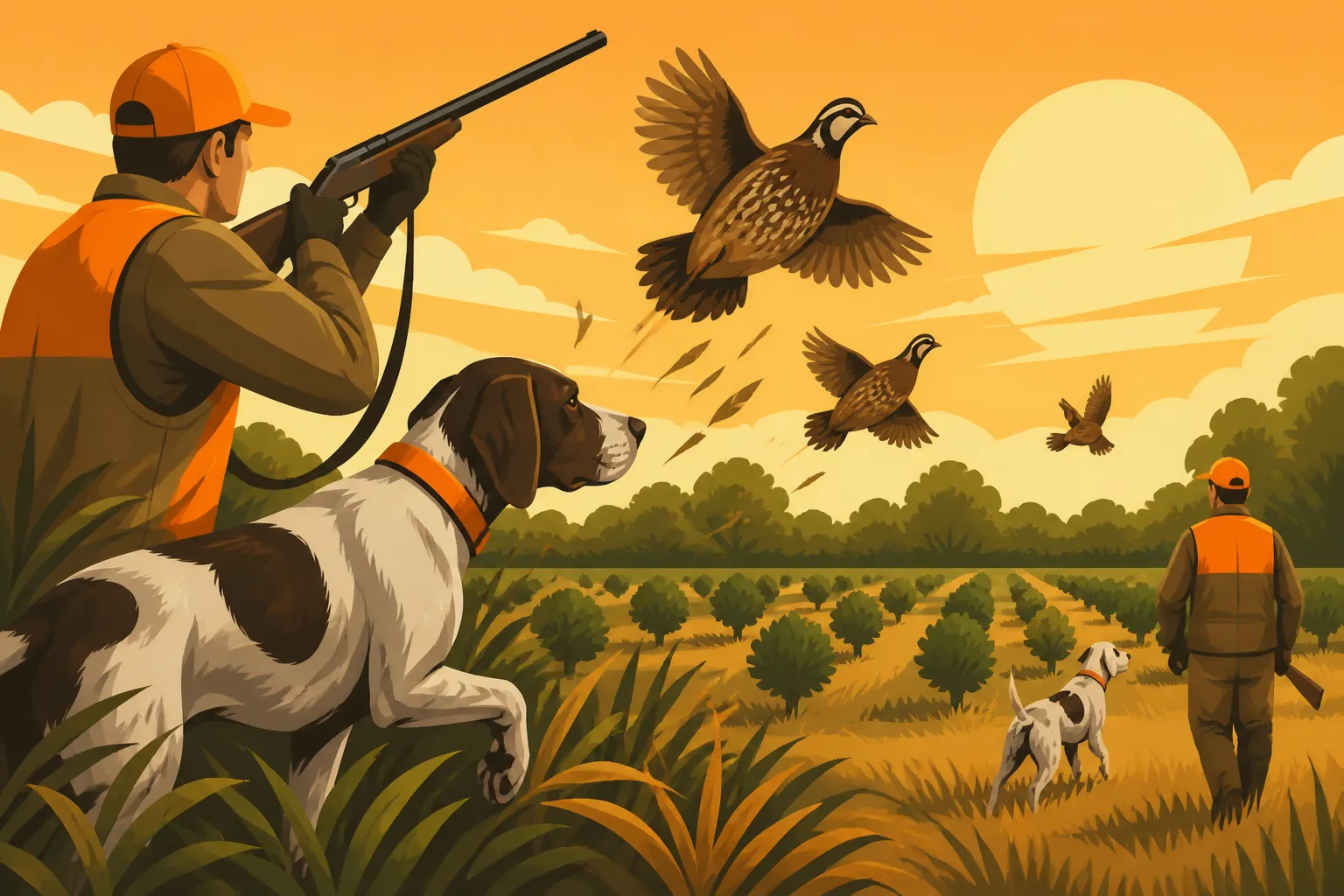
On an Alabama quail plantation, you'll typically encounter a team of dogs, each with a specialized role, though some breeds can perform multiple tasks. The stars are often the pointers and setters. Breeds like English Pointers, German Shorthaired Pointers, Brittanys, and English Setters are bred for their exceptional scenting ability and their instinct to "point"—freezing rigid when they locate birds, often with one paw raised, indicating the game's exact location. A good point is a thing of beauty, a moment of frozen intensity that signals a covey is nearby. The handler works these dogs to cover ground efficiently, finding and pointing birds.
Once birds are pointed, and hunters are in position, the handler may send in a "flushing" dog if the pointing dogs are not trained to flush on command, or if the birds are holding particularly tight. Some pointing breeds can also be trained to flush on command. After the shot, the handler will deploy a retriever, often a Labrador or Chesapeake Bay Retriever, or even a well-trained pointer that also retrieves, to quickly and efficiently fetch downed birds. The handler orchestrates this entire sequence, ensuring each dog performs its role seamlessly. They know which dog is best for which task, and when to bring a fresh dog into the rotation. This careful management is critical for the success of Working a Black Belt Quail Covey Rise.
Training Regimens and Maintaining Peak Performance
The precision you see from a handler's dogs in the field isn't accidental; it's the result of relentless, year-round training and conditioning. These dogs are athletes, and their handler is their coach, nutritionist, and veterinarian all rolled into one. Training starts from puppyhood, instilling basic obedience, then progressing to advanced field commands, scent work, honoring another dog's point (called "backing"), flushing on command, and retrieving. This isn't just about repetition; it's about building a bond of trust and understanding.
Throughout the off-season, handlers are continually working with their dogs. This includes physical conditioning to ensure they can handle miles of rugged terrain, refreshers on commands, and exposure to various field conditions to keep their instincts sharp. They also manage their dogs' diets, monitor their health, and provide essential veterinary care. A good handler understands that a dog's performance is directly linked to its overall well-being. This commitment ensures that when opening day arrives, the dogs are not only physically ready but mentally eager to hunt, providing a top-tier experience for anyone who Books a Black Belt Quail Plantation Hunt.
Your Interaction with the Handler on a Guided Hunt
For many hunters, a guided quail hunt is a new experience, and it's natural to feel a bit unsure about how to interact with the handler. Remember, they are professionals dedicated to making your hunt successful and enjoyable. Approaching the experience with an open mind, a willingness to learn, and a clear understanding of your role will lead to a much more rewarding day in the field. They are there to facilitate your hunt, and a good partnership between hunter and handler is key.
Think of the handler as your on-field coach and guide. They are the experts on the local habitat, the bird behavior, and most importantly, their dogs. By communicating effectively and trusting their seasoned judgment, you position yourself for the best possible experience. Don't be shy about asking questions, but also be prepared to listen and follow instructions closely. This collaborative spirit makes for a truly memorable day out in the Alabama piney woods.
Communication is Key: Before, During, and After the Hunt
Effective communication with your dog handler is paramount to a successful and safe quail hunt. Before the hunt even begins, take the opportunity to discuss your experience level, physical capabilities (especially if you’re doing a Walking Quail Hunt versus a Wagon Hunt), and what you hope to get out of the day. This helps the handler tailor the experience to you, choosing appropriate terrain and setting realistic expectations. For instance, if you're a new hunter, they might select more open areas and provide more direct guidance. If you're an experienced wingshooter, they might challenge you with faster flushes.
During the hunt, listen closely to their instructions. They'll tell you where to walk, when to get ready for a flush, and where to anticipate the birds' flight path. If you have questions about what a dog is doing or why the handler is making a particular move, ask! Most handlers are passionate about their craft and eager to share their knowledge. After the hunt, a brief chat about the day—what worked, what was challenging—can also provide valuable feedback for both parties and deepen your understanding of the process. Remember, the handlers are skilled professionals, and places like BookYourHunt often emphasize clear communication when booking managed quail hunt experiences.
Trusting Their Expertise: Following Directions for Success
Perhaps the most crucial aspect of interacting with your handler is trusting their expertise and following their directions without hesitation. This isn't just about politeness; it's about safety, success, and the well-being of the dogs. When a handler tells you to move to a certain spot, or to get ready, or to hold your shot, there's a good reason for it. They're constantly monitoring the position of other hunters, the dogs, and the potential flight path of the birds.
Ignoring their guidance can lead to dangerous situations, missed opportunities, or even spooked birds. For example, moving too quickly or too slowly when a dog is on point can cause the covey to flush prematurely or out of range. Their experience in Reading a Ridge for North Alabama Deer or Hunting a Funnel Between Two Creek Bottoms applies to understanding bird behavior in quail country as well, just with a different species. When they direct you, they are setting you up for the best possible shot and ensuring everyone's safety. Embrace their guidance, learn from their calls, and watch how their intricate knowledge plays out in the field. This trust is foundational to enjoying a truly rewarding Black Belt Quail Day Hunt.
Beyond the Hunt: Handler Roles in Plantation Management and Conservation
The handler's job isn't confined to the hours the hunters are in the field. Their knowledge and skills are often integral to the broader success of the plantation's wildlife management program. They are keen observers of the land and its inhabitants, providing invaluable insights that contribute to sustainable hunting practices and the overall health of the quail population. Many handlers view their role as stewards of the land as much as trainers of dogs.
This deeper involvement means that when you book a hunt, you're not just paying for a day of shooting; you're supporting a system that often includes significant investment in habitat, research, and responsible game management. Understanding this behind-the-scenes work adds another layer of appreciation to your experience. It’s a holistic approach, ensuring that the thrill of the covey rise can be enjoyed by generations to come.
Habitat Work and Sustaining Wild Quail Populations
Quail handlers often play a direct role in the habitat management efforts on the plantations where they work. Spending hundreds of days a year traversing the land gives them an intimate understanding of quail ecology—where coveys prefer to roost, feed, and nest. They observe what cover types are most effective, which food sources are being utilized, and where predator pressure might be highest. This ground-level intelligence is critical for developing effective habitat improvement strategies.
Their observations help inform decisions on prescribed burns, planting beneficial native grasses and forbs, creating brush piles for escape cover, and managing timber stands to optimize quail habitat. For example, they might notice that a particular patch of mature pine is lacking sufficient undergrowth, and recommend selective thinning or burning to encourage the growth of legumes and other quail foods. This hands-on involvement is crucial for reversing Alabama's Historic Quail Decline and for the continued success of efforts like How Managed Pine Restored Black Belt Quail, ensuring a robust wild quail population for future hunts.
Training the Next Generation of Dogs and Handlers
The art and science of quail dog handling is a tradition passed down through generations. Experienced handlers are often mentors, taking on apprentices who are eager to learn the ropes. This involves not only teaching dog training techniques but also imparting the invaluable wisdom of reading the land, understanding bird behavior, and managing hunting parties effectively. It’s a demanding apprenticeship, requiring dedication and a genuine passion for the outdoors.
These seasoned handlers also play a vital role in the breeding and development of future generations of quail dogs. They evaluate puppies for potential, identifying those with strong natural instincts for scenting, pointing, and retrieving. They invest countless hours into early socialization, obedience training, and field exposure, shaping these young dogs into the polished performers you see in the field. This commitment to continuity ensures that the high standards of Alabama's quail plantations are maintained, allowing hunters to find quality guided experiences even through platforms like BookYourHunt.
Tipping, Etiquette, and Making the Most of the Experience
Just like any service industry, a guided quail hunt comes with its own set of unwritten rules and expectations. Knowing what's appropriate, especially regarding gratuities, shows respect for the handler's hard work and dedication. These guidelines aren't just about being polite; they contribute to the overall smooth operation of the hunt and ensure a positive experience for everyone involved.
By being mindful of these considerations, you not only make a great impression but also ensure that you're getting the most out of your investment in a Guided Plantation Quail Hunt. It's about respecting the tradition, the land, the birds, and especially the people who work tirelessly to create these unforgettable outdoor adventures.
Showing Appreciation: Tipping Your Handler Appropriately
One of the most common questions hunters have, especially those new to guided experiences, is about tipping. It's universally understood that a dog handler works incredibly hard, often for long hours, and a significant portion of their income comes from gratuities. Tipping is a direct way to acknowledge their expertise, effort, and how much they contributed to your enjoyment and success.
A general guideline for tipping on a guided quail hunt is similar to other outdoor guide services: if you had a good experience, plan on tipping a percentage of the total hunt cost. For example, if you booked a Half-Day Versus Full-Day Quail Packages hunt, your tip would typically reflect the length and intensity of the outing. Always consider the level of service, the handler's attentiveness, and how hard they worked to put you on birds and retrieve game. Most importantly, present your tip discreetly and directly to the handler at the end of the day. A simple "Thank you for a great day, I really appreciate your hard work" goes a long way. For specific amounts, our guide on How Much to Tip a Quail Plantation Guide can provide more detail.
General Etiquette on a Guided Quail Hunt
Beyond tipping, there are several points of etiquette that will make your guided quail hunt more enjoyable for everyone. First and foremost, safety first. Always handle your firearm responsibly, keep the muzzle pointed in a safe direction, and only load your gun when instructed by the handler. Pay close attention to their directions regarding shooting lanes and when it's safe to shoot. Never shoot at low-flying birds or birds near the dogs.
Secondly, respect the dogs. They are highly trained professionals, and interacting with them inappropriately can distract them from their work or confuse them. Don't call them, try to pet them without permission, or give them commands. Let the handler manage their team. Thirdly, be prepared and punctual. Arrive on time with the appropriate gear, including comfortable walking boots (especially for a Physical Demands of a Quail Wagon Hunt), eye protection, and blaze orange as required. Lastly, be a good sport. Quail hunting can be challenging, and you won't hit every bird. Celebrate the flushes, appreciate the dog work, and enjoy the camaraderie of the outdoors, regardless of your final bird count. Your positive attitude is part of the experience.
Disclaimer
This article is for general informational purposes only and does not constitute professional advice. Laws, prices and regulations vary by location and change over time. Consult a qualified professional for guidance on your specific situation.