Nonresident Access to Alabama Public Land
Venturing into a new state for a hunting trip can feel like trying to solve a puzzle with half the pieces missing. For nonresidents eyeing Alabama's public lands, it's easy to get overwhelmed by the sheer amount of information – or lack thereof – regarding licenses, regulations, and where to even begin. This guide aims to cut through that confusion, offering a comprehensive roadmap for out-of-state hunters looking to experience the rich hunting traditions and diverse game populations that Alabama's public lands have to offer.
Understanding Alabama's Public Land Landscape for Nonresidents
When you're traveling from out of state, the idea of "public land" can conjure up images of vast, untouched wilderness. While Alabama certainly has wild places, understanding the reality of its public hunting opportunities is key to a successful and enjoyable trip. It's not always a wide-open expanse; sometimes it's pockets of opportunity that demand a bit more local knowledge.
The Scope of Public Opportunity in Alabama
Alabama boasts a respectable amount of public hunting land, primarily managed by the U.S. Forest Service (National Forests) and the Alabama Department of Conservation and Natural Resources (Wildlife Management Areas, or WMAs). For an out-of-state hunter, this means a diverse range of habitats and hunting experiences are available. The three main National Forests—Talladega, William B. Bankhead, and Conecuh—offer significant acreage with generally fewer restrictions than WMAs, though specific rules always apply. These vast tracts can feel enormous, sometimes intimidating even for locals, but they hold deer, turkey, and small game.
Wildlife Management Areas, on the other hand, are often smaller but intensively managed for wildlife, sometimes with higher game densities but also more stringent rules, including quota hunts, specific sign-in procedures, and unique season dates. Think of them as more controlled environments. It's easy to assume public land means "easy access," but that's not always the case. Some of these areas can be tricky to navigate without solid mapping tools, while others are more straightforward. The key is knowing what you're getting into and having the right information at your fingertips. For a broader look at what's available, check out our guide on Public Hunting Land in Alabama.
Setting Realistic Expectations for Your Hunt
Let's be real: public land hunting, especially as a nonresident, is often a different ballgame than private land. You're typically not going to find the same low-pressure, high-density game populations that a well-managed private lease might offer. That's not to say big bucks or gobblers aren't roaming public ground – they absolutely are – but they're often harder earned. Expect to work for it, and don't be discouraged if you're not seeing deer every sit.
Pressure from other hunters is a significant factor, particularly during opening weekends and peak rut periods. It's a common frustration for public land hunters, especially when you’ve driven a long way only to find several other trucks at your chosen parking spot. You might need to walk farther, hunt harder-to-reach spots, or employ different tactics to get away from the crowds. This is where diligent scouting and good map work really pay off. Understanding Hunting Pressure on Alabama Public Land can help you strategize to find those less-trodden paths and hidden pockets of opportunity. Patience and persistence are truly your best friends on Alabama's public hunting lands.
Navigating Licenses and Permits for Out-of-State Hunters
The process of getting licensed to hunt in a new state can be a bureaucratic headache. You're trying to figure out which pieces of paper you need, what they cost, and how to get them without any local knowledge. Alabama has specific requirements for nonresidents, and understanding these upfront will save you a lot of grief and ensure you stay on the right side of the law.
Essential Nonresident Licenses
As a nonresident, you'll need a few core licenses to hunt most game species in Alabama. First and foremost, you'll need an All-Game Hunting License (Nonresident). This is your base ticket. Beyond that, if you're planning to hunt deer or turkey, you'll need to add a Nonresident Wildlife Management Area (WMA) License and a Harvest Information Program (HIP) Endorsement if you're going after migratory birds like doves or waterfowl. Some species, like feral hogs, can often be hunted without additional tags, but they still require your base hunting license.
Alabama offers both annual and shorter-term nonresident licenses, which is a great option if you're only planning a quick trip. For example, a 10-day or 3-day trip license can be much more economical than a full annual license if you don't plan to return multiple times in a single season. Always double-check the current regulations, as these can change. Our detailed guide on Alabama Nonresident Hunting License Options breaks down the various choices and helps you understand what each one covers. It's a critical step, as hunting without the proper licenses can lead to hefty fines and a ruined trip.
Obtaining Your Alabama Hunting Credentials
The easiest and most common way for nonresidents to purchase Alabama hunting licenses is online through the Outdoor Alabama website. It's a pretty straightforward process:
- Visit the Outdoor Alabama website: Navigate to the licensing section.
- Select "Nonresident": Choose the appropriate category for your residency status.
- Choose your licenses: Select the combination of licenses and endorsements that match the species you intend to hunt and the duration of your trip.
- Complete personal information: Fill in all required details.
- Pay: Use a credit card to complete the purchase.
You'll usually receive an email confirmation with a printable license. While having a physical copy is always a good idea, Alabama also allows hunters to carry proof of their license on their mobile device. This is a huge convenience, saving you from worrying about a lost wallet or forgotten printout when you're deep in the woods. For more details on the online process, including how to set up your account, check out Buying a License on Outdoor Alabama. Always ensure your license is easily accessible, especially if a conservation officer requests to see it.
Finding and Researching Public Hunting Areas
One of the biggest hurdles for nonresidents is simply knowing where to hunt. You can't just drive around hoping to stumble upon a prime hunting spot. You need a strategy, and thankfully, there are some fantastic tools available today that make e-scouting from afar not just possible, but highly effective.
Utilizing Official Resources
Your first stop for information should always be the official Outdoor Alabama website and app. These are invaluable resources maintained by the state's conservation department. The website features detailed maps of all Wildlife Management Areas, including boundaries, access points, and specific regulations for each WMA. Many WMAs have unique rules that differ from general state regulations, covering everything from specific hunt dates and bag limits to vehicle restrictions and allowed hunting methods.
The Outdoor Alabama app is essentially a mobile version of many of these resources, putting interactive maps and regulations right in your pocket. You can often download WMA maps for offline use, which is a lifesaver when you're in areas with spotty cell service – a common occurrence in Alabama's more remote public lands. Learning how to effectively navigate and interpret these official maps is crucial for planning your hunt and avoiding trespassing issues. Dive deeper into how to use these tools with our guide on Using the Outdoor Alabama Map Tool.
Leveraging Advanced Mapping and Scouting Tools
While official maps provide the fundamentals, tools like onX Hunt and GoHunt take your scouting to a whole new level, especially for nonresidents who can't physically scout before a trip. These platforms are absolute game-changers for understanding land ownership, topography, and potential hunting hotspots.
- onX Hunt: This app is a favorite among serious hunters for good reason. Its detailed satellite imagery, combined with public/private land ownership overlays, allows you to pinpoint exact property lines, identify potential access points, and virtually walk the terrain from your living room. You can mark waypoints for potential stand locations, bedding areas, water sources, and travel corridors. For a nonresident, being able to see where public land ends and private land begins is critical for avoiding trespass. The ability to download maps for offline use is also paramount for hunting in areas without cell reception. If you want to understand how this can transform your planning, read more about onX Layers for Alabama Land Status.
- GoHunt: While often associated with Western big game, GoHunt's mapping and scouting features are increasingly valuable across the country. It offers comprehensive data layers, including vegetation, elevation, and historical weather patterns, which can help you predict animal movement. For a nonresident, it can offer insights into different habitat types and help you identify areas that might hold specific game species. Both onX Hunt and GoHunt allow you to draw out potential hunting routes, measure distances, and share plans with hunting partners, making collaborative planning much easier. Using these tools to e-scout saves you valuable time and effort once you're on the ground. When it comes to finding those elusive deer, understanding Reading Aerial Photos for Piedmont Deer can give you a significant advantage.
Identifying Different Public Land Types
Alabama's public hunting opportunities primarily fall into two categories: National Forests and Wildlife Management Areas (WMAs). Each comes with its own set of characteristics and rules that nonresidents need to understand.
- National Forests (Talladega, William B. Bankhead, Conecuh): These are generally larger tracts of land with more lenient access rules compared to WMAs. You can often camp, hike, and hunt throughout vast portions of these forests without needing specific sign-ins or check-outs, although vehicle access might be restricted to certain roads. National Forests typically offer a more primitive hunting experience, requiring more self-sufficiency and deeper woods knowledge. They might have lower game densities in some areas, but also the potential for less hunting pressure if you're willing to go off the beaten path. Look for varied terrain, from the ridges and hollows of the Talladega National Forest to the swampy bottomlands within the Conecuh. Our Talladega National Forest Hunting and William B. Bankhead National Forest Hunting guides offer deeper dives into these areas.
- Wildlife Management Areas (WMAs): These lands are specifically managed for wildlife habitat and public hunting. They often have higher game populations due to active management, but they also come with more specific and sometimes stricter rules. Many WMAs require a special WMA license in addition to your state hunting license, and some even require hunters to sign in and out daily or participate in quota hunts. They might have shorter seasons, different bag limits, or restrictions on certain hunting methods. Before heading to any WMA, always consult the specific WMA regulations on the Outdoor Alabama website. You can find a comprehensive list and learn more in our article about Alabama Wildlife Management Areas. It's crucial not to assume WMA rules are the same across the board, as they can vary significantly from one property to another.
Understanding the distinctions between these public land types is essential for a nonresident to plan effectively, ensuring you have the correct licenses, understand the regulations, and choose an area that aligns with your hunting style and expectations.
Key Considerations and Rules for Nonresident Public Land Hunters
So you've got your licenses, you've e-scouted some promising spots, and you're ready to hit the dirt. But before you do, there are some critical considerations and regulations unique to public land hunting in Alabama that every nonresident needs to be aware of. Overlooking these details can lead to fines, frustrating encounters, or even dangerous situations.
General Public Land Regulations and Etiquette
Even if you're an experienced hunter from another state, Alabama's general hunting laws and public land etiquette might have some nuances you're not familiar with.
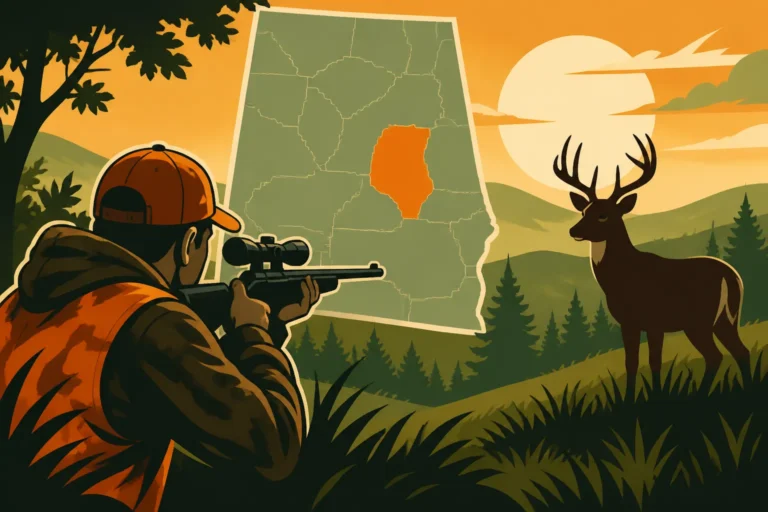
- Blaze Orange Requirements: During gun season for deer, Alabama mandates that hunters wear hunter orange. This typically means a minimum of 144 square inches of solid hunter orange above the waist, or a hunter orange hat, or both. This rule applies to everyone, including archers hunting during gun season. It's a non-negotiable safety measure designed to prevent accidents, and conservation officers enforce it strictly. Make sure you know How Much Blaze Orange Alabama Requires before you step into the woods.
- Legal Hunting Hours: Generally, legal hunting hours for most game animals in Alabama are from 30 minutes before sunrise to 30 minutes after sunset. However, specific WMAs or species might have different regulations, so always double-check.
- Respecting Other Hunters: Public land is for everyone. You'll likely encounter other hunters, especially on weekends. It’s crucial to be respectful: keep noise down, avoid walking in on someone else's setup, and understand that someone else might have beaten you to "your" spot. A friendly wave and a nod go a long long way in avoiding conflict.
- Leave No Trace: Pack out everything you pack in. This includes trash, spent shell casings, and any flagging or markers you used. Public land stays beautiful and accessible when everyone does their part.
- Harvest Reporting: Alabama requires successful deer and turkey hunters to report their harvest via the Game Check system. This can be done online or through the Outdoor Alabama app. This is crucial for game management, and failure to report can result in penalties.
Specific WMA and National Forest Rules
Beyond the general state laws, each WMA and National Forest often has its own set of rules that nonresidents must meticulously follow. These rules are usually posted at WMA entrances, on the Outdoor Alabama website, and sometimes within mapping apps.
- WMA Permits and Sign-In/Out: As mentioned, many WMAs require a separate WMA license in addition to your state hunting license. Furthermore, most WMAs require hunters to check in and out, often through kiosks at access points or via a phone app. This helps the state track hunting pressure and harvest data. Failing to sign in or out can result in a fine. Always read the specific WMA rules before you hunt there.
- Vehicle and ATV Restrictions: National Forests and WMAs often have strict rules about where you can drive vehicles and ATVs. Many roads may be seasonally closed, or restricted to foot traffic only. Always look for signage and consult maps to avoid trespassing into restricted areas or damaging sensitive habitats. Our guide on Vehicle Rules on Alabama Public Land offers more specific insights.
- Treestand and Ground Blind Regulations: On public land, there are typically rules regarding how long a treestand can be left in place, whether it needs to be identified with the hunter's information, and the types of stands allowed. Some areas may prohibit damaging trees with screw-in steps. Ground blinds usually need to be removed daily or adhere to specific material requirements. Familiarize yourself with Treestand Rules on Alabama Public Land before hanging anything.
- Camping Rules: If you plan on camping while hunting, be aware that regulations vary. National Forests generally allow primitive camping in many areas, but often have restrictions on fire, length of stay, and designated campsites. WMAs often have more limited or designated camping areas, if any. Always check the specific rules for the area you intend to hunt. Our guide on Camping Rules on Alabama National Forest Land provides a good starting point.
Planning for Success and Safety
For nonresidents, successful public land hunting in Alabama goes beyond just knowing the rules; it involves thorough planning and prioritizing safety.
- E-Scouting is Your Best Friend: Since you likely can't pre-scout in person, leaning heavily on tools like onX Hunt and GoHunt is paramount. Identify potential bedding areas, food sources, water, and pinch points using satellite imagery. Look for areas away from easy access points, as these often hold less pressured game.
- Physical Conditioning: Alabama's terrain can be surprisingly rugged, especially in the northern national forests. Be prepared for steep climbs, thick underbrush, and long walks, particularly if you're trying to get away from other hunters.
- Emergency Preparedness: Always carry a first-aid kit, enough water, navigation tools (GPS device and a compass with a map), a whistle, and a way to communicate (fully charged phone, satellite messenger if venturing deep). Tell someone where you're going and when you expect to return.
- Weather Awareness: Alabama weather can be unpredictable, especially during hunting season. Expect anything from warm, humid days to sudden cold snaps and heavy rain. Dress in layers and check the forecast frequently.
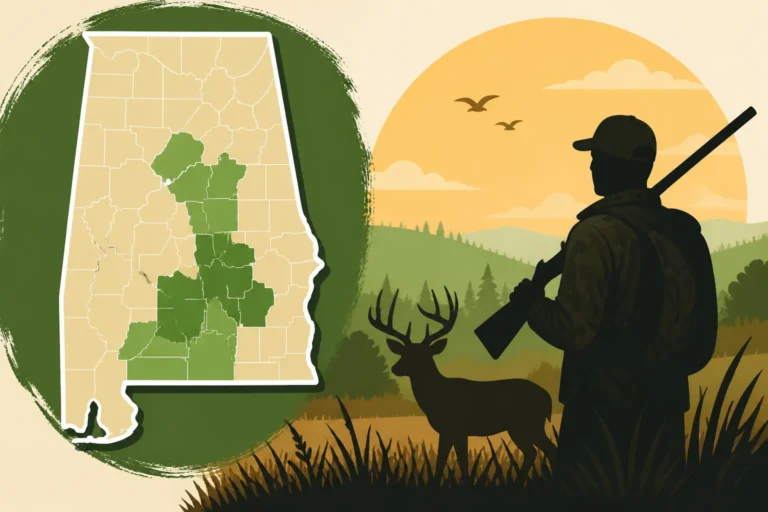
- Chronic Wasting Disease (CWD) Awareness: While Alabama has a relatively low incidence of CWD, it's present in certain counties, particularly in the northwestern part of the state. If you're hunting in or near the CWD Management Zone, understand the mandatory testing requirements and carcass movement restrictions. Always check the latest information on Alabama's Chronic Wasting Disease Management Zone to ensure you comply with current regulations. This is vital for protecting the deer herd and avoiding legal issues.
Hunting Alabama's public lands as a nonresident is an incredible experience, offering opportunities for diverse game in beautiful, wild settings. By doing your homework, understanding the regulations, and being prepared, you can have a safe, successful, and memorable hunt in the Heart of Dixie.
| Public Land Type | General Characteristics | Key Considerations for Nonresidents |
|---|---|---|
| National Forests | Vast acreage, fewer restrictions, primitive camping | More self-sufficient hunt, lower game density in some areas, generally less intense regulations, vehicle access. |
| Wildlife Management Areas | Smaller, intensively managed, higher game potential | Specific WMA license often required, mandatory sign-in/out, unique season dates, quota hunts, diverse habitats. |
Disclaimer
This article is for general informational purposes only and does not constitute professional advice. Laws, prices and regulations vary by location and change over time. Consult a qualified professional for guidance on your specific situation.