Alabama State Park Hunting Rules
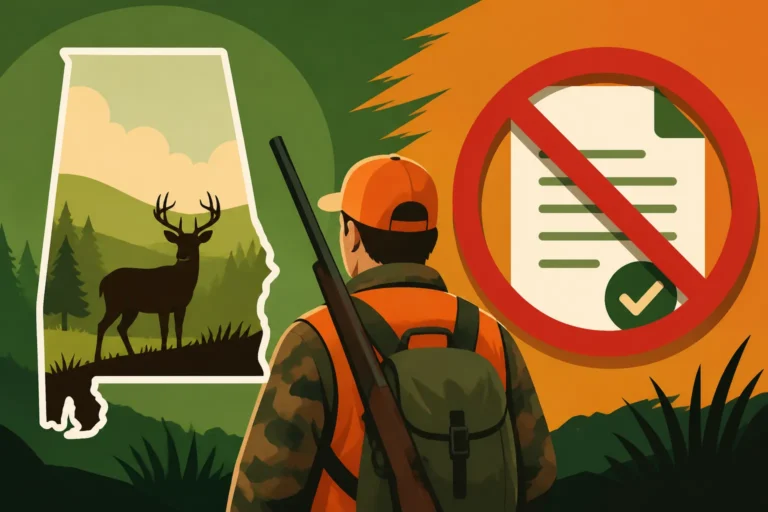
Figuring out where you can hunt in Alabama is already a labyrinth, with different zones, public land types, and private leases. But when you start looking at Alabama State Parks, it can feel like you've hit another wall entirely. Many hunters assume state parks are strictly for recreation like hiking or camping, not hunting, and they often aren't wrong. However, there are some unique, often overlooked opportunities that can be incredibly rewarding if you know the specific rules and how to navigate the system. This guide is here to untangle the complexities of hunting in Alabama's State Parks, helping you understand when, where, and how you might pursue game in these beautiful, sometimes surprising, areas.
Understanding the Landscape of Alabama State Park Hunting
It’s easy to feel a little lost when you first consider hunting in an Alabama State Park. Most folks immediately think of the expansive national forests like Talladega National Forest Hunting or William B. Bankhead National Forest Hunting, or perhaps the network of state-managed Wildlife Management Areas (WMAs). State Parks, by their very nature, are often viewed as havens for picnickers and hikers, places where firearms are generally frowned upon, and wildlife is meant to be observed, not pursued. This perception isn't entirely unfounded; the primary mission of Alabama State Parks is recreation and conservation, which typically means limiting activities that might conflict with other users or the park's natural resources.
However, the reality is a bit more nuanced. While the vast majority of Alabama's 21 State Parks are indeed off-limits to hunting, a select few do offer controlled hunting opportunities, often through special draw hunts or limited access programs. These opportunities are usually driven by wildlife management needs, such as controlling overpopulated deer herds to prevent habitat degradation or reduce disease transmission. When hunting is allowed, it's always under very strict regulations, which often differ significantly from those on general public lands or even WMAs.
Why Some State Parks Allow Hunting
The decision to open certain state parks or specific sections of them to hunting isn't made lightly. It's usually a strategic move by the Alabama Department of Conservation and Natural Resources (ADCNR) to address specific ecological or management challenges. Imagine a state park that's become an island of prime habitat surrounded by developed areas. Deer populations inside that park can explode, leading to overbrowsing of native plants, reduced fawn survival rates due to poor nutrition, and increased risk of vehicle collisions on adjacent roads. In such cases, regulated hunting becomes a crucial tool, not just for hunters, but for the health of the entire ecosystem.
These controlled hunts help maintain a healthy deer herd by keeping numbers in balance with the available forage. They can also provide unique hunting experiences in areas that typically see very little human pressure from hunting, leading to potentially older, larger animals. It's important to recognize that these aren't "free-for-all" seasons; they are meticulously planned, highly regulated events designed to achieve specific wildlife management goals while ensuring public safety and minimizing impact on other park users. This often means very limited quotas, specific hunt dates, and stringent check-in/check-out procedures.
The Types of Hunting Opportunities Available
When hunting is offered in an Alabama State Park, it’s usually in the form of highly controlled, lottery-based quota hunts, primarily for white-tailed deer. These aren't the kind of hunts where you can just show up with your Alabama Hunting Licenses and What They Cost and walk in. Instead, hunters typically apply months in advance, often through the Outdoor Alabama website or a similar portal. The number of permits issued is extremely limited, making these hunts highly coveted.
Beyond deer, you might occasionally find limited opportunities for other species like feral hogs, particularly if they are causing significant damage to park resources. These hog hunts, if offered, would also be under strict control and likely tied to a deer hunt. Turkey hunting is exceedingly rare in state parks, given the focus on minimizing disturbance during the spring breeding season and the often smaller, more fragmented habitat available compared to larger public lands. Small game hunting, such as for squirrels or rabbits, is almost unheard of within state park boundaries, as these activities are generally considered to conflict too much with passive recreational uses. So, while the possibilities are limited, they exist for the dedicated hunter willing to do their homework and apply for specific permits.
Eligibility and Application Processes
So, you're intrigued by the idea of hunting a state park. Great! But before you grab your gear, you need to understand who can hunt, and more importantly, how you even get a chance to participate. This isn't like heading to a WMA where a general license might be enough; state park hunts have their own set of prerequisites and hurdles.
Who Can Hunt Alabama State Parks?
Generally speaking, any properly licensed hunter who meets Alabama's standard hunter education requirements can apply for a state park hunt, whether they are a resident or non-resident. However, "applying" is the key word here. Most state park hunting opportunities are managed through a quota hunt system, meaning only a predetermined, limited number of hunters are allowed access during specific timeframes. This ensures that hunting pressure remains low, wildlife populations are managed sustainably, and conflicts with other park visitors are minimized.
Beyond holding a valid hunting license and any necessary stamps (like a big game license for deer), you'll almost certainly need to have completed an approved Alabama Hunter Education Requirements course. This is standard for most public land hunting in Alabama, but it's particularly emphasized in areas like state parks where safety and adherence to rules are paramount due to the potential for other users in proximity. Age restrictions also apply, consistent with statewide regulations for youth hunters, who may need to participate in Alabama Mentored Youth Hunting Rules programs or be of a certain age for unsupervised hunting. Always double-check the specific hunt details for any additional age or experience requirements.
Navigating the Quota Hunt Application System
Applying for a state park hunt is usually done through an online lottery system managed by the ADCNR. This is where a little patience and persistence come in handy. These hunts are highly popular, and drawing a tag can be challenging, especially for prime dates. The application windows are typically open for a limited time, often in late summer or early fall, with drawings conducted shortly thereafter.
Here’s a general rundown of how it usually works:
- Monitor Announcements: Keep a close eye on the Outdoor Alabama website, especially their "Hunting" and "State Parks" sections. They will announce when applications open for specific state park quota hunts. Sometimes, these announcements might also come through email newsletters if you're subscribed.
- Access the Application Portal: You'll typically log into your Outdoor Alabama account, the same one you use to buy your Alabama Resident Hunting License Options or Alabama Nonresident Hunting License Options and report harvests via Game Check.
- Select Your Hunt: Browse the available quota hunts. State park hunts will be clearly identified. You might have options for specific dates or park areas. Some systems allow you to apply for multiple choices, or prioritize your selections.
- Pay the Application Fee: There's usually a non-refundable application fee. This fee helps cover the administrative costs of running the lottery system.
- Wait for the Draw: Once the application window closes, the ADCNR conducts a random drawing. Successful applicants are usually notified by email or can check their status online.
- Accept Your Permit: If you're drawn, you'll need to formally accept your permit, often within a short timeframe, or it may be forfeited and offered to an alternate.
It’s truly a game of chance, but for those rare opportunities, many hunters find it well worth the effort. Think of it like a specialized version of applying for Alabama WMA Quota Hunt Sign-In Process, but with even fewer slots.
Specific Rules and Regulations for State Park Hunts
Once you've managed to draw a coveted state park hunt permit, the real work begins: understanding and adhering to the incredibly specific rules that govern these unique opportunities. These aren't your typical run-of-the-mill regulations; they're often much tighter than what you'd encounter on general public lands or even most WMAs, designed to ensure safety, minimize impact, and align with the park's broader recreational mission.
Legal Firearms and Equipment Restrictions
One of the first things you'll notice about state park hunts is the often-stringent restrictions on legal firearms. Unlike many parts of Alabama where a wide array of Alabama Legal Firearms for Deer Hunting are permissible, state park hunts frequently limit hunters to archery equipment, muzzleloaders, or shotguns with slugs. High-powered centerfire rifles are very rarely, if ever, allowed, primarily due to safety concerns given the potential proximity of other park users (even if designated areas are closed to them during hunts) and the typically smaller footprint of huntable areas compared to vast national forests.
For archery, this means traditional bows, compound bows, and crossbows are usually fair game, assuming they meet statewide minimum draw weight and bolt/arrow length requirements. Be sure to check Crossbow Rules During Alabama Archery Season for any specifics. If muzzleloaders are allowed, you'll need to confirm the legal calibers and projectile types. For shotguns, slugs are almost always the only permissible projectile, not buckshot, again for safety and range considerations. Always refer to your specific hunt permit and the park's detailed rules, as equipment lists can vary. Don't assume anything; what's legal on a WMA might not be in a state park.
Season Dates, Bag Limits, and Reporting
The hunting season dates in state parks are not aligned with general statewide seasons or even WMA seasons. Instead, they are very specific to each quota hunt. You'll only be allowed to hunt on the exact dates specified on your permit, typically a short window, often a few days or a weekend. These dates are meticulously chosen to avoid peak park visitation periods and to target specific wildlife management objectives.
Bag limits will also be unique to the state park hunt and might differ from the standard Alabama Deer Season Structure Explained or even Alabama's Three-Buck Season Limit. For instance, a state park hunt might be "antlerless-only" to reduce doe numbers, or it might allow a single antlered deer regardless of points, or perhaps an "either-sex" opportunity. The objective is precise herd management. Critically, all harvested game, just like on any other land type in Alabama, must be reported through the Game Check system. You'll need to report your deer promptly, usually within 48 hours, through the Outdoor Alabama app or website. For more details, see Reporting a Deer Through Game Check. Failure to report your harvest is a serious violation.
Another unique aspect often found in state park hunts involves checking in and out. Unlike many public lands where you just show up and hunt, state park hunts frequently require mandatory check-in at a designated location each morning and check-out each evening. This allows park staff to monitor hunter numbers, ensure safety, and collect biological data on harvested animals. You might also have specific instructions regarding how to transport harvested game out of the park, perhaps requiring it to be covered or field dressed at a designated station.
Finding and Accessing Huntable State Park Areas
Even if you've successfully drawn a state park hunt permit, the next hurdle is actually figuring out where you're allowed to go and how to get there. State parks are designed with various zones for different activities, and huntable areas are often carefully delineated.
Utilizing Maps and Online Resources
Your first and best resource for understanding the huntable boundaries within a state park will be the information provided by the ADCNR when you receive your hunt permit. This will typically include a detailed map, often with GPS coordinates, showing the precise areas open to hunting and any off-limits zones. It's crucial to study these maps thoroughly before you even set foot in the park.
Beyond the official materials, digital mapping tools are invaluable. onX Hunt is a fantastic resource that can layer public land boundaries, parcel lines, and even aerial imagery directly onto your phone or GPS device. This can help you identify specific features within the huntable zone, pinpoint potential stand locations, and ensure you stay within legal boundaries. Similarly, platforms like GoHunt often provide tools and information that can assist with planning these unique hunts. Always cross-reference any third-party maps with the official park maps to avoid any discrepancies. Using the Outdoor Alabama Map Tool is another excellent way to get familiar with public land boundaries across the state, and some state park details might be included there.
Access Points and Designated Areas
State park hunts often have very specific access points. You won't just be able to park anywhere and walk in. There will typically be designated parking areas, and you may even be required to sign in and out at a specific kiosk or park office each day of your hunt. These controlled access points are put in place to manage hunter traffic, prevent unauthorized entry into non-hunting areas, and ensure hunter safety.
It's also important to understand that even within a "huntable" state park, there might be significant portions designated as non-hunting zones. These could be high-traffic recreational areas, sensitive ecological sites, or safety buffer zones around residential areas bordering the park. Respecting these boundaries is not just a matter of legality but also of courtesy to other park users and vital for maintaining future hunting opportunities. Always assume that if an area isn't explicitly marked as huntable, it's off-limits. Never trespass into non-hunting zones, even accidentally. Being prepared with a reliable GPS and having the hunt boundary loaded is essential.
State Parks Versus Other Public Lands
When considering hunting opportunities in Alabama, it's natural to compare state parks to the more widely known public land options like Wildlife Management Areas (WMAs) and National Forests. Each offers a distinct experience, with its own set of advantages and challenges. Understanding these differences can help you decide if a state park hunt is the right fit for your hunting style and goals.
The Trade-offs: Pros and Cons
Hunting in an Alabama State Park, while rare, presents a unique blend of pros and cons that sets it apart:
Pros:
- Lower Hunting Pressure: Because of the quota system and limited access, state park huntable areas often see significantly less hunting pressure compared to many WMAs or easily accessible national forest lands. This can lead to more relaxed animals and a higher chance of encountering mature deer. For instance, while some Opening Weekend Crowds in Zone A can be intense on WMAs, a state park hunt will usually feel much more solitary.
- Potential for Quality Animals: With less pressure and often robust habitat, state parks can hold some impressive deer. If managed primarily for herd health through selective harvest, you might find older age-class bucks or a healthy number of does.
- Unique Experience: Hunting in an area primarily known for recreation can be an interesting experience, offering different terrain and wildlife behaviors than you might find elsewhere.
- Strictly Controlled Environment: The high level of oversight from park staff means clearer rules, better enforcement, and generally a very safe and organized hunting environment.
Cons:
- Extremely Limited Opportunities: This is the biggest drawback. State park hunts are few and far between, and drawing a permit is tough due to low quotas and high demand. You can't rely on state parks as your primary hunting ground.
- Highly Restrictive Rules: As discussed, weapon restrictions, specific season dates, check-in/check-out requirements, and rigid bag limits are common. This can be frustrating for hunters accustomed to more flexibility.
- Smaller Huntable Areas: Even when hunting is allowed, the designated areas within a state park are often smaller than those found in Alabama Wildlife Management Areas or vast national forests like Conecuh National Forest Hunting. This means less ground to cover and potentially more concentrated hunting if all permitted hunters show up.
- Potential for Non-Hunter Encounters: While huntable areas are typically closed to other users during hunts, the nature of a state park means you might still be in closer proximity to hiking trails, campgrounds, or park facilities than you would in remote national forest blocks.
- Lack of Flexibility: You're locked into specific dates, weapons, and harvest goals. There's no room for improvisation if conditions change.
How State Park Management Differs
The management philosophy behind state park hunts is fundamentally different from other public lands. WMAs, for example, are specifically acquired and managed for wildlife and hunting. While they also balance other recreational uses, hunting is a core mission. National Forests, while offering significant hunting opportunities, also prioritize timber production, recreation, and wilderness preservation.
State Parks, on the other hand, have a primary focus on recreation, conservation of natural and cultural resources, and public enjoyment. Hunting, when it occurs, is usually a specific wildlife management tool rather than a primary recreational offering. This means decisions about hunting are often driven by biological needs (e.g., deer population control) rather than maximizing hunter opportunity. The rules are designed to integrate hunting into a multi-use environment, which leads to the stricter controls mentioned earlier. This holistic approach means park staff will be very involved, not just issuing permits, but actively monitoring the hunt and often collecting biological data from harvested animals.
| Feature | Alabama State Parks (Huntable Areas) | Alabama Wildlife Management Areas (WMAs) | Alabama National Forests |
|---|---|---|---|
| Primary Mission | Recreation, Conservation, then Wildlife Management | Wildlife Management, Hunter Opportunity | Multi-use: Timber, Recreation, Wilderness, Wildlife |
| Hunting Opportunity | Very limited, quota-based draw hunts | General access, specific WMA rules & permits | General access, broader state rules apply |
| Hunting Pressure | Typically very low due to quotas | Moderate to high, especially on popular WMAs | Varies greatly by area, low in remote spots |
| Weapon Restrictions | Often strict (archery, muzzleloader, shotgun slugs) | Varies by WMA, often more diverse than SPs | Generally follows statewide regulations |
| Season Dates | Highly specific to individual hunts | Specific WMA seasons, often differ from statewide | Generally follows statewide seasons by zone |
| Bag Limits | Specific to individual hunts | Specific WMA limits, may differ from statewide | Generally follows statewide limits by zone |
| Check-In/Out | Often mandatory daily | Required for some WMAs, usually one-time/seasonal | Not typically required |
| Size of Huntable Area | Usually smaller, designated zones | Medium to large, distinct boundaries | Very large, expansive tracts |
| Permit Cost | Application fee + license | License + WMA permit | License only |
| Non-Hunter Encounters | Possible, even with closures | Less likely than SPs, but can happen near trails | Possible, but generally lower density |
Tips for a Successful State Park Hunt
So, you've beaten the odds, drawn a permit, and you're ready to head into an Alabama State Park for a hunt. This isn't your everyday public land experience, and a different approach can greatly increase your chances of success and ensure you have an enjoyable, compliant hunt.
Pre-Season Scouting and Planning
Even with limited access, pre-season scouting is absolutely critical for a state park hunt. Since these areas are often smaller and more confined than typical public lands, understanding every nook and cranny can give you a significant advantage. Start by poring over those official maps you received with your permit, looking for natural funnels, pinch points, and potential bedding areas. Use your digital mapping tools like onX Hunt to identify terrain features, water sources, and cover types. Look for changes in elevation, old logging roads that might serve as deer travel corridors, or dense thickets where deer might hide.
Because human activity is generally high in state parks, even outside hunting season, deer in these areas can become highly nocturnal or adjust their patterns to avoid people. Scouting should focus on finding subtle signs: rubs and scrapes from the previous year, faint trails leading to hidden food sources, or tracks along creek bottoms. Pay attention to how deer might move between feeding and bedding areas within the huntable zones, considering any non-hunting areas as potential sanctuaries. You might also want to consult resources like Scouting Alabama Public Land Before Season for general tips, but remember to apply them with a state park context in mind. Look for signs of late-season food sources for Alabama whitetails or even Late-Season Food Sources for Alabama Whitetails if your hunt falls later in the year.
Respecting Boundaries and Other Users
This cannot be stressed enough: strict adherence to boundaries and a deep respect for other park users is paramount. Even if a specific section is designated for hunting, the park as a whole is still a public space, and many visitors may not be accustomed to hunters. Your behavior directly impacts the future of hunting opportunities in state parks.
- Know Your Boundaries: Use your GPS with the hunt boundary loaded. Do not cross into non-hunting zones, even for tracking wounded game without explicit permission from park staff. This might require contacting them before you even start tracking.
- Be Visible: Wear appropriate blaze orange or blaze pink, even if it's not legally required for your specific hunt (though it often is for gun hunts). This enhances safety and makes other users (if any are present nearby) aware of your presence. Check How Much Blaze Orange Alabama Requires for general guidelines.
- Minimize Impact: Leave no trace. Pack out everything you pack in. Be mindful of your noise levels. If you encounter a non-hunter, be polite and courteous. Remember, you are an ambassador for all hunters.
- Communicate with Park Staff: Park staff are your allies. They know the area intimately, can provide valuable insights, and are there to ensure a safe and successful hunt for everyone. Don't hesitate to ask questions or report any issues.
- Stand Placement: While Treestand Setups in Talladega National Forest might focus on large timber, in a state park, consider stand placement carefully, ensuring safe shooting lanes that are well away from trails or roads, and adhering to any specific rules about tree stands. Some parks may not allow screw-in steps or permanent stands.
These hunts offer a unique challenge and a chance to experience Alabama's natural beauty in a different light. Approaching them with diligent preparation, a deep respect for the rules, and a commitment to ethical hunting will make for a memorable experience.
Disclaimer
This article is for general informational purposes only and does not constitute professional advice. Laws, prices and regulations vary by location and change over time. Consult a qualified professional for guidance on your specific situation.