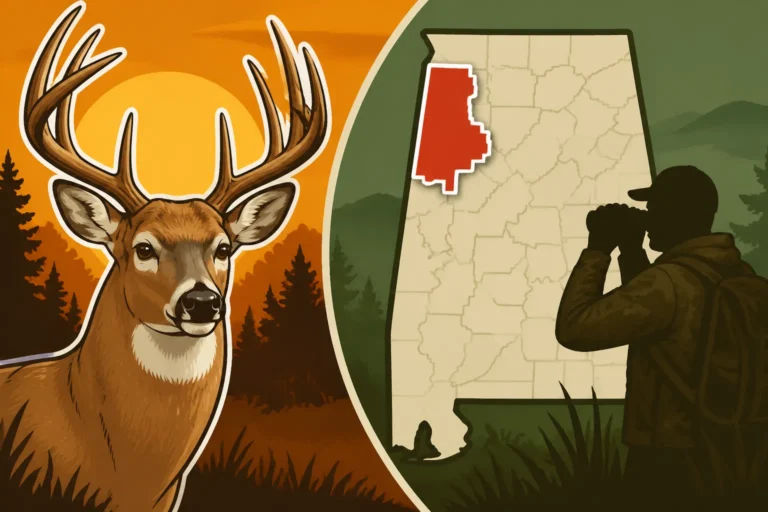
Choccolocco Wildlife Management Area
There's nothing quite like the freedom and challenge of hunting public land in Alabama, but finding the right spot that offers genuine opportunity can feel like searching for a needle in a haystack. Many hunters get overwhelmed by the sheer size or discouraged by the perceived pressure. This guide is dedicated to helping you unlock the potential of the Choccolocco Wildlife Management Area (WMA), a diverse and rewarding tract in east-central Alabama, by exploring its unique features, game populations, regulations, and proven strategies for success.
Understanding Choccolocco Wildlife Management Area
Choccolocco WMA isn't just another patch of woods; it's a significant chunk of public hunting ground that presents both challenges and incredible rewards. Located largely within the boundaries of the Talladega National Forest, it offers a varied landscape that appeals to different hunting styles and targets a wide array of game. Many hunters, especially those new to public land, might drive right past its entrances, not realizing the deep woods and winding hollows that hold so much potential.
Where is Choccolocco WMA Located?
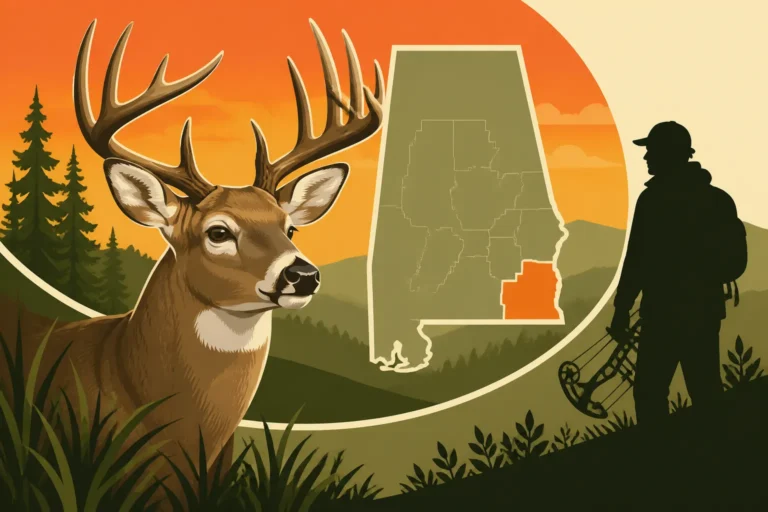
The Choccolocco WMA is primarily situated in Talladega County, with portions spilling into Clay and Cleburne counties, placing it firmly in the central-eastern part of Alabama's Piedmont region. Its proximity to major thoroughfares like US-78 and Interstate 20 makes it surprisingly accessible, yet once you venture off the main roads, you can quickly find yourself deep in rugged, isolated terrain. Think about a drive from Anniston or Oxford; you're not far at all from some serious wilderness. This accessibility is a double-edged sword: it means it's easy to get to, but it also means it can draw a crowd, especially during peak season weekends. Knowing the layout and key access points, and being willing to put in a little extra legwork, becomes paramount to finding those hidden gems. The WMA covers a substantial area, often blending seamlessly with the surrounding Talladega National Forest, which can be a bit confusing for those not using detailed mapping tools like onX Hunt.
Brief History and Management of Choccolocco
The Choccolocco WMA, like many WMAs in Alabama, represents a cooperative effort between the Alabama Department of Conservation and Natural Resources (ADCNR) and the U.S. Forest Service. This collaboration is designed to manage the land for multiple uses, with a strong emphasis on wildlife conservation and public recreation, including hunting. The history of this land involves timber production, which means you'll find a mix of mature hardwood forests and various stages of pine plantations, from young, dense thickets to older, thinned stands. These different age classes of timber are intentionally managed to create diverse habitat for various game species. For instance, younger clear-cuts, once grown out a bit, provide excellent bedding and browse for deer, while mature hardwoods offer crucial mast crops. ADCNR staff work tirelessly on habitat improvements, including prescribed burns and establishing supplemental food plots, to enhance the carrying capacity for game. This continuous management means the WMA isn't static; conditions change from year to year, which is why Scouting Alabama Public Land Before Season is so vital for staying on top of current conditions.
Diverse Habitats and Challenging Terrain
Choccolocco WMA's landscape is a mosaic of different habitats, shaped by its location in the Appalachian foothills. This isn't flat, easy walking land; expect rolling hills, steep ridges, and deeply cut creek bottoms. This varied topography is precisely what makes it such excellent hunting grounds, as it provides diverse cover, food sources, and travel corridors for wildlife.
Forest Types and Topography
The Choccolocco WMA encompasses a fantastic mix of forest types that cater to a variety of game. You'll encounter extensive tracts of pine plantations, particularly loblolly and shortleaf pine, managed at different growth stages. These can range from dense, impenetrable young stands that offer incredible bedding and thermal cover, to older, thinned pine stands with more open understories where deer can be found browsing or transitioning between areas. Interspersed among these pines, and particularly prevalent in the valleys and along drainages, are mature hardwood bottoms. These areas are characterized by oaks, hickories, and other mast-producing trees, which are magnets for deer and turkeys, especially during the fall and early winter when acorns are dropping.
The topography is distinctly Appalachian Piedmont, meaning you'll navigate a series of rolling hills and steep, rugged ridges with deep hollows and draws between them. Elevations can vary significantly, requiring a good pair of boots and a willingness to climb. These elevation changes create natural funnels and pinch points that are excellent for ambushing deer, and the ridges often serve as travel corridors or vantage points for turkeys. Understanding how Reading Aerial Photos for Piedmont Deer can reveal these subtle terrain features is a game-changer for effective scouting.
Water Sources and Food Plots
Water is rarely an issue in Choccolocco WMA, with numerous creeks, branches, and springs crisscrossing the landscape. These water sources are vital for all wildlife, serving as hydration points, travel corridors, and often concentrating game activity. During drier periods, identifying perennial water sources can give you a significant advantage, as animals will naturally gravitate towards them. Hunters often find excellent sign along these drainages, especially during the rut.
Beyond natural food sources like acorns, persimmons, and various berries, the ADCNR maintains a network of managed food plots throughout the WMA. These plots are typically planted with cool-season annuals like clover, wheat, or oats, providing supplemental forage for deer and turkeys when natural browse may be scarce. These plots can be highly effective, drawing animals out into more open areas, particularly during the late season or after a hard frost. However, it's crucial to remember that these plots can also become high-pressure areas. Smart hunters often focus on the transition zones and natural cover surrounding these plots rather than hunting directly over them, especially during daylight hours. Accessing detailed maps, like those found on the Outdoor Alabama app or onX Hunt, can help identify the locations of these managed plots and plan your approach.
Prime Game Species and Hunting Opportunities
Choccolocco WMA is renowned for its diverse game populations, offering exciting hunts for multiple species throughout the season. Whether you're chasing whitetails, calling in spring gobblers, or pursuing small game, there's a good chance for success if you put in the effort.
Deer Hunting Potential
White-tailed deer are the primary draw for many hunters in Choccolocco WMA. The WMA's varied habitat—from dense pine thickets offering secure bedding to hardwood bottoms loaded with acorns—provides an excellent environment for deer. While it's public land, and deer might not reach the Boone and Crockett scores seen on highly managed private land in the Black Belt, Choccolocco consistently produces solid bucks and offers ample opportunity for antlerless harvest. Deer densities are generally healthy, and hunters who are willing to hike into more remote areas often find less pressured animals.
The deer season structure here generally follows the statewide regulations for this zone, but always double-check the specific WMA dates and weapon requirements in the latest ADCNR hunting digest. Bowhunting is often an excellent option, as it allows for quiet, stealthy movement into deeper cover and offers opportunities earlier in the season. Bowhunting Alabama's Long Archery Season provides a window for hunters to get out before gun season. During gun season, deer drives can be effective in some areas, particularly in connecting blocks of cover, but solo still-hunting or stand hunting along known travel routes, especially in creek bottoms or on ridge saddles, can also be very productive. Paying attention to wind direction and thermals, especially in the hilly terrain, is critical for success.
Turkey Hunting Prospects
Choccolocco WMA is widely considered one of Alabama's premier public land destinations for wild turkeys. The mix of mature hardwoods, thinned pines, and open food plots creates ideal turkey habitat, supporting a healthy population of Eastern wild turkeys. If you're looking for a challenging but rewarding spring turkey hunt, Choccolocco should definitely be on your radar. Many hunters specifically target Choccolocco WMA Turkey Hunting Access due to its reputation.
Spring turkey season is a big deal here. Hunters often find success roosting birds the evening before, then setting up strategically for a morning fly-down call-in. The rolling terrain means that understanding how sound travels and where gobblers prefer to pitch down from the roost is essential. Aggressive run-and-gun tactics can also work, especially later in the morning or when birds become henned up. Scouting for fresh sign like tracks, droppings, and strut marks before the season opens will significantly increase your odds. Just remember to be patient, persistent, and respectful of other hunters, especially in high-traffic areas. The thrill of an Alabama gobbler sounding off on a Choccolocco ridge is truly something special.
Small Game and Other Species
While deer and turkey hog the spotlight, Choccolocco WMA also provides excellent opportunities for small game hunters. Squirrels are abundant, particularly in the hardwood bottoms and along creek drainages where oaks and hickories provide ample food. Squirrel hunting can be a great way to introduce new hunters to the woods or simply enjoy a quiet day afield during the off-peak deer and turkey seasons. Squirrel and Small Game Hunting in Alabama covers specific tactics.
Rabbit hunting is also popular, especially in areas with dense briar thickets, overgrown clear-cuts, and fencerows. These areas provide the perfect cover for cottontails, and running beagles can be incredibly effective and exciting. Furthermore, feral hogs are present in Choccolocco WMA and can be hunted year-round without a bag limit during daylight hours on private land, and during established WMA seasons on public land (always check specific WMA rules). These intelligent, destructive animals offer a challenging hunt and provide excellent table fare. Hunters interested in hogs should focus on rooting activity, wallows, and trails near water sources.
Navigating Regulations and Access
Hunting any WMA comes with a specific set of rules that go beyond statewide regulations. Understanding these rules is not just about avoiding a ticket; it's about ensuring a safe, fair, and sustainable hunting experience for everyone. Choccolocco WMA is no exception, and a little homework beforehand can save a lot of headaches in the field.
Permit Requirements and Check-In
To hunt on Choccolocco WMA, you'll need more than just your standard Alabama hunting license. All hunters, regardless of age or residency, must possess a valid WMA license in addition to their regular hunting license. This WMA license is typically purchased annually and helps fund the management and maintenance of these public hunting areas. It's a small investment that goes a long way in preserving these opportunities. You can often purchase this license online through the Outdoor Alabama website or at various license vendors. Alabama WMA Permit Requirement details the ins and outs of this process.
Furthermore, many WMAs, including Choccolocco, require hunters to check in and out, often through a self-service kiosk system at designated access points or increasingly, through an online check-in system accessible via a smartphone. This system helps ADCNR gather valuable data on hunter pressure and harvest, which informs future management decisions. Always confirm the specific check-in procedure for Choccolocco WMA before your hunt, as failing to comply can result in fines. Make sure your Game Check app is working and you know how to report your harvest promptly.
Vehicle and Camping Regulations
Accessing the deeper parts of Choccolocco WMA often involves driving on unpaved Forest Service roads. It's critical to understand the rules regarding vehicle use. Generally, vehicles are restricted to designated roads and parking areas. Off-road vehicle use, including ATVs, is typically prohibited unless specifically marked for access to certain areas during certain seasons (e.g., for game retrieval). These rules are in place to protect the habitat, prevent erosion, and maintain the tranquility of the forest for all users. Always look for signage at WMA entrances or consult the WMA map for specific vehicle restrictions.
For those who prefer to immerse themselves fully in the hunting experience, primitive camping is often allowed in designated areas within the WMA, as well as general dispersed camping within the Talladega National Forest boundaries. However, there are usually specific guidelines regarding campsite location, fire restrictions, and leaving no trace. Never camp within close proximity to a food plot or known game trail, and always pack out everything you pack in. While there may not be developed campgrounds with amenities, the opportunity for a rustic hunt camp adds an extra layer of adventure. Familiarize yourself with Camping Rules on Alabama National Forest Land to ensure a legal and responsible overnight stay.
Special Season Dates and Restrictions
One of the most important aspects of hunting Choccolocco WMA is recognizing that its seasons and bag limits can differ significantly from the statewide general seasons. WMAs often have specific opening and closing dates, shorter seasons, or different weapon restrictions designed to manage pressure and ensure healthy game populations. For example, some WMAs might have "archery only" periods, specific youth hunts, or limited gun hunts on certain dates. Always consult the official Alabama Hunting & Fishing Digest, specifically the section for Choccolocco WMA, before planning your trip.
The digest will also detail any specific harvest restrictions, such as antler point restrictions (APRs) for bucks or different antlerless bag limits than the surrounding counties. Weapon legalities can also vary; some WMAs might restrict certain firearms or ammunition types. Pay close attention to these details. For instance, Alabama's Gun Deer Season by Zone generally outlines periods, but Choccolocco will have its own overlay of specific dates and weapon choices. Ignoring these WMA-specific rules is not only illegal but can disrupt the careful management strategies in place. A quick check of the Outdoor Alabama app or website can clarify any doubts right up to the last minute.
Strategic Planning for Your Choccolocco Hunt
Success in a WMA like Choccolocco rarely comes by accident. It's the result of diligent planning, thorough scouting, and being prepared for the conditions you'll encounter. Treat it like a military operation, with reconnaissance and logistical prep being just as important as the hunt itself.
Scouting Strategies and Tools
Pre-season scouting is arguably the most crucial step for a successful hunt in Choccolocco WMA. This means hitting the woods long before opening day, looking for signs of deer and turkey activity. Focus on identifying natural food sources like oak flats with heavy acorn drops, persimmon trees, and browse lines. Look for fresh deer tracks, rub lines, scrape lines, and bedding areas in thick cover. For turkeys, seek out roosting trees (often tall pines or hardwoods near water), dusting bowls, and strut zones in more open areas. The varied terrain means paying attention to how game animals use contours, ridges, and creek bottoms for travel.
Modern mapping tools are invaluable for WMA scouting. Applications like onX Hunt are game-changers, allowing you to view detailed aerial imagery, topographical maps, and public land boundaries right on your phone. You can mark potential stand sites, food sources, bedding areas, and travel corridors, even creating waypoints for quiet entry and exit routes. This is far superior to relying on outdated paper maps. Using these tools to analyze terrain, identify hidden pockets of habitat, and avoid areas of high human traffic (like popular trailheads or easily accessible spots) will give you a significant advantage. Even if you can't be on the ground, virtual scouting using aerial imagery can narrow down your focus dramatically. Scouting With the Outdoor Alabama App is another excellent resource for specific WMA information.
Essential Gear for Choccolocco
Given the rugged terrain and often unpredictable weather in central Alabama, proper gear is non-negotiable for a Choccolocco hunt. First and foremost, invest in comfortable, durable, and waterproof hiking boots with good ankle support. You'll be doing a lot of walking, often on uneven ground. Layered clothing is also critical; mornings can be chilly, but midday temperatures can climb quickly, especially during the early archery or late turkey seasons. Consider moisture-wicking base layers and a good waterproof outer shell.
Beyond clothing and footwear, a reliable backpack stocked with essentials is a must. This should include a first-aid kit, plenty of water (hydration is paramount), high-energy snacks, a headlamp or flashlight, a compass and/or GPS device (even if you're using a phone app, a backup is smart), and rain gear. For hunters using treestands, a safety harness is absolutely vital. If you're turkey hunting, a comfortable vest with a good seat pad and plenty of pockets for calls is key. Remember, you're often miles from your vehicle, so be self-sufficient. Don't forget your WMA permit, hunting license, and a fully charged phone (and maybe a portable charger) for mapping and game reporting.
Maximizing Your Success on Choccolocco
Hunting public land is a grind, but the satisfaction of earning an animal from a place like Choccolocco is unparalleled. To truly maximize your chances, you need to think beyond the obvious and leverage the WMA's unique characteristics.
Dealing with Hunting Pressure
Public land, by its very nature, means you're going to encounter other hunters. Choccolocco WMA, being popular and accessible, can see significant pressure, especially on weekends and during opening days. The key to success is to anticipate and adapt to this pressure. Most hunters won't venture too far from easily accessible roads or parking areas. This means your best bet for finding less pressured game is often to out-walk the competition. Be prepared to hike a mile or more into the WMA; often, just a few hundred yards off the beaten path can make a world of difference.
Consider hunting during weekdays if your schedule allows, or targeting areas that require more difficult access, like crossing a steep ridge or navigating a dense creek bottom. Hunters moving through the woods, even without realizing it, can push deer and turkeys into these overlooked sanctuaries. Knowing Finding Ground Others Walk Past is crucial. Another strategy is to embrace the pressure—sometimes, other hunters pushing game can send animals directly past your stand if you've set up on a good escape route or travel corridor. Pay attention to parking areas and listen for distant shots or calls to get a sense of where other hunters might be.
Finding Untouched Areas and Optimal Strategies
The vastness of Choccolocco WMA means there are always pockets of untouched or under-pressured habitat, even if they're difficult to reach. Focus on identifying these areas during your scouting. Look for dense bedding cover, remote feeding areas, or deep draws that are too steep or tangled for most hunters to bother with. These are often where mature bucks will retreat during periods of high pressure. Using topo maps in conjunction with aerial imagery on an app like onX Hunt can help you visualize these challenging but rewarding zones.
For deer, understanding how Wind and Thermals on a Piedmont Ridge affect scent dispersal in hilly terrain is critical. Set your stands to take advantage of prevailing winds, and understand how rising thermals in the morning and falling thermals in the evening will carry your scent. In the early season, focus on food sources like soft mast and early acorn drops. As the season progresses, shift your attention to hard mast, especially white oaks, and then to managed food plots or late-season browse. During the rut, concentrate on traditional travel corridors, pinch points, and areas with fresh rub and scrape activity. For turkeys, early morning roost sites are prime, but later in the day, look for birds in open areas like clear-cuts, old logging roads, or food plots, especially if they've gone quiet in the timber.
Seasonal Considerations
Hunting Choccolocco WMA effectively means understanding the seasonal nuances.
During the early archery season, deer are still largely on summer patterns, often focused on abundant natural forage. This can be a great time to target bucks around preferred food sources before they become too pressured. The weather can still be quite warm, so consider scent control and hydration.
As gun season approaches and progresses, deer patterns shift. The rut in this part of Alabama typically peaks in late December or early January, which is a fantastic time to be in the woods, as bucks are actively seeking does and are more vulnerable to calls and decoys. Later in the season, after significant hunting pressure, deer become more nocturnal and secretive. Focus on dense cover, secondary food sources, and quiet, remote areas where other hunters haven't ventured. Food plots become more attractive as natural food dwindles.
Spring turkey season is a whole different ballgame. Early in the season, gobblers are often still grouped up and very vocal. As the season progresses and hens start nesting, gobblers can become harder to call in as they may be henned up or more wary. Being adaptable with your calling and willing to move and locate different birds is key. Understanding the specific Alabama Spring Turkey Zones and Dates will help with planning. Each season offers unique challenges and opportunities, and being prepared for them will significantly increase your chances of success.
| Game Species | Primary Habitat | Peak Activity Periods | Recommended Hunting Methods |
|---|---|---|---|
| White-tailed Deer | Hardwood bottoms, pine thickets, clear-cut edges | Fall (rut in late Dec-early Jan) | Archery, Still-hunting, Stand hunting, Drives |
| Wild Turkey | Ridge tops, hardwood bottoms, open fields | Spring (March-May) | Calling, Roost hunting, Run-and-gun |
| Feral Hog | Creek bottoms, dense cover, rooting areas | Year-round (daylight) | Spot & stalk, Baiting (where legal), Stand hunting |
| Squirrel | Oak/Hickory forests, creek drainages | Fall-Winter | Spot & stalk, Still-hunting, Small caliber rifle/shotgun |
| Rabbit | Briar patches, thickets, fencerows | Fall-Winter | Dog drives, Beagles, Still-hunting |
Disclaimer
This article is for general informational purposes only and does not constitute professional advice. Laws, prices and regulations vary by location and change over time. Consult a qualified professional for guidance on your specific situation.