Hunting the Alabama Gulf Coast
The Alabama Gulf Coast might not be the first place most hunters think of when planning a trip to the Yellowhammer State, often overshadowed by the rolling hills of the Black Belt or the mountainous regions up north. But let me tell you, dismissing this unique landscape would be a huge mistake. Hunting here comes with its own set of challenges, from navigating vast river deltas to battling humidity and bugs, but it also offers incredibly rewarding experiences and some truly wild game. This guide will walk you through what to expect, where to go, and how to prepare for an unforgettable hunt in Alabama's coastal wilderness.
Understanding the Unique Coastal Ecosystem
Hunting the Alabama Gulf Coast isn't like hunting anywhere else in the state. Forget wide-open fields or easily accessible hardwood ridges; here, the landscape is defined by water, dense vegetation, and a climate that keeps you on your toes.
The Mobile-Tensaw Delta's Influence
At the heart of Alabama's coastal hunting scene is the Mobile-Tensaw Delta, a sprawling, intricate network of rivers, bayous, sloughs, and cypress-tupelo swamps. This vast wetland system, one of the largest in the United States, empties into Mobile Bay and eventually the Gulf. It's an ecological powerhouse, teeming with life, but it presents a formidable challenge for hunters. Access is almost exclusively by boat, and once you're in, the sheer scale and labyrinthine nature of the waterways can be disorienting. You're not just looking for a deer in the woods; you're navigating a dynamic, flood-prone environment where the land and water are constantly intertwining. Understanding the ebb and flow of the tides, the impact of heavy rains on river levels, and how these factors push and pull game animals is absolutely crucial here.
Coastal Forests, Swamps, and Marshes
Beyond the main channels of the Delta, the coastal region encompasses a mosaic of distinct habitats. You'll find ancient cypress and tupelo swamps, where the water is often black and still, and the trees stand like sentinels draped in Spanish moss. Further inland, sandy uplands support longleaf pine forests, offering a completely different hunting experience. Then there are the expansive brackish marshes closer to the bay, where salt-tolerant grasses create vast open areas that transition into dense thickets. Each of these zones holds different game and demands different tactics. The thick cover in these swamps and dense pine regrowth makes for incredibly challenging hunting. Animals can seemingly vanish into thin air, and tracking can be a nightmare in the soft, mucky ground or dense pine straw. It's a land of hidden pockets and secret sanctuaries for wildlife, requiring a keen eye and a patient approach.
Climate and Weather Challenges
Let's be real: hunting on the Gulf Coast means dealing with heat and humidity for a good portion of the season. Early archery hunts can feel more like a sauna session than a stealthy pursuit. These conditions impact not just hunter comfort but also scent control and how long you can safely sit on a stand. Beyond the heat, the coast is susceptible to sudden, intense thunderstorms, and of course, the ever-present threat of tropical systems and hurricanes. These weather events can drastically alter the landscape, cause widespread flooding, and even force temporary closures of hunting areas. And we can't forget the insects! Mosquitoes, gnats, and various biting flies are a constant companion, especially in the damper areas. Preparing for these conditions with appropriate clothing, rain gear, and robust insect protection isn't just a recommendation; it's a necessity for survival and success.
Key Game Species of the Alabama Gulf Coast
While deer are often the primary target, the Alabama Gulf Coast offers a surprising diversity of game, each requiring its own strategy and understanding of the local environment.
Deer Hunting in Coastal River Swamps and Pine Flats
Whitetail deer are abundant along the Alabama Gulf Coast, though they often present a different challenge than their counterparts in other parts of the state. Many of the bucks harvested here might not boast the massive racks found in the Black Belt, but what they lack in antler size, they make up for in resilience and an incredible ability to navigate dense, unforgiving terrain. Coastal deer often have darker coats, a natural adaptation to the shaded, humid environment. They thrive in the river bottom swamps, using the thick cover for bedding and the slightly higher ground of pine islands for foraging. You'll find them traveling along natural drainage lines, feeding on the plentiful mast crops like acorns (when available) and various browse plants. Hunting these deer often means still-hunting through knee-deep water, waiting patiently in a cypress break, or setting up on a subtle rise in the endless flats. Hunting Coastal Alabama River Swamps dives deeper into specific tactics for these areas.
Waterfowl Opportunities in the Delta and Bayous
For many, the real draw of the Alabama Gulf Coast, particularly the Mobile-Tensaw Delta, is the incredible waterfowl hunting. Positioned along the Mississippi Flyway, this region sees a significant influx of ducks and geese during the colder months. Wood ducks are plentiful, often found in the shallower, wooded sloughs and beaver ponds. Mallards, gadwall, teal, and pintails also use the vast open water and marshy areas, along with various diving ducks. Hunting here can range from jump-shooting woodies out of a winding bayou to setting up elaborate decoy spreads in flooded timber or open marsh. The sheer expanse of the Delta offers countless hidden pockets and flight lanes, making scouting absolutely essential. Understanding the specific feeding habits and preferred resting areas of different duck species, especially as cold fronts push new birds into the area, is key to success. You can learn more about Waterfowl Hunting Alabama's River Deltas in our dedicated guide.
Feral Hogs: A Year-Round Challenge
Feral hogs are perhaps the most ubiquitous game animal on the Alabama Gulf Coast, and they offer a year-round hunting opportunity with no closed season or bag limits on private land. These destructive animals thrive in the dense cover and abundant food sources of the coastal swamps and forests. Their rooting behavior causes significant damage to agricultural lands, forest ecosystems, and even delicate marsh habitats. Hogs can be incredibly elusive, moving silently through the thickest brush, and their nocturnal habits mean many hunters opt for night hunts using thermal or night vision equipment (where legal). They often frequent areas with plentiful water and soft ground where they can root for tubers and grubs. Tracking them through mud or setting up bait sites are common tactics. Be aware that these animals are tough, and accurate shot placement is critical. You can find more comprehensive information on Feral Hogs Across Alabama and specific tactics for Night Hog Hunting Light Rules in Alabama.
Small Game and Upland Birds
While deer, ducks, and hogs often steal the spotlight, the Alabama Gulf Coast also offers opportunities for small game and, to a lesser extent, upland birds. Squirrels are abundant in the bottomland hardwoods, particularly where there are mature oak and hickory trees, providing a fun and accessible hunt. Squirrel Hunting Alabama Bottomland Hardwoods details more about this. Rabbits can be found in brushy fencerows and thickets, particularly around agricultural fields or disturbed areas. For migratory birds, mourning doves are a popular target during their seasons, often hunted over cut fields or managed dove plots. Quail hunting is more challenging in this region compared to the Black Belt, largely due to habitat changes, but pockets of suitable habitat managed by private landowners or on some specific WMA areas can still hold birds.
Public Land Hunting Opportunities Along the Coast
Accessing hunting grounds on the Alabama Gulf Coast can feel like solving a puzzle, especially if you're looking for public land. However, several large and important areas offer significant hunting opportunities if you're prepared for the unique environment.
Mobile-Tensaw Delta Public Hunting Ground
The Mobile-Tensaw Delta is home to one of Alabama's most unique and expansive public hunting areas, often referred to simply as the Mobile-Tensaw Delta WMA. This is a vast, mostly water-accessed hunting ground that sprawls across multiple counties, offering deer, hog, and exceptional waterfowl hunting. Don't expect traditional truck access to your stand here. Instead, you'll need a reliable boat – a john boat, bay boat, or even a sturdy canoe or kayak can get you to some areas. Launch points are scattered along the major rivers that feed the delta, such as the Mobile, Tensaw, Spanish, and Apalachee rivers. Once you launch, a GPS unit with detailed maps is not just helpful, it's essential. The channels and sloughs can look incredibly similar, and it's easy to get turned around, especially when water levels fluctuate. This area truly defines primitive hunting, offering a genuine wilderness experience. Check out Mobile-Tensaw Delta Public Hunting Ground for more specific details on navigating this incredible area.
Conecuh National Forest Access
While not directly on the coastline, the Conecuh National Forest sits just inland, spanning parts of Covington and Escambia counties, making it a crucial public land resource for lower Alabama hunters. Conecuh is a distinct contrast to the Delta; it's characterized by vast tracts of longleaf pine forests, interspersed with cypress ponds, hardwood drains, and savannahs. This environment supports a healthy population of deer, turkey, and hogs, as well as small game. Vehicle access is generally easier here, with a network of forest roads and trails, though some areas can still be quite remote. Hunting Conecuh requires understanding pine forest deer movement, often focusing on hardwood bottoms for mast, clear-cuts for browse, or subtle changes in elevation that deer might use as travel corridors. It's a fantastic option for those looking for a more traditional forest hunting experience near the coast. Our guide on Conecuh National Forest Hunting provides deeper insights.
Other State and Federal Lands
Beyond the major areas, hunters should also investigate smaller state-managed Wildlife Management Areas (WMAs) and potentially parts of National Wildlife Refuges if hunting is permitted. These smaller parcels might offer specific hunting opportunities, such as dove fields or areas managed for specific game species. Always, always check the Alabama Department of Conservation and Natural Resources (ADCNR) website or the "Outdoor Alabama" app for the most current regulations, season dates, and specific rules for each public hunting area. These regulations can vary significantly from one WMA to another, particularly regarding methods of take, bag limits, and any quota hunt requirements. Don't assume the rules are the same as general statewide regulations. Familiarize yourself with the Using the Outdoor Alabama Map Tool to help identify and navigate these areas.
Navigating Private Land and Permission
While public lands offer tremendous opportunities, private land can often provide a less pressured and potentially more successful hunting experience on the Alabama Gulf Coast. Gaining access, however, requires strategy and respect.
The Value of Private Land Access
Private land along the Gulf Coast often boasts advantages like better habitat management, reduced hunting pressure, and sometimes, established food plots. Timber companies own vast tracts of land, managing them for timber production, but often offer recreational leases. There are also smaller private landowners, from farmers to individuals with rural acreage. Hunting private land can provide more control over your hunting experience, allowing for consistent scouting, stand placement, and a deeper understanding of the local deer herd or hog populations. It also allows you to avoid the crowds that can sometimes congregate on more accessible public lands, especially during opening weekend.
Strategies for Gaining Permission
Successfully gaining permission to hunt private land revolves around building trust and demonstrating respect. Start by scouting areas on maps (digital tools like onX Hunt can be invaluable for identifying land ownership) to find landowners adjacent to good cover or natural travel corridors. When approaching a landowner, be polite, well-groomed, and clearly state your intentions. Offer to help with chores around the property, such as fixing fences, clearing brush, or even assisting with feral hog control – which is a huge benefit to many landowners in this region. Many landowners appreciate a hunter who is willing to help manage problematic hog populations. Always offer to provide your contact information and ask about their specific rules, such as where you can park, what game you're targeting, and if they have specific times they prefer you hunt. Remember, you're building a relationship, not just asking for a one-time favor. For more in-depth advice, check out Getting Private Land Permission in Alabama.
Hunting Leases and Clubs Near the Coast
For those seeking more consistent private land access without the complexities of direct permission, joining a hunting club or leasing property are popular options. The Gulf Coast region, like much of Alabama, has numerous hunting clubs that lease large tracts of timber company land or private farms. These clubs typically operate on an annual membership fee and share the hunting opportunities among members. It's a great way to gain access to significant acreage and share the workload of stand maintenance, food plot planting, and general camp upkeep. When looking into a club, ask about the number of members, the total acreage, guest policies, and any specific harvest rules they might have beyond state regulations. Alternatively, some groups or individuals choose to lease tracts directly from landowners or timber companies. This gives you more exclusive control over the property but also places the full responsibility of habitat management and maintenance on your shoulders. Carefully review any lease agreement and understand all the terms before committing. Our article on Finding an Alabama Hunting Lease offers practical steps for this process.
Seasonal Considerations and Tactics for Coastal Hunting
The Alabama Gulf Coast offers a long hunting season, and understanding how the different periods impact game behavior and your strategy is key to success.
Early Archery and Muzzleloader Season Challenges
When Alabama's archery season opens, often in mid-October, the coastal plain is typically still deep in the throes of summer-like heat and humidity. These conditions pose significant challenges. Deer are not moving much during the heat of the day, preferring to bed down in the thickest cover. Scent control becomes paramount, as the warm, moist air holds human odor more effectively. Focus your efforts on the cooler parts of the day – first light and the last hour before dark. Target areas close to water sources, such as sloughs, creeks, or seepages, where deer might come to drink. Natural food sources are often abundant in the early season, making deer movement less predictable, so finding fresh sign like rubs, scrapes, or heavy trails becomes even more critical. Consider sitting near transition zones between bedding and feeding areas. Our Bowhunting Alabama's Long Archery Season guide offers more general insights into this method.
Peak Gun Season in the Delta
As the calendar progresses into late November and December, cooler temperatures usually settle in, and the Mobile-Tensaw Delta often sees its water levels rise, thanks to fall and winter rains. These conditions can dramatically impact deer movement. Higher water can push deer onto higher ground or concentrate them on natural "islands" within the swamp, making them more predictable. This is when boat access becomes a major advantage for setting up stands or still-hunting hard-to-reach areas. The rut in Alabama's southern zones, including much of the coast, often peaks later than in the northern parts of the state, frequently occurring in late December or January. This means deer, particularly bucks, become more active and less cautious as they search for does. Tactics like rattling and grunting can be effective during this period, especially in the dense cover where visual range is limited. For specific rut information, refer to Hunting the Rut in the Southern Zones.
Late Season and Waterfowl Peaks
Late season, generally from January through February, can be incredibly productive on the Alabama Gulf Coast. By this point, natural food sources might be depleted, causing deer to seek out remaining mast, planted food plots, or browse in recently cutover areas. Cooler weather also encourages more daytime movement. This period often coincides with the peak of the waterfowl migration. As cold fronts push down from the north, new flights of ducks and geese arrive, making the Delta a bustling hub of activity. Duck hunters often experience their best success in January, utilizing everything from layout blinds in cut fields near the delta to traditional fixed blinds in flooded timber or along bayou edges. For deer, late season also means fewer hunters in the woods, especially on public lands, providing a quieter and often more relaxed hunting experience. Always check current regulations as some areas may have specific late-season antlerless harvest opportunities.
Essential Gear and Preparations for Gulf Coast Hunts
Hunting the Alabama Gulf Coast demands specific gear and meticulous preparation to ensure safety, comfort, and success in its unique environment.
Navigating the Water: Boats and Kayaks
For significant portions of the Mobile-Tensaw Delta and other coastal river systems, a reliable boat isn't just a convenience; it's a necessity. A sturdy john boat with a shallow-draft outboard motor is a common choice, allowing access to skinny water and navigating through cypress knees. Kayaks or canoes are excellent for quieter, stealthier approaches into smaller sloughs and bayous, especially for duck or hog hunting. Whatever your vessel, ensure it's well-maintained, and you have all the required safety equipment: life jackets for everyone on board, throwable flotation devices, navigation lights, a horn or whistle, and a fire extinguisher. Furthermore, a high-quality GPS unit or a smartphone with a reliable mapping app like onX Hunt is absolutely critical. The Delta's waterways can be incredibly confusing, especially when fog rolls in or darkness falls. Mark your launch point, your hunting spots, and any tricky channels. Using Outdoor Alabama Without Cell Service emphasizes the importance of downloaded maps.
Clothing, Insect Protection, and Weather Gear
Your clothing choices can make or break a coastal hunt. Think lightweight, breathable, and quick-drying fabrics. Even in cooler months, the humidity can be a factor. Layering is always a good strategy, allowing you to adapt to temperature swings. Waterproof outer layers are essential; sudden downpours are common, and you're likely to encounter wet conditions from dew, mud, or crossing shallow water. Footwear is perhaps the most important consideration: waterproof, knee-high rubber boots or snake boots are highly recommended. Not only do they keep your feet dry, but they offer crucial protection against snakes, which are prevalent in these wet environments. And then there are the insects. Invest in serious insect repellent containing DEET, permethrin-treated clothing, and consider a Thermacell unit to create a mosquito-free bubble around your stand. Don't underestimate the sheer number and persistence of mosquitoes and gnats, especially in early season.
Mapping and Navigation Tools
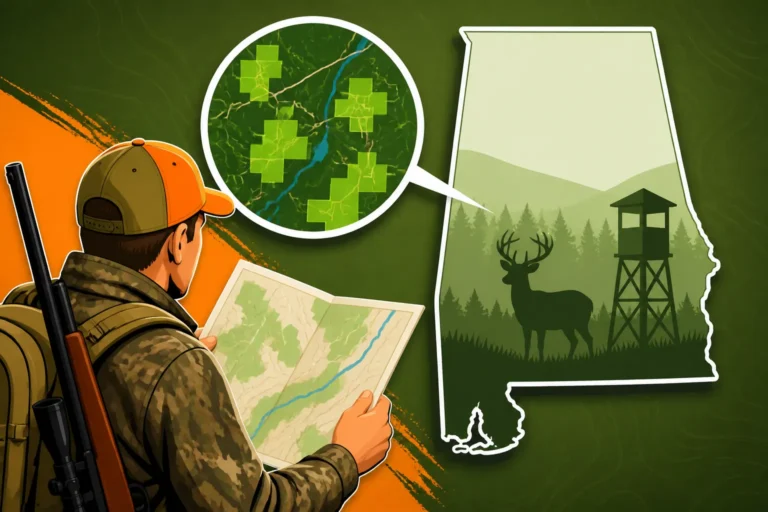
In the dense, often featureless landscapes of the Delta, traditional compass and paper maps can be challenging to use effectively due to the lack of clear landmarks. This is where modern mapping and navigation tools truly shine. GPS devices, whether standalone units or powerful smartphone apps like onX Hunt, are invaluable. These tools allow you to:
- Pinpoint your exact location: Crucial for not getting lost in labyrinthine waterways or dense swamps.
- Mark waypoints: Save your stand locations, boat landings, fresh sign, and safe travel routes.
- View property boundaries: Essential for avoiding trespass, especially on the fragmented private lands. This is where onX Hunt truly excels, clearly delineating public and private parcels.
- Analyze topo and satellite imagery: Identify subtle changes in elevation, old logging roads, or hidden pockets of cover that might attract game.
Before heading out, download offline maps to your device, as cell service is often nonexistent in remote areas. Tools like GoHunt can also be useful for broader trip planning, especially for scouting potential public land zones and understanding general habitat trends. Familiarize yourself with your chosen mapping tool before you're in the field; don't try to learn it on the fly when you're disoriented.
| Challenge/Element | Coastal Factor | Recommended Gear/Solution | Why it Helps |
|---|---|---|---|
| Access/Navigation | Extensive waterways, dense cover, no clear trails | John boat, kayak/canoe, GPS with pre-downloaded maps (e.g., onX Hunt) | Enables access to remote areas, prevents getting lost, marks key locations. |
| Weather | High humidity, sudden rain, heat | Breathable, quick-drying layers, full rain gear | Keeps you comfortable and dry, preventing hypothermia or heat stress. |
| Insects | Mosquitoes, gnats, biting flies | DEET-based repellent, Permethrin-treated clothing, Thermacell | Essential for comfort and preventing distraction/discomfort. |
| Footwear | Muck, water, snakes | Knee-high rubber boots, snake boots | Keeps feet dry, provides protection from venomous snakes. |
| Visibility | Thick vegetation, low light in swamps | Good headlamp, powerful flashlight, binoculars for dense cover | Aids in navigation, blood trailing, and spotting game in thickets. |
| Communication | No cell service in remote areas | Satellite messenger (Garmin InReach, Zoleo), two-way radio | Critical for emergency communication and staying in touch with hunting partners. |
Challenges and Rewards of Coastal Hunting
Hunting the Alabama Gulf Coast is undeniably demanding, but for those willing to embrace its unique character, the rewards are often far greater than just a successful harvest.
The Physical and Mental Demands
Let's not sugarcoat it: coastal hunting is tough. You'll likely encounter knee-deep mud, dense tangles of briars, stagnant water, and relentless insect pressure. The heat and humidity, especially in the early season, can sap your energy quickly. Dragging a deer out of a swamp or even a wet pine flat can be an incredibly arduous task, far more challenging than pulling one across an open field. This environment demands a high level of physical fitness and even more mental fortitude. You might spend hours paddling or pushing through thickets for minimal results. There will be days when you question your sanity. The low visibility in much of the dense cover means you often won't see deer until they're right on top of you, requiring quick reactions and sharp senses. This isn't a "sit back and relax" kind of hunt; it's an immersive, often grueling experience.
The Unique Trophy and Experience
Despite the physical toll, the rewards of a coastal hunt are profound. A deer harvested from the Mobile-Tensaw Delta or a deep Conecuh swamp might not be a Boone and Crockett contender, but it's a hard-earned trophy with a story unlike any other. The true "trophy" of coastal hunting often lies in the experience itself: the pristine beauty of untouched cypress swamps at dawn, the thrill of navigating winding bayous in a small boat, the chorus of unfamiliar birds, and the profound sense of solitude you can find deep in the wilderness. It's a hunt that forces you to hone your skills, test your limits, and truly connect with a wild, untamed landscape. There's a primal satisfaction in overcoming the elements and outsmarting an animal in its own challenging domain.
Overcoming Frustration and Building Local Knowledge
Initial success on the Gulf Coast can be elusive, and it's easy to get frustrated. The key is perseverance and a willingness to learn. Don't go into your first few trips expecting to fill a cooler. Instead, focus on scouting, understanding the movement patterns of game in response to water levels and weather, and simply learning the landscape. Talk to local bait shop owners, other hunters at boat ramps, or ADCNR staff; they often have invaluable insights into specific areas and conditions. Use your mapping tools to identify subtle features, like slight rises in elevation or drier pockets within the swamp, that might serve as bedding areas or travel corridors. Every trip, successful or not, builds your understanding and experience. Over time, you'll develop a deep appreciation for this unique hunting environment and gain the knowledge necessary to consistently find success. It's a long game, but one that offers incredible satisfaction to those who stick with it.
Conservation and Responsible Practices
Hunting the Alabama Gulf Coast isn't just about the harvest; it's about respecting and preserving a truly unique and often fragile ecosystem. Adhering to ethical and responsible practices is paramount.
Respecting the Fragile Ecosystem
The coastal environment, particularly the Mobile-Tensaw Delta, is a delicate balance of intertwined land and water. As hunters, we have a responsibility to minimize our impact. This means practicing "Leave No Trace" principles rigorously: pack out everything you pack in, including spent shell casings, food wrappers, and any other trash. Avoid disturbing sensitive vegetation unnecessarily. When navigating by boat, be mindful of shallow water areas where prop wash can damage submerged grasses or stir up sediment. Be aware of other users of the water and land – fishermen, birdwatchers, kayakers – and share the space respectfully. Our actions as hunters reflect on the entire hunting community, so it's vital to be good stewards of these precious natural resources.
Understanding Local Regulations and Safety
Alabama's hunting regulations are designed to manage game populations sustainably and ensure safety. However, specific WMAs and public lands along the coast can have additional rules that differ from statewide regulations. Always consult the current Alabama Hunting and Fishing Digest and check the specific regulations for the area you plan to hunt. This includes understanding bag limits, legal methods of take, hunter orange requirements, and any special permits or draw hunts.
For instance, while Chronic Wasting Disease (CWD) has historically been found in Alabama's northwestern counties, it's always wise to be aware of the state's efforts to monitor and manage its spread. Should CWD be detected in any coastal counties, there will be specific rules about carcass movement and mandatory testing. Currently, the CWD Management Zone is focused in counties like Lauderdale, Colbert, and Franklin, but staying informed statewide is crucial. Our article on Alabama's Chronic Wasting Disease Management Zone provides the most up-to-date information.
Beyond game regulations, boating safety is paramount on the coast. Always wear a life jacket, especially in strong currents or unfamiliar waters. File a float plan with someone reliable, letting them know where you're going and when you expect to return. Be aware of changing weather conditions and know your boat's limitations. If hunting on private land, ensure you understand and adhere to the landowner's specific rules and boundaries. Finally, always report your harvest through the Game Check system as required by Alabama law. This data is vital for wildlife biologists to monitor game populations and make informed management decisions. You can learn more about Alabama Deer Reporting Rules in our comprehensive guide.
Disclaimer
This article is for general informational purposes only and does not constitute professional advice. Laws, prices and regulations vary by location and change over time. Consult a qualified professional for guidance on your specific situation.