Barbour WMA and the Four-Point Exception
Navigating Alabama's deer regulations can sometimes feel like trying to untangle a mess of fishing line after a long day on the water. Just when you think you've got a handle on the statewide rules, you stumble upon a specific area, like a Wildlife Management Area (WMA), that throws a curveball into the mix. One such curveball that often sparks questions is the unique antler restriction – or rather, the exception to it – that applies to Barbour WMA. This guide will help you understand what makes Barbour WMA's deer hunting rules distinctive, especially regarding that often-discussed four-point exception, so you can hunt with confidence and clarity.
Understanding Barbour WMA: A Unique Hunting Destination
Barbour Wildlife Management Area, tucked away in the southeastern part of Alabama, is a gem for many hunters. It offers a diverse landscape that's quite different from some of the more mountainous or swampy public lands in the state, and it comes with its own set of management goals that directly impact how we hunt there. For anyone planning a trip, getting to know the lay of the land and what makes it special is the first step toward a successful outing.
Location and Landscape
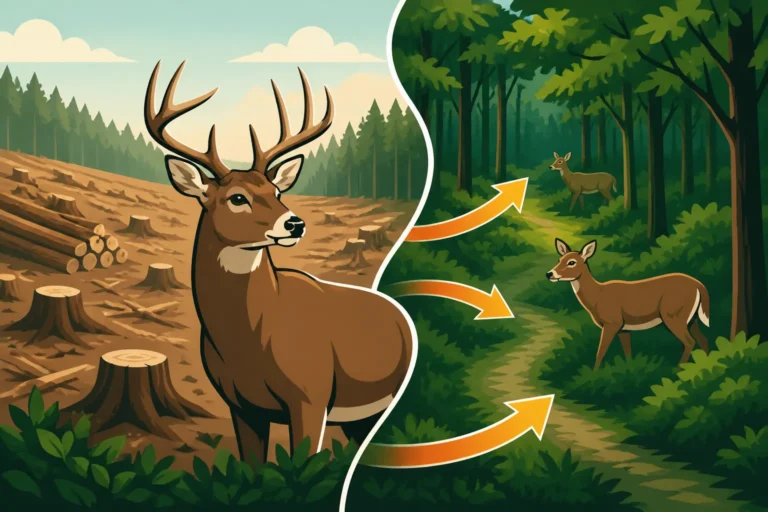
Barbour WMA is situated in Barbour County, which itself is known for a mix of agricultural fields, timber company lands, and rolling hills. The WMA encompasses thousands of acres, featuring a blend of pine plantations, mature hardwood bottoms, and open areas. This diverse habitat makes it attractive to a variety of game species, but especially deer. You'll find areas where thick clear-cuts provide excellent bedding cover, transitioning into creek drainages lined with oaks that drop prime forage in the fall. The terrain, while not overly rugged, certainly has its nuances, with subtle elevation changes and numerous natural draws that can funnel deer movement. Knowing these topographical features can make a huge difference, and tools like the onX Hunt app are invaluable for studying the contours and identifying potential pinch points before you ever set foot on the ground.
General Game Species and Habitat
While deer are certainly a primary draw, Barbour WMA is also home to healthy populations of other game. Turkey hunters know it for its potential, and small game enthusiasts can find opportunities for squirrels and rabbits. Feral hogs are present as well, offering additional hunting opportunities. The habitat management on the WMA is designed to support this diversity, with active timber management practices like thinning and prescribed burns often improving forage and cover. These management efforts, combined with a fertile landscape, mean that deer on Barbour WMA often have access to good nutrition, which can contribute to antler development. However, like any public land, hunting pressure can vary, so understanding general deer movement patterns and focusing on less-pressured areas, perhaps a little deeper in, is often a key to success. Don't forget to review the Alabama Small Game Season Rules if you plan to extend your hunt beyond deer.
The Specifics of Barbour WMA's Antler Restrictions
Alabama has a nuanced approach to deer management, and antler restrictions are a big part of that. These rules are designed to help manage the age structure of the buck herd, allowing younger bucks to mature and spread their genes. But within this framework, there are always exceptions and specific rules for certain areas, and Barbour WMA is one of the most notable examples.
Understanding Antler Restrictions in Alabama
Generally, many areas of Alabama operate under a voluntary or mandatory antler restriction that aims to protect yearling bucks. A common rule might specify that antlered bucks must have at least four points on one antler or a main beam length of a certain measure. This is often referred to as a "four-point rule," meaning a buck must have four points or more on one side to be a legal antlered buck, or sometimes it's simply a measurement. The goal of these rules is pretty straightforward: let the young bucks walk, giving them a chance to grow larger antlers and contribute to a healthier, more balanced deer population. However, these rules can be frustrating for hunters who are used to simply looking for any antlered deer, and it requires careful identification in the field. To grasp the broader context, it's helpful to understand the overall Alabama Deer Season Structure Explained.
The Specifics of Barbour WMA's Rule
Here’s where Barbour WMA stands out, and it's where the "exception" comes into play. For many years, Barbour County, and specifically Barbour WMA, has had a unique antler restriction. Instead of the typical "four points on one side" rule that applies in many other areas, Barbour WMA has an antlered buck management regulation that specifically states hunters may harvest one antlered buck per day, and that one of the three legal bucks for the season may be any antlered buck, regardless of the number of points. This means that while other areas might require a buck to meet a minimum antler standard (like four points on one side), on Barbour WMA, you could, in theory, legally harvest a spike or a fork-horn as one of your three bucks, provided it’s an antlered deer.
It's crucial to understand this distinction. You still have a Alabama's Three-Buck Season Limit, but the criteria for one of those bucks is different. This specific rule essentially exempts Barbour WMA from the more stringent antler point restrictions that govern many other public hunting areas and zones in the state. This doesn't mean you should shoot the first small buck you see, but it does mean the option is legally there for one of your tags, which can be a relief for hunters who might otherwise pass on a perfectly good, albeit smaller, buck on an area like this. Always double-check the most current regulations directly from the Alabama Department of Conservation and Natural Resources (ADCNR) website or their annual regulations handbook before heading afield, as rules can occasionally be tweaked.
Why This Exception Matters
This specific antler rule for Barbour WMA creates a different hunting dynamic. For hunters focusing on meat or simply enjoying the opportunity to harvest a deer without the added pressure of complex antler scoring, it offers a bit more flexibility. It can also be beneficial for youth hunters or beginners who are still learning to judge deer in the field under pressure. Instead of agonizing over point counts or main beam length, they can focus more on shot placement and ethical harvesting.
However, it's not a free-for-all. The rule still allows for careful herd management. It permits hunters to take a spike buck that might have poor genetics, which in other areas would be protected by a "four-point" rule, allowing those genes to persist. It gives management the flexibility to remove animals that might not contribute positively to the overall antler quality of the herd. For serious trophy hunters, this exception might mean more competition from hunters focused on any antlered deer, but it also means there's a chance a truly mature buck, perhaps one that's older and wiser, could still be roaming the WMA, having been passed up by others not solely focused on antler size. This rule helps balance hunter opportunity with management goals, catering to a broader range of hunting interests on the WMA.
Hunting Strategies and Compliance on Barbour WMA
Hunting Barbour WMA, like any public land, requires strategy, patience, and a deep understanding of the regulations. The unique antler exception adds another layer to your planning, influencing everything from your scouting efforts to your shot selection.
Scouting and Pre-Hunt Prep
Scouting is paramount for success on Barbour WMA. Before the season opens, dedicate time to walking the property, identifying potential food sources, bedding areas, and travel corridors. Look for fresh sign like rubs, scrapes, and tracks. Pay close attention to the transition zones between different timber types – where pine plantations meet hardwoods, or where a thicket gives way to a creek bottom. These are often high-traffic areas for deer.
Using mapping tools like onX Hunt can be incredibly helpful. You can digitally scout from home, identify potential stand locations, mark property boundaries, and analyze terrain features. Once on the ground, confirm your digital findings, mark rub lines, and note any consistent food sources, especially acorns if it's an oak-heavy year. This detailed scouting will give you an edge, helping you choose the best entry and exit routes, and understand how deer use the different sections of the WMA. Consider how wind direction will affect your approach and scent control in each potential stand location. Getting an early start on Scouting Alabama Public Land Before Season is always a wise decision.
On-the-Ground Decision Making
When you're actually in the stand or on the ground at Barbour WMA, the antler exception gives you a different set of choices compared to other WMAs. While you still want to be selective and practice good wildlife management, you don't have the same rigid antler point counting that might be present elsewhere.
Here’s a practical look at decision-making:
| Scenario | Barbour WMA Antler Rule | Typical Alabama Antler Rule (e.g., 4 points on one side) |
|---|---|---|
| Spike Buck | Legal as one of your three antlered bucks for the season. | Illegal to harvest. Must pass. |
| Fork Horn (2 points on one side) | Legal as one of your three antlered bucks for the season. | Illegal to harvest. Must pass. |
| 3 Points on One Side | Legal as one of your three antlered bucks for the season. | Illegal to harvest. Must pass. |
| 4 Points on One Side | Legal, no restrictions apply beyond being an antlered buck. | Legal to harvest. |
| Well-Developed 8-Point Buck | Legal, no restrictions apply beyond being an antlered buck. | Legal to harvest. |
This table illustrates how the exception expands your options for one of your antlered deer. For your other two antlered bucks, the statewide antler restriction rules would generally apply (e.g., 4 points on one side or a 3-inch main beam), so you still need to be mindful of those if you've already taken your "any antlered buck." It's a system designed to give a little wiggle room but still promote overall herd health. This flexibility can be particularly useful during a slow hunt, allowing you to fill a tag without waiting for a specific antler configuration, while still having the opportunity to hold out for a larger buck later in the season. Keep in mind that understanding Alabama Public Land Antlered-Only Windows is critical for any WMA hunt.
Verifying Your Harvest and Reporting
Once you've made a successful harvest on Barbour WMA, the process is similar to other parts of Alabama, but always check for WMA-specific requirements. First, you’ll need to tag your deer immediately. Then, before you even move the animal from the WMA, you'll likely need to check it in at a WMA check station or use a specific online or app-based WMA check-in system if available. This step is critical for data collection and ensuring compliance.
After the WMA check-in, you will still need to report your harvest through Alabama's Game Check system, whether online or via the Outdoor Alabama app. This is mandatory for all deer harvested statewide. When reporting, ensure you accurately select Barbour WMA as the location. Accurate reporting helps biologists manage the herd effectively and understand hunter success rates on specific properties. Double-checking your harvest information, including gender, antler points, and location, before finalizing the Game Check is a good habit. Missing a step or reporting incorrectly could lead to issues, so take your time and follow all instructions carefully. The details on Alabama Deer Reporting Rules are essential reading for every hunter.
Remember that while Barbour WMA offers a unique exception, the core principles of ethical hunting, safety, and compliance with all regulations remain paramount. A good resource for staying up-to-date on all WMA rules is often available on the GoHunt website or through official ADCNR channels, so make sure to look for annual updates. Finally, don't forget your Alabama WMA Permit Requirement before heading out.
Disclaimer
This article is for general informational purposes only and does not constitute professional advice. Laws, prices and regulations vary by location and change over time. Consult a qualified professional for guidance on your specific situation.