Alabama Diamondback Rattlesnake Encounters Afield
Stepping into Alabama's wild to hunt is an incredible experience, but it also means sharing the landscape with its native inhabitants, including the Eastern Diamondback Rattlesnake. The thought of encountering one can be unnerving for any hunter, creating a natural fear of an unexpected, dangerous situation. This guide will walk you through identifying these majestic reptiles, understanding their behavior, and most importantly, how to stay safe and react if you ever find yourself face-to-face with one in the field.
Identifying the Eastern Diamondback Rattlesnake in Alabama
The Eastern Diamondback Rattlesnake is North America's largest venomous snake, and its presence in parts of Alabama means hunters need to be acutely aware of what they look like. It's not just about fear; it's about accurate identification to ensure your safety and avoid harming non-venomous snakes that share their habitat. Knowing their distinct features is your first line of defense in the woods.
Distinctive Physical Characteristics
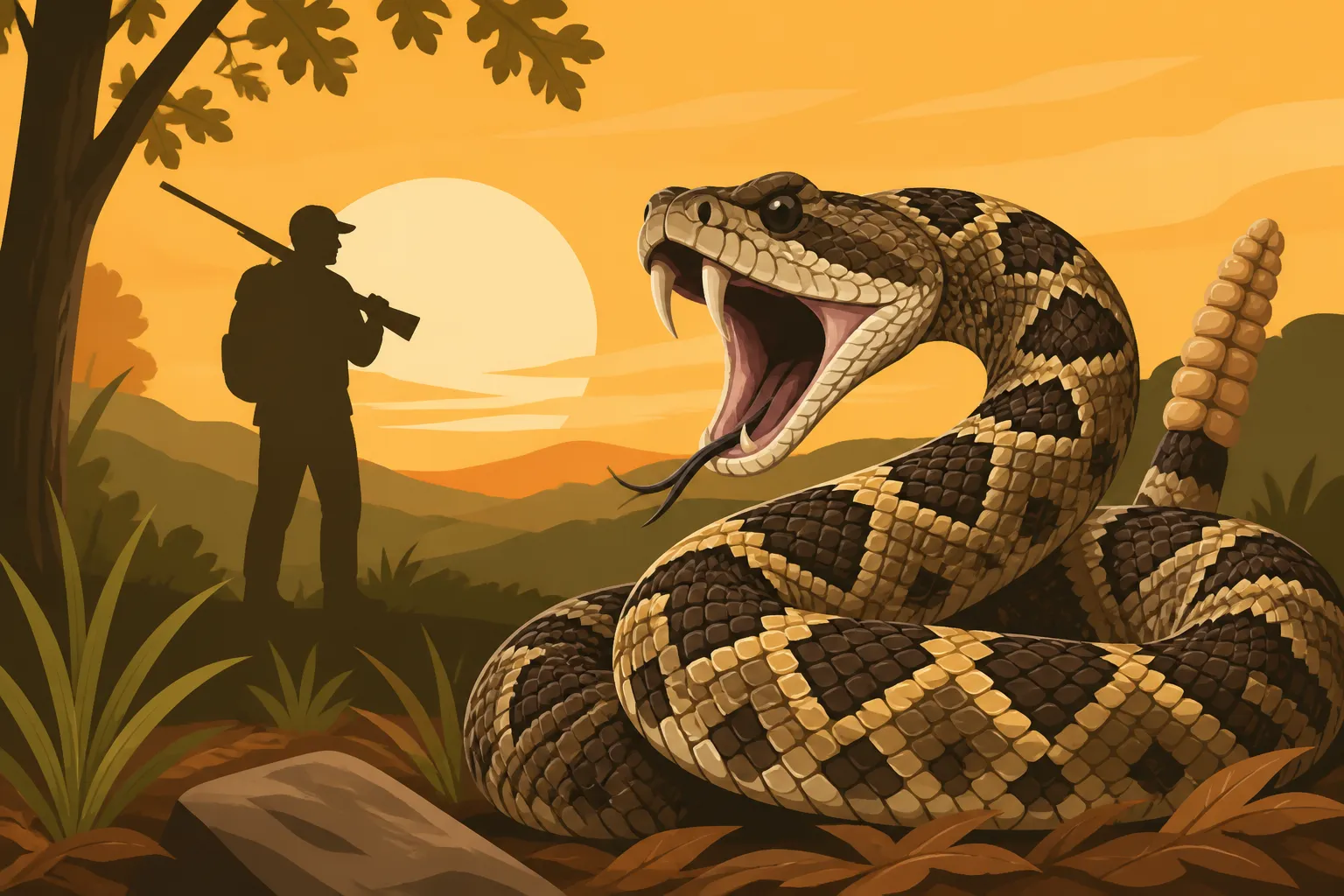
When you think of a rattlesnake, the diamondback is likely the image that comes to mind. They are typically quite heavy-bodied, with adults often reaching lengths of 3 to 6 feet, though some specimens can grow even larger. Their coloration usually consists of shades of brown, tan, or yellowish-gray, overlaid with a series of dark, diamond-shaped patterns, often outlined in cream or yellow. This diamond pattern is what gives them their name and is a key identifier. Look closely, and you'll often see a dark stripe running through their eye, bordered by lighter stripes above and below. This facial marking is very distinct.
Their head is broad and triangular, much wider than their neck, a common trait among many venomous snakes, though not foolproof. Another key feature is the pupils of their eyes, which are vertical, like a cat's, unlike the round pupils of most non-venomous snakes. While you ideally don't want to get close enough to check pupil shape, it's a detail worth noting. The scales are keeled, meaning they have a ridge down the center, giving them a rough, dull appearance rather than a smooth, shiny one.
The Tell-Tale Rattle
Perhaps the most famous and universally recognized characteristic of a rattlesnake is its rattle. This segmented structure at the end of its tail is made of keratin, the same material as your fingernails, and it produces a distinctive buzzing or rattling sound when vibrated. This is a warning signal, a clear message to anything perceived as a threat to back off. It's a sound you won't forget once you hear it.
It's important to remember, though, that a rattlesnake won't always rattle before striking. They might be cold, surprised, or feel too cornered to issue a warning. So, while the rattle is a definite sign of a diamondback, its absence doesn't mean you're in the clear. Always treat any large, heavily patterned snake in appropriate habitat with caution. Young diamondbacks may also have very small, almost unnoticeable rattles, or might not have developed a loud rattle yet. This is why visual identification remains crucial.
Similar-Looking Snakes to Be Aware Of
Alabama is home to many snake species, and some non-venomous ones might, at a glance, be mistaken for a diamondback, especially if you're startled. Corn snakes and some rat snakes, for instance, have patterned bodies that could, under poor light or from a distance, be confusing. However, they lack the diamond pattern, the heavy body, the triangular head, and, crucially, the rattle. Their pupils are also typically round.
Another venomous snake you might encounter in Alabama is the Timber Rattlesnake (also known as the Canebrake Rattlesnake), which shares some characteristics with the diamondback, including a rattle and a heavy body. However, the Timber Rattlesnake usually has dark chevron-like bands or crossbands on a lighter background, often with a rusty stripe running down its back, rather than the distinct diamond patterns of its cousin. The cottonmouth (water moccasin) and copperhead are also venomous but have their own distinct appearances, primarily lacking rattles and displaying different patterns and head shapes. Familiarizing yourself with all of Alabama's venomous snakes is part of being a responsible hunter.
Understanding Diamondback Behavior and Habitat
To avoid an encounter, you need to think like a snake. Understanding where Eastern Diamondbacks prefer to live and what times they are most active can significantly reduce your risk of a surprise meeting. They're not actively hunting humans, but they will defend themselves if they feel threatened.
Preferred Habitats in Alabama
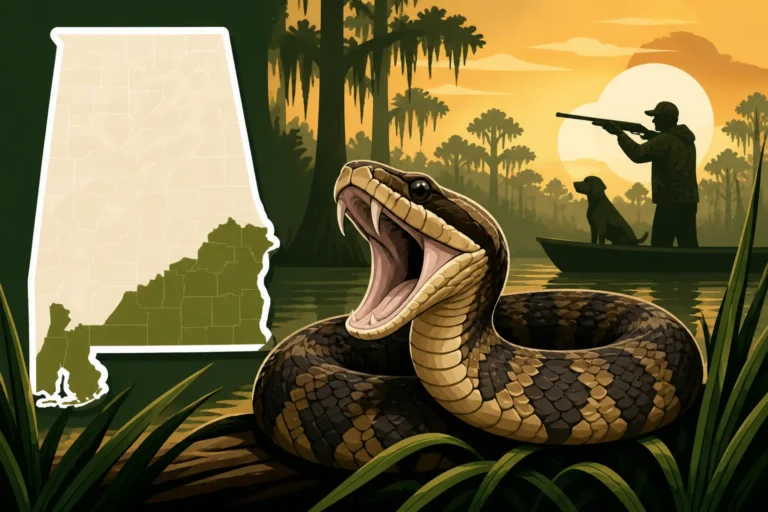
Eastern Diamondbacks in Alabama are most commonly found in the pine forests, dry longleaf pine ecosystems, and sandhills of the southern and coastal plain regions. Think areas with sandy soils, palmetto thickets, and dense undergrowth. These habitats provide ideal cover for them to ambush prey like rabbits, squirrels, and small rodents. You might also find them around fallen logs, brush piles, gopher tortoise burrows (which they frequently use for shelter), and even abandoned buildings or equipment in rural settings.
While less common in the more northern, mountainous parts of Alabama, it's not impossible to find them in suitable pockets of habitat wherever those conditions exist. Hunters pursuing Hunting the Wiregrass Region Pine Flats or Hunting Coastal Alabama River Swamps should be particularly vigilant. Utilizing mapping applications like GoHunt can help you scout and identify these dense, low-lying areas or sandy ridges where diamondbacks are likely to be found, allowing you to plan your routes accordingly and avoid potential hotspots.
Activity Patterns and Temperament
Diamondbacks are generally most active during warmer months, from spring through fall, when temperatures are ideal for them to hunt and bask. They are primarily diurnal (active during the day) but can become more nocturnal during the oppressive heat of deep summer to avoid extreme temperatures. As a hunter, this means you need to be aware during daylight hours, especially if you're out Hunting Alabama's Year-Round Feral Hogs in dense thickets or Squirrel Hunting Alabama Bottomland Hardwoods.
Their temperament is often described as reclusive and shy. They prefer to avoid confrontation. When disturbed, their first instinct is typically to escape and hide. If escape isn't an option, they will coil, raise their head, and rattle a warning. A striking diamondback is usually a defensive snake that feels cornered or threatened. They can strike quickly and from a distance, sometimes up to two-thirds of their body length, so maintaining a safe distance is absolutely critical once you've identified one. Never assume a coiled snake is not ready to strike, or that a motionless snake isn't aware of you.
Preventative Measures and Safe Practices Afield
Being prepared is the best defense against any potential hazard in the outdoors, and that certainly includes venomous snakes. A few proactive steps can significantly reduce your risk of an unpleasant encounter.
Appropriate Footwear and Leg Protection
This is non-negotiable for hunters in areas where rattlesnakes are present. Investing in good quality snake boots or snake gaiters is paramount. These offer a physical barrier that most snake fangs cannot penetrate. Boots should be at least knee-high, and gaiters should cover your shins and calves, fitting snugly over your regular hunting boots. Even if you're just hiking into your stand for Treestand Setups in Talladega National Forest, a short walk can put you in harm's way.
Remember, a snake's strike is low to the ground. Your typical hiking boots offer little protection against fangs. Don't skimp on this gear; it's a small investment for a significant peace of mind and, potentially, life-saving protection. Always check your gear for wear and tear before heading out.
Vigilant Walking and Hand Placement
The vast majority of snake bites occur when people accidentally step on or too close to a snake, or when reaching into areas where a snake is hidden. Therefore, paying close attention to where you step and where you place your hands is crucial. When walking, especially through thick brush, tall grass, or around rocky areas, keep your eyes on the ground just ahead of you. Avoid stepping over logs without first looking on the other side. Step on logs first, then over them, giving you a chance to see if a snake is basking or hiding on the far side.
When still-hunting or moving slowly through cover, probe ahead with a walking stick or a long gun barrel before placing your foot down. This can startle a hidden snake into rattling or moving away, giving you warning. If you're setting up a ground blind, be sure to thoroughly check the area before settling in. Before reaching under bushes, into rock crevices, or picking up anything from the ground, pause and scan for movement or the distinctive patterns of a diamondback. This heightened awareness, combined with mapping tools like GoHunt that show you dense terrain, is your best strategy. Scouting Alabama Public Land Before Season is not just for deer; it's for understanding the overall environment.
Camp and Gear Awareness
Your vigilance shouldn't end when you reach your camp or treestand. Snakes are drawn to cool, dark places, and they can also be attracted to rodent activity around human settlements. Always inspect your campsite before setting up, and shake out sleeping bags, blankets, and clothing before use. Don't leave your boots outside your tent or truck without checking them thoroughly before putting them on, especially in the mornings. A common bite scenario involves someone blindly putting their foot into a boot where a snake has taken shelter overnight.
When handling gear, be mindful. If you’re opening a storage container or moving a pile of equipment, always assume there could be a snake. Even when you're done for the day and cleaning up after Deer Drives With Three or Four Hunters, maintain your awareness. Small habits like always zipping your tent door closed, keeping gear organized, and having a bright flashlight handy for nighttime excursions can make a big difference.
What to Do in Case of a Bite
Despite all precautions, accidents can happen. Knowing how to react to a venomous snake bite is critical for minimizing harm and ensuring the best possible outcome. Panic is your biggest enemy here.
Immediate First Aid Steps
If you or someone in your hunting party is bitten by an Eastern Diamondback Rattlesnake, remaining calm is the absolute first step. Panic will only increase heart rate, which can spread venom faster through the body. The most important immediate action is to call for emergency medical help. Dial 911 immediately. Try to remember the exact location or use a GPS app on your phone (like GoHunt's location sharing feature) to relay your coordinates to responders, especially if you're deep in public land.
While waiting for help, keep the bitten limb as still as possible and below the level of the heart. Remove any tight clothing, jewelry, or watches from the affected area, as swelling will occur rapidly. Clean the wound gently with soap and water if available, or just use clean water if not. Cover it with a clean, loose dressing. Do not apply a tourniquet, cut the wound, try to suck out the venom, or apply ice. These old wives' tales are not only ineffective but can cause more harm than good, increasing tissue damage or the risk of infection. Focus on keeping the victim calm and still until professional medical help arrives.
Seeking Professional Medical Attention
There is only one effective treatment for venomous snake bites: antivenom, which must be administered by medical professionals in a hospital setting. Once you've made that emergency call, your priority is getting the bite victim to a hospital as quickly and safely as possible. Even if the symptoms seem mild initially, a bite from a large Eastern Diamondback can be life-threatening and requires immediate expert evaluation.
The medical team will assess the type and severity of the bite, monitor symptoms, and administer antivenom if necessary. They will also manage pain, prevent infection, and monitor for complications such as compartment syndrome, where swelling can cut off blood flow to muscles. Never try to drive yourself to a hospital if you are the one bitten, as symptoms like dizziness or nausea could impair your ability to drive safely. Let the professionals handle the transport and treatment.
Symptoms and What to Expect
A bite from an Eastern Diamondback Rattlesnake will typically cause immediate and intense pain at the bite site. Swelling will start almost immediately and can spread rapidly, becoming very extensive over time. You might observe discoloration around the bite, turning purplish or bruised. Numbness or tingling may occur around the wound or even in other parts of the body. Other systemic symptoms can include nausea, vomiting, dizziness, weakness, sweating, and a metallic taste in the mouth. In severe cases, blood pressure drops, and bleeding disorders can develop.
Symptoms can vary based on the amount of venom injected (a "dry bite" with no venom is possible but rare and cannot be assumed), the snake's size, the victim's size and health, and the location of the bite. Even after antivenom, recovery can be a long process, often involving physical therapy to regain full function of the limb. Knowing these symptoms can help you describe the situation accurately to emergency responders and medical staff, which is vital for effective treatment.
| Feature | Eastern Diamondback Rattlesnake | Cottonmouth (Water Moccasin) | Copperhead |
|---|---|---|---|
| Size (Adult) | 3-6 ft (heavy-bodied) | 2-4 ft (stout-bodied) | 2-3 ft (moderately stout) |
| Color/Pattern | Brown/tan with dark, cream-bordered diamond patterns | Dark brown/black, often with dark crossbands that may be obscured; juveniles have bright yellow/green tail tip | Light brown/tan with dark, hourglass-shaped crossbands |
| Head Shape | Broad, triangular | Broad, triangular; often holds head at an upward angle | Broad, triangular |
| Pupils | Vertical, elliptical | Vertical, elliptical | Vertical, elliptical |
| Tail End | Distinct rattle | Plain, no rattle; juveniles have yellow/green tail tip | Plain, no rattle |
| Habitat | Dry pine forests, sandhills, palmetto thickets | Swamps, marshes, slow-moving water, stream banks | Woodlands, rocky areas, stream edges, suburban environments |
| Warning Behavior | Rattles, coils, strikes defensively | "Mouth-gaping" (shows white mouth lining), coils, may vibrate tail | Freezes, strikes defensively, may vibrate tail |
Disclaimer
This article is for general informational purposes only and does not constitute professional advice. Laws, prices and regulations vary by location and change over time. Consult a qualified professional for guidance on your specific situation.