Why Red Wolves Vanished From Alabama
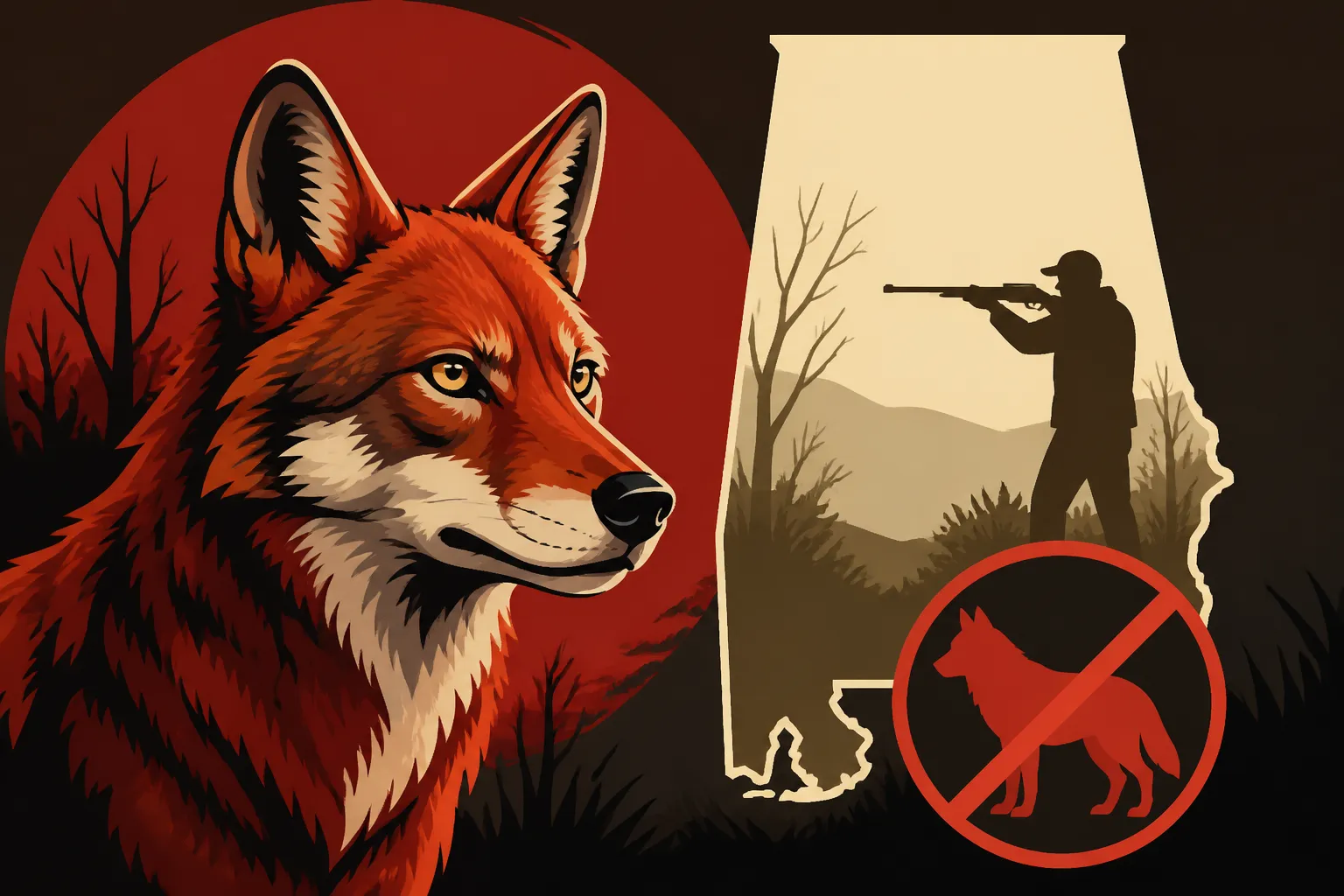
It's a bittersweet thing to look back at Alabama's wildlife history and realize that some magnificent creatures that once roamed our woods are simply gone. For many of us who cherish the natural world and the rich biodiversity of our state, the disappearance of the red wolf from Alabama's landscape is a poignant reminder of how quickly things can change, and often, not for the better. This guide dives deep into the complex history of the red wolf in Alabama, exploring the reasons behind its tragic vanishing act and what lessons we can learn from this loss for modern conservation efforts.
A Glimpse into Alabama's Wild Past: The Red Wolf's Original Domain
Imagine Alabama hundreds of years ago, a tapestry of vast forests, winding rivers, and sprawling wetlands. This was a wilder Alabama, teeming with game and larger predators that kept the ecosystem in a delicate balance. Among these apex predators was the red wolf, a fascinating and often misunderstood animal that played a crucial role in the natural order of the land. Their presence shaped the behavior of deer, influenced the health of plant communities, and represented a vital part of Alabama's rich ecological heritage.
Historical Range and Habitat
The red wolf (Canis rufus) historically roamed across much of the southeastern United States, with Alabama forming a significant part of its core range. These intelligent canids weren't picky about just one type of terrain; they were incredibly adaptable. You'd find them thriving in the dense bottomland hardwood forests along major river systems, where they could stalk deer and smaller game. They also made their homes in the expansive coastal prairie regions and the longleaf pine savannas that once dominated vast stretches of our state. Areas like the Mobile-Tensaw Delta, the Black Belt prairies, and the sprawling pine forests of south Alabama provided ideal conditions for these elusive hunters. They were truly creatures of the diverse Alabama landscape, following game trails through thickets and establishing territories along creek bottoms, always seeking the cover and prey that their habitat provided.
What Made Them Unique
Red wolves were distinct from their larger, more northern cousins, the gray wolves, and also from the smaller, more ubiquitous coyotes. They were typically medium-sized canids, often weighing between 45 to 80 pounds, with a lean build and a reddish-tawny coat, especially prominent on their ears, neck, and legs – hence their name. Their overall appearance often struck a balance, being too large for a typical coyote but smaller and more slender than a gray wolf. They possessed a keen intellect and lived in small family groups, communicating through a complex array of howls, barks, and body language. These social structures allowed them to hunt cooperatively, taking down prey much larger than themselves, such as white-tailed deer. Their unique genetic makeup and behavioral patterns made them perfectly suited to the warm, humid climate and diverse ecosystems of the Deep South, a testament to evolution's incredible adaptability.
The Forces Behind Their Decline: Human Impact and Habitat Loss
The story of the red wolf's disappearance from Alabama is a complex and regrettable tale, primarily driven by the relentless march of human expansion and the changing perceptions of predators. It wasn't a sudden event, but rather a slow, grinding attrition caused by a combination of factors that, in hindsight, seem almost inevitable given the attitudes of the time. The very landscape they called home began to transform, and their inherent nature as a top predator became a perceived threat.
The Era of Predator Eradication
For centuries, especially as European settlers moved into the region, large predators like wolves were often viewed with fear and suspicion. They were seen as direct competitors for game animals that hunters relied upon, and as a significant threat to burgeoning livestock operations. This perspective led to widespread, government-sanctioned predator control programs across the United States, and Alabama was no exception. Bounties were placed on wolves, encouraging hunters and trappers to eliminate them from the landscape. It was a systematic effort, driven by a desire to "tame" the wilderness and protect economic interests, often without a full understanding of the ecological consequences. This relentless pressure, combined with increasingly effective hunting and trapping methods, began to decimate red wolf populations across their range, pushing them closer to the brink. It was a time when the balance of nature was largely misunderstood, and eradication was seen as a solution rather than a problem in itself.
Shrinking Wild Spaces and Habitat Fragmentation
Alongside direct eradication efforts, the transformation of Alabama's landscape played an equally destructive role. As the state grew, vast tracts of pristine wilderness were converted for human use. Timber industries cleared immense forests, replacing diverse ecosystems with monoculture pine plantations or agricultural fields. Swamps were drained, and river bottoms were altered for flood control and development. This widespread habitat destruction meant less space for red wolves to roam, hunt, and reproduce. These large predators require extensive, undisturbed territories to thrive, and as their habitat became fragmented into smaller, isolated patches, their ability to find mates, avoid human conflict, and sustain healthy populations plummeted. The once continuous wild spaces that connected wolf populations were broken up, turning vast ranges into isolated islands. The loss of critical cover and suitable prey habitat directly contributed to their decline. Understanding how critical continuous habitat is can be seen in efforts to restore ecosystems like Alabama Longleaf Pine and Quail Habitat.
The Rise of the Coyote
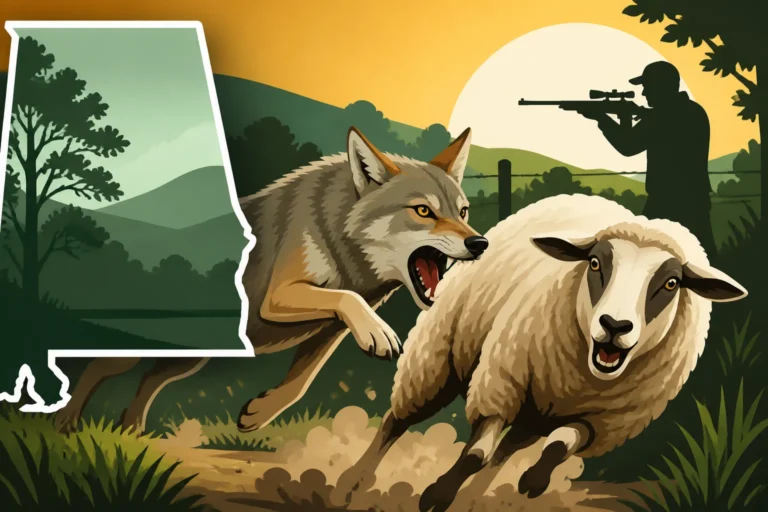
Perhaps the most insidious and ultimately decisive factor in the red wolf's disappearance from Alabama's wild was the eastward expansion of the coyote. Originally a species of the western plains, coyotes began moving into the southeastern states in the early to mid-20th century, often filling the ecological void left by the disappearing red wolves. Coyotes are incredibly adaptable, reproduce quickly, and can thrive in a wide range of habitats, including those heavily impacted by humans.
As coyote populations surged, they encountered the dwindling red wolf populations. This led to a phenomenon known as hybridization, where red wolves and coyotes interbred. Because pure red wolf numbers were so low, and coyotes were so numerous, the red wolf's unique genetic identity was rapidly diluted. The offspring of these pairings were often fertile, but they carried a mix of red wolf and coyote genes, further eroding the distinct red wolf lineage. This wasn't just competition for resources; it was a genetic invasion that, combined with hunting and habitat loss, delivered the final blow to the pure red wolf in the wild. Today, Alabama Coyote Range and Density is widespread, and How Many Coyotes Alabama Has is a common question, showing how completely they've integrated into our ecosystem, a stark contrast to the wolves they replaced. The adaptability of the coyote, often reflected in their varied diet, including Alabama Coyote Diet in Farm Country, further illustrates why they thrived where the red wolf struggled.
| Characteristic | Red Wolf (Historical) | Coyote (Present) |
|---|---|---|
| Size | Medium (45-80 lbs), larger than coyote | Small to Medium (20-50 lbs), generally smaller |
| Build | Lean, lanky, longer legs | More compact, sometimes stockier |
| Coat Color | Reddish-tawny, often with black flecks | Grayish-brown, buff, sometimes reddish tinges |
| Habitat Pref. | Large, undisturbed forests, swamps, bottomlands | Highly adaptable; forests, fields, suburban, urban |
| Social Structure | Small family packs | Varied; pairs, small family groups, often solitary |
| Reproduction | Typically one litter per year | Can produce multiple litters, faster breeding |
| Adaptability | Specialized for specific southeastern habitats | Highly generalist; tolerates human presence well |
| Survival Threat | Human persecution, habitat loss, hybridization | Limited natural threats; thrives in varied conditions |
The Last Stand and Conservation Efforts
The relentless pressure from human expansion, coupled with the genetic threat of hybridization, pushed the red wolf to the brink of extinction in the wild. By the mid-20th century, pure red wolves were incredibly rare, confined to a few isolated pockets. The situation was dire, but not entirely hopeless thanks to the foresight of a few dedicated conservationists.
Genetic Dilution and the Final Blow
The hybridization with coyotes wasn't just a matter of mixed ancestry; it was a race against time for the red wolf's genetic purity. As the wild population dwindled, the chances of a pure red wolf finding another pure red wolf to breed with became incredibly slim. Every generation saw more and more mixed-ancestry individuals, effectively washing away the distinct characteristics that made the red wolf a unique species. By the 1970s, biologists realized that without immediate intervention, the red wolf would be genetically absorbed by the coyote, disappearing forever.
In a last-ditch effort, a dedicated team embarked on a mission to capture the last remaining pure red wolves from their shrinking strongholds in coastal Texas and Louisiana. This monumental task involved carefully identifying and trapping individuals, with the hope of establishing a captive breeding program. It was a race against extinction, and every captured wolf was precious. The goal was to remove them from the wild, where their genes were being diluted, and create a protected population to preserve the species' future.
Attempted Reintroductions and Current Status
From these few precious individuals, a successful captive breeding program was established. This program slowly built up a genetic reservoir of pure red wolves, a testament to what dedicated conservation can achieve. The ultimate hope was always to return these wolves to the wild, to restore their ecological role in suitable habitats.
While Alabama has not seen a reintroduction of red wolves, primarily due to ongoing challenges like coyote hybridization and human encroachment, reintroduction efforts have taken place elsewhere in the southeastern U.S., most notably in North Carolina. These efforts have faced significant hurdles, underscoring the complexities of reintroducing a top predator into a landscape that has changed so dramatically. Issues such as maintaining the genetic purity of the reintroduced wolves in the face of widespread coyote populations, managing human-wildlife conflicts, and securing adequate habitat have made it an uphill battle. Although pure red wolves no longer roam wild in Alabama, their species lives on through these programs. For a deeper understanding of these broader efforts, you can look into Alabama Red Wolf Recovery Program History, which outlines the challenges and hopes for this magnificent species.
Lessons Learned and Alabama's Future Wildlife Management
The story of the red wolf in Alabama is more than just a historical account of a lost species; it's a powerful lesson in ecology, human impact, and the critical importance of thoughtful wildlife management. Their disappearance serves as a stark reminder of the delicate balance within ecosystems and the long-term consequences of our actions, or inactions. Today, we have a much better understanding of these complex interdependencies, thanks in part to the lessons learned from the red wolf's plight.
The Value of Apex Predators
The absence of an apex predator like the red wolf had ripple effects throughout the ecosystem. While it's easy to focus on the immediate perceived threats of a predator, we now understand that they play a vital role in maintaining the health and balance of their environment. Predators help regulate prey populations, preventing overgrazing and the spread of disease. They remove weak or sick individuals, ensuring a healthier overall herd. For instance, a healthy wolf population would have naturally influenced the dynamics of Alabama Deer Population Estimate, potentially leading to stronger, more resilient deer herds by culling the less fit.
Without these natural controls, other species can proliferate unchecked, sometimes becoming problematic. We see this today with Alabama Feral Hog Regulations, where the lack of natural predators contributes to their destructive population booms. The lessons from the red wolf emphasize that every species, especially those at the top of the food chain, is an integral component of a thriving ecosystem, and their loss diminishes the entire natural community.
Modern Conservation in Alabama
Alabama has made significant strides in modern wildlife management, learning from past mistakes and embracing more holistic, science-based approaches. Today, our state invests in habitat restoration, species monitoring, and public education to ensure the health of its diverse wildlife populations. Programs like Alabama Wildlife Disease Monitoring help us keep tabs on the health of our deer and other game, proactively addressing threats. Conservation efforts also focus on protecting and restoring crucial habitats, recognizing that a healthy environment is the foundation for all wildlife. This includes managing our national forests, state lands, and even working with private landowners to create and maintain suitable conditions for a wide array of species.
We've also seen incredible successes with the recovery of other large, once-threatened species, such as Alabama's Recovering Black Bear Population, which shows that with dedicated effort, recovery is possible. While the red wolf's future in Alabama's wild remains uncertain, the commitment to understanding and protecting our wildlife heritage is stronger than ever. Hunters, anglers, and outdoor enthusiasts play a crucial role in these efforts, often contributing through license fees and excise taxes on equipment, which directly fund conservation initiatives. The journey of understanding and coexistence is ongoing, and the memory of the red wolf continues to inspire a more informed and respectful approach to Alabama's precious natural resources.
Disclaimer
This article is for general informational purposes only and does not constitute professional advice. Laws, prices and regulations vary by location and change over time. Consult a qualified professional for guidance on your specific situation.