Why the Newest CWD Cases Worry Biologists
Hunting in Alabama is a deeply rooted tradition, a pastime that connects us to the land and provides food for our families. But lately, there's been a cloud hanging over the deer woods: Chronic Wasting Disease, or CWD. It's a disease that brings an uneasy feeling to every hunter's heart, and the newest cases have biologists more concerned than ever. This guide will delve into what CWD is, why the latest developments are causing alarm among wildlife experts, and what we as hunters can do to help protect Alabama's deer herd.
Understanding Chronic Wasting Disease and Its Threat
CWD isn't just another deer illness; it's a neurological disease that is always fatal to cervids – that's deer, elk, moose, and reindeer. It's caused by abnormal proteins called prions, which slowly destroy the brain and nervous system of infected animals. Imagine a silent, relentless enemy that no vaccine or cure can stop once it takes hold. That's what CWD represents for our deer populations.
How CWD Affects Deer
When a deer contracts CWD, it doesn't happen overnight. The disease progresses slowly, often taking months or even years before obvious symptoms appear. In the early stages, you might not notice anything at all, which is part of what makes it so insidious. As it advances, infected deer can start showing classic signs: drastic weight loss (hence "wasting"), stumbling, drooling excessively, having a vacant stare, or showing a lack of fear of humans. They become emaciated, uncoordinated, and eventually, they succumb to the disease. It's a heartbreaking sight for anyone who values wildlife, and it means those animals aren't contributing to the healthy breeding population or growing into trophy bucks. This slow progression makes it incredibly difficult to spot early on and contributes to its silent spread through the herd.
Transmission and Persistence in the Environment
One of the most frightening aspects of CWD is how easily it spreads and how persistent it is in the environment. Prions can be shed by infected animals through saliva, urine, and feces long before symptoms are visible. These prions then contaminate the soil, water, and vegetation where other deer might feed. Think about a popular deer trail or a well-used scrape line – these can become hotspots for transmission. The prions are incredibly hardy; they can remain infectious in the environment for years, even decades, resisting freezing, drying, and even some disinfectants. This means that once CWD establishes itself in an area, it's not simply a matter of removing infected deer; the very ground can be a source of new infections. This persistence poses a monumental challenge for wildlife managers trying to contain or eradicate the disease, making every new detection a long-term problem for the area.
Alabama's Battle with CWD: History and Current Status
Alabama, for a long time, was fortunate to be CWD-free, watching from a distance as other states grappled with this devastating disease. Then, in 2021, our luck ran out. The first positive case was detected, and it immediately changed the landscape of deer hunting and wildlife management in the state.
The Initial Detection and Its Aftermath
The first confirmed case of CWD in Alabama was detected in Lauderdale County, a painful discovery that immediately put our state on high alert. This wasn't just a number; it was our deer herd. The state quickly moved to establish the Alabama's Chronic Wasting Disease Management Zone, a crucial step to try and contain the spread. This initial detection triggered a cascade of new rules and regulations, from mandatory testing during certain periods to restrictions on how deer carcasses could be transported. For hunters, it meant a swift and sometimes confusing change to how we'd always done things. It was a stark reminder that even in our seemingly pristine woods, external threats could become very real, very fast. Many of us turned to resources like the Outdoor Alabama app or hunting platforms like GoHunt to understand the rapidly evolving situation.
The Established CWD Management Zone
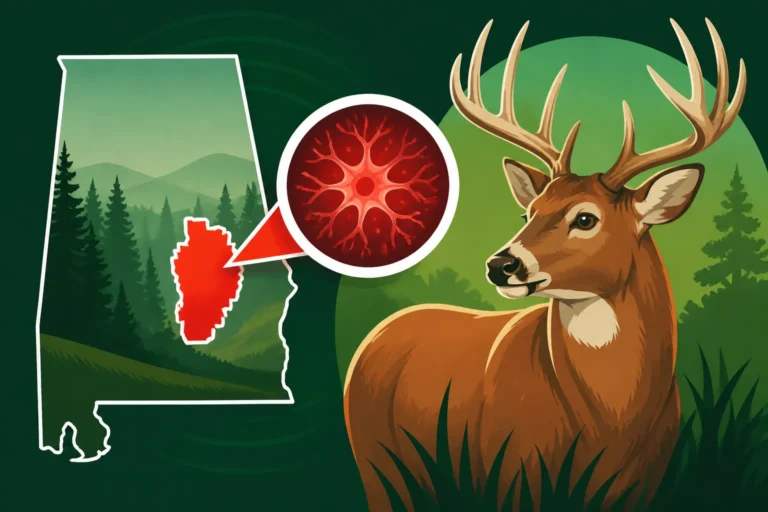
Following the first detection, a CWD Management Zone (CMZ) was declared. This zone includes Lauderdale, Colbert, and Franklin counties, based on their proximity to the initial cases and the potential for spread. Within this CMZ, specific rules are in place, stricter than those in the rest of the state. For example, there are carcass movement restrictions, meaning you can't just take an entire deer harvested in the CMZ and transport it to your deer camp in another county without adhering to strict rules about bone and brain removal. These rules are in place to prevent us from inadvertently spreading the disease ourselves. Then, within the CMZ, there are even stricter "High-Risk Zone" (HRZ) counties where the disease has been directly found. Understanding which counties sit in Alabama's CMZ is vital for any hunter in that region.
Surveillance Efforts and Mandatory Testing Weekends
To monitor the spread and prevalence of CWD, the Alabama Wildlife and Freshwater Fisheries Division (WFF) initiated extensive surveillance efforts. This includes voluntary and, in some cases, mandatory testing of harvested deer, especially within the CMZ and HRZ. During specific Mandatory CWD Testing Weekends, hunters harvesting deer in certain areas are required to bring their deer to a sampling station for CWD testing. These efforts are absolutely critical. Every sample provides valuable data points that help biologists understand the disease's distribution and prevalence. It's an inconvenience for hunters, yes, but it's a collective effort to gather the information needed to protect our herd. We often hear about the latest data coming out of these efforts, and it forms the backbone of how the state responds to the CWD threat.
Why the Newest CWD Cases Worry Biologists
The news of new CWD detections is never good, but recent cases have caused particular concern among Alabama's wildlife biologists. It's not just about more positives; it's about where and how they are showing up. These patterns paint a more challenging picture for the future of deer management.
Geographic Expansion Concerns
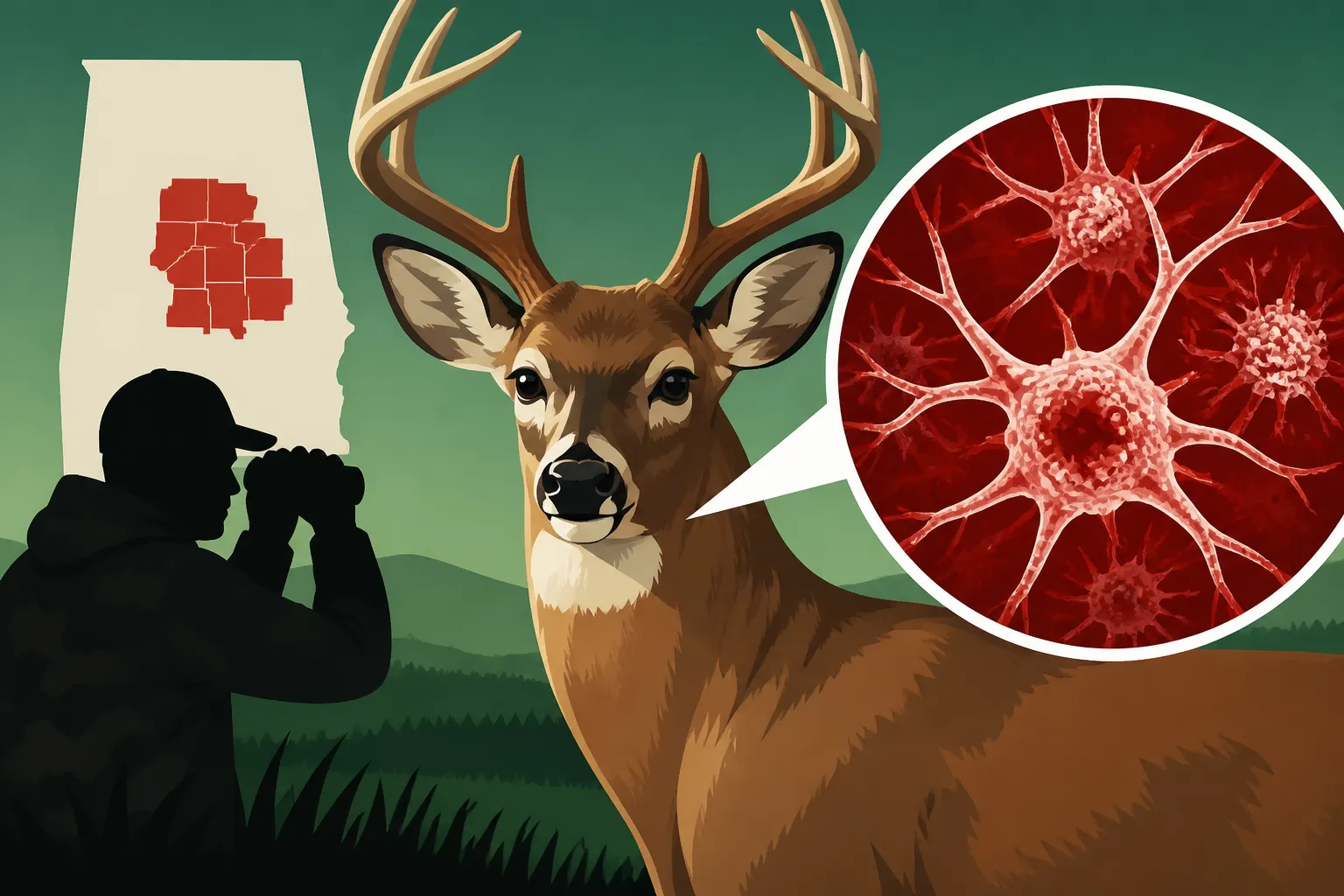
One of the biggest worries with any new CWD case is whether it represents a geographic expansion beyond the currently established CWD Management Zone. When a positive test pops up in a county previously thought to be clear, it’s like a new fire starting right when you thought you had the original one contained. This immediately triggers fears that the disease is spreading into new areas, potentially reaching counties further south or east, where hunting traditions and deer densities might be different. This kind of expansion means a whole new set of hunters in new regions suddenly have to contend with CWD regulations like Alabama Carcass Movement Restrictions and potential mandatory testing. It broadens the battlefront, making containment exponentially more difficult and expensive, both in terms of resources and the emotional toll on the hunting community. A new county means new land managers, new private landowners, and new public lands to educate and regulate, stretching already thin resources.
Increased Prevalence Rates in Established Zones
Beyond geographic spread, another major concern is an increase in the prevalence rate within the existing CMZ and High-Risk Zones. If the number of deer testing positive within these areas starts to climb, it indicates that the disease is becoming more firmly entrenched and more widespread among the local deer population. Imagine that first year, maybe 1 in 500 deer tested positive. If that jumps to 1 in 100, or even higher in localized pockets, that's a serious problem. A higher prevalence means a greater chance of continued transmission, as more deer are shedding prions into the environment. It also suggests that the efforts to contain it might not be slowing it down enough. Biologists know that as prevalence increases, the long-term impacts on deer populations—like herd health and overall numbers—become far more severe. This is the kind of data that can be tracked through platforms like GoHunt, if they feature aggregated state data, giving hunters a clearer picture of the local situation.
Here’s a quick look at how increasing prevalence might impact management:
| Prevalence Rate (Approx.) | Biological Impact | Management Challenge | Hunter Impact |
|---|---|---|---|
| Low (0-1%) | Isolated cases, often difficult to detect | Early detection critical, containment possible | Minimal direct impact, but awareness and compliance are key |
| Moderate (1-5%) | Disease spreading, increased local mortality | Aggressive surveillance, culling strategies considered | Increased testing, more carcass restrictions, potential bag limit changes |
| High (5%+ in pockets) | Significant herd health decline, population impacts | Long-term management, likely impossible to eradicate | Major changes to hunting, reduced deer numbers, potential health concerns |
Note: These percentages are illustrative and specific thresholds vary by scientific assessment.
Impact on Herd Health and Management Strategy
Ultimately, the deepest concern for biologists isn't just about the disease itself, but its profound long-term impact on the health and sustainability of Alabama's deer herd. CWD doesn't just kill deer; it fundamentally alters the age structure, sex ratios, and overall vigor of a population. With deer dying prematurely from the disease, there are fewer older bucks and fewer healthy does contributing to reproduction, which directly impacts Alabama Deer Population Estimate. This can lead to declining deer numbers in affected areas, reducing hunting opportunities and challenging the very foundation of our wildlife management goals. The disease forces difficult decisions, sometimes requiring increased harvest of deer, particularly does, in certain zones to reduce density and slow transmission. These are not easy choices, and they necessitate a dynamic and often unpopular shift in established hunting practices, making every new case a blow to long-term planning.
What Hunters Can Do to Help Combat CWD
It's easy to feel helpless when faced with a disease like CWD, but as hunters, we are on the front lines. Our actions, or inactions, can make a real difference in the fight to protect Alabama's deer. We have a vital role to play in monitoring, reporting, and preventing the further spread of this devastating disease.
Reporting Sick or Unusual-Looking Deer
The first and arguably most important thing any hunter can do is to be vigilant in the field and report any deer that appear sick or act strangely. You know what a healthy deer looks like; if you see one that is emaciated, stumbling, drooling excessively, or showing no fear of humans, do not harvest it if possible. Instead, immediately contact the Alabama Wildlife and Freshwater Fisheries Division. This isn't just about CWD; it’s part of a broader commitment to Reporting a Sick Animal in Alabama which helps track all kinds of wildlife health issues. Early detection is our best tool, and your eyes in the woods are the most effective surveillance network we have. Don't assume someone else will report it; take that responsibility seriously.
Understanding Carcass Management and Transport Rules
Another critical step is to strictly adhere to all CWD carcass management and transport rules, especially if you hunt in or near the CMZ. These regulations are designed to prevent the physical spread of infected material to new areas. This means knowing precisely what parts of a deer you can legally move out of a CWD-affected zone and which parts must be left behind or disposed of properly. Typically, only deboned meat, clean antlers, hides without heads, and finished taxidermy products are allowed to cross zone boundaries. Before heading out, especially if you're traveling a significant distance, consult the latest ADCNR guidelines. It's a pain, no doubt, but taking the extra time to debone a deer or use an approved processor within the zone is a small price to pay to help contain CWD and avoid potential legal trouble. For hunters unfamiliar with the rules, checking up-to-date sources like GoHunt or the Outdoor Alabama website is crucial.
Supporting Testing and Research Efforts
Finally, and perhaps most importantly, we need to fully support and participate in the state’s CWD testing and research efforts. When there are Mandatory CWD Testing Weekends or voluntary drop-off points, take the time to bring your harvested deer in for sampling. Every sample contributes valuable data that helps biologists understand the prevalence and distribution of the disease. This data is what guides future management decisions, from adjusting bag limits to refining testing strategies. Beyond direct participation, support for wildlife agencies and organizations that fund CWD research is vital. Our hunting license fees contribute to these efforts, but ongoing support and advocacy for robust funding ensure that Alabama has the resources to fight this battle effectively. This is a long-term challenge, and our collective commitment to scientific management is the only way we'll safeguard deer hunting for future generations.
Disclaimer
This article is for general informational purposes only and does not constitute professional advice. Laws, prices and regulations vary by location and change over time. Consult a qualified professional for guidance on your specific situation.