Why the Black Belt Grows Older Bucks
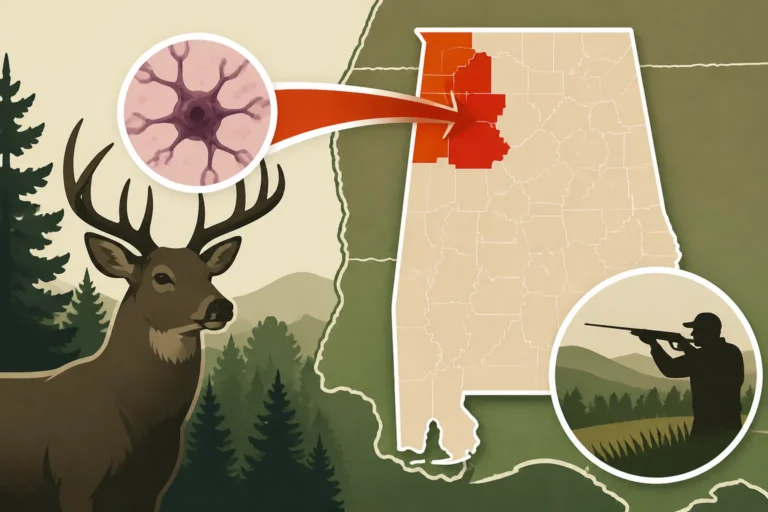
Have you ever wondered why some regions consistently produce older, more mature bucks, while others seem to be a sea of young spikes and basket racks? It can be incredibly frustrating to spend countless hours in the stand, only to see young deer, knowing that truly old, wise bucks are out there, just not where you are. For many hunters in Alabama, the answer to consistently seeing and harvesting older deer often lies within the fabled Black Belt region, a truly unique part of our state where conditions align perfectly to grow mature whitetails, and this guide will peel back the layers to explain exactly why.
The Unique Geological Underpinnings of the Black Belt
The Black Belt isn't just a geographical area; it's a geological phenomenon that directly translates into prime deer habitat. To truly understand why this region produces older bucks, we need to start from the ground up – literally. This isn't just about what grows; it's about the very earth itself.
A Legacy of Ancient Seas and Fertile Soil
Imagine, eons ago, much of central Alabama was submerged under a vast, shallow sea. Over millions of years, as marine life thrived and died, their shells and skeletal remains settled to the bottom, forming thick layers of calcareous sediment. This ancient seabed eventually uplifted and dried, leaving behind a distinctive belt of dark, rich, clayey soil, often called "blackland prairie" or simply the "Black Belt." This isn't your typical acidic, sandy soil you find in other parts of the state; this is soil with deep historical roots, literally. The high organic content and unique mineral composition are relics of that ancient marine environment, making it exceptionally fertile and productive. It’s a stark contrast to the often poor, rocky soils found in many of Alabama's more mountainous or sandier regions, and this fundamental difference is the first, crucial step in understanding why deer here thrive.
This rich soil fosters an incredible diversity and density of plant life. From nutrient-dense native forages like partridge pea, lespedeza, and various clovers to lush grasses, the Black Belt provides a smorgasbord for deer. Unlike areas with poorer soils where plants struggle to extract nutrients, everything that grows in the Black Belt seems to flourish. This means deer don't have to range as far to find quality food, leading to less stress and more energy allocated to growth, both bodily and antler-wise. Healthy plants mean healthy deer, and the foundation laid by these ancient seas continues to pay dividends for Alabama's deer herd today. It’s a natural gift that keeps on giving, year after year, cycle after cycle.
The Direct Link Between Limestone and Deer Nutrition
Underneath that dark, fertile topsoil lies another critical component: a bedrock of limestone. Limestone is primarily composed of calcium carbonate, a naturally occurring antacid, if you will. As rainwater percolates through the soil and over this limestone, it picks up dissolved calcium and other essential minerals, carrying them into the groundwater and, critically, making them available to the plants growing above. This natural infusion of minerals into the ecosystem is profoundly beneficial for deer, especially growing bucks. It's not just about having any food; it's about having nutritious food.
Calcium and phosphorus are absolutely vital for antler development and overall bone health in deer. Bucks, particularly during antler growth, have an immense demand for these minerals. In areas with acidic, mineral-deficient soils, even if a buck eats a lot, he might not be getting the specific building blocks needed for impressive antler growth or robust body size. But in the Black Belt, these minerals are readily available in the forage, allowing bucks to express their full genetic potential. This mineral richness supports not only larger antlers but also stronger bones, healthier coats, and a more resilient immune system, contributing to a deer's ability to survive longer and grow older. This geological advantage sets the stage for a deer herd that can truly flourish.
Abundant Forage: Fueling Antler Growth and Longevity
The fertility of the Black Belt soil naturally leads to an abundance of high-quality forage. Deer are creatures of opportunity and nutrition, and the Black Belt offers both in spades, providing the consistent energy and nutrients required to grow older bucks with impressive racks.
Natural Browse and Hard Mast Production
Beyond the cultivated fields, the natural landscape of the Black Belt is rich with deer delicacies. The native hardwood bottoms, interspersed throughout the region, are veritable factories for hard mast – specifically acorns from various oak species like white oaks, red oaks, and pin oaks. Acorns are a powerhouse of carbohydrates and fats, providing critical energy reserves for deer, particularly leading into and during the demanding rut and the colder winter months. When you talk about Hunting After a Poor Acorn Year, hunters in the Black Belt still often have other rich food sources to fall back on, making the impact less severe than in other regions.
Furthermore, the natural browse in the Black Belt is superior. Deer are browsers, relying heavily on the tender shoots and leaves of woody plants, vines, and forbs. The fertile soil supports a denser and more diverse array of these preferred browse species. Think about the thickets of greenbrier, honeysuckle, and various native legumes that thrive here. These plants are packed with protein, vitamins, and minerals, essential for antler growth, fawn development, and maintaining overall body condition. Bucks that consistently have access to this kind of high-quality natural forage are simply better equipped to reach older age classes and develop larger antlers than their counterparts struggling in less fertile ground. This consistent nutritional input means less dietary stress and more energy directed towards growth.
Agricultural Bounty and Supplemental Food Sources
While natural forage is fantastic, the agricultural landscape of the Black Belt takes deer nutrition to another level. This region is home to vast tracts of farmland, cultivating crops like soybeans, corn, and peanuts. These agricultural fields act as massive, high-energy food plots, available to deer for much of the year. During the spring and summer, growing soybeans provide an exceptional source of protein, crucial for body growth and velvet antler development. As fall approaches and crops mature, the carbohydrate-rich grains become a vital energy source, helping bucks pack on weight before the rigors of the breeding season.
Many landowners and hunting clubs in the Black Belt also go above and beyond by planting dedicated food plots. These plots often consist of clover, winter wheat, oats, or brassicas, providing year-round nutrition, especially through the cooler months when natural forage might be scarcer. This supplemental feeding, combined with the natural and agricultural bounty, creates an environment where deer rarely face nutritional stress. This continuous access to high-quality calories and protein means bucks can maintain peak health, grow larger bodies, and, importantly, invest more resources into growing impressive antlers year after year, allowing them to truly benefit from Hunting Black Belt Prairie Farmland Deer strategies. This abundance is a major factor in why you see such healthy, mature bucks roaming these fields.
Culture of Conservation: Management Practices that Promote Age
It's not just soil and food; it's also people. The widespread adoption of responsible hunting and land management practices in the Black Belt plays a monumental role in allowing bucks to reach older age classes. Hunters here often prioritize long-term herd health over immediate gratification.
Widespread Adoption of Quality Deer Management
One of the biggest drivers behind older bucks in the Black Belt is the pervasive culture of Quality Deer Management (QDM). This isn't just a buzzword; it's a philosophy focused on balancing the buck-to-doe ratio, allowing bucks to mature, and improving the overall health of the deer herd. Many hunting clubs and private landowners in the Black Belt strictly adhere to QDM principles, often implementing strict antler restrictions. This means that young bucks, particularly 1.5 and 2.5-year-olds, are often protected, giving them a chance to survive for another year or two and develop into truly mature animals.
These antler restrictions might mandate that a buck must have a certain number of points, or an inside spread measurement, before it can be harvested. This conscious decision to "let young bucks walk" is a testament to the long-term vision of hunters in the region. It can be hard to pass on a respectable young buck, but the reward is seeing that deer next year, bigger and more mature. This collective effort, practiced across thousands of acres, dramatically increases the survival rate of younger bucks into older age classes. It’s a commitment to management that directly contributes to the reputation of the Black Belt for older, wiser whitetails.
Private Land Ownership and Controlled Access
Another critical factor is the prevalence of large, privately owned and leased tracts of land in the Black Belt. Unlike many public lands that experience heavy hunting pressure from diverse hunter backgrounds and varying objectives, private land often allows for much more controlled access and consistent management strategies. When a single club or landowner is managing thousands of acres, they can dictate harvest quotas, enforce antler restrictions, and minimize hunting pressure across their property. This often means Alabama Public Land Antlered-Only Windows are not nearly as restrictive as private club rules.
The financial investment in leasing prime Black Belt hunting ground incentivizes clubs to implement sound management practices. They want to protect their investment and ensure a quality hunting experience for years to come. This controlled environment translates into sanctuary areas where deer can escape pressure, consistent food plot efforts, and a reduced risk of overharvesting younger bucks. This concentrated management effort over contiguous tracts allows deer, particularly bucks, to live longer, grow larger, and become the mature trophies the Black Belt is known for. It’s a system where good management can truly shine. Hunters using tools like GoHunt can often gain insight into large private land parcels and understand potential hunting pressure dynamics even before stepping foot in the area.
Habitat Diversity and Pressure Dynamics
Beyond the soil and management, the varied habitat and nuanced hunting pressure also contribute significantly to why the Black Belt can consistently produce older bucks. A deer's ability to evade hunters and predators, and find refuge, is just as important as the food it consumes.
The Role of Diverse Cover and River Bottoms
The Black Belt isn't just open fields; it boasts a rich tapestry of diverse habitats. Interspersed among the fertile croplands are dense hardwood forests, thick pine plantations, swampy creek bottoms, and meandering river corridors. These varied landscapes provide vital cover for deer, allowing them to escape hunting pressure and find secure bedding areas. A wise old buck isn't going to spend all his daylight hours in an open soybean field. He needs dense cover to feel safe, to bed down, and to travel unseen between food sources.
River bottoms, in particular, serve as crucial sanctuaries. The dense undergrowth, tangled briar patches, and often inaccessible terrain of river and creek swamps offer ideal hiding spots, especially during hunting season. These areas often receive less hunting pressure simply because they are harder to navigate. This diverse cover not only protects deer from hunters but also provides shelter from the elements and reduces stress, all factors that contribute to a buck's longevity. This mosaic of habitat allows deer to exhibit their natural behaviors with less disturbance, further increasing their chances of reaching an older age. When you are Setting Up on a Black Belt Field Edge, remember the thick cover nearby is just as important as the food.
How Hunter Numbers Influence Buck Survival
While the Black Belt is renowned for its hunting, the actual density and distribution of hunter pressure play a critical role in buck age structure. Because so much of the prime land is under private ownership and managed by clubs, hunter numbers are often significantly lower per acre than on heavily hunted public lands. This isn't to say there's no pressure, but it's often more controlled and strategically applied. Fewer hunters per square mile simply means a higher likelihood of individual bucks surviving multiple hunting seasons.
Moreover, the sheer size of many Black Belt properties allows deer to have vast areas where they can live relatively undisturbed. Mature bucks are incredibly adept at avoiding detection, and they quickly learn where safe zones are. With large acreage and lower hunter densities, these safe zones become more prevalent and effective. This combination of controlled pressure and expansive territory gives bucks the space and security they need to grow old, develop impressive antlers, and contribute to the region's legendary status. You can often see this difference when comparing Black Belt Versus Piedmont Deer, where different land use patterns lead to varying age structures. Tools like GoHunt can help hunters understand land ownership patterns and potential pressure zones, even on public access areas that border well-managed private lands.
Comparison of Deer Characteristics: Black Belt vs. Other Regions (Example)
| Characteristic | Black Belt Region | Other Alabama Regions (General) |
|---|---|---|
| Soil Fertility | High (limestone bedrock, dark clay) | Variable (acidic, sandy, rocky in places) |
| Forage Quality | Excellent (high mineral content, diverse) | Good to fair (can be mineral-deficient) |
| Primary Food Sources | Ag crops (soybeans, corn), acorns, lush browse | Acorns, some browse, limited agriculture |
| Deer Body Size | Larger, heavier average weights | Moderate average weights |
| Antler Potential | High (due to nutrition and age) | Moderate to good (can be limited by nutrition) |
| Average Buck Age | Higher proportion of 3.5+ year old bucks | Higher proportion of 1.5-2.5 year old bucks |
| Hunting Pressure | Often controlled/lower on private land | Variable, higher on public land |
| Management Focus | Strong QDM emphasis, herd health, antler quality | Variable, often opportunity-driven |
Disclaimer
This article is for general informational purposes only and does not constitute professional advice. Laws, prices and regulations vary by location and change over time. Consult a qualified professional for guidance on your specific situation.