Which Alabama County Kills the Most Deer
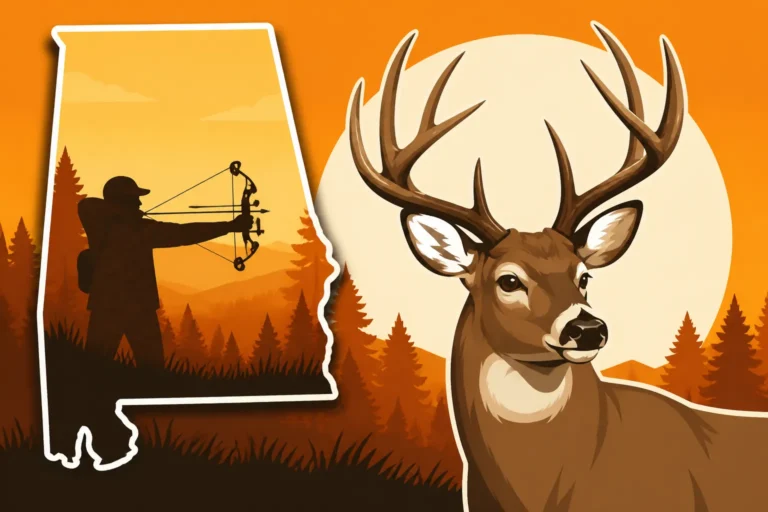
It's a question every deer hunter in Alabama has asked themselves at some point: "Where are the deer, and more importantly, where are other hunters finding success?" We all want to put ourselves in the best position for a productive season, and understanding where the highest deer harvests occur can certainly point us in the right direction. This guide will dive into the nuances of deer harvest data across Alabama, revealing the counties that consistently lead the pack and explaining the underlying factors that make them prime hunting grounds.
Decoding Alabama's Deer Harvest Numbers
When we talk about which Alabama county kills the most deer, it's easy to jump to conclusions based purely on raw numbers. However, understanding these statistics requires a bit more nuance. Harvest data is a snapshot, influenced by a multitude of factors, not just the sheer number of deer running around. It reflects hunter participation, habitat quality, land accessibility, and even local hunting culture.
The Role of Hunter Participation and Reporting
First off, a high harvest number often correlates directly with a high number of hunters. Counties with large populations or those that are easily accessible from major metropolitan areas might see more hunting pressure, and consequently, more deer reported. It's not always that the deer population itself is denser, but rather that more boots are on the ground. Plus, the accuracy of these numbers relies heavily on hunters adhering to Alabama Deer Reporting Rules. Every deer harvested, whether antlered or unantlered, needs to be checked in through the Game Check system. Consistent reporting paints a clearer picture for wildlife biologists and, ultimately, for us hunters trying to decipher trends.
When a county shows a consistently high harvest, it's usually a good indicator of a healthy deer population capable of sustaining that pressure. But it also means you might not be alone in the woods. Conversely, a lower harvest isn't necessarily a sign of a bad deer population; it could simply mean fewer hunters are working that particular area, or perhaps the habitat presents more challenges for hunters to find success.
Understanding Data Limitations
It’s crucial to remember that harvest data primarily reflects what hunters report, not necessarily the total deer population. There are always unreported harvests, and the data doesn't account for deer that might be present but are simply not accessible to hunters due to dense cover, private land restrictions, or other factors. Wildlife agencies use various methods, including aerial surveys, spotlight counts, and fawn recruitment studies, to estimate Alabama Deer Population Estimate and gain a fuller understanding of herd health beyond just harvest figures.
So, while harvest data is a powerful tool, it's just one piece of a much larger puzzle. It tells us where hunters are successful, which is incredibly valuable, but it doesn't always tell us where the densest deer populations reside without looking at other ecological data.
The Top Deer-Harvesting Counties in Alabama
Without naming specific annual numbers that fluctuate, there are several regions and counties in Alabama that consistently rank among the highest for deer harvest. These areas often combine excellent habitat, strong deer populations, and a rich hunting tradition.
The Black Belt's Enduring Legacy
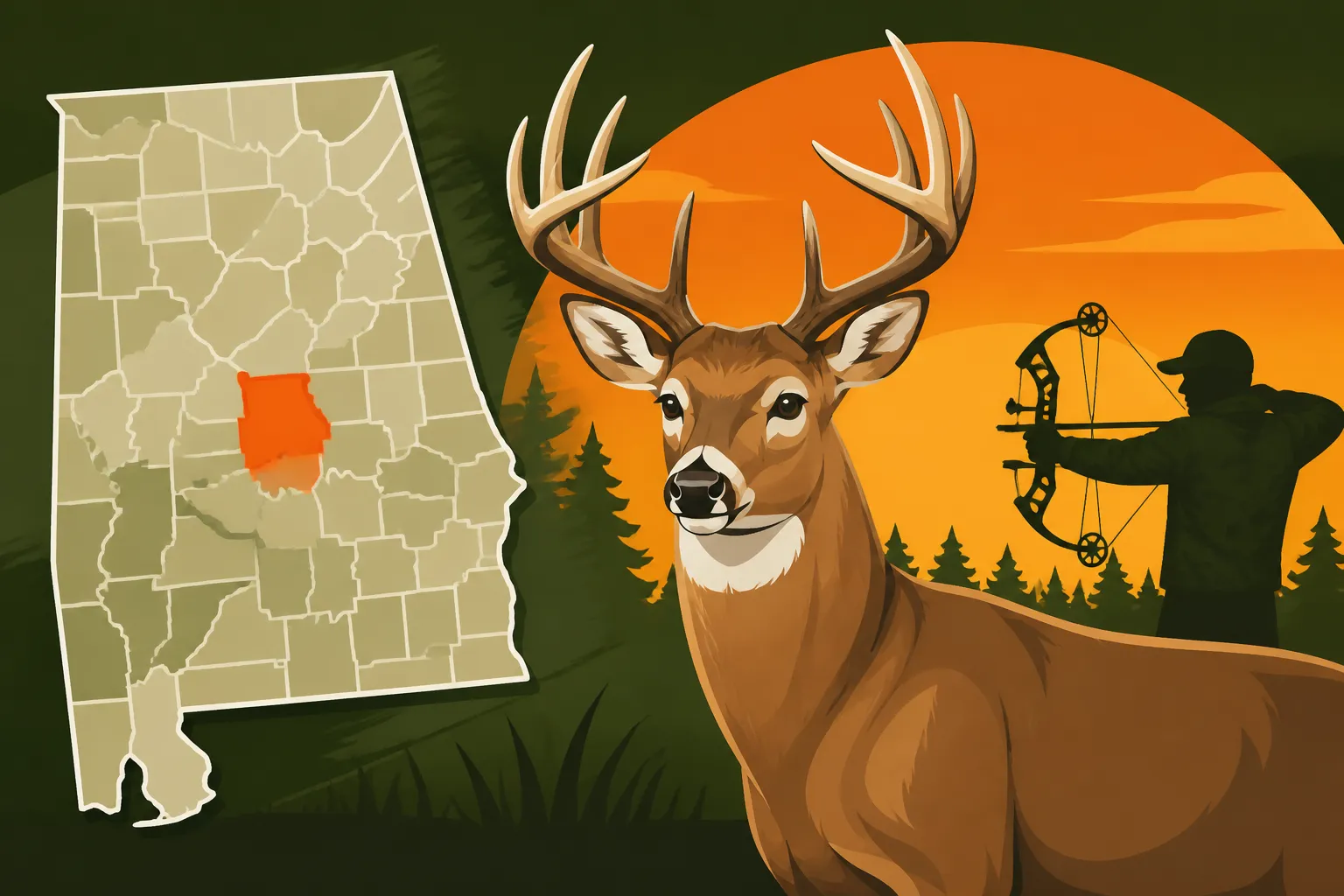
When you talk about deer hunting in Alabama, the Black Belt region almost always comes up. This crescent-shaped band of fertile soil running across the central part of the state is legendary. Counties within the Black Belt, such as Dallas, Marengo, Greene, Hale, Sumter, and Wilcox, consistently lead in total deer harvested. The deep, rich soils here produce exceptional forage, leading to healthier deer and often larger antler growth. These counties are often characterized by extensive private land holdings, many of which are managed specifically for trophy whitetails, but there's still good hunting to be had.
It's not uncommon for hunters in the Black Belt to experience high success rates, given the combination of plentiful food sources, good genetics, and often well-managed properties. While many prime spots are on private leases, exploring options like Hunting Black Belt Prairie Farmland Deer or seeking permission from landowners can yield incredible opportunities. The sheer volume of deer in these areas is often staggering, making them perennial favorites for those chasing high harvest numbers.
Southern Counties: Wiregrass and Coastal Plain Productivity
Moving south, counties in the Wiregrass Region and Coastal Plain also demonstrate impressive deer harvest figures. Areas like Conecuh, Escambia, Butler, and Covington counties often feature large tracts of pine timberland interspersed with agricultural fields and creek bottoms. This diverse habitat provides both cover and food, supporting robust deer populations. While perhaps not as famed for "trophy" deer as some Black Belt counties, these southern areas offer excellent opportunities for hunters focused on venison and consistent success.
The hunting pressure can still be significant here, especially on larger timber company lands or through established hunting clubs. However, the sheer acreage available, including parts of the Conecuh National Forest, means there's often room to roam. The seasons in these southern zones often extend later into the year, offering more opportunities.
North Alabama: Mountains and River Valleys
While the Black Belt often takes the spotlight, north Alabama's counties, particularly those bordering the Tennessee River Valley or nestled in the Appalachian foothills, also contribute significantly to the state's overall harvest. Counties like Lauderdale, Colbert, Limestone, Madison, and Franklin often post strong numbers. The varied terrain, from fertile river bottoms to mountainous ridges, offers diverse habitats. The focus here might be different, with more emphasis on hunting hardwood ridges and riverine habitats.
For hunters looking for public land options, Public Hunting Land in Alabama often includes substantial acreage in these northern regions, such as parts of the Bankhead National Forest or the Skyline Wildlife Management Area. While the deer might not always reach the same weights as their Black Belt cousins, these areas consistently produce good numbers of healthy deer, especially those focused on Still-Hunting Bankhead Forest Ridges or exploring the fertile river systems.
Top Deer-Harvesting Regions & Characteristics
| Region | Key Counties (Examples) | Primary Habitat Types | Hunter Access Tendency | Noted For |
|---|---|---|---|---|
| Black Belt | Dallas, Marengo, Greene, Sumter | Fertile agricultural fields, hardwood bottoms | Predominantly private, leases | High deer density, trophy potential |
| Coastal Plain/Wiregrass | Conecuh, Escambia, Butler, Covington | Pine timber, mixed forests, agriculture | Mix of private & timberland | Consistent harvest, good venison |
| North Alabama (River Valley) | Lauderdale, Colbert, Limestone, Franklin | River bottoms, hardwoods, foothills, agriculture | Mix of private & public | Solid harvest numbers, diverse terrain |
Note: This table provides general characteristics; specific county data can vary annually.
Factors Influencing High Deer Kills
Beyond just having a lot of deer, several key factors come together to make certain counties stand out in the annual harvest reports. These elements combine to create ideal conditions for both deer populations and hunter success.
Habitat Quality and Food Sources
It all starts with habitat. Deer need food, water, and cover, and the counties with the highest harvest numbers typically excel in providing all three. The Black Belt's rich agricultural lands offer an abundance of high-protein forage like soybeans, corn, and peanuts, which is Why the Black Belt Grows Big Bucks is a common topic. These food sources are supplemented by natural browse and hard mast crops like acorns in mature hardwoods. In the Wiregrass and Coastal Plain, carefully managed timberlands often include food plots and diverse understories, providing a steady food supply.
Counties with a healthy mix of agricultural fields, mature timber, and thick cover provide a mosaic that allows deer to thrive. They can bed in thickets, feed in fields, and have escape routes, leading to robust populations that can sustain a higher harvest rate. Hunters who understand Late-Season Food Sources for Alabama Whitetails or Hunting After a Poor Acorn Year can leverage their knowledge of habitat to increase their odds of success.
Land Use and Private Land Management
A significant portion of Alabama's deer harvest comes from private lands, particularly those managed intensely for deer. Many of the top-performing counties have a high percentage of privately owned land, including large hunting leases and plantations. These properties often implement quality deer management (QDM) practices, such as supplemental feeding, food plot programs, and selective harvesting, which can lead to healthier herds and higher deer densities. Hunters with access to such lands, whether through a club or lease, generally have a higher likelihood of success.
However, don't despair if private land isn't an option. While private lands dominate harvest numbers, there are still ample opportunities on public lands. Strategic scouting and understanding how deer use public land, which you can learn more about in resources like Scouting Alabama Public Land Before Season, can help you find your own honey holes.
Hunter Density and Accessibility
The number of hunters actively pursuing deer in a county directly impacts the reported harvest. Counties with easy access, well-maintained road systems, and proximity to larger towns or cities tend to attract more hunters. This increased hunter effort naturally translates to higher harvest numbers. However, more hunters can also mean more competition, especially on public land.
On the flip side, some counties with excellent deer populations might not show up as high in the harvest rankings simply because they are more remote or have less public access, thus attracting fewer hunters. Utilizing tools like GoHunt, hunters can often scout and identify areas with lower hunter pressure, even within high-harvest counties, by looking for less accessible parcels or understanding local road networks. It's all about finding that sweet spot between good deer numbers and manageable hunter competition.
Beyond Raw Numbers: Quality Versus Quantity
While it's exciting to talk about which Alabama county kills the most deer, it's equally important to consider what kind of hunting experience you're truly seeking. High harvest numbers are great for venison in the freezer, but they don't always equate to chasing mature, trophy-class bucks.
Balancing Harvest Rates with Trophy Potential
Some hunters prioritize filling their freezers, and for them, high-harvest counties are ideal. However, those focused on harvesting a Boone and Crockett-class buck might look at things differently. While the Black Belt is known for both quantity and quality, other regions might offer excellent opportunities for a mature deer, even if the overall harvest numbers are slightly lower. Often, a county with a slightly lower overall harvest but a strong history of producing older-age-class bucks might be more appealing to the trophy hunter.
This distinction often comes down to management philosophies. Properties managed for QDM will typically focus on allowing younger bucks to mature, even if it means passing up more deer overall in a given season. Understanding Alabama's Three-Buck Season Limit and the specific antler restrictions, such as The Four-Point Rule Exception in Barbour County, is critical, as these regulations are designed to influence buck age structure and, consequently, trophy potential.
Tailoring Your Hunt to Your Goals
Ultimately, the "best" county for deer hunting in Alabama depends entirely on your personal goals.
- For consistent action and venison: Focus on the high-harvest counties in the Black Belt, Wiregrass, or areas of North Alabama with strong agricultural influence. These areas often provide consistent opportunities throughout the season.
- For a chance at a true trophy: While these can be found anywhere, the Black Belt remains a top contender due to its fertile soils and intensive management practices. Researching Alabama Deer Harvest Records and local hunting club traditions can provide insight into specific areas known for larger deer.
- For a more secluded public land experience: You might consider larger national forests or WMAs that require more effort to access, potentially trading some immediate quantity for a more challenging but rewarding pursuit of deer that see less pressure.
No matter where you choose to hunt in Alabama, proper preparation, understanding the local regulations, and respecting the land are paramount. A valid Alabama Hunting Licenses and What They Cost is your first step, followed by diligent scouting and a realistic approach to the season. The state offers incredible diversity, and with a little research, you can find the perfect spot to pursue your deer hunting dreams.
Disclaimer
This article is for general informational purposes only and does not constitute professional advice. Laws, prices and regulations vary by location and change over time. Consult a qualified professional for guidance on your specific situation.