Alabama’s Recovering Bobcat Population
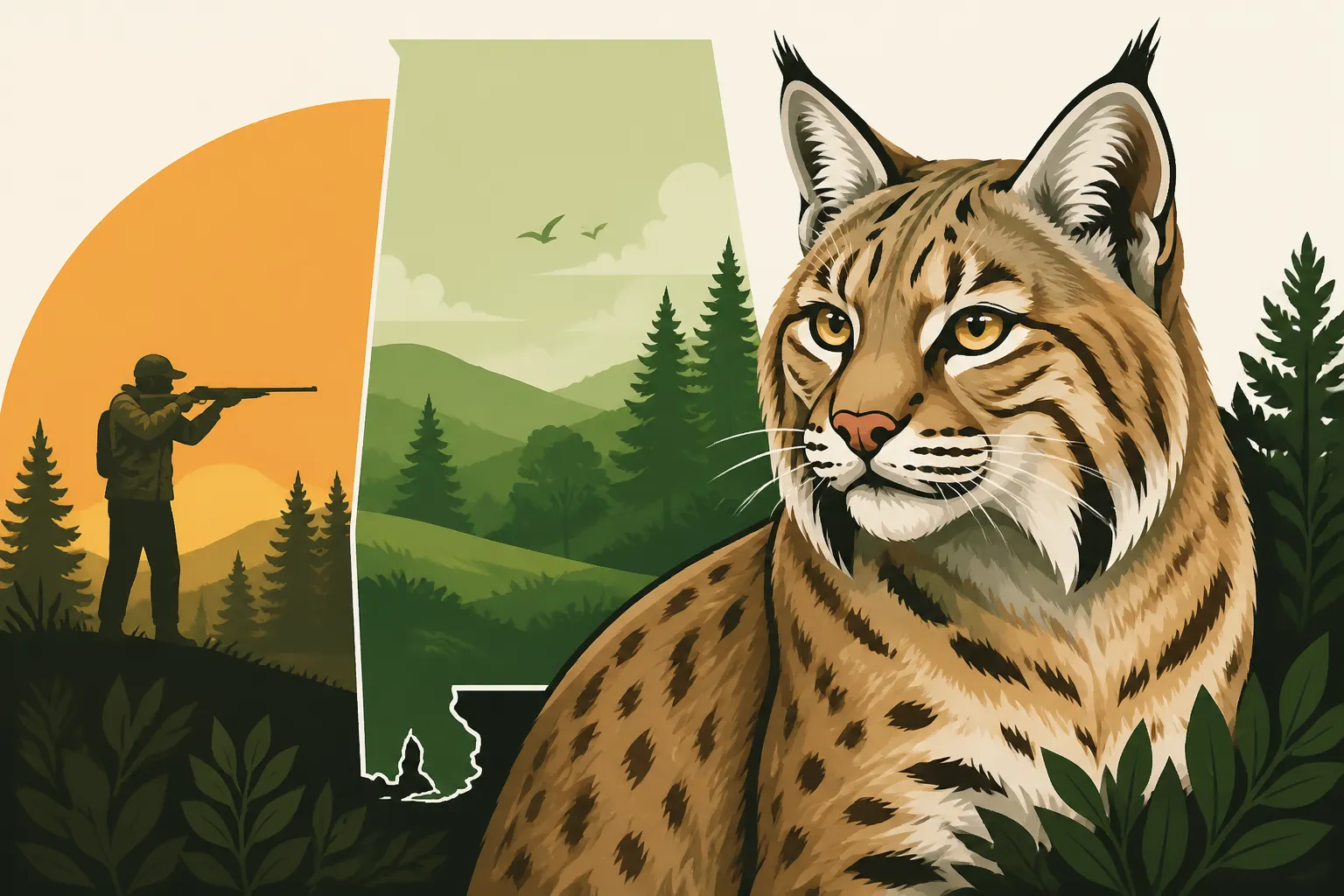
For many Alabama hunters and outdoors enthusiasts, catching a glimpse of a bobcat is like seeing a ghost – a thrilling, fleeting moment that speaks to the wildness still present in our state. These incredibly secretive and beautiful predators have always been a part of Alabama's rich natural heritage, but their populations faced challenges. This guide dives deep into the fascinating world of Alabama's bobcats, exploring their natural history, the reasons behind their recovery, and how these elusive felines thrive across our diverse landscapes today.
The Elusive Alabama Bobcat: An Overview
Bobcats (Lynx rufus) are native to Alabama and, indeed, much of North America. They are often confused with their larger, more northern cousins, the lynx, but bobcats are distinctly different. Known for their short, "bobbed" tail, tufted ears, and often spotted or striped coat, these medium-sized felines are perfectly adapted to a variety of habitats, from dense forests to swampy river bottoms, and even the edges of agricultural fields. Their stealthy nature and nocturnal tendencies make them a challenging animal to observe in the wild, which only adds to their mystique.
Understanding Bobcat Characteristics and Behavior
Bobcats are truly magnificent creatures, embodying a blend of power, agility, and cunning. An adult bobcat typically weighs between 15 and 30 pounds, though some larger males can tip the scales closer to 40 pounds. Their coats vary greatly, from reddish-brown to grayish, often with dark spots or streaks, which provide excellent camouflage in the varied terrains of Alabama. The distinctive short, black-tipped tail is usually only 4-7 inches long, giving them their common name. Their keen senses of sight and hearing are critical to their success as hunters, allowing them to detect the slightest movement or sound of prey.
These solitary animals are primarily nocturnal and crepuscular, meaning they are most active at dawn and dusk. During the day, they often rest in dense cover, hollow logs, or rock crevices. Their diet is diverse, consisting mainly of rabbits and rodents, but they will also opportunistically hunt squirrels, birds, and even young deer, particularly fawns. Their hunting strategy is a patient one, often involving stalking their prey and then unleashing a sudden, powerful pounce. They are incredibly adaptable, which is a major factor in their ability to thrive across diverse regions of Alabama.
Bobcat's Role in Alabama's Ecosystem
As apex predators in their local habitats, bobcats play a crucial role in maintaining healthy ecosystem balance. By preying on smaller mammals, they help control populations of herbivores like rabbits and rodents, which can, if unchecked, have significant impacts on vegetation and agricultural crops. This natural control helps prevent overgrazing and the spread of certain diseases within prey populations. Think of them as nature's pest control, working silently in the background to keep things in check.
Their presence also indicates a healthy habitat with a robust prey base and sufficient cover, meaning that areas with a strong bobcat population are often ecologically rich and diverse. For hunters, a healthy bobcat population can also indicate a good population of small game animals like rabbits, which are a primary food source for these felines. Understanding the bobcat's role is key to appreciating their significance beyond just their elusive beauty.
Historical Challenges and Modern Recovery
Like many wildlife species in North America, bobcats faced significant challenges throughout the 20th century. Habitat loss, unregulated hunting, and changing land use practices all contributed to declines in their numbers in various regions. However, Alabama’s bobcat population has shown remarkable resilience, and today, they are considered a common, stable species across most of the state.
Factors Leading to Historical Decline
Historically, bobcats were often viewed as varmints or competitors for game species, leading to periods of intensive hunting and trapping with little to no regulation. As human populations expanded and agricultural practices intensified, large tracts of their natural habitat were cleared, fragmented, or developed, reducing the dense cover and abundant prey they relied upon. This wasn't unique to Alabama; it was a common narrative for many predator species across the country. The lack of scientific understanding about their ecological value also played a part, as conservation efforts were often focused on larger, more visible game animals.
Another factor was the changing landscape itself. As forests were cut for timber or converted to farmland, the mosaic of habitat bobcats prefer — dense thickets interspersed with open areas for hunting — became scarcer in some regions. Without adequate places to hide, breed, and hunt, their populations naturally struggled. This period highlighted the critical need for sound wildlife management and habitat conservation.
Conservation Success: What Helped Bobcats Bounce Back
The recovery of Alabama's bobcat population is a testament to improved wildlife management and a greater understanding of predator ecology. State wildlife agencies, including the Alabama Department of Conservation and Natural Resources (ADCNR), implemented regulations that established hunting and trapping seasons, bag limits, and licensing requirements, ensuring that harvest levels were sustainable. These measures were crucial in allowing populations to stabilize and grow.
Beyond regulation, habitat restoration and conservation efforts have played a significant role. The regrowth of forests, particularly pine plantations that provide excellent cover in their early stages, and the preservation of large tracts of undeveloped land have benefited bobcats. The adaptability of bobcats also cannot be overstated; they have shown an impressive ability to utilize a variety of landscapes, including those influenced by human activity, as long as sufficient food and cover are available. This adaptability, combined with responsible management, has ensured that Alabama's wild places continue to be home to these captivating creatures.
Bobcat Habitat and Distribution Across Alabama
One of the most remarkable aspects of Alabama's bobcat population is their widespread distribution. You can find these adaptable felines from the mountainous regions of North Alabama to the coastal plains and river deltas in the south. Their ability to thrive in such diverse environments speaks to their incredible resilience and the varied landscapes our state offers. Understanding where they live and what kind of cover they prefer can greatly enhance your chances of a rare sighting, whether you're hunting or just enjoying the outdoors.
Preferred Habitats in Different Regions
Bobcats aren't terribly picky when it comes to habitat, as long as there's plenty of dense cover and an ample supply of small game. In the northern, more mountainous areas of Alabama, such as around the Talladega National Forest Hunting or William B. Bankhead National Forest Hunting, bobcats often inhabit rocky outcrops, dense pine and hardwood forests, and creek bottoms. These areas provide abundant denning sites in rock crevices and fallen timber, along with a healthy population of squirrels and rabbits. The varied terrain offers excellent ambush points and concealment.
As you move into the Black Belt Prairie Farmland Deer country of Central Alabama, bobcats adapt to living in thickets, fencerows, and drainages that crisscross agricultural fields. These spots offer refuge from open areas and serve as travel corridors. In the southern regions, including the Wiregrass and the Coastal Alabama River Swamps, they are frequently found in dense swamps, palmetto thickets, and pine forests, often close to water sources where prey like marsh rabbits and waterfowl might be found. They are truly masters of camouflage in any environment.
Signs of Bobcat Presence
Given their elusive nature, directly seeing a bobcat is a rare treat. More often, you'll encounter signs of their presence. Tracks are a common indicator, identifiable by their rounded shape, four toe pads, and the absence of claw marks (unlike dogs or coyotes, bobcats retract their claws when walking). Look for tracks along muddy creek banks, sandy trails, or after a fresh rain.
Scat can also provide clues; bobcat droppings are usually segmented, blunt-ended, and often contain hair and bone fragments from their prey. These are often found along trails or near prominent features. Occasionally, you might find a kill site, indicated by a small cache of uneaten prey covered with leaves, grass, or dirt, a common practice for bobcats to protect their food from scavengers. Using a trail camera in areas with good cover and active prey can significantly increase your chances of getting a photo of these secretive felines, and tools like GoHunt can help you identify potential habitat and pinch points.
Hunting and Management Regulations for Bobcats in Alabama
While bobcats are thriving, their populations are still carefully managed by the Alabama Department of Conservation and Natural Resources (ADCNR) to ensure sustainability. For hunters and trappers interested in pursuing these cunning predators, understanding the regulations is crucial. Unlike deer or turkey, bobcat hunting isn't as widespread, but it offers a unique challenge for those seeking a true test of their predator calling and woodcraft skills.
Season Dates and Bag Limits
Alabama offers a generous season for hunting and trapping bobcats, typically aligning with the state's broader furbearer seasons. This long season allows hunters and trappers ample opportunity to pursue them. There are specific rules regarding the daily and seasonal bag limits, which are designed to prevent overharvesting and maintain healthy populations. It's essential to check the current Alabama hunting and trapping regulations for the exact dates and limits each year, as these can be subject to change.
Generally, bobcats can be taken by legal means during these established seasons, which often run for several months, usually starting in the fall and extending through late winter or early spring. While there might not be a specific bobcat-only season, they fall under the general furbearer category. This extended period reflects the stable nature of their population and the relatively low hunting pressure they receive compared to other game species.
Legal Methods for Harvest
Hunters and trappers can pursue bobcats using a variety of legal methods in Alabama. For hunters, calling is a popular and effective technique, often involving mimicking distress calls of rabbits or rodents to draw in curious bobcats. Shotguns, rifles, and archery equipment are all legal for taking bobcats during the appropriate seasons. Some hunters also use dogs, similar to methods employed for Running Dogs on Alabama Feral Hogs or for squirrel hunting.
Trapping is another common method, with specific regulations governing trap types, sizes, and setting locations to ensure humane practices and target specificity. For those interested in Alabama Trapping License Requirements or Alabama Fox and Bobcat Trapping Season, consulting the ADCNR regulations is a must. Regardless of the method, ethical hunting and trapping practices are paramount, respecting the animal and adhering to all state laws.
Table: Common Bobcat Signs and What They Tell You
| Sign Type | Description | What It Suggests |
|---|---|---|
| Tracks | Rounded, 4 toe pads, no claw marks, ~2 inches wide. | Recent travel, common thoroughfares, hunting paths. |
| Scat | Segmented, blunt ends, often with hair/bone. | Area of regular activity, recent feeding. |
| Scratch Marks | On trees, posts, or logs, often paired. | Territory marking, claw sharpening. |
| Kill Sites | Partially eaten prey, often covered with debris. | Active hunting ground, bobcat recently fed here. |
| Vocalizations | Growls, hisses, purrs, occasional 'meows' or howls. | Communication with other bobcats, especially during breeding. |
Importance of Responsible Management
The continued recovery and stability of Alabama’s bobcat population rely heavily on responsible management by the ADCNR. This involves ongoing population surveys, monitoring harvest data, and adjusting regulations as needed. The goal is to ensure a healthy ecosystem where bobcats can thrive, providing ecological benefits and offering recreational opportunities for hunters and trappers. For instance, Alabama Wildlife Disease Monitoring also plays a role in understanding the overall health of the bobcat population.
As hunters, we share a responsibility in this management by adhering to all laws, reporting harvests accurately, and promoting ethical practices. The more we understand the lifecycle and ecological needs of species like the bobcat, the better we can contribute to their long-term health. The sustained presence of bobcats is a strong indicator of the overall health of Alabama's wild places.
Observing and Locating Alabama Bobcats
For many, the ultimate goal isn't to harvest a bobcat, but simply to catch a glimpse of this magnificent animal in its natural habitat. It's a challenging endeavor, given their secretive nature, but with patience and a bit of know-how, you can increase your chances of seeing one. Whether you're a nature photographer, a bird watcher, or a deer hunter hoping for an unexpected encounter, understanding bobcat habits is key.
Tips for Increasing Your Chances of a Sighting
The first rule of bobcat spotting is patience. These animals are masters of stealth and camouflage. Your best bet is to be in their preferred habitat during their active hours – dawn and dusk. Setting up in a quiet location near dense cover, such as a thick fencerow, a creek bottom, or the edge of a clear-cut, can increase your odds. Consider areas with a high density of their primary prey, like rabbits and squirrels. Squirrel Hunting Alabama Bottomland Hardwoods often puts you in areas where bobcats might also be active.
Using trail cameras is an excellent way to document bobcat presence without direct observation. Set cameras up along game trails, near potential den sites, or in areas where you've found tracks or scat. Over time, these cameras can reveal patterns of movement and activity. If you're out hunting other game, remain vigilant and observant; sometimes, a bobcat will appear when you least expect it, moving silently through the underbrush.
Respecting Their Space and Wild Nature
When you are fortunate enough to spot a bobcat, it's crucial to respect its wild nature. Maintain a respectful distance to avoid disturbing the animal. Never attempt to approach or feed a wild bobcat. While they typically avoid human contact, like any wild animal, they can be unpredictable if cornered or threatened. Enjoy the moment from afar, appreciate their natural beauty, and allow them to continue their natural behaviors undisturbed.
Remember that bobcats are wild predators, and their survival depends on their ability to hunt and remain elusive. Disturbing them can disrupt their hunting patterns or cause them unnecessary stress. Understanding and respecting their role in the ecosystem is part of the joy of observing any wildlife. Their presence reminds us of the true wildness that still exists in Alabama's diverse landscapes.
Disclaimer
This article is for general informational purposes only and does not constitute professional advice. Laws, prices and regulations vary by location and change over time. Consult a qualified professional for guidance on your specific situation.