Alabama Public Dove Field Draw Rules
It’s a tale as old as time for Alabama dove hunters: that thrilling anticipation for opening day, followed by the frustrating scramble to find a good spot. So often, we dream of a hot field where birds are pouring in, only to arrive and find it overcrowded, or worse, realize we missed a crucial deadline to even get access. It feels like everyone else has a secret honey hole, and trying to navigate the public land draw system can feel like deciphering ancient texts. This guide is here to cut through the confusion and help you understand the Alabama Public Dove Field Draw Rules, ensuring you’re well-equipped to secure your chance at a fantastic hunt.
Understanding Alabama's Public Dove Field Program
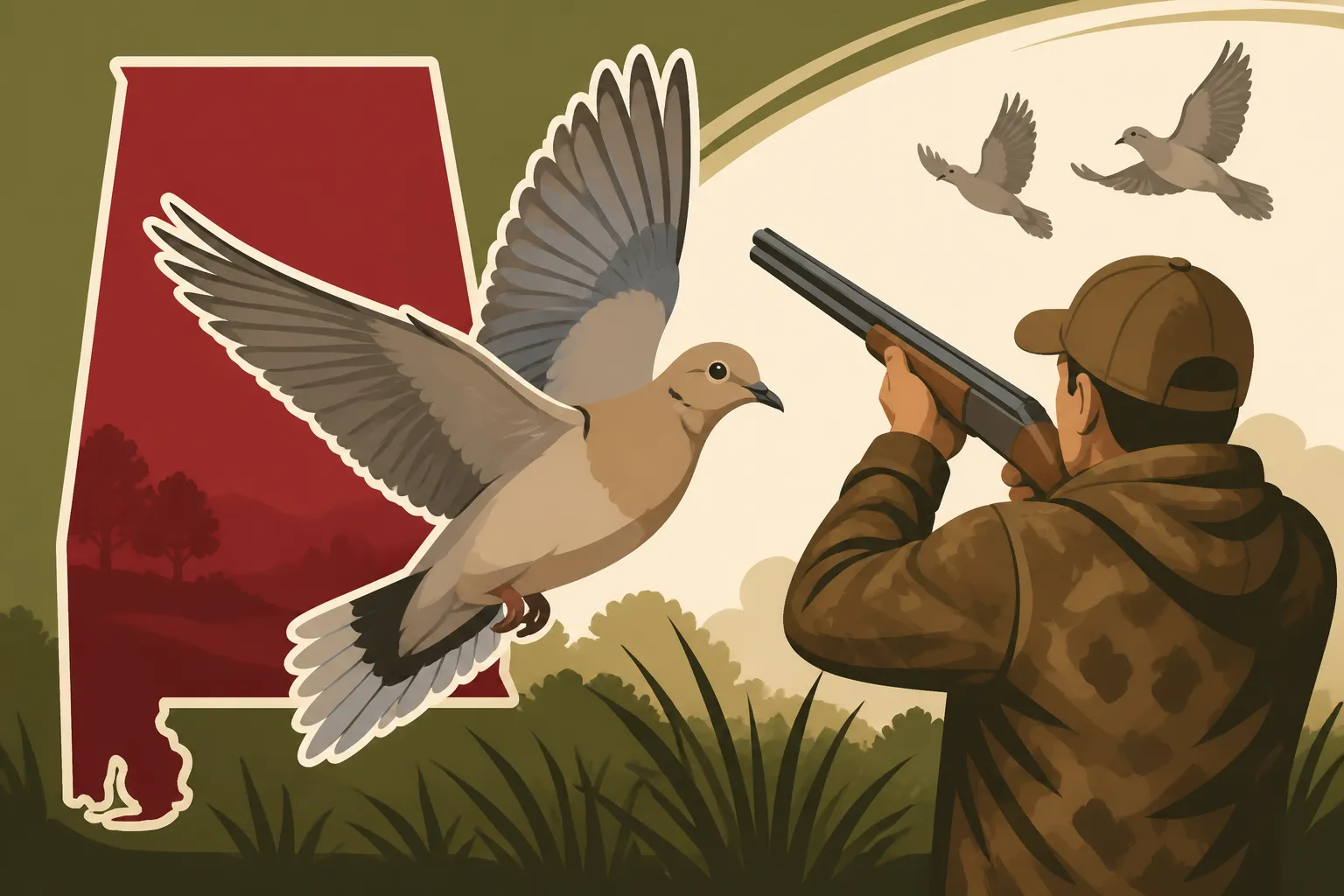
Finding a quality dove hunting spot on private land can be a real headache. Most of the prime fields are either leased up years in advance or are strictly for landowners and their close friends. This often leaves many passionate hunters feeling left out, searching for affordable and accessible options to enjoy the fast-paced action of a good dove shoot. Thankfully, the Alabama Wildlife and Freshwater Fisheries Division (WFF) steps in with its public dove field program. These fields are specifically managed, planted, and prepared to be irresistible to doves, offering an incredible public opportunity. However, because they are so popular, especially for the coveted opening weekends, access is typically managed through a fair but competitive lottery draw system.
The WFF dedicates significant resources to these fields, planting them with favored dove foods like sunflowers, various millets, corn, or wheat. As the season approaches, these crops are often manipulated – mowed, disked, or sometimes even lightly burned – to make the seeds readily available to doves. This intensive management makes these fields exceptionally attractive, often concentrating birds in ways that unmanaged public lands simply can't. Without this program, countless hunters might never experience the thrill of a truly "hot" dove field. It’s a brilliant initiative that brings quality hunting to the public, but it absolutely requires understanding the application process and rules to participate successfully. The sheer demand for these high-quality, limited spots is the driving force behind the necessity of a draw system, aiming to distribute opportunities fairly among eager hunters.
Why Public Dove Fields Are So Popular
The draw of Alabama's public dove fields isn't just about offering access; it's about providing premium access. Imagine pulling up to a field where the WFF has done all the hard work: sunflowers cut just so, millet standing tall, and doves already buzzing the lines. That's the ideal scenario these fields aim to deliver. For many, dove hunting is more than just a hunt; it's a cherished social tradition, a chance to gather with friends and family, and an excellent way to kick off the hunting season while putting some delicious birds in the cooler. The limited number of these expertly managed fields, combined with the vast number of hunters seeking them out, naturally creates intense competition. This is particularly evident during the initial opening weekend of the Alabama Dove Season Opening Weekend, which is almost always the most productive and consequently the most highly sought-after period. Grasping this demand helps explain why the draw process is so critical and why overlooking a deadline can mean missing out on the season's best action.
Where to Find Information and Field Locations
When it comes to staying informed about public dove fields, your most reliable resource will always be the official Alabama Department of Conservation and Natural Resources (ADCNR) website, specifically the Wildlife and Freshwater Fisheries Division section. This is where they typically post detailed information regarding field locations, application periods, and eventually, the draw results. You might also find supplementary information at local WFF district offices or on specific Wildlife Management Area (WMA) websites, particularly for fields situated within those areas. It’s not always a single, intuitive page, so be prepared to do a little searching. However, official state channels are unequivocally the most accurate source. Diligently checking these resources is your absolute first step to identifying available fields and understanding their specific schedules and requirements. Additionally, modern tools like the GoHunt app or other reputable hunting platforms often integrate public land boundary data and, occasionally, community-shared insights on specific field locations. While these can be helpful for initial visualization and planning, always double-check any critical dates or rules against the official state sources to avoid disappointment.
The Application Process for Public Dove Fields
Alright, so you’re ready to jump into the fray and apply for a spot. Navigating the application process is the next big hurdle, and honestly, it’s not particularly complex, but any misstep or missed deadline will effectively take you out of the running. Think of it less like a casual sign-up and more like a competitive entry – precision and timeliness are key. The WFF primarily uses an online application system, which you'll typically access through the main Outdoor Alabama website or their handy Outdoor Alabama App. This is truly where your proactive planning will pay off dividends.
The single most critical element to remember is the application window. These periods are usually quite concise, often spanning just a few weeks sometime in July or early August. This timing is deliberate, allowing ample time for the draw to be conducted and notifications to be sent out well before the September dove opener. I can’t stress this enough: mark your calendar, set multiple digital reminders, and perhaps even enlist a trusted hunting buddy to give you a nudge. You absolutely do not want to be caught off guard, realizing the deadline has passed while you were busy with other preparations.
Step-by-Step Guide to Applying
Successfully applying for a public dove field hunt in Alabama is a methodical process, but it’s entirely manageable if you approach it systematically. Before you even begin, you absolutely need an active Alabama hunting license. Take the time to confirm you have your Alabama Hunting Licenses and What They Cost sorted out and current well in advance of the application period. You'll also be required to have your Alabama Migratory Bird Certification, commonly known as HIP (Harvest Information Program) certification. This is a federal requirement for anyone hunting migratory game birds and is typically a free endorsement that you add to your existing hunting license. It might seem like an extra step, but it’s mandatory.
Here’s a general, step-by-step breakdown of how to submit your application:
- Access the Outdoor Alabama Website: Navigate to the official ADCNR website. Look for a section explicitly labeled "Managed Hunts," "Quota Hunts," or "Public Dove Field Draw." This is the central hub where all state-managed lottery hunts, including those for dove, are administered.
- Log In or Create an Account: You will need to log in using your customer ID, which is typically found on your hunting license. If you're a new user or haven't logged in before, you'll need to create an account. Ensure all your personal details are accurate and up-to-date.
- Locate the Dove Field Draw: Carefully find the specific application link for the public dove field draw. Be aware that there might be different draws for various fields, specific dates, or even different hunting zones, so read all descriptions thoroughly.
- Select Your Preferences: Most application systems will allow you to select multiple fields or dates, ranking them by preference. It’s always a good strategy to list the fields you genuinely want to hunt, even if they appear popular. Don't shy away from your top choices just because you fear competition. While GoHunt can sometimes offer insights into popular fields or areas, remember that the draw is ultimately a random lottery.
- Pay the Application Fee: A small, typically non-refundable application fee is usually required for each draw application. This fee helps offset the administrative expenses involved in running the draw program and maintaining these specialized fields.
- Review and Submit: Before hitting the submit button, meticulously double-check all the information you've entered. Verify that your contact details are correct; this is how you'll receive critical notifications if you are drawn.
- Anticipate Results: The waiting game begins. Draw results are generally announced a week or two prior to the season opener. You'll often receive an email notification, or you may need to proactively log back into the online system to check your application status.
Key Deadlines and What Happens Next
The deadlines for these draws are absolutely non-negotiable. As previously mentioned, the application period for the most sought-after opening weekend draws typically falls within July or early August. For instance, if the season is slated to open on the first Saturday in September, applications might close by mid-August to ensure adequate time for processing all entries. It is critically important to monitor the official Outdoor Alabama calendar for precise dates. In some instances, for later hunting splits or fields that are less intensely popular, there might be subsequent draw opportunities or even the release of first-come, first-served permits.
If you are fortunate enough to be drawn, you'll receive notification, often accompanied by a permit that you'll need to either print out or have readily accessible on your mobile device. This permit will clearly specify your assigned hunting date, the particular field, and any unique instructions you need to follow. It is an absolute requirement that you have this permit on your person while hunting, along with your valid hunting license and HIP certification. Should you not be drawn, don't let discouragement set in! Many public fields, particularly after the fervor of the initial opening weekend subsides, transition to general public access or offer self-serve permits. Always, always check the specific rules for any field you're interested in, as regulations can vary significantly. Keep in mind that some WMAs might allow for Working a Dove Field on Opening Day even without a draw, but these fields tend to be less intensively managed and consequently receive higher levels of Hunting Pressure on Alabama Public Land.
Maximizing Your Chances and What to Expect
Congratulations, you’ve been drawn! That's a huge step. But securing a permit is only the beginning. To truly capitalize on your opportunity and enjoy a successful dove hunt, you need a solid strategy. This isn't merely about pointing and shooting; it involves understanding dove behavior, assessing field conditions, and knowing how to position yourself effectively within a potentially crowded environment.
Scouting and Field Selection Strategies
Even before the application period, a bit of digital legwork can pay off immensely. Utilize online mapping tools to examine the general vicinity of the public fields you’re considering. Are these fields located near significant water sources? Are there known dove roosting areas, like dense pine stands or old hardwood bottoms, nearby? While you typically can't physically scout a specific drawn field until closer to the season (and certainly not until you know you've been drawn), understanding the broader landscape can help you make informed choices during the application phase. For example, some fields might have a reputation for attracting more birds due to historical patterns, while others might offer easier access or less competition. The detailed mapping features of a tool like GoHunt can be incredibly beneficial here, allowing you to layer public land boundaries with high-resolution satellite imagery, helping you visualize potential flight paths, adjacent cover, and key entry points.
Once you’ve successfully drawn a permit, or if you plan to hunt a general-access field, in-person Scouting Alabama Public Land Before Season becomes absolutely invaluable. This is a critical step for Setting Up a Dove Field Before Opening Day. Drive by your assigned field a few days prior to your hunt. Look for prominent features like power lines, large dead trees, or isolated snags where doves naturally tend to congregate before dropping into the field. Pay close attention to their flight patterns: are they consistently entering from a specific direction? Are they favoring a particular corner of the field or a specific type of cover? This kind of on-the-ground intelligence empowers you to choose your exact setup location, potentially giving you a significant advantage over hunters who simply walk in without prior observation. Also, observe how the WFF has prepared the field; some might be mowed in strategic strips, while others are entirely cut, directly impacting where doves will concentrate their feeding.
What to Bring and How to Set Up
Preparing for a dove hunt is fairly straightforward, but a few key items can dramatically improve your experience. Beyond your trusty shotgun, plenty of shells (you’ll likely shoot more than you think!), and all your valid licenses, seriously consider bringing a comfortable stool or a five-gallon bucket to sit on. Doves often come in unpredictable waves, and you'll greatly appreciate a place to rest during lulls. A cooler packed with ample water, perhaps some sports drinks, and snacks is non-negotiable, especially on those warm early-season days. Good quality sunglasses are essential for sky-watching and reducing glare, and proper ear protection is an absolute must. Don't forget a robust bug repellent; mosquitoes and gnats can be quite aggressive in Alabama.
When it comes to your actual setup in the field, subtle discretion often yields the best results. Seek out a spot that offers some natural cover – a fencerow, a patch of tall weeds, or a slight depression in the field. Avoid standing exposed in the middle, even if you’re wearing camouflage. Doves possess incredibly keen eyesight. Positioning yourself along a likely flight path, perhaps near the edge of a stand of timber or close to a water source (if allowed), can significantly increase your shooting opportunities. If you're hunting with a group, ensure everyone spreads out safely, maintaining clear fields of fire and a safe distance from one another. Remember to always abide by Alabama Public Land Hunting Hours, which typically permit shooting from one-half hour before sunrise until sunset.
Here's a quick comparison of factors to consider when evaluating different types of public dove fields:
| Feature/Factor | High-Demand Fields (Often Draw Only) | General Access Fields (No Draw or After Initial) |
|---|---|---|
| Preparation Level | Highly managed, strategically planted, mowed, disced for doves. | May be less intensively managed, more reliance on natural forage. |
| Competition Intensity | Very high, especially during opening weekend and peak flights. | Moderate to high, depending on location and popularity of specific days. |
| Access Control | Requires a draw permit; strict entry rules and designated parking. | Open access, or simple self-serve permit pickup. More flexible. |
| Expected Harvest | Potential for very high bag limits if conditions and weather are optimal. | More variable; still good potential but less consistent due to management. |
| Scouting Flexibility | Crucial for precise setup, but physical scouting may be limited pre-draw. | Easier to scout extensively and openly before your planned hunt. |
| Crowd Management | Intense, but WFF usually designates hunting zones to spread hunters. | Can become very crowded, leading to potential safety and etiquette issues. |
| Hunting Flexibility | Limited to your specific drawn date and time slot. | More flexible; can hunt multiple days/times if desired. |
Key Regulations and Etiquette on Public Dove Fields
Hunting on Alabama's public lands, particularly in high-traffic areas like managed dove fields, means you are invariably sharing that space with many other passionate hunters. To ensure a safe, enjoyable, and sustainable experience for everyone involved, and crucially, to protect the wildlife resource, it is absolutely essential to adhere to all established regulations and practice impeccable field etiquette.
Essential Rules and Safety Guidelines
Above all else, safety must be your paramount concern. Dove hunting often involves shooting at rapidly moving birds high in the sky, which means spent shot can travel considerable distances. You must always maintain acute awareness of your surroundings: other hunters, nearby vehicles, buildings, and any public access points. Establish and adhere to a safe shooting zone, and critically, never shoot low. While How Much Blaze Orange Alabama Requires is a common question, it’s not universally mandated for dove hunting. However, wearing some form of blaze orange or other brightly colored clothing, even if not legally required, is an exceptionally smart move for enhanced visibility and safety, especially when moving to and from your spot on busy days.
Beyond personal safety, you are legally bound to adhere to the Alabama Dove Season Bag Limit, which is typically 15 doves per day. Be certain you can accurately identify a mourning dove in flight and avoid mistakenly shooting at protected species. Environmental stewardship is also crucial: leave absolutely no trace behind. Pick up every single spent shotgun shell and any other refuse you bring into the field. This isn't just a polite suggestion; it's a fundamental rule and a matter of profound respect for the land and your fellow hunters. Furthermore, remember that Alabama Hunter Education Requirements are in place for excellent reasons; ensure that you, and any youth hunters you are mentoring, have met these necessary educational standards.
Respecting Other Hunters and the Environment
Public dove fields are communal resources, and fostering a positive, productive atmosphere depends entirely on everyone demonstrating mutual respect. When you’re selecting and setting up your hunting spot, always ensure you provide other hunters with ample personal space. Under no circumstances should you walk directly into another hunter’s established shooting lane or attempt to cut off birds that another group is clearly working. A simple wave, nod, or friendly greeting can go a long way in establishing good rapport. If you observe another hunter struggling or having a tough time, a helpful, friendly tip (if invited) can be appreciated, but always avoid being overly critical, confrontational, or disruptive.
If you choose to bring a retrieving dog along, be especially mindful of its behavior. A well-trained, disciplined retriever is an invaluable asset on a dove hunt, saving countless downed birds. However, a dog that consistently charges through other hunters' areas, barks excessively, or spooks incoming birds can quickly sour the experience for everyone else. Keep your dog under strict control, preferably on a leash when not actively retrieving, and always consider its temperament in a crowded environment.
Finally, always be acutely aware of and adhere to Alabama Dove Field Baiting Rules. It is unequivocally illegal to hunt doves over a baited field. While the WFF goes to great lengths to manage these public fields in a legal manner, introducing your own supplemental feed or inadvertently hunting over an illegally baited area (even if you were unaware of the baiting) can result in severe legal penalties. If something in a public field looks suspicious or out of place, it is always best to report it to the authorities or simply find an alternative hunting location. By understanding and consistently upholding these regulations and basic courtesies, we collectively ensure that Alabama's public dove fields remain a vibrant, safe, and accessible hunting tradition for all current and future generations.
Disclaimer
Please remember that hunting regulations, dates, and application procedures are subject to change. While this guide provides a thorough and comprehensive overview of Alabama's public dove field draw rules, it is your ultimate responsibility to independently verify all current regulations, specific dates, and any updated requirements directly with the Alabama Department of Conservation and Natural Resources (ADCNR) or the appropriate governing authority before participating in any hunting activity. Always prioritize safety and hunt responsibly.