Alabama Dove Season Opening Weekend
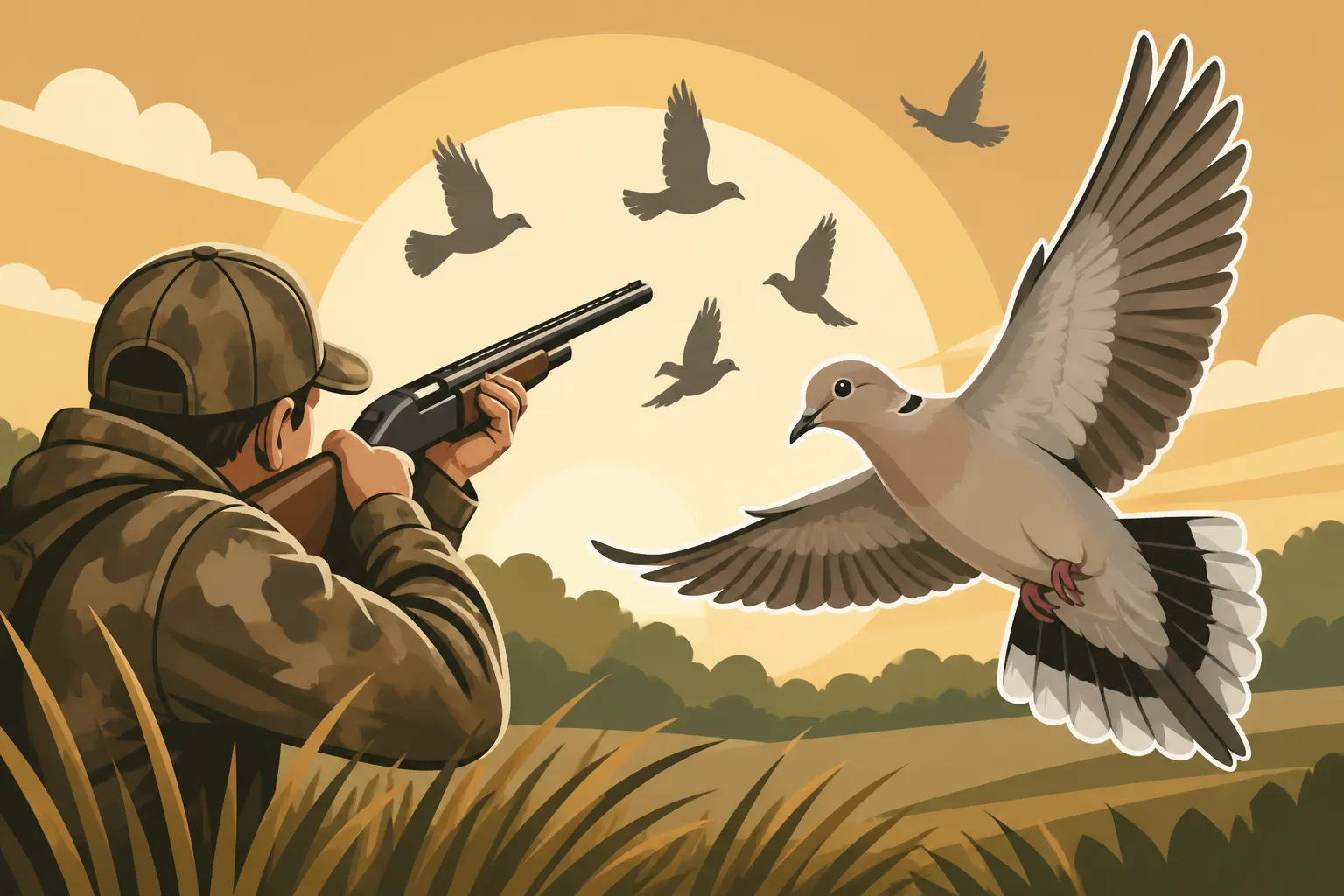
The first Saturday in September. For many Alabama hunters, those five words ignite a spark of pure anticipation, followed closely by a familiar scramble. Suddenly, everyone's checking their shotgun, rummaging for a dove stool, and calling around to see which fields are getting mowed. It's the annual kick-off, the unofficial start to hunting season, and it's often a chaotic, hot, and utterly exhilarating experience. This comprehensive guide is here to walk you through everything you need to know to navigate Alabama's dove season opening weekend, from understanding the rules to mastering your field strategy, ensuring you're ready when those first birds dip and weave over the sunflowers.
Understanding Alabama's Dove Season Structure
Alabama's dove season isn't just one long stretch; it's typically broken into several distinct "splits" to allow for different migration patterns and hunting preferences throughout the fall and winter. But let's be honest, for most of us, only one date truly matters: opening weekend. It’s the event that fills coolers and ignites conversations, setting the tone for the entire hunting year.
Pinpointing Opening Day
That magical date, the one circled in red on countless calendars, is almost universally the first Saturday in September. Imagine it: Labor Day weekend, a long weekend for many, giving ample opportunity for hunters to gather, scout, and celebrate the start of another season. However, I can't stress this enough – always double-check the official Alabama Department of Conservation and Natural Resources (ADCNR) regulations each year. Dates can, on rare occasions, shift due to legislative changes or calendar quirks, and you don't want to be caught off guard. A quick visit to the Outdoor Alabama website or a glance at a current game regulations brochure will confirm the exact date.
The timing of this opening day is no accident. It’s strategically set to coincide with the presence of local, resident mourning dove populations before the major migratory pushes begin later in the fall. These local birds, often feeding heavily on early maturing crops, provide the initial surge of action that makes opening weekend so special. It's more than just a hunt; it's a social occasion, a chance to reconnect with friends and family in the field, share stories, and create new memories. The camaraderie is as much a part of the experience as the shooting itself, especially when you're gathered with a group on a well-prepared field.
Bag Limits and Legal Shooting Hours
Knowing the rules here is absolutely critical, not just for ethical hunting but for avoiding a potentially costly citation. For mourning doves in Alabama, the daily bag limit is typically 15 birds. This means you can legally harvest up to 15 doves per hunter per day. The possession limit, which refers to the total number of birds you can have on hand at any given time (including those from previous hunts still in your freezer), is usually three times the daily bag limit, so 45 doves. Keep these numbers in mind, especially if you're hunting multiple days or processing birds at home.
Now, for the really important detail regarding opening weekend: legal shooting hours. While many game species can be hunted from half-hour before sunrise to sunset, dove hunting on the opening day of the first segment in Alabama typically has a unique restriction. You can only begin shooting at NOON (12:00 PM) Central Time on opening day, and hunting continues until sunset. This midday start is a long-standing tradition in Alabama dove hunting and is crucial to observe. On all subsequent days of the dove season, shooting hours revert to half-hour before sunrise to sunset. This is a common point of confusion for new hunters or those coming from states with different regulations, so mark it down! Make sure your watch is set to Central Time and be patient; those birds will be there.
Essential Preparations for a Successful Opening Weekend
Showing up to a dove field unprepared is a recipe for frustration, missed opportunities, and potentially a very uncomfortable day. The heat of early September in Alabama is no joke, and a little forethought can make all the difference between a memorable hunt and a miserable one.
Licensing and HIP Certification
Before you even think about loading a shell, you need to ensure your paperwork is in order. Every hunter in Alabama, resident or nonresident, needs a valid hunting license. For dove hunting, an All-Game Hunting License or a Small Game Hunting License will cover you. You can find detailed information about costs and options at Alabama Hunting Licenses and What They Cost.
Beyond the basic hunting license, there's another crucial step: Harvest Information Program (HIP) certification. This is mandatory for anyone hunting migratory game birds in Alabama, and doves absolutely fall into this category. HIP is a federal program that collects harvest data to help wildlife managers make informed decisions about migratory bird populations. It's a quick, free registration process that you complete when you purchase your license, and it's essential for legal hunting. You can usually get your HIP certification when buying your license through the Outdoor Alabama website, via a licensed agent, or over the phone. Make sure you have it, as conservation officers will check. Think of it as your passport to migratory bird hunting. Many savvy hunters also use apps like GoHunt which can often store your license information digitally and help you keep track of regulations on the go.
Scouting and Field Preparation
This is where the real work, and much of the fun, begins long before opening day. Dove fields are the heart of opening weekend. Successful hunting almost always hinges on finding a field that birds are actively using. Doves are primarily seed-eaters, so fields that offer a smorgasbord of their favorite foods are prime real estate. Common crops that attract doves in Alabama include:
- Cut Corn: Once harvested, the scattered kernels are a major draw.
- Wheat: Often mowed down after harvest, leaving easily accessible seeds.
- Sunflowers: A classic dove magnet. Doves absolutely love sunflower seeds.
- Millet: Planted specifically for wildlife, these fields are often managed to attract doves.
The key is "managed" fields. Landowners often mow or disk strips within these fields a week or two before the season. This exposes the seeds, making them easily accessible to doves. It also provides open ground for birds to land and loaf. Critically, this type of agricultural practice is legal. Simply scattering grain on the ground, known as baiting, is illegal and can lead to severe penalties. Familiarize yourself with Alabama Dove Field Baiting Rules to ensure you're hunting ethically and legally.
Scouting is paramount. Drive around, walk field edges (with landowner permission, of course!), and observe dove activity in the weeks leading up to opening day. Look for power lines where birds perch, isolated dead trees, and water sources. Doves will often fly specific patterns from roosts to feeding areas and then to water. Identifying these flight corridors will be key to your setup. You might even use a resource like the GoHunt app to check satellite imagery of fields beforehand, looking for cut areas or potential travel corridors.
Gear Checklist for the Field
Your gear can make or break your opening weekend experience. Given the often scorching temperatures, smart choices are essential.
- Shotgun and Ammunition: Most dove hunters opt for a 12-gauge or 20-gauge shotgun. Load up with plenty of light field loads, typically 7.5 or 8 shot. Doves are small and fast, so you'll likely shoot more than you think. Bring at least a couple of boxes, if not more, especially if you're not a crack shot (like most of us!).
- Comfortable Seating: A sturdy dove stool, a five-gallon bucket, or a comfortable folding chair is a must. You'll be sitting for hours, so comfort is key.
- Decoys: While not strictly necessary, decoys can significantly improve your odds, especially on slower days or in fields with less natural cover. Spinning-wing decoys (like the popular Mojo models) are incredibly effective at drawing birds in from a distance. Pair them with a few static decoys on the ground to simulate feeding birds. Position them strategically to create a landing zone within comfortable shooting range.
- Essentials for the Alabama Heat: This is non-negotiable. Bring plenty of water – more than you think you'll need. A cooler filled with ice for drinks and, eventually, your birds, is critical. Sunscreen, a wide-brimmed hat, and good sunglasses will protect you from the relentless Alabama sun. Don't forget bug spray, as gnats and mosquitoes can be bothersome.
- Retrieval: A good bird dog is a tremendous asset for dove hunting, saving you countless steps and ensuring fewer lost birds. If you don't have a dog, be prepared to walk and keep a close eye on where your birds fall.
- Visibility: Unlike deer hunting, blaze orange is generally not required for dove hunting in Alabama. However, wearing some blaze orange, especially when walking in and out of the field or to make yourself visible to other hunters, is always a smart safety practice, particularly on crowded public dove fields.
Tactics for Opening Day Success
You've got your license, scouted your field, and packed your gear. Now it's time to put a plan into action and turn anticipation into actual birds in the bag.
Strategic Setup and Positioning
This is perhaps the most critical tactical decision you'll make. Finding the "X" – the exact spot where doves want to be – is the goal. On opening day, with multiple hunters, this can be a moving target.
- Observe Flight Paths: Before you set up, take a few minutes to observe how doves are entering and leaving the field. Are they flying low along a treeline? Dipping over a specific corner? Using a power line as a highway? These are your primary flight corridors.
- Field Edges and Funnels: Doves often hug field edges, especially those with taller cover, before committing to landing in the open. Look for bottlenecks or "funnels" where their flight path is naturally restricted, such as a gap in a treeline or a low dip in the terrain. These areas can be absolute hotspots. Check out specific tips for Working a Dove Field on Opening Day to fine-tune your approach.
- Sun and Wind: Always try to position yourself with the sun at your back. This makes it harder for birds to see you and easier for you to see them without squinting. Wind direction is also important; doves typically land and take off into the wind, so setting up downwind of their primary approach can give you excellent shots as they slow down.
- Natural Cover: Doves have excellent eyesight. Utilize natural cover like standing crops, fence rows, or brush piles to break up your silhouette. A simple ground blind can also be effective. You want to blend in as much as possible to avoid flaring incoming birds.
Calling, Decoys, and Shooting
While not as common as turkey calling, a dove call can occasionally be used to get the attention of birds passing by at a distance, particularly if they are high overhead. A short series of coos can sometimes pique their curiosity and draw them closer.
Decoys, however, are your bread and butter for attracting birds.
- Spinning Wing Decoys (SWDs): Place these prominently, perhaps on a pole above the crop, to catch the eye of distant doves. Position them to face into the wind, as if they are landing. Many hunters find that having one or two SWDs visible from afar is more effective than many static decoys close up.
- Static Decoys: Scatter a handful of static decoys on the ground directly in front of your position, simulating feeding birds. Create a landing zone between your static decoys and your SWD where you want the incoming birds to commit.
- Shooting Technique: Doves are fast, erratic flyers. Don't try to "point and shoot" them. You need to lead them generously and follow through with your swing. Practice mounting your gun smoothly and swinging through the target. Start early in the season, even with clay pigeons, if you can, to knock the rust off. On opening day, especially at noon, the initial rush of birds can be overwhelming, but settling into a rhythm is key. If you're struggling, try focusing on the bird's head and let your body lead the shot. Sometimes, just focusing on Pass-Shooting Doves Over a Water Hole might give you different angles and opportunities.
Managing Crowds and Etiquette
Opening weekend dove hunts, especially on well-known public or leased fields, can feel less like a solitary hunting trip and more like a social gathering, or even a small party. This means practicing good etiquette is paramount for everyone's safety and enjoyment.
- Communication is Key: If you're hunting with a group, establish clear shooting lanes and boundaries before the birds start flying. Let others know where you'll be setting up.
- Respect Space: Give other hunters ample space. Don't crowd someone else's setup, even if you think their spot is better. A safe distance ensures pellets aren't raining down on neighboring hunters.
- Safe Shooting: Always be aware of your surroundings, including other hunters, vehicles, and any buildings or livestock. Never shoot toward another person, regardless of distance.
- Retrieval Courtesy: When retrieving a downed bird, try to be mindful of other hunters' active shooting. Wait for a lull in the action if possible, and avoid walking directly through someone's designated shooting zone.
- Sharing the Bounty: While you want to fill your own limit, the spirit of opening day often involves sharing the experience. Congratulate others on their shots, and enjoy the collective atmosphere. After all, the fun of dove season opening weekend is often in the shared experience. For more on navigating busy areas, consider insights on Hunting Pressure on Alabama Public Land.
Post-Hunt Care and Regulations
The sun has set, the last birds have flown, and your cooler is hopefully heavier than when you started. But the work isn't quite done yet. Proper post-hunt care ensures your birds are delicious and that you remain within legal parameters.
Field Dressing and Storage
Alabama's early September heat means rapid spoilage is a real concern for downed game. Doves are no exception.
- Immediate Cooling: The most important step is to get your birds cool as quickly as possible. Many hunters will field dress doves immediately after the hunt, removing the breast meat to allow it to chill faster. Others will gut the entire bird and place it on ice. Don't just toss warm birds into a closed cooler; you want them on a bed of ice.
- Wing Attached Rule: This is a critical regulation for transporting migratory birds. You must leave one fully feathered wing attached to each dove until it reaches its final destination, whether that's your home, a processor, or a taxidermist. This rule allows game wardens to identify the species and ensure bag limits are being followed. Only after the birds have reached their final destination and are ready for cooking or long-term storage can you remove the wing.
- Long-Term Storage: Once home, clean the birds thoroughly. The breast meat is the primary culinary target for doves. You can vacuum seal and freeze the breasts for later enjoyment. Properly prepared, frozen dove meat can last for many months, allowing you to savor the taste of opening day well into the off-season.
Reporting and Conservation
Unlike deer or turkey, Alabama does not typically require individual hunters to report their dove harvest through the Game Check system. However, your participation in the HIP certification (Harvest Information Program) is how the state and federal agencies gather crucial data on migratory bird harvests. This information is vital for understanding population trends and setting future season dates and bag limits.
Occasionally, you might encounter a dove with a small metal band on its leg. These are federal bird bands, placed by biologists to track migration, survival, and harvest rates. If you harvest a banded bird, it's incredibly important to report it. The information on the band will direct you to a website or phone number for reporting. This small act of reporting provides invaluable data for ongoing conservation efforts for these amazing migratory birds. Your license fees and HIP certification directly contribute to habitat protection and research, helping ensure healthy populations for future generations of hunters. Understanding Alabama Mourning Dove Harvest Numbers is a testament to the collective information gathered.
Looking Ahead: The Second Split
While opening weekend is often the most anticipated event, don't forget that Alabama's dove season typically continues with additional splits later in the fall and sometimes even into winter.
- Changed Tactics: These later splits often present different hunting scenarios. The resident birds might be more pressured and wary, and new waves of migratory doves might have moved into the state. Food sources might have changed, with later-maturing crops becoming more relevant.
- Opportunity for More Birds: If opening weekend wasn't as fruitful as you hoped, or you just can't get enough of fast-flying doves, the later splits offer excellent opportunities. The crowds tend to thin out, and a keen eye for scouting new feeding areas can yield fantastic hunts. Exploring Hunting the Second Dove Split in October can provide strategies for these later opportunities. The challenges and rewards of hunting later in the season often require a slightly different approach, focusing more on quieter fields and observing new migration patterns.
| Dove Field Type | Primary Attractant | Ideal Preparation | Best Time to Hunt | Notes |
|---|---|---|---|---|
| Cut Corn | Scattered corn kernels | Post-harvest disking/mowing | Early Season (Sept/Oct) | Excellent food source; often crowded. |
| Mowed Wheat/Millet | Exposed small grains | Mowed strips within field | Early Season (Sept/Oct) | Classic dove setup; birds loaf on open ground. |
| Sunflowers | Sunflower seeds | Mowed/bush-hogged strips or entire field | Early Season (Sept) | Very high attraction; can provide good cover. |
| Chaff/Grain Plots | Various small grains (e.g., milo) | Cultivated & managed specifically | Throughout Season | Designed for doves; often private/leased. |
| Water Holes | Consistent, accessible water source | Cleared edges, shallow access | Afternoon (drier weather) | Birds come to drink; often combined with a feeding field setup. |
Disclaimer
Hunting is an inherently dangerous activity. This guide provides general information and recommendations. Always consult the official Alabama Department of Conservation and Natural Resources (ADCNR) regulations for the most current and specific rules and laws. Hunter safety education is strongly recommended. The author and publisher are not responsible for any accidents, injuries, or legal infractions incurred while hunting.