When Alabama Turkey Decoys Become Legal
The crack of dawn, the chill in the air, the hopeful anticipation of a gobbler sounding off – spring turkey season in Alabama is nothing short of magical. But let's be honest, it can also be a minefield of regulations that can trip up even the most experienced hunters. One of the most common points of confusion and frustration, year after year, revolves around when exactly you can use those beloved turkey decoys. It's not as simple as "when the season opens," and getting it wrong can turn a fantastic hunt into a disappointing run-in with the law. This guide is here to untangle the Alabama decoy rules, help you understand the infamous "Ten-Day Rule," and equip you with the knowledge to hunt legally and effectively, no matter the date on the calendar.
Decoding the Ten-Day Decoy Rule in Alabama
If you've spent any time chasing longbeards in the Yellowhammer State, you've undoubtedly heard whispers, debates, or outright confusion about the "Ten-Day Rule" regarding turkey decoys. It's a critical regulation that many hunters either forget, misunderstand, or simply don't know exists, and it’s unique enough to Alabama that it warrants a thorough explanation. This rule isn't just a minor technicality; it’s a cornerstone of early-season turkey hunting strategy and safety in the state.
What the "Ten-Day Rule" Actually Means
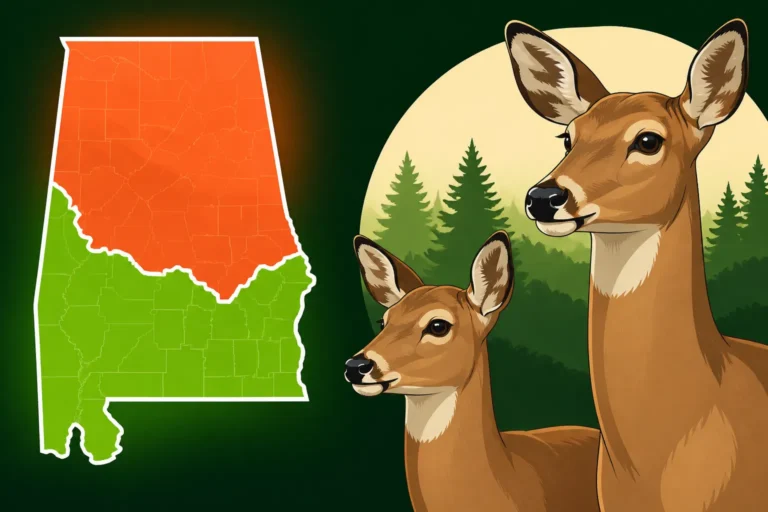
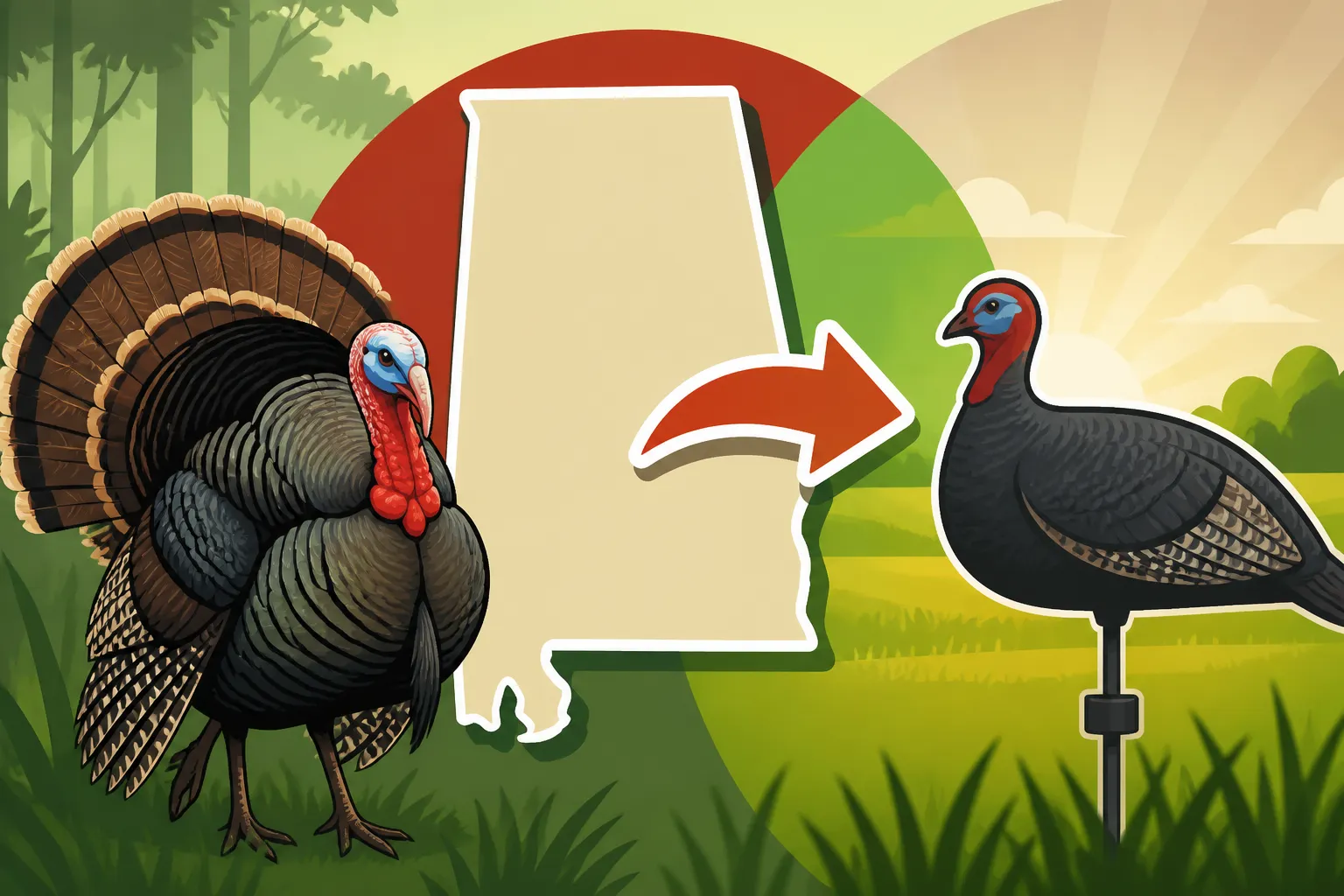
Here's the deal: In Alabama, it is illegal to use artificial decoys during the first ten days of the spring turkey season in each specific zone. Let that sink in. This isn't a blanket statewide ban for the first ten days of any season opening. It's tied directly to the opening date of the zone you're hunting in. Alabama is divided into two primary turkey zones for spring season, Zone 1 and Zone 2, each with its own distinct opening day. This means the ten-day decoy restriction period will be different depending on which zone you're in.
For example, if you're hunting in Zone 1, which typically opens earlier than Zone 2, your ten-day period without decoys starts on the Zone 1 opening day. If you then travel to hunt in Zone 2, which opens a week or so later, your ten-day restriction for that zone would start on its opening day. It's crucial to understand this zone-specific application. Many hunters mistakenly assume that once decoys are legal in one zone, they're legal everywhere, and that's just not the case. Always double-check the specific opening dates for your zone, which you can easily find on the Outdoor Alabama website or through hunting apps like GoHunt. This level of detail is important, especially for those who like to chase birds across different regions of the state.
The Rationale Behind the Restriction
So, why does Alabama have this somewhat peculiar rule? Like many hunting regulations, it boils down to safety and potentially preserving a certain hunting experience. The primary reason often cited by wildlife agencies is hunter safety. In the early days of turkey season, when hunters are often eager and perhaps less cautious, the presence of decoys can increase the risk of misidentification. A realistic turkey decoy, especially one positioned incorrectly or in low light, could be mistaken for a live bird by an excited hunter, leading to tragic accidents. Without decoys, hunters are forced to rely solely on calling and identifying the actual gobbler before shooting, which promotes a safer hunting environment.
Beyond safety, there's also a school of thought that suggests the initial ten-day period without decoys helps preserve the challenge and "fair chase" aspect of early season hunting. It forces hunters to be more skilled in their calling and woodsmanship, relying on their ability to locate and call in birds without the visual aid of a decoy. It gives the turkeys a bit of a "head start" too, perhaps allowing them to establish their pecking order and routines before hunters introduce visual deception into the mix. This provides a more traditional turkey hunting experience during those first crucial days.
Navigating Zone-Specific Decoy Legality Dates
Given the zone-specific nature of the rule, it's paramount to know exactly when your decoys become legal. For those who hunt multiple zones or travel frequently, this can feel like trying to remember two different calendars, which can be a genuine headache. Let's break down the general timeline for clarity, though it's always important to verify specific dates each year on the official Alabama Wildlife and Freshwater Fisheries (WFF) website. You can find the exact dates for Alabama Zone 1 Spring Turkey Opening Day and Alabama's Later Spring Turkey Zone Opener in the annual regulations.
Typically, Zone 1 covers the northern and central parts of Alabama, while Zone 2 generally encompasses the southern counties. Their opening dates are usually about a week apart.
Here's a simplified table to illustrate how the Ten-Day Rule typically applies:
| Turkey Zone | Typical Opening Day | Decoys NOT Legal Until (Approx.) |
|---|---|---|
| Zone 1 | March 15th | March 25th |
| Zone 2 | March 22nd | April 1st |
Note: These dates are approximate and for illustrative purposes only. Always consult the current year's official Alabama hunting regulations for precise dates. The rule also applies to Alabama's Ten-Day Decoy Restriction during youth weekends, meaning youth hunters also observe this period.
Understanding these specific dates is critical for planning your hunts. If you've been doing some early season scouting with an app like GoHunt, marking these dates on your calendar will help you avoid any accidental violations.
Adapting Your Strategy: Hunting Before and After Decoys are Legal
The Ten-Day Rule isn't just a legal hurdle; it's a strategic challenge. It forces hunters to think differently about their approach depending on where they are in the season. Successfully navigating this transition requires a flexible mindset and a solid understanding of turkey behavior.
Early Season Tactics Without Decoys
During those first ten days when decoys are off-limits, your game plan needs to be built around stealth, calling proficiency, and understanding the terrain. This is pure, unadulterated turkey hunting.
- Become a Calling Maestro: Without a visual, your calls are your primary tool for communication. Focus on realistic hen yelps, clucks, and purrs to pique a gobbler's interest. Learn to vary your cadence and volume to mimic real turkeys. Often, less is more in the early season, as gobblers haven't been pressured yet. A soft tree yelp or an aggressive series of cuts can often be the difference. You might want to brush up on Grunt Calls in Mature Alabama Timber for deer, but for turkeys, it's all about those clucks and yelps.
- Master the Art of the Roost Hunt: Early season gobblers are often still on predictable roosting patterns. Your best bet might be to locate a gobbler on the roost the evening before and set up before dawn, close enough to hear him fly down, but far enough not to spook him. Position yourself where he'll naturally want to walk after flying down, and use soft calls to lure him in. Understanding Calling an Alabama Gobbler Off the Roost is a huge advantage.
- Run-and-Gun with Purpose: If you're not on a roosted bird, covering ground and trying to locate birds with loud "shock" calls (like a crow call or an owl hoot) can be effective. Once you get a response, quickly and stealthily move into a setup position, trying to get ahead of the bird or into a natural travel corridor. This is classic Run-and-Gun Turkey Tactics on Public Land at its finest. Use natural cover, and be patient.
- Scouting is Your Secret Weapon: Before the season even begins, use tools like GoHunt to analyze aerial maps. Look for potential roosting areas (tall pines near water), strutting zones (open fields, logging roads), and travel corridors. Identify natural pinch points, field edges, or creek bottoms where a gobbler might want to walk. The more you know about their patterns, the better you can position yourself without a decoy.
When Decoys Become Your Ally
Once the ten-day restriction lifts in your zone, you can introduce decoys into your strategy, and boy, can they be game-changers! They add a powerful visual element that can often seal the deal when a gobbler is hesitant to commit to calls alone.
- Strategic Placement is Key: Don't just plop a decoy anywhere. Think about what a real turkey would do. Place a hen decoy where she'd naturally be feeding or strutting. Consider the gobbler's likely approach and position the decoy so he has to come into your shooting lane to investigate. Quartering-away setups for hen decoys can give you better shot angles. For a jake or full-strut gobbler decoy, consider placing it in an open area visible from a distance. For specific advice, check out Decoy Placement Once the Ten-Day Rule Lifts.
- Reading the Terrain: If you're hunting Turkey Tactics for Black Belt Field Edges, a single hen decoy on the edge of a field can be incredibly effective. In thick timber, you might opt for a more subtle setup, perhaps a breeding hen or a submissive jake to challenge a dominant gobbler.
- Types of Decoys and Their Use:
- Single Hen: The most versatile. Use it to mimic a receptive hen.
- Pair of Hens (Standing & Feeder): Creates a realistic flock dynamic.
- Jake Decoy: Can provoke an aggressive gobbler, especially early in the legal decoy period. He sees a potential rival.
- Full-Strut Gobbler Decoy: High risk, high reward. Can bring a dominant gobbler charging in, but also attracts the attention of other hunters. Use with extreme caution and only when you have a clear, safe backdrop.
- Combine Calls with Visuals: Decoys don't replace calling; they enhance it. Call to get his attention, then let the decoy do the "talking" visually as he approaches. Soft clucks and purrs as he gets close can make the setup incredibly convincing.
- Safety First, Always: When using decoys, especially gobbler or jake decoys, always remember the safety aspect. Position yourself behind the decoy, wear blaze orange when walking in or out, and never move the decoy once it's set if there's any chance of another hunter being in the area. Your safety and the safety of others always come before tagging a bird.
Decoy Specifics and Avoiding Common Pitfalls
Even once decoys are legal, there are nuances to their use that can make or break your hunt, and more importantly, keep you on the right side of Alabama's regulations. It's not just about when, but also how.
Legal Decoy Types and Features
Alabama regulations generally permit the use of "artificial decoys" for turkeys once the ten-day restriction has lifted. This includes a wide array of options:
- Three-dimensional decoys: These are your traditional plastic, foam, or fabric hen, jake, or gobbler decoys. They come in various postures—standing, feeding, breeding, strutting.
- Silhouette decoys: Less common for turkeys, but technically legal. These are flat cutouts.
- Motion decoys: Some decoys incorporate subtle motion, like a fanning tail or bobbing head, to enhance realism. As long as they are "artificial" and not live birds, they fall within the legal definition once the window opens.
What’s important is what they aren’t: You absolutely cannot use live turkeys as decoys, nor can you use any electronic calling devices for turkeys in Alabama. The intent of the rule is to allow artificial visual aids, not to introduce live animals or automate the calling process.
Understanding Enforcement and Penalties
Wildlife and Freshwater Fisheries (WFF) enforcement officers are well aware of the confusion surrounding the Ten-Day Rule. They patrol extensively during the spring season, especially during those early days, specifically looking for violations. Getting caught using a decoy illegally is not a minor infraction. It can lead to:
- Fines: Significant monetary penalties that can quickly ruin your hunting budget.
- Confiscation: Your decoys, and potentially other hunting equipment, could be confiscated.
- License Revocation: Repeat offenses or severe violations could lead to the suspension or revocation of your hunting license, meaning no turkey hunting for you for a while.
These penalties are in place to ensure hunter safety and fair chase. It’s far better to err on the side of caution and adhere strictly to the dates. If you're ever unsure about a specific date or regulation, the Outdoor Alabama website is your best friend, or a quick call to a local WFF office can clear things up. An app like GoHunt might also provide quick access to state regulations, helping you stay compliant afield.
Best Practices for Decoy Safety and Ethics
Even when legal, using decoys comes with a responsibility to prioritize safety and ethical hunting.
- Positive Identification: Always, always positively identify your target as a legal gobbler before pulling the trigger, regardless of whether a decoy is present. Don't shoot at movement or a sound. Ensure you see a visible beard, and if required in your zone, understand antler point restrictions.
- Background Check: Never set up a decoy on a skyline or in a position where another hunter might approach it from behind without seeing you. Ensure your backdrop is solid and safe, preventing any shot from traveling uncontrollably.
- Blaze Orange When Moving: While turkey hunting often involves full camouflage, if you're carrying a decoy through the woods, especially a fan or full-strut decoy, wear blaze orange. Many hunters wear an orange hat or vest while walking and remove it once they've set up. This is a crucial safety measure that prevents you from being mistaken for a turkey yourself.
- Respect Private Land Boundaries: If you’re hunting near a property line, be mindful of where your decoy is placed. You don't want to draw a bird (or a fellow hunter) onto land where you don't have permission. Always know Alabama Trespass and Permission Law.
- Minimize Pressure: While decoys can be effective, overusing them or setting them up in predictable spots can educate birds over time. Vary your setups and don't rely solely on decoys if birds are becoming wary.
Maximizing Your Chances: Beyond Decoy Legality
While the decoy rules are a critical part of Alabama turkey hunting, they're just one piece of the puzzle. Success in the turkey woods, whether with or without decoys, comes down to a blend of skills and knowledge.
Understanding Turkey Biology and Behavior
No matter your equipment, truly understanding the bird you're pursuing is paramount.
- Roosting Patterns: Turkeys typically roost in tall trees, often near water or on high ridges. Locating their roosts the evening before can give you a significant advantage for a morning hunt.
- Strutting Zones: Gobblers love open areas to strut and display for hens. Look for logging roads, field edges, clear-cuts, or open timber where they can be easily seen.
- Daily Routines: Turkeys often follow predictable patterns: roost to feeding area, then to strutting zone, then perhaps to a watering hole. Interrupting or intercepting these patterns is key. Scouting with mapping tools can help identify these areas and establish Scouting Alabama Public Land Before Season.
- Calling Sensitivity: Learn how different calls affect turkeys at various stages of the season. Early season birds might respond to less aggressive calls, while later season birds might require more persistence or different tactics, especially if they’re “henned up.”
The Importance of Gear Beyond the Decoy
Your decoy is one tool, but a successful hunt relies on a complete kit.
- Appropriate Camouflage: Head-to-toe camo is essential for blending into the Alabama hardwoods and pine forests. Break up your silhouette.
- Effective Calls: A variety of calls (mouth, slate, box) allows you to adapt to different situations and bird moods. Practice them regularly!
- Shotgun and Ammunition: A reliable shotgun, typically a 12 or 20 gauge, with a tight choke and heavy turkey loads, is crucial for clean kills at reasonable ranges.
- Comfortable Seating: A small stool or cushion can make long waits much more bearable.
- Navigation Tools: A GPS device or a smartphone app like GoHunt can be invaluable for navigating public lands, marking roost trees, and keeping track of property lines.
- Safety Gear: Don't forget your knife, headlamp for early mornings, and a basic first-aid kit. And, as mentioned, blaze orange for transport.
Hunting Alabama's wild turkeys is an experience unlike any other. The challenges are real, and the regulations can be tricky, but with a solid understanding of rules like the Ten-Day Decoy Law, you're well on your way to a safe, successful, and thoroughly enjoyable season. Whether you’re setting up Against a Big Oak or working a Green Field Planted for Deer on a later season hunt, knowing when to deploy that decoy is crucial.
Disclaimer
Hunting regulations can change. While every effort has been made to provide accurate and up-to-date information, it is the hunter's responsibility to review the current year's official Alabama Department of Conservation and Natural Resources (ADCNR) regulations before heading afield. This guide is for informational purposes only and should not be considered legal advice.