Alabama Deer Damage Permits for Farmers
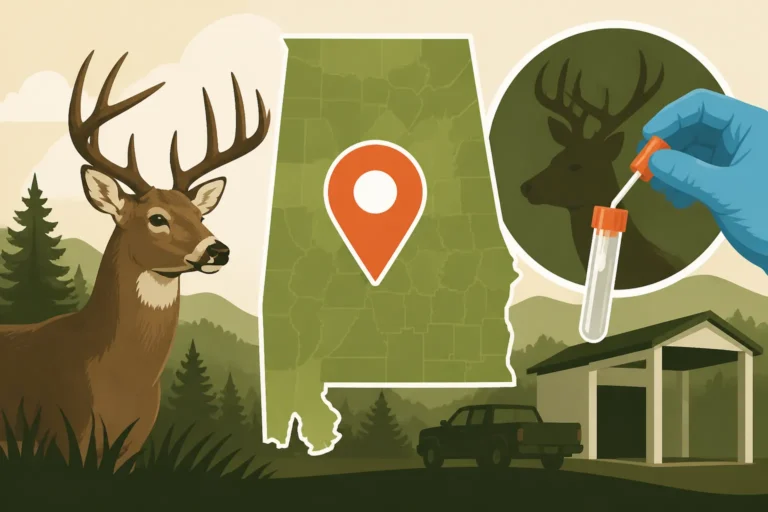
For farmers in Alabama, the sight of lush fields can quickly turn to frustration when deer begin to treat their crops like an all-you-can-eat buffet. It's a constant battle, and the financial toll of deer browsing can be truly devastating, impacting livelihoods and future planting decisions. This guide is here to demystify the Alabama Deer Damage Permit system, offering a clear path for agricultural producers struggling with excessive deer depredation, and exploring how these permits fit into a broader strategy to protect your hard-earned harvest.
Understanding the Deer Damage Problem in Alabama Agriculture
The challenge of deer eating crops isn't just an inconvenience; it's a direct threat to the financial stability of many Alabama farms. While deer are a treasured game animal, their populations can sometimes swell to a point where they cause significant economic hardship. Farmers are often left feeling helpless as their investments literally walk off into the woods on four legs.
The Financial Burden of Deer Browsing
Imagine putting in countless hours, purchasing expensive seed, fertilizer, and fuel, only to see your cornfields stripped bare, your peanut plants munched to the ground, or your soybean yields drastically reduced. This isn't a hypothetical for Alabama farmers; it's a yearly reality. Deer are opportunistic feeders, and a planted field offers a concentrated, highly nutritious food source that's hard for them to resist. Crops like soybeans, corn, peanuts, wheat, and various vegetable crops are particularly vulnerable. The damage isn't just from a few deer, but often from large groups that can decimate an area overnight. The cost isn't just lost yield, but also the potential need for replanting, increased pest control (as damaged plants become more susceptible), and ultimately, a reduced profit margin that can make or break a farm operation. For many, this isn't just about a few dollars; it's about paying bills, investing in equipment, and sustaining a family legacy.
When Traditional Hunting Seasons Aren't Enough
Alabama has a robust deer hunting season, often extending into February, offering hunters plenty of opportunities to pursue white-tailed deer. You can learn more about Alabama Deer Season Structure Explained through our resources. However, even with generous seasons and bag limits, traditional hunting efforts often fall short of mitigating severe agricultural damage. Why?
First, deer damage often occurs outside the legal hunting seasons, especially during planting and early growth stages in spring and summer when deer are gorging on tender new shoots. Second, on many agricultural properties, allowing enough hunters to adequately reduce the deer population can be a logistical nightmare, posing safety concerns or simply being impractical for the farmer. Third, even during the season, hunters might target antlered bucks, leaving the antlerless does and young deer, which often contribute most to population growth and browsing pressure, relatively untouched. A farmer might have a great deer population for hunting, but if those deer are constantly in their fields and not being harvested effectively, the problem persists. Traditional hunting, while vital for overall management, sometimes isn't precise enough to address hyper-localized, intense crop damage.
What Are Alabama's Deer Damage Permits?
Recognizing the significant impact deer can have on agriculture, the Alabama Department of Conservation and Natural Resources (ADCNR), through its Wildlife and Freshwater Fisheries Division, offers a specific solution: Deer Damage Permits. These permits provide a legal means for agricultural producers to remove deer causing damage outside of, or in addition to, regular hunting seasons and regulations. They are a critical tool in a farmer's arsenal when traditional methods prove insufficient.
Purpose and Eligibility for the Permits
The primary purpose of an Alabama Deer Damage Permit is to allow for the lethal removal of white-tailed deer that are actively causing substantial damage to agricultural crops or property. These permits are not intended for general population control or simply to increase hunting opportunities on a property. They are a targeted response to a documented problem.
To be eligible for a permit, you generally need to be a landowner or a legitimate lessee actively engaged in agricultural production where deer damage is occurring. This means you are planting and cultivating crops for commercial purposes, not just a small garden for personal use. The damage must be verifiable and significant enough to warrant intervention beyond standard hunting regulations. The ADCNR needs to see clear evidence that deer are creating a real economic loss. They want to ensure these permits are used responsibly and for their intended purpose: protecting agricultural investments. While you're working with the ADCNR, you might also find the Alabama Landowner Deer Permit Rules useful for understanding general landowner provisions.
The Application Process: Steps and Requirements
Applying for a Deer Damage Permit isn't as simple as just calling up the state and asking for one, but it's a necessary process to ensure responsible wildlife management. Here's a general outline of what you can expect:
- Initial Contact: Your first step is to contact the Alabama Wildlife and Freshwater Fisheries Division of the ADCNR. You'll typically speak with a District Wildlife Biologist or a local Conservation Enforcement Officer who covers your county. They are the experts on the ground who can assess your situation.
- Documentation of Damage: You'll need to provide evidence of the damage. This might include:
- Detailed Description: Clearly articulate what crops are being damaged, the extent of the damage (e.g., "5 acres of corn completely browsed," "peanut plants defoliated along field edges"), and the estimated financial loss.
- Photographic Evidence: Pictures or videos of the damaged crops, ideally showing deer sign (tracks, droppings) in the damaged areas, can be incredibly helpful.
- Acreage and Location: Provide precise details about the location of your agricultural fields, including acreage planted and the specific areas most affected. You can use mapping tools like GoHunt to accurately mark affected areas and share this information.
- Crop Type: Specify the type of crops being grown.
- Site Visit: In most cases, a District Wildlife Biologist or Conservation Enforcement Officer will schedule a visit to your property to personally inspect the damage. This allows them to assess the severity, verify the cause, and determine if a permit is indeed warranted. They might look for deer tracks, browse lines, and other indicators of deer activity.
- Review and Issuance: Based on their assessment and your documentation, the ADCNR will review your application. If approved, they will issue a permit specifying the conditions of removal. These conditions are critical and will dictate when, how, and by whom deer can be taken.
It’s a thorough process, but it’s designed to ensure that these special permits are issued where genuinely needed, balancing agricultural concerns with the careful management of Alabama's deer herd.
Operating Under a Deer Damage Permit
Once you have secured a Deer Damage Permit, it's crucial to understand and strictly adhere to the terms and conditions outlined by the ADCNR. These aren't blanket hunting licenses; they are specific authorizations with clear guidelines designed to address your particular damage problem while still maintaining sound wildlife management principles.
Rules and Restrictions on Lethal Removal
Operating under a Deer Damage Permit comes with a specific set of rules that often differ significantly from standard hunting regulations. You need to know these inside and out to avoid any unintentional violations.
- When Deer Can Be Taken: The permit will specify the timeframe during which deer can be removed. This is often outside the regular deer hunting season, targeting those periods when crops are most vulnerable (e.g., spring planting through early summer growth). It might also allow removal during the regular season but with different methods or bag limits than usually permitted.
- Who Can Take Them: Typically, only the permit holder (the farmer or landowner) or individuals explicitly designated by them are authorized to take deer under the permit. These designated shooters must be clearly identified and understand all permit conditions. It's not an open invitation for anyone to hunt your property.
- Number and Type of Deer: Permits usually specify a maximum number of deer that can be taken. Often, these permits focus on antlerless deer, as they are the primary drivers of population growth and contribute significantly to browsing pressure. In some cases, if trophy bucks are specifically identified as causing severe damage, antlered deer might be included, but this is less common for general crop damage permits.
- Approved Methods: This is where permits can vary widely. While standard archery and firearms are often allowed, some permits may authorize methods not typically permitted during regular seasons. For instance, night hunting with artificial lights might be allowed under strict control, especially in fields where deer are most active after dark. However, this is usually accompanied by very specific rules regarding firearms, ammunition, and safety protocols. Always confirm the legal firearms for deer hunting in Alabama.
- Reporting Requirements: Every deer taken under a damage permit must be reported to the ADCNR. This is often done through the state's Game Check system, just like regular harvested deer. The permit will specify how and when these animals need to be reported. Failure to report can lead to the revocation of your permit and potential legal penalties. You can find more information about The Alabama Deer Reporting Deadline in our articles.
It's vital to remember that these permits are issued at the discretion of the ADCNR, and violating their terms can have serious consequences. Always keep a copy of your permit on hand when conducting removals and ensure anyone assisting you is fully aware of all conditions.
The Importance of Reporting and Compliance
Compliance with your Deer Damage Permit isn't just about avoiding penalties; it's a critical component of effective wildlife management and building trust with the ADCNR. When you operate strictly within the permit's guidelines and diligently report every harvest, you're contributing to a larger dataset that helps biologists understand deer populations, movement patterns, and the true impact of depredation on agricultural lands across the state.
This data is invaluable. It helps the ADCNR make informed decisions about future deer management strategies, regional population goals, and even potential adjustments to hunting seasons or bag limits. By accurately reporting the number, sex, and sometimes even the age class of deer removed, you provide biologists with real-world information directly from the field. This information can reveal trends, highlight specific areas of high deer density, and confirm the effectiveness of the damage permits themselves. If the state doesn't have good data, it's harder for them to justify or refine programs that directly benefit farmers.
Furthermore, compliance strengthens your standing with the ADCNR. If you have a history of responsible permit usage, it can simplify future applications should your farm continue to experience depredation issues. Conversely, non-compliance can lead to permit revocation, fines, and make it much harder to obtain assistance in the future. The ADCNR is a partner in managing this resource, and accurate reporting is your part of that partnership.
Alternative and Complementary Deer Management Strategies
While Deer Damage Permits are invaluable tools for immediate, targeted relief, they are often most effective when integrated into a broader, long-term deer management strategy. Relying solely on permits without addressing underlying issues might lead to recurring problems. Thinking holistically about deer on your property can yield better, more sustainable results.
Habitat Modification and Exclusion Fencing
Sometimes, the best offense is a good defense. Farmers can explore various non-lethal methods to deter deer, though these often come with their own set of challenges and costs.
- Exclusion Fencing: Building fences is arguably the most effective way to prevent deer from accessing crops. An 8-foot high woven-wire fence can be nearly impenetrable for deer. However, the cost of materials and installation for large agricultural fields can be astronomical, often making it economically unfeasible for many operations. Electric fences, especially those with multiple strands or baited with peanut butter, can also deter deer but require ongoing maintenance.
- Repellents: Chemical repellents, usually applied to plants, work by taste or smell to make crops less appealing to deer. Their effectiveness can vary widely depending on weather conditions (rain washes them off), deer pressure, and deer acclimatization. They often need frequent reapplication, adding to labor and material costs.
- Crop Selection and Placement: Strategically planting less palatable crops on the perimeter of fields can sometimes offer a buffer, protecting more desired crops further inside. However, highly motivated or hungry deer may still push through. Understanding Late-Season Food Sources for Alabama Whitetails can help inform what deer are seeking out, allowing farmers to adjust.
- Habitat Manipulation: While more complex, altering the surrounding habitat can sometimes influence deer movement. Reducing dense cover adjacent to fields might make deer feel more exposed, though this can also have negative impacts on other wildlife. Creating alternative food plots away from sensitive agricultural areas might draw deer away, but this requires dedicated land and resources.
Each of these methods has its pros and cons, and often a combination works best. The key is to evaluate the cost-effectiveness and practicality for your specific farm size and type of damage.
Strategic Hunting Pressure and Hunter Access
One of the most powerful, and often underutilized, tools for deer management on private land is strategic hunting pressure. Encouraging more hunters, especially those willing to take antlerless deer, can significantly reduce local deer populations over time, complementing the efforts of a damage permit.
- Maximizing Hunter Access: Opening up your land to responsible hunters during the regular season can be a game-changer. Consider forming relationships with local hunting clubs or individuals who are reliable and respect your property. This might involve allowing access to certain parts of your property, especially those adjacent to damaged fields. For those interested in allowing more hunters, knowing about Getting Private Land Permission in Alabama can be beneficial.
- Targeting Antlerless Deer: Educate and encourage hunters on your property to harvest antlerless deer. This is crucial for population control. Some farmers might even offer incentives for taking a certain number of does. You might also want to look at How Many Antlerless Deer Zones A and B Allow to understand specific bag limits.
- Extended Season Opportunities: Alabama's archery season often provides the longest window, even extending into February in some zones, offering opportunities for population reduction outside the gun season peak. This is why knowing How Alabama's Archery Season Runs Into February can be so valuable for maximizing hunter impact.
- Using Scouting Tools: For both farmers and hunters they might allow, tools like GoHunt or the Scouting With the Outdoor Alabama App can be incredibly useful. These platforms allow users to analyze aerial photos, identify bedding areas, travel corridors, and feeding patterns. A farmer can use this information to understand why deer are entering their fields and where to focus deterrents or hunting pressure. Hunters using these tools can make more informed decisions about stand placement, increasing their success rate and thus contributing more effectively to herd reduction on your property. Understanding deer movement through tools like Reading Aerial Photos for Piedmont Deer can pinpoint areas to concentrate efforts.
- Deer Drives: On larger properties or with sufficient hunter numbers, organized deer drives can be an effective way to push deer out of dense cover and encourage harvest, especially for antlerless deer. However, safety is paramount, and drives require careful planning and communication. Information about Deer Drives With Three or Four Hunters can offer insights into these tactics.
By combining the immediate relief offered by Deer Damage Permits with these proactive and long-term management strategies, Alabama farmers can significantly reduce deer depredation and protect their valuable agricultural investments more effectively. It's about working with the resource, not just reacting to its challenges.
| Feature | Alabama Deer Damage Permit (DDP) | Standard Hunting Season |
|---|---|---|
| Purpose | Mitigate documented agricultural/property damage | Recreation, population management, harvest of game species |
| Eligibility | Landowner/lessee with documented damage, ADCNR approval | Licensed hunter, legal age/hunter education |
| Season/Timing | Specified by permit, often outside regular season | Fixed dates by zone, generally mid-October to February |
| Bag Limits | Specified by permit, usually antlerless, fixed number | Zone-specific, usually 3 antlered, varied antlerless |
| Methods | Specified by permit, may include night hunting/lights (strict) | Archery, muzzleloader, shotgun, rifle (daylight only) |
| Reporting | Mandatory, as per permit, typically via Game Check | Mandatory via Game Check |
| Harvested Deer Utilization | Meat typically for permit holder/designees, may be donated | Meat for hunter, may be donated |
| License Required | Yes, valid hunting license typically required for shooters | Yes, valid hunting license, stamps/privileges as needed |
| Cost | No direct permit fee (time/effort for application) | License/stamps fees, gear, travel |
Disclaimer
The information provided in this guide is for general informational purposes only and does not constitute legal advice. Hunting regulations, permit requirements, and eligibility criteria are subject to change. Always consult the most current regulations published by the Alabama Department of Conservation and Natural Resources (ADCNR) and directly contact your local Wildlife and Freshwater Fisheries Division office for specific guidance regarding deer damage permits and compliance on your property. Failure to do so could result in penalties.