Zone C’s Tighter Antlerless Limit
It can feel like you need a law degree just to understand all the regulations when you're planning your deer season in Alabama, especially with how the state is carved up into different zones. Many folks get frustrated trying to keep up with varying bag limits and season dates, particularly when it comes to antlerless deer. This guide is here to untangle the complexities of Alabama's deer zones, with a deep dive into Zone C's specific antlerless limits, so you can hunt confidently and legally.
Decoding Alabama's Deer Zones and Their Purpose
Alabama's approach to deer management, with its five distinct zones, can definitely feel like a puzzle at first glance. You might wonder why we can't just have one set of rules for the whole state, making things simpler for everyone. The truth is, Alabama is incredibly diverse, from the rich agricultural lands of the Black Belt to the rugged mountains of the north and the sprawling pine forests of the south. This means deer populations, habitat conditions, and even the pressures from hunting and agriculture vary wildly from one region to the next.
The Rationale Behind Zonal Management
The Alabama Department of Conservation and Natural Resources (ADCNR) doesn't just draw lines on a map arbitrarily. These zones are a direct response to years of biological data, harvest reports, and careful observation of local deer herds. The goal is to manage white-tailed deer populations more effectively, aiming for a healthy balance between deer numbers and the carrying capacity of their habitat. For example, areas with booming deer populations might see more liberal antlerless harvests to keep the herd in check and prevent overbrowsing, which can degrade habitat quality and lead to less healthy deer in the long run. Conversely, zones where deer numbers are lower or where specific management goals are in place might have tighter restrictions, especially on antlerless deer, to encourage population growth or to simply shift harvest pressure. This granular approach helps ensure sustainability, allowing deer to thrive across the state while providing ample hunting opportunities. It’s a complex balancing act, and the zones are a critical tool in that effort.
Locating Your Hunting Zone
Before you even think about your hunting strategy, you absolutely need to know which zone your hunting property falls into. This isn't just a suggestion; it's the foundation of legal and ethical hunting in Alabama. Imagine setting up your stand, making a perfect shot, only to realize you've harvested an antlerless deer on a day it wasn't legal in your specific zone. That's a heartache nobody wants! Thankfully, figuring out your zone isn't too hard. The ADCNR provides detailed maps on their Outdoor Alabama website. Many hunters also find that apps like GoHunt, which overlays property lines and hunting zones, are incredibly useful on the go. These tools allow you to pinpoint your exact location and confirm the regulations that apply to that specific piece of ground, whether it's private land or a public WMA. Always double-check, because county lines sometimes straddle different zones, and what's legal just a few miles down the road might be prohibited where you're hunting. Understanding Alabama's Five Deer Zones is your first step to a successful season.
Understanding Zone C's Tighter Antlerless Regulations
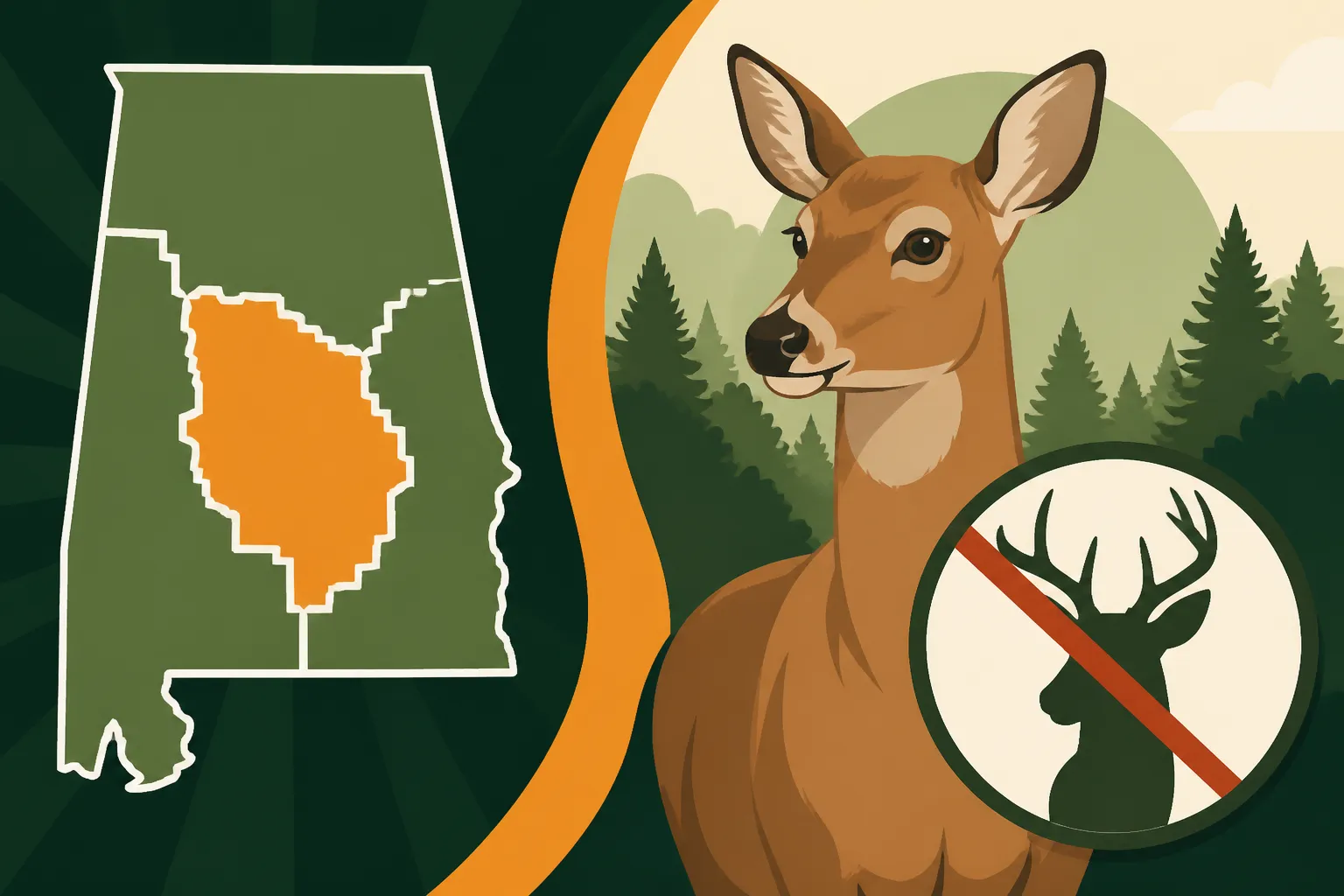
Now, let's talk about Zone C, which often raises questions because of its more restrictive approach to antlerless deer compared to other parts of the state. If you hunt in Zone C, you've probably noticed it, and perhaps even felt a bit of a pinch on your potential harvest. The rules here aren't meant to make hunting harder, but rather to serve specific management objectives for the deer herd within those counties.
The Specific Antlerless Bag Limit in Zone C
In Zone C, the antlerless deer bag limit is significantly tighter than what you might find in Zones A or B. While other zones might allow an antlerless deer per day during the entire either-sex gun season, Zone C typically limits hunters to one antlerless deer per day, but only during a specific, shorter window of the gun season. This means you can't just harvest an antlerless deer anytime the gun season is open for bucks; you have to pay close attention to the designated antlerless days. This restriction is crucial because it directly impacts your overall harvest potential for does and ensures that reproductive females are protected for a longer portion of the season. For many hunters, this means being much more selective, often waiting for prime opportunities or focusing their efforts during those limited antlerless periods. It fundamentally changes the way you plan your hunts, shifting the emphasis away from filling doe tags easily and more towards careful management.
Comparing Zone C to Other Alabama Deer Zones
To really grasp the difference, let's look at how Zone C stacks up against its counterparts. Zones A and B, for instance, typically offer a much more liberal antlerless harvest. In these zones, you might be able to take one antlerless deer per day throughout the entire open gun season for antlered bucks, and sometimes even into the late archery season. This translates to many more opportunities to fill your freezer with venison. Zone C, on the other hand, is a stark contrast. The limited number of antlerless days means that hunters have a much smaller window to harvest does. This is a critical distinction, and one that often catches nonresident hunters or those who move between zones by surprise. This table provides a general overview, but always check the most current regulations for specific dates and any last-minute changes from ADCNR.
| Deer Zone | General Antlered Limit | General Antlerless Limit | Key Characteristic |
|---|---|---|---|
| Zone C | 3 bucks (4 points on one side for 4th buck) | 1 antlerless per day, specific dates only | Tighter antlerless harvest |
| Zone A | 3 bucks (4 points on one side for 4th buck) | 1 antlerless per day, throughout gun season | Most liberal antlerless harvest |
| Zone B | 3 bucks (4 points on one side for 4th buck) | 1 antlerless per day, throughout gun season | Liberal antlerless harvest |
| Zone D | 3 bucks (4 points on one side for 4th buck) | 1 antlerless per day, throughout gun season | Specific season dates |
| Zone E | 3 bucks (4 points on one side for 4th buck) | 1 antlerless per day, throughout gun season | Specific season dates |
Note: This table provides a general overview. Always consult the current Alabama Hunting & Fishing Digest for precise dates and regulations, as these can vary year to year.
You can also find more details on Alabama Gun Season Dates by Zone to ensure you're fully prepared.
Historical Context of Zone C's Regulations
Understanding why Zone C has these tighter regulations helps make sense of them. Historically, deer populations across Alabama weren't always as robust as they are today. Many areas, particularly in what is now Zone C, experienced lower deer densities due to past overhunting and habitat changes. The ADCNR recognized the need to protect and grow these herds. By implementing stricter antlerless limits, especially for extended periods, they aimed to allow more does to survive and reproduce, thereby increasing the overall deer population in those specific regions. It's a long-term strategy that prioritizes herd growth and health. Over the years, this conservative approach has contributed to rebuilding deer numbers, ensuring that hunters in Zone C still have opportunities, but within a framework designed to maintain a healthy, sustainable herd for future generations. This management philosophy often involves a careful balance of biological science and public input to achieve desired outcomes without completely shutting down hunting opportunities.
Practical Implications for Hunters in Zone C
Hunting in Zone C definitely requires a more strategic mindset, especially when it comes to antlerless deer. You can't just walk into the woods on any given Saturday during gun season and expect to fill an antlerless tag. This zone's rules demand careful planning, increased patience, and a deep understanding of your local deer patterns.
Adjusting Your Harvest Strategy
With a tighter antlerless limit and limited antlerless days, simply put, you'll need to be more selective. This means exercising patience and potentially passing on smaller does early in the season, saving your limited tags for a more mature animal or a more opportune moment. Instead of aiming for multiple does, you might focus on filling just one or two tags wisely. This also encourages a focus on the three-buck limit, ensuring you know how to differentiate bucks and adhere to Alabama's Three-Buck Season Limit. Many hunters will prioritize scouting for quality animals, both antlered and antlerless, rather than simply hunting for numbers. You might find yourself shifting your focus from high-volume spots to areas where you're more likely to encounter larger, older does, making each valuable tag count. This conservative approach to antlerless harvest helps maintain a healthy age structure within the doe population, which in turn can lead to more robust fawns and ultimately, a healthier overall herd.
The Importance of Game Check and Reporting
In any zone, reporting your harvest is a legal requirement, but in Zone C, with its precise regulations, it becomes even more critical. Every antlerless deer harvested must be reported through the Game Check system promptly. This isn't just a bureaucratic hoop; it's how ADCNR gathers the data they need to assess the effectiveness of their management strategies. Accurate reporting helps them understand harvest pressure, population trends, and whether the antlerless limits are achieving the desired outcome of herd growth and health. Failing to report, or misreporting, can skew this data, potentially leading to less effective management decisions in the future. It also carries legal penalties, which nobody wants to deal with. Make sure you understand Alabama Deer Reporting Rules and use the Outdoor Alabama app or website to report your harvest immediately after retrieval. It's a small act that contributes significantly to the health of Alabama's deer herd.
Scouting for Antlerless Opportunities
Because of the limited antlerless hunting days, effective scouting becomes paramount in Zone C. You can't afford to waste those precious days hunting unproductive areas. Focus your pre-season and in-season scouting on identifying prime doe bedding and feeding areas, especially those close to thick cover or escape routes. Look for consistent sign: fresh tracks, droppings, and browse lines in specific areas. During the limited antlerless periods, does will often be more active in feeding areas during early mornings and late evenings. Use your trail cameras strategically to pattern their movements. Areas with good food sources, such as acorn flats, planted food plots, or agricultural fields, become magnets for does. Understanding wind direction and thermals for your chosen stand locations is also key to ambushing deer during these limited windows. Tools like GoHunt can assist with identifying potential bedding areas, feeding locations, and travel corridors on your hunting grounds, helping you visualize the terrain and plan your approach for those crucial antlerless days. A little extra scouting effort can significantly increase your chances of success during Zone C's tighter antlerless windows. You might also want to consult resources on Reading Aerial Photos for Piedmont Deer or Scouting Alabama Public Land Before Season to refine your approach.
Broader Deer Management Goals and Zone C's Role
The specific rules in Zone C are not isolated decisions; they fit into a much larger picture of statewide deer management. Understanding this context helps hunters appreciate the 'why' behind the regulations, even if they sometimes feel restrictive. Every decision made by the ADCNR is aimed at fostering a healthy, sustainable deer population across the entire state, recognizing that what works in one region might not be appropriate for another.
Population Control and Habitat Health
At its core, deer management is about balancing deer numbers with the capacity of the habitat to support them. In areas where deer populations are too high, overbrowsing can lead to a decline in plant diversity, reduced fawn survival rates, and smaller, less healthy deer. Conversely, in areas with lower deer densities, like parts of Zone C historically, the goal is often to allow the population to grow and reach a healthy equilibrium with the available habitat. Tighter antlerless limits in Zone C directly contribute to this by protecting breeding females, allowing them to reproduce and increase the overall herd size. This strategy helps ensure that the deer herd doesn't outstrip its food supply, leading to a more resilient and healthier population in the long run. It's a proactive approach to prevent ecological damage and ensure a vibrant ecosystem that supports not just deer, but many other wildlife species too.
Addressing Localized Deer Issues
Zone C's regulations were often put in place to address specific, localized issues. In some areas within Zone C, past land use practices, agricultural patterns, or even historical hunting pressure may have led to lower deer numbers compared to the more fertile Black Belt or heavily timbered zones. When populations are low, even a moderate antlerless harvest can have a significant impact on growth potential. Therefore, the tighter limit serves as a protective measure to allow these local herds to recover and flourish. It’s not about punishing hunters; it's about giving the deer a chance to rebuild their numbers in areas where they needed a boost. This targeted management allows biologists to focus resources and regulations where they are most needed, ensuring that each zone receives the specific attention required to optimize its deer population and health.
Future Outlook for Zone C Regulations
Deer management is not static; it's an ongoing process that adapts to changing conditions. The ADCNR continuously monitors harvest data, population surveys, and habitat health to evaluate the effectiveness of current regulations. If deer populations in Zone C continue to grow and stabilize, there's always a possibility that regulations could be adjusted in the future, potentially offering more liberal antlerless opportunities. However, these changes would only come after careful consideration and robust scientific data supporting such a shift. Factors like fawn recruitment rates, buck-to-doe ratios, and habitat assessments all play a role in these decisions. Hunters should stay informed by checking the Outdoor Alabama website annually for the latest hunting digests and any proposed regulation changes. Your participation in Game Check is crucial here, as it directly contributes to the data that informs these future decisions.
Maximizing Success Under Zone C Rules
Hunting under Zone C's antlerless limits doesn't mean you can't have a successful, rewarding season. It simply means you need to be smart, adaptable, and willing to diversify your approach. It's about shifting your focus and embracing all the opportunities Alabama's wilderness has to offer.
Utilizing Other Hunting Opportunities
When antlerless tags are limited or specific harvest dates restrict your options, it's a perfect time to explore other game species. Alabama offers a wealth of hunting opportunities that can fill your freezer and your season calendar. Consider dedicating some time to Hunting Alabama's Year-Round Feral Hogs. Hogs are abundant, destructive, and have no closed season on private land, offering endless action. You might also enjoy Squirrel and Small Game Hunting in Alabama in the bottomland hardwoods, which can be a fantastic way to spend a day in the woods, hone your shooting skills, and bring home some tasty meat. Pursuing rabbit in the fencerows or dove during the early split can add exciting dimensions to your fall and winter hunting adventures. Diversifying your hunts not only makes you a more well-rounded outdoors person but also takes some of the pressure off those limited deer tags, ensuring you still have plenty of reasons to be out in nature.
Understanding Public Land Antlerless Rules
If you primarily hunt public lands within Zone C, such as a Wildlife Management Area (WMA) or National Forest, you'll need to pay even closer attention. Public lands often have additional, specific regulations that overlay the statewide or zone-specific rules. For example, a WMA in Zone C might have even more restricted antlerless days, or it might implement a quota hunt system where only a limited number of hunters are allowed to participate in antlerless seasons. Some public lands might have specific Alabama Public Land Antlered-Only Windows where only bucks are legal, regardless of the general zone rules. Always consult the specific WMA brochure or national forest regulations for the exact area you plan to hunt. These details are usually available on the Outdoor Alabama website or at WMA check stations. Using tools like GoHunt, which can show WMA boundaries and regulations, can be incredibly helpful for planning. Remember, your Alabama WMA Permit Requirement means you've agreed to abide by these additional rules.
Planning for Multi-Zone Hunts
For hunters fortunate enough to have access to land in different deer zones, strategic planning can really pay off. If you have property in both Zone C and, say, Zone A, you can maximize your antlerless harvest by focusing your doe hunting efforts primarily in Zone A, where the limits are generally more liberal. This allows you to fill your freezer with venison from Zone A without depleting your limited antlerless opportunities in Zone C. You might save your Zone C hunts for specific buck encounters or for those few designated antlerless days where you have a prime opportunity. This isn't about circumventing regulations, but rather about intelligently utilizing the legal framework to your advantage and spreading your hunting pressure across different areas. Such a strategy allows for a more flexible and successful season, ensuring you meet your hunting goals while adhering to all regulations.
Common Questions and Misconceptions About Zone C
Deer hunting regulations, especially when they differ by zone, can lead to a lot of confusion and even some persistent myths. It's easy to get tangled up in the details, so let's clear up some of the most frequently asked questions and common misconceptions about Zone C's antlerless limits.
Clarifying the "Fourth Buck" Rule vs. Antlerless Limits
One common point of confusion for hunters in Alabama is the interaction between the state's three-buck season limit, which includes a specific rule for a "fourth buck" if it meets certain antler criteria, and the separate antlerless limits. It's essential to understand that these are two entirely different sets of regulations. The three-buck limit, often with the condition that the third or fourth buck must have at least four points on one side, applies only to antlered deer. It dictates how many bucks you can take in a season. The antlerless limit in Zone C, or any other zone, dictates how many does (unantlered deer) you can take, and often when you can take them. They operate independently, though both contribute to your overall deer harvest for the season. You cannot use an antlerless tag to fulfill part of your buck limit, nor can you count a buck towards your antlerless limit. Each is its own category. Always refer to the current digest for the precise rules on Why the Fourth Buck Needs Four Points and your specific antlerless allowances.
Why Not Just Have One Statewide Rule?
This is a question many Alabama hunters ask, and it's a fair one, given the complexity of the zonal system. The primary reason against a single statewide rule is the immense biological and ecological diversity across Alabama. If a single, liberal antlerless limit were applied statewide, areas with naturally lower deer densities or those still recovering from historical declines could be severely impacted, potentially leading to population crashes in those regions. Conversely, if a single, highly restrictive antlerless limit were applied across the board, areas with booming deer populations might suffer from overpopulation, leading to habitat degradation, increased disease transmission, and more deer-vehicle collisions.
Alabama's varied landscape—from the rich agricultural fields of the Black Belt to the rugged Appalachian foothills and the vast pine plantations of the Wiregrass—supports deer populations differently. A healthy deer herd in Mobile County might look very different, biologically, from a healthy herd in Lauderdale County. The zonal system allows the ADCNR to tailor management strategies to the specific needs and conditions of local deer populations, ensuring that regulations are biologically sound and sustainable for each region. It's about precision management rather than a one-size-fits-all approach, and while it requires hunters to pay more attention, it ultimately serves the best interests of the deer herd and the hunting tradition in Alabama.
Disclaimer
Please remember that hunting regulations can change. While this guide provides comprehensive information, it is crucial to always consult the current Alabama Department of Conservation and Natural Resources (ADCNR) Hunting & Fishing Digest or their official website (Outdoor Alabama) for the most up-to-date and specific regulations before you hunt. This article is for informational purposes only and should not be considered a substitute for official legal guidance.