Shed Hunting on Alabama Public Land
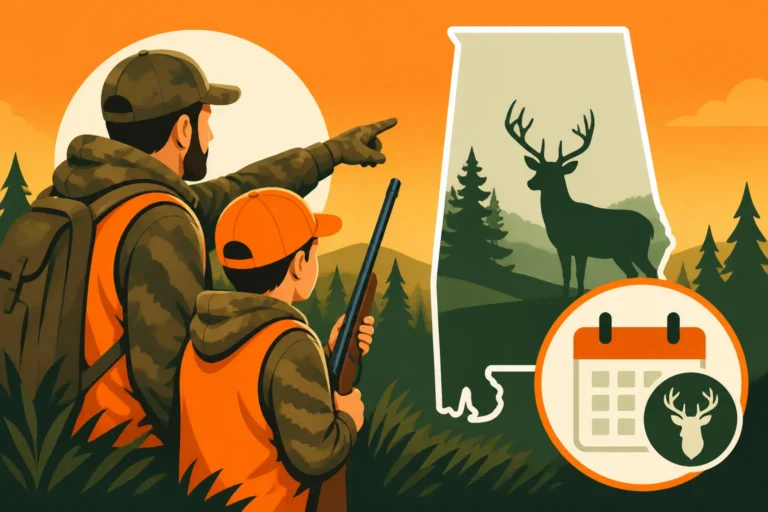
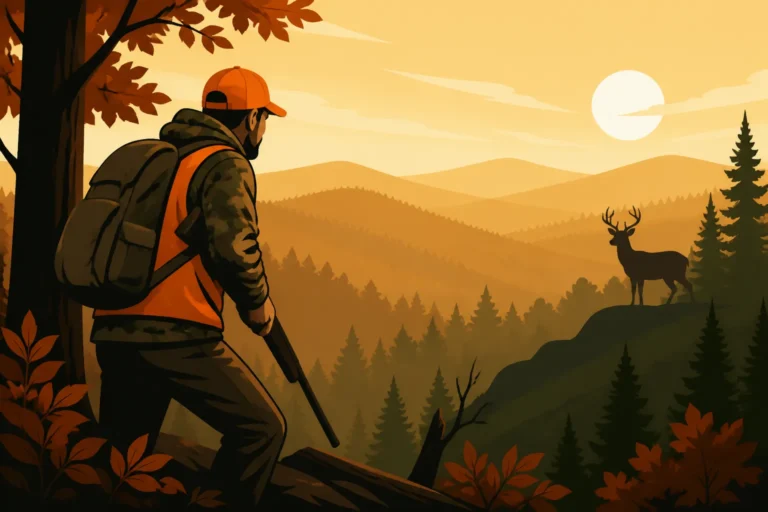
Shed hunting on public land in Alabama can feel like looking for a needle in a haystack – thick briars, dense timber, and the sheer vastness can be incredibly daunting. But with the right approach and a bit of persistence, finding those elusive treasures is absolutely possible. This guide will walk you through the ins and outs of successful shed hunting on Alabama's public lands, offering practical tips and strategies to increase your odds and make your time in the woods productive and enjoyable.
The Allure and Challenge of Shed Hunting in Alabama
There's something uniquely satisfying about finding a shed antler. It's not just about the bone itself; it's a tangible connection to the wild, a piece of a magnificent animal you might have pursued during the season, or one you hope to pursue next fall. For many, shed hunting is an extension of the hunting season, a way to stay engaged with the outdoors during the quieter months. But make no mistake, finding sheds in Alabama, especially on public land, presents its own set of distinct challenges that require a different kind of strategy and patience.
Why Hit the Woods After Deer Season?
For the dedicated deer hunter, the end of gun season often brings a sense of melancholy. The adrenaline fades, the routines change, and the woods feel empty. Shed hunting fills that void beautifully. It keeps you connected to the whitetail world and, perhaps more importantly, offers an incredible opportunity for post-season scouting. Imagine finding a shed from a mature buck – suddenly, you know exactly where he spent some of his winter days. That single antler can reveal critical information about his travel corridors, preferred bedding areas, and even his late-season food sources. This knowledge is invaluable for planning your hunts for the following year. It's like finding a secret map to next season's success. Beyond the practical scouting benefits, there's a primal satisfaction in the hunt itself, a treasure hunt for nature's discarded gems. Each find, no matter how small, is a victory and a reminder of the wild beauty that persists in Alabama's forests.
Navigating Alabama's Tough Terrain for Antlers
Let's be real: Alabama isn't the Midwest when it comes to shed hunting. You won't find wide-open bean fields littered with antlers here. Our public lands, while beautiful and abundant, are often characterized by dense cover, ranging from impenetrable briar thickets and young pine plantations to sprawling river bottom cane brakes. These areas are fantastic for deer to hide in, but they make finding a single antler incredibly difficult. The deer densities in many public land areas are also lower than on intensively managed private tracts, meaning fewer antlers are dropped overall, and they're spread over vast landscapes. Adding to the challenge is Alabama's varying rut timings. In some parts of the state, the rut can stretch well into February, meaning bucks might hold their antlers later than in more northern states. This extended period can make pinpointing the ideal "drop window" a bit of a moving target. Combine these factors with the variable weather – from unseasonably warm February days that encourage early green-up to sudden cold snaps – and you quickly realize that shed hunting in Alabama is a true test of patience and perseverance.
Prime Public Land Locations for Shed Hunting
Alabama boasts an impressive amount of public hunting land, from expansive National Forests to numerous Wildlife Management Areas. Each offers unique characteristics that can either help or hinder your shed hunting efforts. Understanding these differences and knowing where to focus your attention can dramatically increase your chances of finding those elusive antlers. It's not just about walking; it's about smart walking.
National Forests: Vastness and Variety
Alabama's National Forests, like the Talladega, William B. Bankhead, and Conecuh, offer vast landscapes for exploration. The sheer size means less competition in many areas, but it also means you'll cover a lot of ground that might not hold many deer. When shed hunting in these massive tracts, think like a deer during the late winter and early spring. Deer are primarily focused on two things: food and cover, especially thermal cover on cold days.
In the Talladega National Forest Hunting areas, particularly in the Oakmulgee or Talladega districts, focus on the transition zones between mature hardwoods and younger pine plantations. Bucks will often bed in the thick cover of the pines, but venture into the older hardwoods for remaining acorns or early spring browse. Similarly, William B. Bankhead National Forest Hunting is known for its rugged terrain, deep creek bottoms, and towering hardwood ridges. Concentrate your efforts along these creek bottoms, where deer travel frequently, and on south-facing slopes on the ridges, which offer warmth during colder periods. The Conecuh National Forest Hunting in South Alabama features extensive longleaf pine savanna. While beautiful, the open understory can sometimes mean lower deer densities. Here, look for areas with thicker palmetto patches, swampy bottoms, or recent timber operations where early successional growth provides both food and cover. Logging roads and old skid trails within all these forests are also excellent places to walk, as they offer easier travel for both you and the deer, and sheds can often be kicked off along these paths.
Maximizing Your Chances in Wildlife Management Areas
Alabama Wildlife Management Areas (WMAs) are often managed more intensively for wildlife, which can mean more abundant deer sign, but also potentially more hunting pressure throughout the season, and consequently, more competition from other shed hunters. Despite the crowds, WMAs can be incredibly productive if you know where to look. The key is to find those overlooked pockets or areas that are harder to access, which often hold the biggest rewards.
Many WMAs include dedicated food plots, and these are absolute magnets for late-season deer. Check the edges of these plots thoroughly, as deer will often drop antlers as they enter or exit. Also, pay close attention to thick cover adjacent to these food sources. Recent clearcuts or prescribed burns on WMAs can create new browse opportunities and thick bedding cover, making them prime shed hunting locations. Using detailed mapping tools like the ones provided by GoHunt can give you a significant edge. With GoHunt, you can pore over aerial photos, identify thickets, creek crossings, and potential bedding areas before you even set foot in the woods. This allows you to plan efficient routes, mark boundaries, and even note past deer sign or previous shed finds. Don't be afraid to put in the extra miles to reach areas that deter other hunters; these often become your secret honey holes. Remember, while WMAs can be productive, always double-check specific WMA rules and regulations, as some may have restrictions on access or activities during certain times of the year.
Strategies and Techniques for Finding Shed Antlers
Finding shed antlers isn't just about aimlessly wandering through the woods. It requires a strategic approach, keen observation skills, and an understanding of deer behavior, especially as they transition out of the breeding season and into the colder months. From timing your excursions to knowing exactly where to concentrate your efforts, every detail matters.
Timing Your Shed Hunt in the Heart of Dixie
The absolute best time to start shed hunting in Alabama can vary quite a bit depending on where you are in the state, largely due to our protracted and staggered deer rut. Generally, bucks will begin dropping their antlers a few weeks to a couple of months after the peak of the rut, once their testosterone levels have dropped and they begin to recover from the physical demands of the breeding season.
In the northern zones of Alabama, where the rut often peaks in late December or early January, you might start finding sheds as early as late January through February. However, if you're hunting in the southern zones, where the rut can extend well into January and even February, bucks might hold their antlers a bit longer, pushing the prime shed hunting window into March and even early April. Consulting resources like Hunting the Rut in the Southern Zones or Hunting the Rut in the Northern Zones can give you a better idea of when the breeding activity peaks in your specific area, which in turn helps predict the antler drop. Factors like the individual buck's age and health also play a role; older, more stressed bucks might drop earlier, while well-nourished younger bucks might hold onto their headgear a little longer. A severe cold snap or a particularly stressful winter can also encourage earlier shedding. Keep an eye on local conditions and, if possible, trail camera photos of local bucks to get a sense of when they start losing their antlers.
Key Areas to Concentrate Your Search
Once you've got a sense of the timing, the next crucial step is knowing where to focus your precious time and energy. Deer, even after they've lost their antlers, still follow predictable patterns related to survival. Your job is to anticipate where a buck might have been when that antler finally came loose.
Bedding Areas: These are often the most productive spots. Bucks spend a significant portion of their day bedded down, and the action of standing up, lying down, or even just turning their heads can dislodge a loosened antler. Look for thick cover – dense briars, young pine thickets, honeysuckle tangles, or thick cane brakes in river bottoms. South-facing slopes are particularly good bedding areas in winter, as they catch more sunlight and offer warmth. Understanding Where Bankhead Forest Bucks Bed or how to read terrain features like those described in Reading a Ridge for North Alabama Deer can guide you to these sanctuaries.
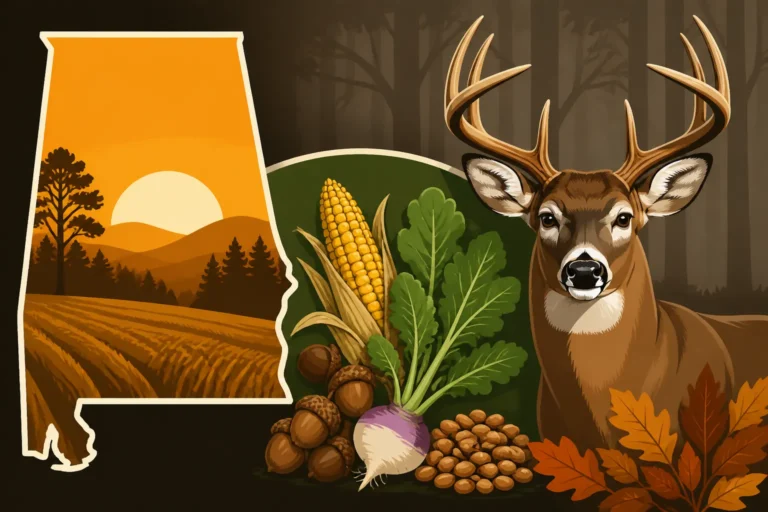
Feeding Areas: After the rut, a buck's primary focus is regaining lost weight. They'll frequent areas with available food. In late winter, this often means remaining acorns in hardwood bottoms, persistent browse, or late-season food plots. Check the trails leading into and out of these areas, and thoroughly grid-search the feeding zones themselves. Even a small patch of green browse or a lingering oak with acorns can be a magnet. Our article on Late-Season Food Sources for Alabama Whitetails can provide insights into what deer are eating post-season.
Travel Corridors and Obstacles: Deer are creatures of habit and will use the easiest paths between bedding and feeding areas. Walk logging roads, old two-tracks, creek crossings, and fence lines. Anywhere a deer has to jump over an obstacle, like a downed log, a ditch, or a fence, is a high-percentage spot. The sudden impact or exertion can knock an antler loose. Look for pinch points, funnels, and natural bottlenecks that concentrate deer movement. A great resource for this is Hunting a Funnel Between Two Creek Bottoms. Also, pay attention to rub lines and scrape lines along a logging road – these indicate established travel paths that bucks have used all season.
Leveraging Technology for Efficient Scouting
In today's world, modern technology is an invaluable asset for any serious shed hunter, especially when tackling vast public lands. Forget just relying on paper maps; mapping apps are a game-changer.
Utilizing powerful platforms like GoHunt can transform your shed hunting strategy. Before you even leave the house, you can spend hours scouting from your couch. GoHunt allows you to overlay aerial photography with property lines, topography, and even public land boundaries. You can zoom in and identify potential bedding areas (dense cover), feeding areas (hardwood bottoms, old fields), and travel corridors (creek drainages, logging roads) with remarkable precision. This preemptive scouting helps you avoid aimless wandering and develop a solid game plan. You can drop pins on promising spots, mark areas you've already covered, and even record past shed finds, building a historical database that will inform future hunts. The ability to mark your path and know exactly where you are on complex public land helps immensely with efficiency and safety. Another fantastic tool is the Scouting With the Outdoor Alabama App which offers WMA-specific maps and information. By combining the detailed mapping features of GoHunt with the localized data from the Outdoor Alabama app, you'll be exceptionally well-prepared to hit the woods. Don't underestimate the power of knowing exactly what kind of terrain you're about to encounter and how to navigate it most effectively.
Ethics, Regulations, and Enjoying the Experience
While shed hunting is generally a low-impact activity, it's essential to approach it with a strong sense of ethics and an understanding of any applicable regulations. Public lands are a shared resource, and our actions reflect on all outdoors enthusiasts. Beyond the rules, there's a certain mindset that makes shed hunting truly rewarding.
Understanding Alabama's Shed Hunting Rules
For the most part, collecting naturally shed antlers on Alabama public land is perfectly legal. Unlike some other states that have specific seasons or even prohibit the collection of sheds on certain public lands, Alabama's statewide regulations generally permit it. However, this general permission comes with a crucial caveat: always check the specific rules and regulations for the particular Wildlife Management Area or National Forest you plan to visit. Some WMAs might have unique bylaws or temporary closures that could impact shed hunting. It's rare, but it's always best to be informed.
What is absolutely not permitted is the harassment of live deer. If you encounter a buck still carrying its antlers, enjoy the sighting, but do not pursue it in an attempt to make it drop its antlers. This is considered harassment and is unethical, potentially illegal, and harmful to the animal. Remember that Hunting Pressure on Alabama Public Land is a real factor, and adding unnecessary stress to deer during the late winter months, when their nutritional reserves are often at their lowest, is not responsible behavior. Our goal is to find what they've already dropped, not force the issue. A quick check of the Outdoor Alabama website or a call to the local WMA office before your trip can save you a lot of trouble and ensure you're in compliance.
Responsible Shed Hunting Practices
Being a responsible shed hunter goes beyond just following the law; it's about respecting the land, the wildlife, and your fellow outdoors enthusiasts. One of the most fundamental principles is "Leave No Trace." This means packing out everything you pack in, and perhaps even picking up a bit of trash you might find along the way. Our public lands are for everyone, and we want to leave them in better condition than we found them.
Equally important is minimizing disturbance to wildlife. Late winter and early spring are critical times for deer. They are recovering from the rut and facing potential nutritional stress. If you're busting through prime bedding areas aggressively or repeatedly, you could be pushing deer out of crucial resting spots and forcing them to expend valuable energy. This is where strategic, thoughtful shed hunting comes into play. Instead of constantly hammering the same high-pressure spots, consider Finding Ground Others Walk Past – areas that are less accessible or less obvious, where deer might feel safer and less disturbed. When you do find a shed, appreciate it, take a photo, and move on quietly. The joy is in the search and the connection, not in turning the woods into a race for antlers. By adhering to these practices, you ensure that shed hunting remains a sustainable and enjoyable activity for everyone, preserving the wild beauty and tranquility of Alabama's public lands.
| Public Land Type | Pros for Shed Hunting | Cons for Shed Hunting | Best Areas to Focus |
|---|---|---|---|
| National Forests | Vast acreage, less hunter competition in remote areas | Deer densities can be lower, challenging dense cover | Hardwood ridges, creek bottoms, logging roads, transition zones |
| Wildlife Management Areas | Managed habitat, often includes food plots, higher deer sign | Potentially higher competition from other shed hunters, specific WMA rules | Edges of food plots, thick cover near feeding areas, recent clearcuts |
Disclaimer
Please remember that hunting regulations, seasons, and land access rules can change. Always consult the official Alabama Department of Conservation and Natural Resources (ADCNR) website or the Outdoor Alabama app for the most current and accurate information before planning any hunting or shed hunting trip. This guide is for informational purposes only and does not constitute legal advice.