Running a Trapline in Rural Alabama
Running a trapline in rural Alabama offers a deep connection to the land and its wildlife, but it's a discipline that demands knowledge, patience, and a strong commitment to ethical practice. Many folks feel overwhelmed by the regulations or unsure where to start when trying to manage furbearers or nuisance animals on their property. This guide is here to demystify the process, walking you through the essential steps, from understanding the rules to setting effective traps and responsibly managing your harvest, helping you become a more effective and ethical trapper.
Navigating Alabama's Trapping Regulations and Licensing
Before you even think about buying your first trap, it's absolutely crucial to get intimately familiar with Alabama's specific rules and regulations. Trapping isn't something you can just jump into; it's a highly regulated activity designed to protect wildlife populations and ensure ethical treatment of animals. Ignoring these rules can lead to serious fines and even loss of hunting and trapping privileges, so let's get you set straight.
Understanding License Requirements
First things first, you're going to need a license. In Alabama, trapping falls under specific licensing categories, and it’s not always covered by a general hunting license alone, especially for commercial purposes or certain species. For most recreational trappers targeting furbearers like raccoons, opossums, skunks, and foxes, you'll need to obtain the appropriate trapping license. This can be a separate purchase from your regular hunting license, or sometimes included in an all-game license, depending on your residency and the license package you choose.
If you're an Alabama resident, you'll typically look for a resident trapping license. Non-residents, on the other hand, will face higher fees and potentially different options. It's always best to check the current year's Outdoor Alabama regulations for the most up-to-date information on fees and requirements. You can usually purchase these licenses online through the Outdoor Alabama website, via a mobile app, or at various license vendors across the state. Remember, carrying proof of your license, whether physical or digital, is a must whenever you're out on your trapline. For more specific details, be sure to look into Alabama Trapping License Requirements.
Key Seasons and Species Specifics
Alabama has defined seasons for different furbearers, and these aren't just suggestions – they're strict legal frameworks. You can't just trap any animal at any time. For instance, species like fox and bobcat have specific open and closed dates, which can vary slightly year to year. You'll need to be aware of Alabama Fox and Bobcat Trapping Season dates if these are your target animals. Similarly, raccoons, opossums, and skunks also have designated seasons, which often begin in the fall and extend through late winter. Checking the official Outdoor Alabama hunting and trapping guide is the only way to be certain of these dates for the current season.
One of the unique aspects of Alabama trapping is the year-round open season for feral hogs on private land. This is a huge benefit for landowners and trappers aiming to control these destructive animals. While there are rules around how you can trap them, the when is wide open on private land. However, if you're trapping hogs on public land, stricter rules often apply, sometimes requiring specific permits or limiting methods. Be sure to familiarize yourself with Alabama Feral Hog Trapping Rules and always consult WMA-specific regulations if you're on public ground. Knowing your Alabama Raccoon Season Dates and other species-specific timelines is essential for legal and ethical trapping.
Scouting Productive Trapline Locations
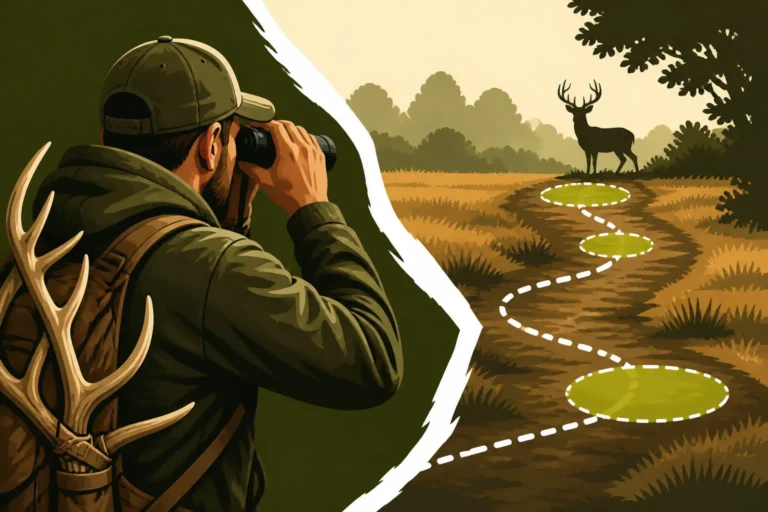
Just like deer hunting, successful trapping starts long before you ever set a trap. You wouldn't just pick a random spot in the woods for your treestand, would you? The same goes for trapping. You need to understand the habits of your target animals, identify the areas they frequent, and recognize the subtle signs they leave behind. This meticulous scouting phase is where you lay the groundwork for a bountiful and efficient trapline.
Identifying Prime Furbearer Habitat
Alabama's diverse landscapes offer a wealth of habitat for various furbearers. When you're scouting, you're looking for bottlenecks, travel corridors, and areas with concentrated food or water sources. For raccoons, think along creek bottoms, sloughs, and drainage ditches – places where they can find crawfish, frogs, and other aquatic snacks. Field edges bordering thick woods are also hotspots, as raccoons and skunks will often forage for insects and fallen crops. Opossums are less particular but often found in similar areas, especially around agricultural fields.
For foxes and bobcats, look for areas where prey species (like rabbits and rodents) are abundant. These predators will frequent dense briar patches, old logging roads that act as travel lanes, and timber stands with good undergrowth. River and creek convergences, natural funnels created by terrain, and transition zones between different habitat types are excellent starting points. Using tools like the GoHunt app can be incredibly helpful here. Its satellite imagery and topo maps can reveal hidden draws, dense cover, and water sources that might be overlooked from the ground, giving you a serious advantage in identifying potential trap locations before you even step foot in the woods. Learning to identify tracks, scat, and even den sites or rub trees (for larger furbearers like bobcats) is paramount. These signs tell you where animals are moving and living, informing your trap placement. You might even adapt some of the techniques for finding deer, like Scouting Alabama Public Land Before Season, to identify furbearer travel routes.
Public vs. Private Land Considerations
Where you can set your traps is just as important as where the animals are. Alabama offers a good amount of public land, including National Forests and Wildlife Management Areas (WMAs), but trapping regulations can vary significantly between these areas. On WMAs, you often need a WMA permit in addition to your state trapping license, and there might be specific rules regarding trap types, set locations (e.g., minimum distance from roads or trails), and even mandatory check-in/check-out procedures. Always check the specific regulations for the WMA you plan to trap, as they can differ. National Forests like Talladega or Bankhead may have their own sets of rules, too.
Private land is often more straightforward, but it comes with a critical requirement: landowner permission. You must have explicit permission from the landowner before setting any traps on private property. This isn't just common courtesy; it's a legal necessity. Building good relationships with landowners can unlock access to prime trapping grounds, especially for nuisance animals like hogs that farmers are keen to control. Always be upfront about your intentions, the types of traps you'll be using, and how often you'll be checking them. A written agreement, even a simple one, can save a lot of headaches down the road.
Essential Trapping Gear and Setup Strategies
Once you've done your homework on regulations and scouted some promising locations, it's time to talk gear. Just like a carpenter wouldn't use a hammer for every task, a trapper needs a variety of tools and the knowledge to use them effectively. The right trap for the right animal, combined with a well-executed set, is the difference between an empty trap line and a successful one.
Selecting the Right Traps for Your Target Species
Alabama trappers typically rely on three main categories of traps: footholds, body-gripping traps, and snares. Each has its place and specific regulations.
-
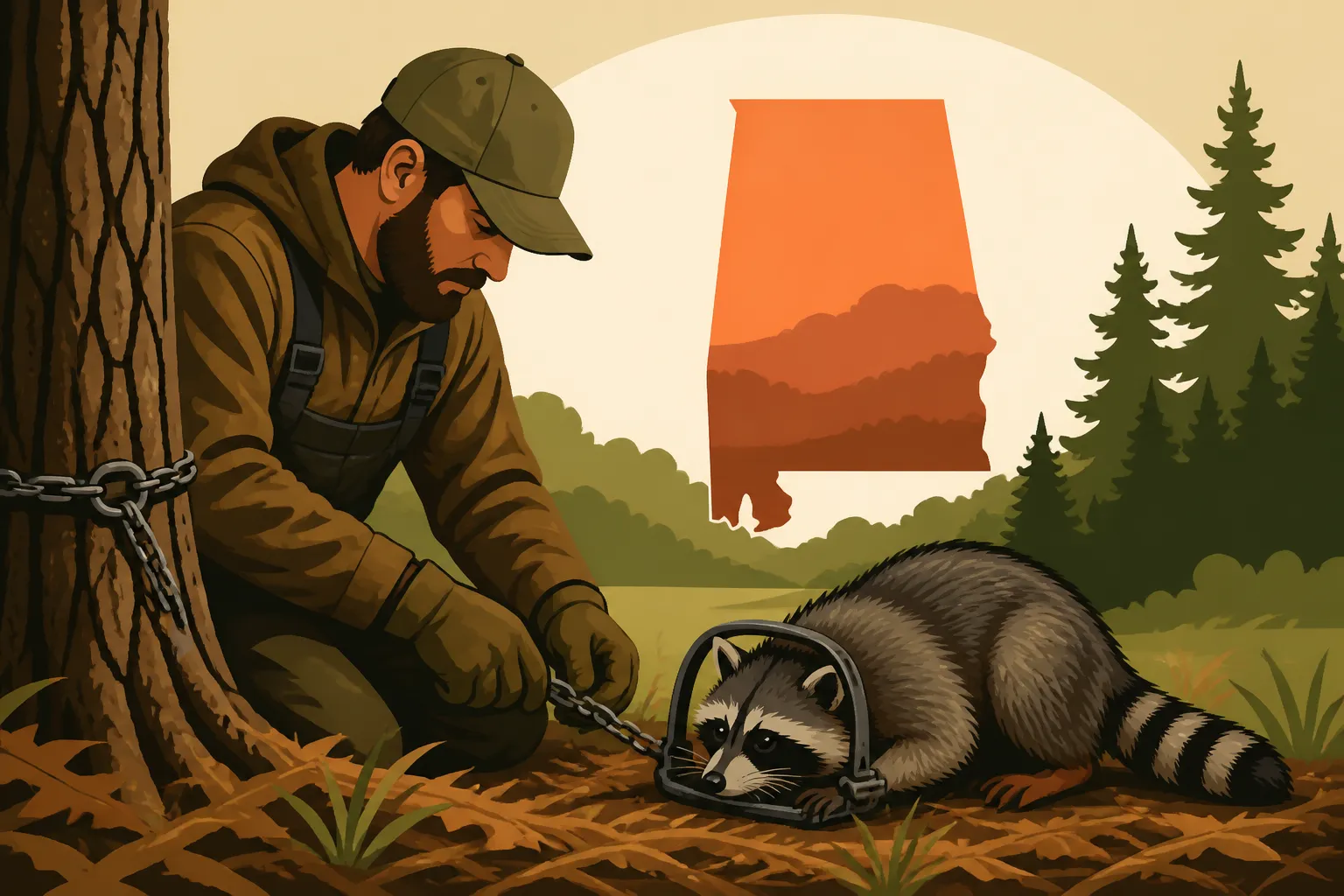
Foothold Traps: These are designed to hold an animal by the foot, humanely, until you arrive. They come in two main styles: coil-spring and long-spring.
- Coil-spring traps are compact and easy to bed, making them popular for land sets targeting raccoons, foxes, and coyotes. Sizes like a #1.5 or #1.75 are common for raccoons and skunks, while larger #2 or #3 traps are preferred for coyotes and bobcats.
- Long-spring traps offer strong holding power and are often favored for water sets, targeting species like muskrats and beavers. They can be a bit bulkier to bed on land.
-
Body-Gripping Traps (Conibears): These traps are designed to dispatch an animal quickly and humanely by striking the body. They are incredibly effective for water-dwelling furbearers like muskrats, mink, and beaver, but their use on land is heavily restricted in Alabama to minimize non-target catches, especially domestic animals. Sizes range from the smaller #110 for muskrats to the large #330 for beavers. Always consult regulations on their legal use in specific areas.
-
Snares: Snares are loops of cable designed to catch an animal around the neck or body. They are highly effective for coyotes and feral hogs, especially in trails and natural funnels. Like body-gripping traps, their use is regulated, often requiring break-away devices or specific anchor points to prevent non-target catches. For feral hogs, specifically, snares can be incredibly efficient in controlling populations. When considering methods for Trapping Alabama Feral Hogs, snares are often a go-to.
It's vital to choose a trap that is appropriately sized for your target species, ensuring a humane catch and preventing the animal from escaping or injuring itself. GoHunt's gear reviews sometimes include discussions on various trap types, which can be a good starting point for research.
Table: Common Furbearers and Recommended Trap Types in Alabama
| Target Species | Recommended Trap Type(s) | Common Trap Sizes | Typical Habitat |
|---|---|---|---|
| Raccoon | Coil-spring foothold, Cage trap, Dog-proof trap | #1.5 – #1.75 | Creek bottoms, field edges, culverts |
| Fox (Grey/Red) | Coil-spring foothold | #1.75 – #2 | Wooded edges, open fields, brushy areas |
| Bobcat | Coil-spring foothold, Snare | #2 – #3 | Thick cover, rocky outcrops, timber |
| Coyote | Coil-spring foothold, Snare | #2 – #3 | Open woods, fields, travel corridors |
| Opossum | Coil-spring foothold, Cage trap | #1.5 | Generalist, often near human habitation |
| Skunk | Coil-spring foothold, Cage trap | #1.5 | Field edges, barns, dense cover |
| Beaver | Body-grip (Conibear), Snare, Foothold | #220 – #330 | Rivers, creeks, ponds, beaver dams |
| Muskrat | Body-grip (Conibear), Foothold | #110 | Marshes, ponds, slow-moving water |
| Feral Hog | Snare, Cage trap, Corral trap | Heavy-duty snares, large cages | Anywhere, especially near food/water |
Baits, Lures, and Set Placement
Once you have your traps, the next step is enticing the animals to them. This involves strategic use of baits, lures, and careful set placement.
- Scent Control: Furbearers, especially canids like foxes and coyotes, have incredibly keen senses of smell. Minimize human odor by wearing clean gloves, washing traps in scent-killing solutions, and avoiding contact with petroleum products or strong detergents. Some trappers even "age" their traps outdoors to lose any factory smell.
- Baits: These are food items used to draw animals in. Fish scraps, tainted meat, commercial dry baits, and even sweet-smelling substances like marshmallows (for raccoons) can be effective. Match the bait to the target species. For example, a beaver might prefer fresh aspen branches, while a coyote would be drawn to carrion.
- Lures: These are concentrated scents, often gland-based or territorial, designed to mimic another animal, evoke curiosity, or simulate breeding activity. Lures are usually applied near the trap, but not directly in it, to encourage the animal to investigate and step on the pan.
- Set Types:
- Dirt Hole Set: The classic land set. You dig a small hole, often at an angle, place bait and lure in it, and bed a foothold trap covered lightly with dirt in front of the hole. This mimics a cache site and is excellent for canids, raccoons, and bobcats.
- Cubby Set: A natural or artificial enclosure (e.g., a hollow log, rock pile, or constructed box) with bait at the back. A foothold or body-grip trap is placed at the entrance. Great for raccoons, opossums, and skunks.
- Water Sets: For beaver, muskrat, and mink, setting traps directly in water is key. These might involve submerged footholds on runways, body-grips at dam crossovers, or snares placed in active channels.
Proper anchoring of your traps is non-negotiable. Whether it's a stake driven deep into the ground, a drag device, or a tree, a securely anchored trap prevents the animal from escaping with the trap or injuring itself due to insufficient restraint. Blending your set into the natural surroundings also helps prevent animals from becoming "trap shy" and minimizes disturbance from curious people.
Running and Maintaining Your Trapline
Running a trapline isn't a "set it and forget it" operation. It demands daily commitment, ethical responsibility, and constant attention to detail. This daily routine is not just about checking for catches; it's about observing, adapting, and ensuring the welfare of any animals caught.
Daily Checks and Animal Welfare
Alabama law, like most states, mandates that all traps must be checked at least once every 24 hours. This isn't just a legal formality; it's a critical ethical responsibility. Leaving an animal in a trap for extended periods causes undue stress, increases the risk of injury, and can attract scavengers. Your daily check involves visiting each trap site, carefully approaching, and determining if an animal has been caught.
When you approach a trap with an animal, do so cautiously and calmly. Sudden movements or loud noises can cause distress. For animals caught in footholds, a quick and humane dispatch is paramount. Methods vary depending on the species and the trapper's preference, but a .22 caliber rimfire pistol or rifle is common for many furbearers. Education on humane dispatch is typically covered in hunter education courses or specific trapping workshops. Always be prepared for what you might find and handle the situation with respect and efficiency. If you catch a non-target animal, such as a domestic dog or cat, you are legally and ethically obligated to release it unharmed, assuming it can be done safely.
Processing Your Harvest and Fur Care
Once an animal is humanely dispatched, the work continues with processing. If you plan to sell furs, proper skinning, fleshing, and stretching are essential to maximize their value. Different furbearers require different skinning techniques – often either "cased" (like pulling off a sock) for raccoons, foxes, and bobcats, or "open" (cut down the belly) for species like beaver. You can research Alabama Muskrat and Mink Trapping Trends to understand the market value for pelts.
- Skinning: Removing the hide carefully, paying attention to not cut into the fur.
- Fleshing: Scraping all fat and meat off the hide. This prevents spoilage and ensures the fur cures properly.
- Stretching: Shaping the hide on a proper stretcher board to dry. This ensures an even thickness and appealing presentation.
Many trappers participate in fur auctions or sell directly to fur buyers. While the fur market fluctuates, responsible trappers understand that utilizing the animal fully is part of the ethical harvest. For some species, like raccoons and opossums, the meat can also be harvested for consumption, although this varies widely by personal preference. With feral hogs, the meat is almost always the primary focus, and proper field dressing and cooling are crucial, especially in Alabama's warm climate.
Safety, Ethics, and Responsible Trapping
Trapping is an ancient practice, but modern trapping is built on a foundation of safety, ethical considerations, and responsible wildlife management. It’s about more than just catching animals; it’s about being a steward of the land and a respectful participant in the ecosystem.
Avoiding Non-Target Catches and Public Encounters
One of the biggest concerns for both trappers and the general public is the potential for non-target catches. To minimize the chances of catching a domestic animal or a species you're not targeting, always use discretion in your set locations. Avoid setting traps directly on public walking trails, near homes, or in areas where domestic pets are known to roam. Using dog-proof traps for raccoons, for example, significantly reduces the chance of catching a domestic dog. For coyotes, understanding Coyote Calling in Alabama Farm Country tactics might lead you to areas less frequented by non-targets.
If you are trapping on private land near public access points or residential areas, consider posting signs indicating that traps are in use. This transparency can prevent misunderstandings and unnecessary alarm. When you encounter curious members of the public, be polite, informative, and willing to explain what you're doing and why. Education can go a long way in fostering understanding and acceptance of trapping.
Legal Compliance and Ethical Trapping Practices
The bedrock of responsible trapping is unwavering adherence to all state and local laws. This means knowing your regulations inside and out, from specific trap types allowed to mandatory check times and setback distances from public roads. Ignoring these rules not only puts you at risk of Alabama Wildlife Violation Penalties but also casts a negative light on all trappers. Continuously educating yourself through trapper education courses, staying updated on regulation changes, and participating in trapper associations can help ensure you're always operating within legal and ethical boundaries.
Beyond legality, ethical trapping involves ensuring the most humane capture and dispatch methods possible. It means choosing trap types appropriate for the target animal and local conditions, checking traps diligently, and minimizing suffering. Trapping is a valuable wildlife management tool, helping to control overpopulated species, reduce property damage, and manage predator populations (similar to Predator Hunting in Alabama). By embracing ethical practices, trappers play a vital role in maintaining healthy ecosystems and contribute positively to Alabama's rich outdoor heritage.
Disclaimer
The information provided in this guide is for general informational purposes only and does not constitute legal advice. Hunting and trapping regulations in Alabama are subject to change. Always consult the most current official Alabama Department of Conservation and Natural Resources (ADCNR) regulations and local ordinances before engaging in any hunting or trapping activities. The user assumes all responsibility for understanding and complying with applicable laws and regulations.