Alabama Deer Camp Traditions
In the heart of Alabama, when the leaves begin to turn and the crisp autumn air carries the scent of pine and damp earth, something truly special stirs for many families and groups of friends: deer camp. It's more than just a place to hang your hat and hunt; it's a sacred gathering, a yearly pilgrimage away from the hustle and bustle of daily life, where stories are retold, skills are honed, and bonds are forged around crackling fires. This guide is all about diving deep into those cherished Alabama deer camp traditions, exploring why they endure, how they’ve shaped generations of hunters, and what makes them such an invaluable part of our hunting heritage.
More Than Just a Hunt: The Heart of Alabama Deer Camp
For many of us, deer camp isn't just a physical location; it's a state of mind, a time of year eagerly anticipated from the moment the previous season closes. It’s where the real education happens, far beyond what any textbook can teach. The essence of deer camp lies in its ability to strip away the distractions of modern life and reconnect us with the land, our heritage, and each other.
The Annual Pilgrimage: Escaping the Everyday Grind
Life in the modern world moves fast. Between work, school, errands, and all the screens demanding our attention, it's easy to feel disconnected. That's where deer camp steps in, offering a vital escape. It's a chance to trade office fluorescent lights for the natural glow of a campfire, traffic jams for the rustle of leaves, and endless to-do lists for the simple, profound challenge of the hunt. This annual journey to a secluded cabin, a camper parked deep in the woods, or even a well-appointed tent city, represents a deliberate choice to unplug and recharge. It’s about more than just bagging a deer; it’s about the mental reset, the quiet mornings in a stand, and the simple satisfaction of working hard outdoors. For families, it's often a multi-generational affair, with grandfathers, fathers, sons, and daughters all converging, eager to continue a tradition that runs deep in their blood. The anticipation starts building months in advance, with calls and texts exchanged, gear lists being mentally checked, and predictions about the upcoming season being debated with fervent passion.
Forging Bonds and Sharing Stories Around the Fire
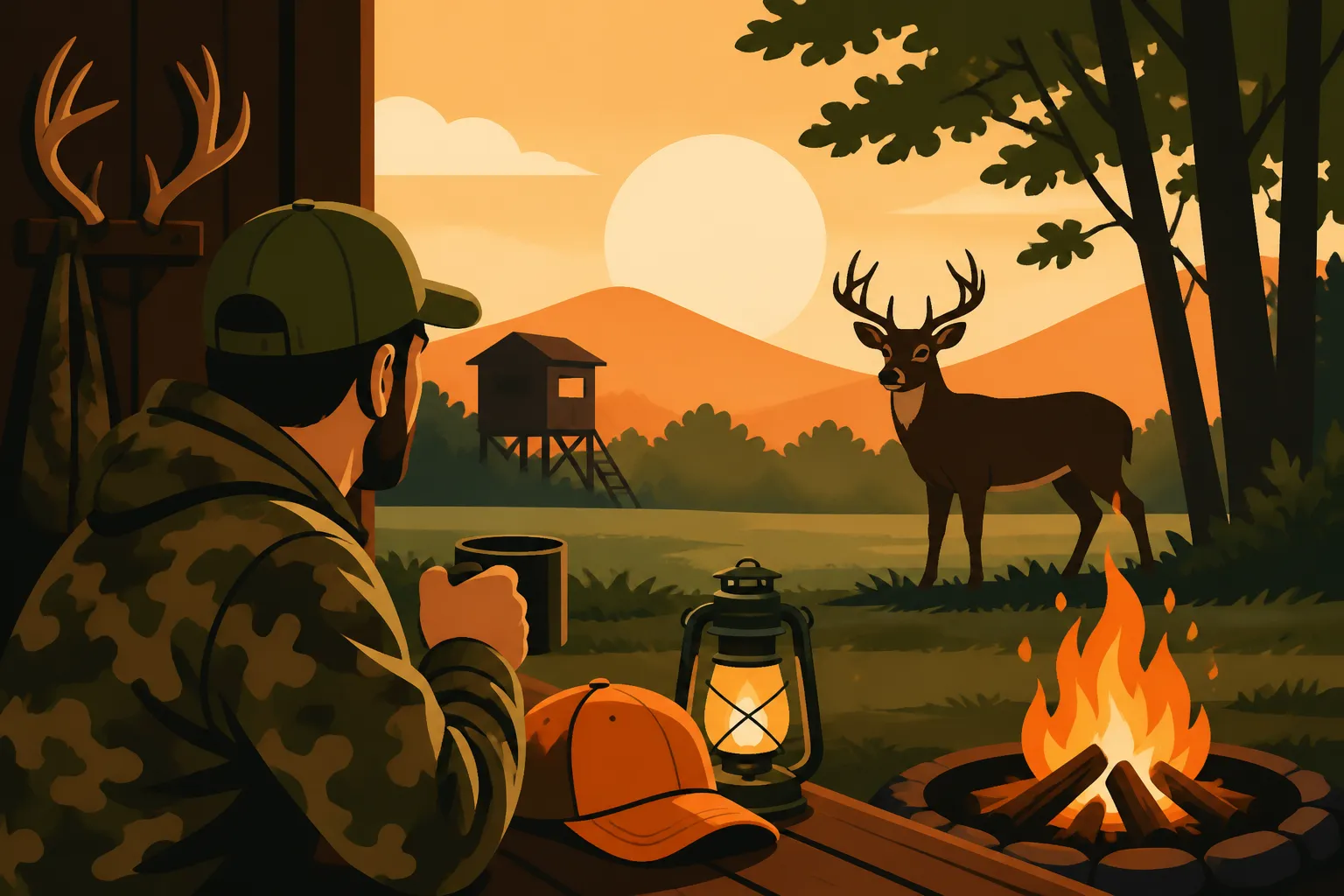
Perhaps the most potent magic of deer camp happens not in the deer stand, but around the campfire or kitchen table. Here, away from judgment and pretense, hunters truly connect. The stories flow as freely as the coffee or sweet tea, tales of "the one that got away," the biggest buck ever seen, or the comical mishap of a rookie hunter. These narratives, embellished with each retelling, become the folklore of the camp, reinforcing shared experiences and solidifying bonds that often last a lifetime. It’s a place where old friends become like family, and new acquaintances are quickly brought into the fold. Imagine sitting there, the smell of woodsmoke in the air, listening to a seasoned veteran recount a hunt from decades ago, his eyes alight with memory. These aren't just stories; they're lessons, entertainments, and vital threads weaving the fabric of the camp community. They are the oral history of our hunting lives, passed from one generation to the next, teaching patience, strategy, and the respect for nature that underlies all true hunting.
The Unspoken Rules and Rituals of Camp Life
Every good deer camp has its own unique set of traditions, some official, many unspoken. These rituals, whether it’s a specific breakfast meal every morning or a designated spot for the coffee pot, are what give camp its distinct character and make it feel like home, even when it’s far from your actual house. They provide structure and predictability in an otherwise wild setting.
From Dawn Patrol to Evening Feast: Daily Rhythms
The rhythm of deer camp is primal and deeply satisfying. It usually begins well before dawn, often with the hiss and gurgle of a percolating coffee pot and the smell of bacon sizzling. Hunters are up early, fueled by caffeine and anticipation, ready to head out to their chosen spots. You’ll hear the quiet clink of gear, whispered goodbyes, and the crunch of boots on frosted ground as everyone disperses. After the morning hunt, there's often a communal breakfast, a chance to warm up, share immediate observations, and strategize for the afternoon. Midday might involve scouting new areas, checking trail cameras (a task made easier with modern tools like the GoHunt app for mapping and land ownership details), or simply relaxing. As evening approaches, the cycle reverses, with hunters returning from the woods, often tired but exhilarated. The evening is dedicated to communal tasks: cleaning game, preparing dinner, and of course, sharing the day's successes and defeats. This routine, repeated day after day, week after week during the season, creates a powerful sense of order and purpose. It’s a dance everyone knows, a comforting predictability that underscores the wildness of the hunt itself.
Passing Down the Knowledge: Mentorship and Youth at Camp
Deer camp is arguably the most effective classroom for new hunters, particularly the younger generation. It's here that patience is taught not through lectures, but through hours of silent observation in a cold stand. Responsibility comes from the careful handling of firearms and the respectful processing of harvested game. Respect for nature is instilled by witnessing the full cycle of the hunt, from pursuit to table. Experienced hunters, often grandfathers or seasoned uncles, act as mentors, patiently explaining everything from tracking deer through Alabama pine straw to understanding wind and thermals on a Piedmont ridge.
It’s during special times like the Alabama Special Youth Hunt Windows that these lessons become particularly impactful. Youngsters learn how to properly field dress a deer in warm weather, how to read sign, and the importance of ethical hunting. There’s no substitute for hands-on learning, and deer camp provides that in spades. For many, the first deer harvested at camp, celebrated with genuine enthusiasm by the entire group, becomes a cherished memory, marking a significant rite of passage. These are the moments that ensure the traditions live on, passed from generation to generation, keeping the spirit of the hunt alive and thriving.
Preparing for Camp: Logistics, Gear, and Grub
A successful deer camp isn't just about showing up; it requires careful planning and a division of labor. From ensuring everyone has their Alabama Hunting Licenses and What They Cost to stocking the pantry, preparation is key to a smooth and enjoyable experience.
Essential Gear for a Comfortable Alabama Deer Camp
Making sure you have the right gear can make all the difference between a miserable camp experience and a memorable one. Beyond your personal hunting equipment – rifles, bows, ammunition, and appropriate hunting attire – there's the communal gear that keeps camp running. Think about shelter: a sturdy canvas tent, a travel trailer, or a rustic cabin. A reliable heat source, whether it's a wood stove or propane heater, is crucial for those cold Alabama mornings and evenings. Cooking equipment, from Dutch ovens to propane stoves, is essential for feeding hungry hunters. Don't forget lighting, especially good headlamps and lanterns for navigating after dark. A robust first-aid kit is non-negotiable, given the remote locations many camps occupy. Additionally, tools for game processing, like sharp knives, a game hoist, and coolers, are vital. For those utilizing public lands, understanding Camping Rules on Alabama National Forest Land is paramount to avoid issues. Many hunters also rely on powerful navigation apps, like those available through GoHunt, to ensure they know property boundaries and find their way safely back to camp after a long day afield.
| Item Category | Essential Camp Items | Why It's Needed |
|---|---|---|
| Shelter | Large tent, camper, or cabin | Protection from elements, communal space |
| Heating | Wood stove, propane heater, plenty of fuel | Comfort in cold weather, drying gear |
| Cooking | Propane stove, grill, pots, pans, utensils, cooler, campfire grate | Preparing meals, storing perishables |
| Lighting | Lanterns (propane/LED), headlamps, flashlights, extra batteries | Visibility in camp and while navigating to/from stands in the dark |
| Game Care | Sharp knives, gambrel/hoist, large coolers, ice, game bags, skinning table | Proper processing and preservation of harvested game, especially important for Butchering a Deer at Camp |
| First Aid | Comprehensive medical kit, any personal medications | Handling injuries, emergencies, common ailments |
| Navigation | GPS device, detailed maps (physical & digital like GoHunt), compass | Safety in unfamiliar terrain, finding stands, tracking game |
| Comfort | Camp chairs, sleeping bags (rated for cold), air mattresses/cots, toiletries, towels | Rest and personal hygiene |
| Tools | Axe/saw for firewood, multi-tool, duct tape, rope, zip ties, small repair kit | General camp maintenance, repairs |
| Communication | Two-way radios, fully charged cell phones, satellite messenger (for remote areas) | Staying in touch, emergency contact |
| Water | Plenty of potable water, water filters/purifiers | Drinking, cooking, cleaning |
| Cleaning | Soap, sponges, dish towels, trash bags | Maintaining cleanliness and minimizing impact |
The Culinary Backbone: Feeding a Hungry Camp
Food at deer camp isn't just sustenance; it's a central part of the camaraderie and a tradition in itself. Often, there are specific meals that become camp staples – hearty breakfasts of eggs, bacon, grits, and biscuits before dawn, and comforting, stick-to-your-ribs dinners after a long day in the woods. Chili, stews, venison steaks (if luck has been on your side!), and slow-cooked roasts are common. The cooking itself can be a communal effort, with everyone pitching in, or it might be the domain of a designated camp chef who takes immense pride in their culinary creations. There's nothing quite like gathering around a table laden with hot food, swapping stories and laughs as the day winds down.
And of course, when a deer is harvested, the culinary game elevates. The joy of bringing fresh venison back to camp and cooking it up for the group is immense. Knowing how to properly prepare and Butchering a Deer at Camp can turn a successful hunt into an immediate feast, making the experience even more rewarding. It's a testament to the bounty of the land and the skill of the hunter, shared generously with those who share the camp experience.
Preserving the Legacy: Why Deer Camp Matters More Than Ever
In an age of instant gratification and digital connections, the traditions of Alabama deer camp stand as a testament to something more enduring. These camps are vital cultural touchstones, preserving not just hunting skills but also a way of life that values hard work, self-reliance, and deep personal connections.
Keeping the Flame Alive: Adapting to Modern Challenges
While many aspects of deer camp remain timeless, the modern world inevitably brings new challenges. Finding suitable land, whether it's through leases, private property, or navigating the complexities of Alabama Wildlife Management Areas, can be tough. Increased hunting pressure on Alabama public land means hunters need to be more strategic and often willing to go further to find undisturbed areas, potentially using detailed mapping tools from GoHunt to identify less-traveled spots or scout for prime locations. Financial pressures also mean that a traditional, elaborate deer camp might be out of reach for some. However, the spirit of deer camp is adaptable. It can thrive in a simple setup, focusing on the core values of camaraderie and connection rather than lavish amenities. Even a smaller, more minimalist camp, centered around a fire and good company, can provide that invaluable escape and continuity. The key is prioritizing the shared experience and the passion for hunting over material luxuries. It's about finding ground others walk past and putting in the effort to discover hidden gems.
The Future of Alabama Deer Camp: Generational Connections
The true strength and future of Alabama deer camp traditions lie in their ability to foster generational connections. It's about more than just teaching someone to shoot; it's about imparting a philosophy, a respect for nature, and a connection to a past that stretches back through ancestors who also hunted these lands. Whether you're hunting White-Tailed Deer Across Alabama or teaching someone how to properly track game, these moments create lasting memories. When a seasoned hunter shares the wisdom gained from years of Scouting Alabama Public Land Before Season, they're not just offering tips; they're passing on a legacy. These traditions are the threads that bind families and friends together, offering a sense of belonging and purpose that is increasingly rare. As younger generations pick up the torch, they bring new ideas and energy, ensuring that while the specific details might evolve, the heart of Alabama deer camp — the fellowship, the stories, and the shared love of the hunt — will continue to burn brightly for many years to come.
Disclaimer
Please note that hunting regulations, seasons, and licensing requirements can change. Always consult the latest official Alabama Department of Conservation and Natural Resources (ADCNR) guidelines and regulations before planning any hunting trip. This content is for informational and entertainment purposes only and should not be considered legal advice or a substitute for official resources.