Hunting Alabama’s Later Turkey Zone Opener
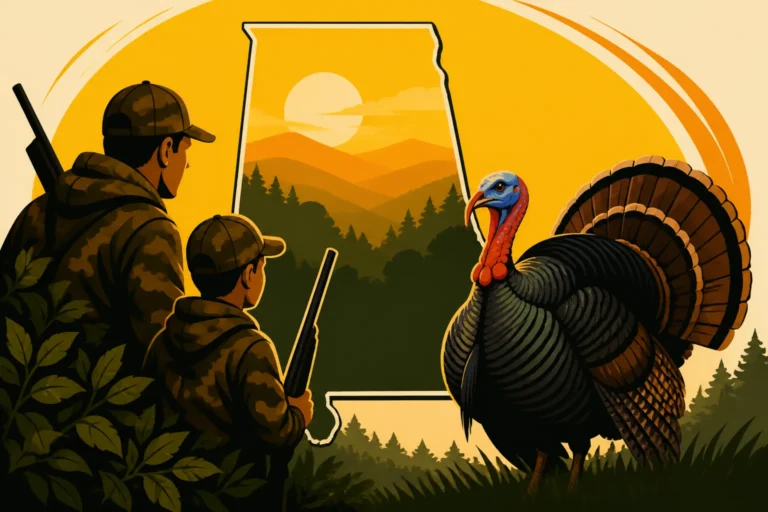
For those of us who live and breathe turkey season, it can be a real head-scratcher when the spring opener isn't uniform across the state. Missing out on the initial rush because your hunting grounds fall into a later zone can feel like you're a step behind. But don't despair! Alabama's later turkey zone opener presents unique opportunities and challenges that, with the right approach, can lead to incredible success. This guide will walk you through everything you need to know to make the most of those crucial later-season days, from understanding zone specifics to fine-tuning your tactics for birds that have heard it all before.
Understanding Alabama's Split Turkey Zones
Alabama's approach to spring turkey season isn't a one-size-fits-all deal, and that's often where the confusion begins for hunters. Instead of a statewide opening day, the state is divided into distinct zones, each with its own set of dates. This staggered opener is a deliberate conservation strategy, designed to account for the natural variations in turkey breeding cycles across Alabama's diverse landscapes.
Why Zone 2 Opens Later
The primary reason for Alabama's split turkey zones, particularly why Zone 2 opens later than Zone 1, boils down to the biological rhythms of wild turkeys. Turkeys don't all breed at the exact same time across a state as geographically varied as Alabama. In the southern reaches, typically designated as Zone 1, spring arrives earlier, bringing with it warmer temperatures and an earlier flush of green vegetation. This environmental shift triggers an earlier onset of gobbling activity and breeding behavior in the turkey population.
Conversely, the northern counties, which largely comprise Zone 2, experience a delayed spring. Cold weather often lingers longer, and the forest floor takes a bit more time to wake up. To ensure that turkeys have ample opportunity to breed and nest successfully before hunting pressure begins, the Alabama Wildlife and Freshwater Fisheries Division (ADCNR) pushes back the opening day in these northern zones. This delay helps protect hens during their peak nesting periods and allows gobblers to establish breeding territories and mate with a good number of hens before hunters hit the woods. It's a critical management tool to sustain healthy turkey populations, ensuring that future generations have birds to hunt. If you've ever wondered about the specifics of these dates, our guide on Alabama Spring Turkey Zones and Dates offers a detailed breakdown.
Key Dates and Geographic Breakdown
Navigating the Alabama turkey season truly means knowing your zone. Zone 1, which generally covers the lower two-thirds of the state, typically kicks off the season earlier in March. However, if your hunting plans take you to Zone 2, predominantly encompassing the northern tier of Alabama counties, you'll find the season opener usually falls about a week later. This might seem like a minor difference on a calendar, but it can profoundly impact bird behavior and hunting conditions.
For example, counties like Madison, Marshall, Blount, Calhoun, and Cleburne, among others in the northern half, are typically in Zone 2. It’s always crucial to verify the exact zone for your specific county of interest each year through the official ADCNR regulations, as boundaries can occasionally see minor adjustments. Understanding this geographic split is the first step to successful later-season hunting. It allows you to anticipate when birds will be most active and when the woods will begin to fill with other hunters, providing a tactical advantage for planning your approach. You can easily find the precise start date for Alabama's Later Spring Turkey Zone Opener on the Outdoor Alabama website.
Key Differences and Challenges of the Later Opener
Stepping into the woods for Alabama's later turkey zone opener isn't simply a matter of rescheduling your hunt; it's about recognizing and adapting to a fundamentally different set of conditions than those faced by early-season hunters. The later start brings with it a unique blend of environmental shifts and behavioral changes in the turkey population, all compounded by the inevitable increase in hunting pressure.
Weather and Vegetation Changes
By the time Zone 2 opens, usually in late March, the Alabama landscape has undergone a significant transformation compared to the early days of Zone 1. The bare hardwoods and sparse understory of early spring have given way to rapidly advancing foliage. Dogwoods, redbuds, and wild plums are typically in full bloom, adding color to the forest, but also significantly increasing visual cover. The forest floor, once relatively open, is often now a dense carpet of green, making stealthy movement more challenging and obscuring gobblers.
Weather patterns also shift. While early March can still bring crisp, cold mornings, late March and early April in Zone 2 often mean milder temperatures, even warm or hot days, especially as the sun climbs. This can affect how long birds gobble on the roost and how far they travel to feed. Hunters need to consider lighter clothing options, stay hydrated, and be prepared for less vocal birds once they hit the ground. The lush vegetation can also muffle calls and make it harder to pinpoint a bird's exact location, demanding more precise listening skills and perhaps a more aggressive pursuit once a bird is located.
Gobbler Behavior Shifts Post-Peak
The biggest challenge with the later opener is often the change in gobbler behavior. By the time Zone 2 opens, the peak of the breeding season for turkeys in these areas might be just beginning, or it might already be nearing its midpoint. This means gobblers aren't always as "hot" and eager to respond to every call as they might be during the very earliest days of the season further south. They've likely been gobbling for a week or two, have bred some hens, and might be "henned up"—meaning they're already with a group of receptive hens and less inclined to seek out a lone caller.
This isn't to say they won't gobble; they will, especially early in the morning. However, they might be more selective, more cautious, and less willing to break away from their real hens to investigate a phantom one. Instead of running directly to a call, they might "hang up" at a distance, expecting the hen to come to them. Understanding this shift in the pecking order—where the real hens often dictate the gobbler's movements—is crucial. This often necessitates a more patient, strategic approach, rather than simply bombarding them with calls. You might find some helpful insights into adapting to these changes by understanding When Alabama Gobblers Go Quiet in May, as some of the strategies for late season can overlap.
Increased Hunting Pressure
Another significant hurdle with the later opener, especially on public lands, is the accumulated hunting pressure. By the time Zone 2 opens, Zone 1 hunters have often been at it for a week or more. Some of these hunters might shift their focus to Zone 2, adding to the local pressure. Even if not, local birds have likely been scouted, called, and pursued by anxious hunters since opening day. This pressure can make gobblers exceedingly wary and less responsive to calls, becoming "call-shy."
Birds that were once easy to call in might now shy away from anything but the most perfect, subtle sounds. They learn quickly to associate human presence with calls and may become silent or simply move away from perceived threats. This increased pressure demands exceptional woodsmanship, including silent movement, careful setups, and a deep understanding of turkey escape routes. Finding pockets of unpressured birds often means hiking deeper, scouting overlooked areas, or employing tactics that differ from what everyone else is doing. Considering Hunting Pressure on Alabama Public Land will highlight just how critical it is to differentiate yourself from the crowds.
Scouting and Pre-Season Preparation for Zone 2
Success in Alabama's later turkey zone opener isn't usually a matter of luck; it's the culmination of diligent scouting and meticulous preparation. Given the shifted conditions and experienced birds, your homework before the season even begins can make all the difference when those first morning gobblers start sounding off.
Locating Roosts and Strut Zones
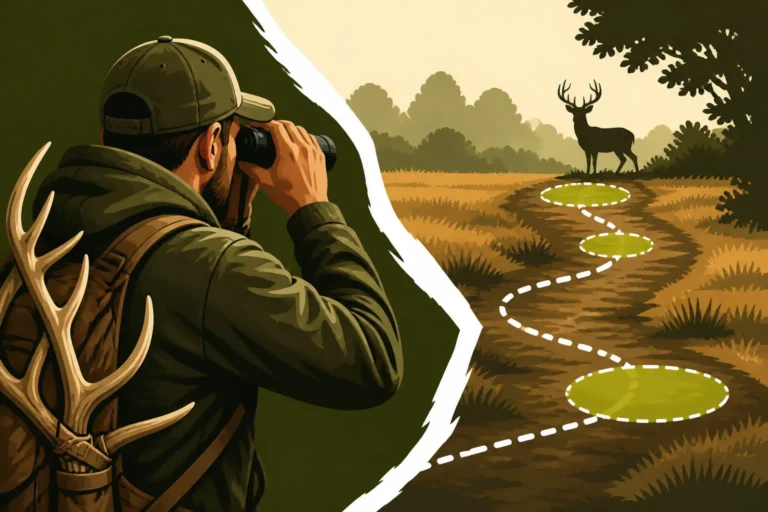
Long before opening morning, dedicated turkey hunters are out in the woods, not with a shotgun, but with binoculars and keen ears, trying to locate active roosts. In Zone 2, where vegetation is denser, finding these roost sites is even more critical. Gobblers are creatures of habit, often returning to the same general area of tall, sturdy trees—pine or hardwood—night after night. Listening at dawn or dusk for fly-up and fly-down cackles, as well as evening gobbles, can pinpoint these crucial starting points. Knowing where a gobbler spends the night allows you to set up well before dawn, giving you the first opportunity to call him off the limb.
Beyond the roost, identifying strut zones is equally important. These are areas, often open ridges, logging roads, field edges, or sparse timber, where a gobbler feels safe to strut and display for hens. Look for fresh tracks, wing drag marks in soft dirt, and droppings. A strut zone near a roost site is a goldmine, indicating where a gobbler is likely to head immediately after flying down. This pre-season intelligence gathering helps you anticipate a bird's movements and position yourself accordingly. For more in-depth knowledge, consider our piece on Where Alabama Gobblers Roost.
Using Mapping Tools Like GoHunt
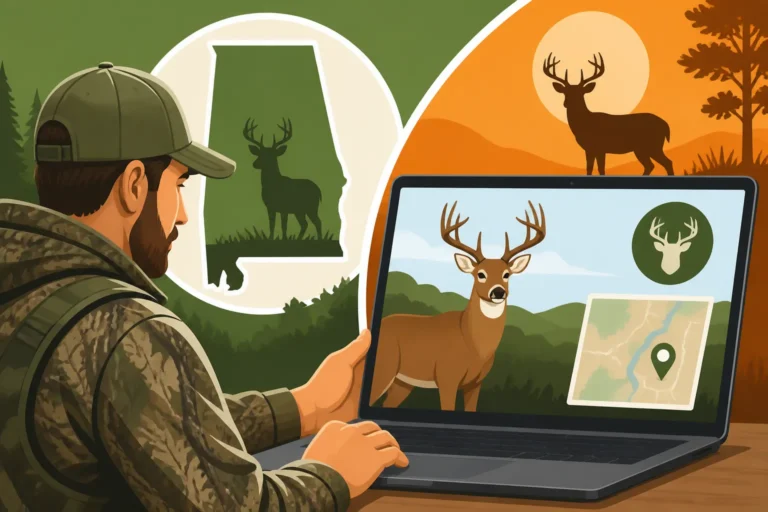
In today's hunting world, advanced mapping tools are indispensable, and for scouting Alabama's later turkey opener, they can provide a significant edge. Platforms like GoHunt offer detailed satellite imagery, topographic maps, and public/private land ownership overlays that can save you countless hours of boots-on-the-ground scouting. You can identify potential roosting areas by looking for mature timber stands, locate likely strut zones like open fields or clear-cuts, and pinpoint travel corridors along creek bottoms or ridgelines—all from the comfort of your home.
With GoHunt, you can mark potential hotspots, plan your entry and exit routes, and even identify areas of lower hunting pressure that might be overlooked by others. Understanding the lay of the land, identifying natural funnels, and locating water sources where turkeys might frequent later in the morning are all made easier with these digital tools. They allow you to virtually explore vast tracts of land, helping you prioritize where to focus your physical scouting efforts. This becomes even more vital when trying to identify new areas to hunt, especially when trying to avoid heavily trafficked spots.
Interpreting Late Season Sign
As the season progresses, the sign you look for changes. While fresh gobbler tracks and wing drags are always good, pay closer attention to what turkeys are feeding on. Earlier in the season, turkeys might be hitting acorns from the previous fall or emerging green shoots. By the later opener, they could be targeting insects, tender new growth in clearings, or even budding plants. Understanding their current food preferences helps you predict where they'll spend their mid-morning hours once they've finished breeding activity.
Additionally, pay attention to dusting bowls, especially on warm, sunny slopes. These indicate where birds are loafing and cleaning themselves, often signaling a safe, comfortable area where they spend time during the day. Fresh droppings and feather piles can tell you if birds are still in an area and how recently they've been there. Don't just look for sign; interpret it. Is it fresh? Is it abundant? Does it show a pattern of consistent use? This detailed analysis of late-season sign, combined with your mapping efforts, paints a clearer picture of turkey movements and habits in your specific hunting area. Our article on Scouting Alabama Public Land Before Season offers even more universal scouting advice.
Tactics and Strategies for Later Season Gobblers
Hunting gobblers during Alabama's later turkey opener demands a nuanced approach. The birds have likely heard a fair share of calls, and they might be more interested in hens than in finding a new one. This means adapting your calling style, movement, and setup to outsmart these seasoned birds.
Aggressive Calling vs. Subtle Approach
This is a classic turkey hunting dilemma, and for the later opener, the answer often lies in reading the bird. Some gobblers, especially those that are "lonely" or have lost their hens, might respond well to aggressive calling—loud, excited yelps and cutts designed to sound like a hot hen ready to breed. This can sometimes fire up a reluctant gobbler and bring him charging in. However, many later-season birds, especially those that are call-shy from previous encounters, will be spooked by overly aggressive calling.
For these warier birds, a subtle approach is often more effective. Soft clucks, purrs, and quiet tree yelps can pique their curiosity without raising alarms. Think of it as inviting them in for a casual chat, rather than yelling for attention. Sometimes, simply mimicking the sounds of real hens—soft clucks and contented purrs—can make a gobbler think there are real birds nearby, potentially drawing him in if he's actively looking for company. It's about being a chameleon with your calls, always adapting to the bird's mood and the level of hunting pressure.
Run-and-Gun vs. Sit-and-Wait
The choice between a run-and-gun strategy and a sit-and-wait approach is heavily influenced by the stage of the season and the terrain you're hunting. Earlier in the morning, especially if you hear distant gobbling, a run-and-gun approach can be very effective. This involves quickly moving through the woods, stopping frequently to call, and then repositioning to close the distance on any bird that responds. It's an active, high-energy style that works well when trying to locate scattered birds across a large area, particularly on public lands where you need to cover ground to find unpressured pockets. For a deeper dive into this active style, read up on Run-and-Gun Turkey Tactics on Public Land.
However, as the morning progresses, or if you're hunting an area with known bird activity or limited access, a sit-and-wait strategy often pays off. This involves choosing a strategic setup—perhaps near a strut zone, a field edge, or a known travel corridor—and patiently calling periodically, waiting for a bird to come to you. This is especially effective if gobblers are henned up and you believe they might eventually break away and come looking for a "new" hen. It requires immense patience and confidence in your setup, but it can be deadly for birds that are reluctant to commit. Sometimes, setting up against a good tree, like our advice on Setting Up Against a Big Oak, can make all the difference for this tactic.
Decoy Usage and Placement
Decoys can be a game-changer or a detriment in the later opener, depending on how and when you use them. For call-shy gobblers, the visual of a hen decoy (or a jake and hen combo) can often seal the deal when calling alone isn't enough. It gives the gobbler a tangible target to approach. However, there are some important considerations.
First, by the later opener, Alabama's 10-day decoy restriction has typically lifted, meaning you can use them freely. However, placement is everything. Position your decoy where it's visible to an approaching gobbler but also where you have a clear shot at his approach. Avoid placing it too close to your setup, as a wary gobbler might hang up just out of range of your gun, waiting for the decoy to move. A common strategy is to place a single hen decoy about 20-30 yards from your position, facing away from you, as if she's walking off. This often makes a gobbler approach from behind, giving you a better shot opportunity. Be mindful of areas with high hunter traffic; using decoys can draw in other hunters, so always prioritize safety and clear identification of your target. Our comprehensive guide on Decoy Timing Under Alabama's Ten-Day Rule can help clarify the nuances.
Gear and Equipment Considerations for the Later Opener
Just as your tactics adapt to the later season, so too should your gear. The environment shifts, the birds change, and your equipment needs to be dialed in to give you the best chance of success.
Camouflage and Concealment
With the rapid progression of spring in Zone 2, vegetation explodes with new growth. Where early season might have allowed for a more open pattern, the later opener demands camouflage that blends seamlessly with the increasingly green and lush surroundings. Darker, more verdant patterns become essential. Think about patterns that incorporate more greens, browns, and even some muted grays to mimic the shadows and textures of full spring foliage.
Beyond your clothing, consider your concealment strategy. Ground blinds, especially the portable pop-up varieties, can offer excellent concealment, particularly if you're hunting field edges or areas with limited natural cover. If hunting from the ground, always ensure you have a wide, sturdy tree to sit against, breaking up your outline and providing a safe backstop. Don't forget face masks and gloves; even a shiny face or bare hands can spook a sharp-eyed gobbler. The key is to disappear into the environment, becoming an invisible part of the landscape. Using a ground blind effectively on Alabama public land is covered in detail in our related article.
Call Selection for Different Scenarios
A diverse array of turkey calls is your best friend during the later opener. Gobblers are more experienced and might have developed preferences or aversions to certain calls. Carrying a variety of friction calls (slate, glass, aluminum), box calls, and diaphragm calls allows you to experiment and find what a particular bird responds to. A diaphragm call is invaluable for hands-free calling when a gobbler is close, allowing you to keep your shotgun mounted and ready.
As discussed, some birds might respond to aggressive cutting and yelping, while others might require the softest clucks and purrs. Have calls that can do both. Pay particular attention to mouth calls that can replicate soft, contented clucks and purrs, as these can be incredibly effective on wary birds. Sometimes, simply changing the tone, pitch, or cadence of your calling is enough to draw a response from a silent tom. Practice with all your calls pre-season so you can fluidly switch between them, mimicking a full range of turkey sounds as needed.
Essential Pack Items
Beyond your shotgun and calls, a well-stocked pack is crucial for a comfortable and successful later-season hunt. Given the warmer temperatures, water is paramount—carry more than you think you'll need. Bug spray is another non-negotiable; ticks, mosquitoes, and gnats will be out in full force. A small first-aid kit is always a good idea, especially if you're venturing deep into public lands.
Comfort items like a lightweight cushion or sit pad can make long sits much more bearable. A reliable headlamp or flashlight is essential for navigating the woods in pre-dawn darkness and post-sunset twilight. Lastly, consider carrying a good pair of binoculars to scout distant fields or pick out subtle turkey movements without spooking them. If you're using a mapping app like GoHunt, ensure your phone is fully charged and consider carrying a portable power bank. Don't forget your hunting license, tags, and a way to confirm harvest as per Alabama Turkey Checking Requirements. Being prepared for anything the Alabama woods throw at you is key.
Navigating Public Lands and Pressure in Zone 2
Hunting Alabama's public lands during the later turkey zone opener presents a unique set of challenges, primarily due to increased hunting pressure. Success hinges on being smarter, more patient, and willing to go where others aren't.
Finding Unpressured Birds
On public land, finding unpressured birds often means finding unpressured ground. This typically translates to "going the extra mile," quite literally. While many hunters stick to the easy-access areas near parking lots or well-maintained roads, the most consistent success often comes from those willing to hike deeper into the woods, especially into areas with challenging terrain or dense cover that deters others. Look for remote pockets within larger tracts of national forest or WMA land that are a mile or more from any access point. These areas are far less likely to have been hammered by calls since opening day.
Study your GoHunt maps for clues: look for areas bounded by uncrossable creeks, steep ravines, or dense thickets. These natural barriers often act as sanctuaries for turkeys seeking refuge from human intrusion. Sometimes, a small, isolated block of timber surrounded by private land that you can access from public property can also hold unmolested birds. It's about thinking like a pressured gobbler—where would he go to escape the constant chatter and human presence?
Using Topography to Your Advantage
Topography plays a huge role in finding and hunting later-season gobblers, especially when dealing with pressure. Turkeys will often use terrain features to their advantage, and so should you. Ridge tops and saddles can be excellent travel corridors and strut zones, offering birds a vantage point. Creek bottoms and drains, on the other hand, provide cover and act as natural funnels for movement.
When calling, position yourself on terrain that forces the gobbler to come into your setup without exposing himself too early. For instance, if a gobbler is on an adjacent ridge, setting up just below the crest of your ridge can make him come over the top, offering you a shot. Use elevation changes to your benefit when trying to locate birds; often, calling from a high point allows your calls to carry further, and you can sometimes hear distant gobbles that would otherwise be missed. Understanding the nuances of how a bird will navigate the landscape is crucial for a successful encounter. Our article on Reading a Ridge for North Alabama Deer offers some transferable insights into understanding topography.
Adapting to Other Hunters
This is perhaps the most delicate part of hunting public land during any popular season. You will encounter other hunters. The key is to adapt, stay safe, and avoid disrupting their hunts or having yours disrupted. If you hear other hunters calling or gobblers responding to them, give them a wide berth. Trying to "cut off" another hunter's bird is not only unethical but also dangerous. Back out quietly and find a different area.
Sometimes, the best strategy is to embrace the "second-hand" knowledge. If you consistently hear a gobbler responding to distant calls but never committing, it might indicate he's pressured. This is where patience and subtle tactics really shine. You might set up further away, use minimal calling, and wait for him to slip away from the pressure, or for the other hunters to move on. Always wear blaze orange when moving through the woods (it's not required for turkey hunting while stationary, but a good idea when walking) and be absolutely certain of your target before you shoot. Communication, respect, and a willingness to find alternative spots are your best tools when sharing the woods.
Table: Zone 1 vs. Later Zone (Zone 2) Turkey Opener Comparison
| Feature | Zone 1 Opener (Early March) | Zone 2 Opener (Later March/Early April) |
|---|---|---|
| Typical Dates | Early to mid-March (e.g., March 15th) | Later March to early April (e.g., March 23rd) |
| Geographic Focus | Southern & Central Alabama counties | Northern Alabama counties |
| Vegetation Status | Generally sparse, bare hardwoods, emerging understory | Rapidly greening, budding trees, denser understory |
| Weather Tendencies | Cooler mornings, potential for cold snaps | Milder to warm temperatures, potential for hot days |
| Gobbler Behavior | Often "hotter," more eager to respond, actively seeking hens | Potentially henned up, more cautious, may "hang up," call-shy |
| Hunting Pressure | Initial rush, then tapers slightly | Can be higher due to hunters shifting from Zone 1 and local pressure |
| Common Tactics | Aggressive calling, locating birds on roost | Subtle calling, patience, careful setups, deep woods scouting |
| Decoy Usage | Often effective, but heed the 10-day restriction rules | More strategic use, can be key for wary birds, typically restriction-free |
| Scouting Focus | Fresh tracks, roost sites, early food sources | Roost sites, strut zones, dusting bowls, advanced food sources |
Disclaimer
Hunting regulations and season dates are subject to change. Always consult the most current Alabama Department of Conservation and Natural Resources (ADCNR) regulations before planning any hunting trip. This guide is for informational purposes only and does not supersede official state regulations. Be sure to prioritize safety, ethical hunting practices, and respect for wildlife and other hunters.