Off-Season Scouting Trips With an Alabama Guide
The deer season might be over, turkey season might be winding down, or maybe it hasn't even begun, and you're already feeling that familiar itch to be in the woods. But when there's no game to pursue, many hunters simply pack it in and wait for opening day. The truth is, the off-season is arguably one of the most critical times to be out there, especially if you want to truly understand your hunting grounds in Alabama. This guide is all about how tapping into the knowledge of an Alabama hunting guide for an off-season scouting trip can transform your approach and success when the real action starts.
Why Off-Season Scouting is Crucial for Alabama Hunters
So many hunters hang up their gear as soon as the last season closes, thinking there's nothing left to do until next fall. But I'm here to tell you, that's a huge missed opportunity! The off-season, particularly late winter and early spring, offers a unique window into the lives of the deer, turkeys, and other game animals on your property or public lands. It's when the woods are quiet, the leaves are often down, and the true lay of the land, along with the tell-tale signs of wildlife, are laid bare.
Understanding Deer and Turkey Movement Post-Season
Once the pressure of hunting season lifts, deer and turkeys often revert to more natural, less evasive patterns. This is your chance to observe without disturbing them. You can see how they naturally funnel through certain areas, where they prefer to cross creeks, or which ridge lines they favor for travel. Looking for old rubs and scrapes from the past season can give you clues about how bucks moved during the rut, and finding shed antlers can confirm bedding areas and travel routes.
For turkeys, late winter and early spring are prime times to locate historical gobbling areas and roost sites before the foliage really thickens. If you find a spot where turkeys consistently roosted last year, chances are they’ll be using it again. Understanding these post-season patterns is like getting a sneak peek at next year's playbook. You're not just finding a single spot; you're deciphering the overall flow of game movement. This information is invaluable and can only truly be gathered when the woods are quiet and game is less wary.
Identifying Key Habitat Features Without Pressure
Imagine trying to pinpoint a subtle deer trail or a preferred bedding thicket during the chaos of opening weekend. It's tough, right? In the off-season, with less foliage and zero hunting pressure, these critical habitat features practically jump out at you. You can walk through bedding areas without fear of bumping deer, identify obscure water sources that become critical in dry spells, or discover forgotten patches of mast trees that will be magnets come fall.
This is the time to really dissect the terrain. Are there subtle saddles in a ridge that act as natural funnels? Are there dense pine thickets that offer thermal cover in winter and security cover during hunting season? You can even identify areas where different types of food sources converge, like a stand of oaks near a clear-cut. A clear picture of the land's nuances, undisturbed by current hunting activity, is essential for strategic planning. It's about seeing the forest for more than just trees; it's seeing it as a dynamic ecosystem. Reading Aerial Photos for Piedmont Deer can be a great starting point, but getting boots on the ground in the off-season takes that understanding to a whole new level.
The Advantage of Fresh Eyes and Local Expertise
Even if you've hunted a piece of land for years, it's easy to get stuck in the same routines or overlook subtle changes. That's where an Alabama hunting guide really shines. They bring a fresh perspective, untainted by your past experiences or assumptions. More importantly, they bring deep local expertise. They understand the regional game patterns, the specific plant life in the Black Belt versus the Wiregrass, and how local weather events might affect mast crops or water levels.
A guide can point out things you'd never notice – perhaps a specific type of bush that provides preferred browse in a certain month, or a subtle thermal current on a particular ridge that dictates deer movement at dawn. They've spent countless hours in Alabama's diverse habitats, from the hardwood bottoms of the Tennessee River Valley to the pine forests of Conecuh. Their knowledge isn't just about where to find a deer; it's about understanding why the deer are there, and that's an education you simply can't get from a map alone. It's like having a seasoned mentor walking right alongside you, showing you the ropes. Scouting Alabama Public Land Before Season is a common practice, but with a guide, you gain an expert interpretation of what you're seeing.
What an Alabama Guide Offers on an Off-Season Scouting Trip
Let's be real, a good guide isn't just someone who puts you on game during the season. The best guides are educators, habitat experts, and seasoned woodsmen who can teach you how to become a more effective hunter yourself. An off-season scouting trip with a guide is less about filling a tag and more about filling your head with invaluable knowledge.
Navigating Public and Private Land
One of the biggest headaches for any hunter is figuring out land access, especially on unfamiliar ground. Public lands like the National Forests or Wildlife Management Areas (WMAs) have specific rules and boundaries that can be confusing. An experienced Alabama guide can be your compass and rulebook, ensuring you stay legal and ethical. They'll know the ins and outs of WMA permits, property lines, and vehicle access points. Alabama WMA Permit Requirement is crucial, and a guide can help you understand those nuances.
On private land, a guide often has established relationships with landowners or leases that are well-known to them. This means you can focus on scouting, not stressing about where you can legally step. They can show you how to read property markers, understand easements, and identify common trespass hot spots. This expertise is particularly valuable if you're looking to gain permission on new private tracts yourself; a guide can teach you how to scout these areas respectfully and effectively.
Interpreting Sign and Reading the Landscape
Anyone can spot a deer track, but can you tell if it's fresh? Can you tell the difference between a rub from a young buck and a mature one? An Alabama guide is a master at reading the subtle language of the woods. They'll teach you how to:
- Date tracks and droppings: Fresh sign indicates current activity, while older sign might be historical.
- Identify browse lines: See what deer are actually eating, not just what's available.
- Distinguish between old and new rubs/scrapes: Understand when and why bucks are working these signs.
- Recognize bedding areas: Look for compressed leaves, beds, and escape routes.
- Pinpoint travel corridors: Find those subtle paths deer consistently use, often near changes in topography or cover.
They won't just tell you "there's a rub here"; they'll explain what that rub tells you about the buck that made it, when it was made, and where that buck likely went next. This kind of nuanced interpretation is what transforms casual observation into strategic hunting intelligence. Knowing Where Bankhead Forest Bucks Bed is one thing, but understanding why they bed there based on the surrounding landscape is another entirely.
Strategy Development for Future Hunts
This is where the rubber meets the road. A guided off-season scouting trip isn't just a nature walk; it's a strategic planning session. Your guide will help you visualize future hunts based on the sign and terrain you discover. They'll discuss:
- Stand placement: Where's the best tree for a morning sit based on common travel routes and prevailing winds? Where can you hang a stand that offers multiple shot opportunities?
- Wind direction and thermals: How do the specific topographical features of this ridge or creek bottom affect scent dispersal? Understanding Wind and Thermals on a Piedmont Ridge is critical for success.
- Entry and exit routes: How can you get to your stand or blind without alerting game? What's the quietest path in, and the least intrusive way out?
- Time of day strategies: Should you hit this food plot at dawn or dusk? Is this thicket a midday bedding spot or a morning staging area?
They'll walk you through hypothetical scenarios, helping you think like a deer or turkey. This proactive approach allows you to develop solid hunting plans long before opening day, increasing your confidence and readiness. Treestand Setups in Talladega National Forest require careful consideration, and a guide can walk you through the optimal locations and entry routes.
Planning Your Off-Season Scouting Trip with an Alabama Guide
So, you're convinced that an off-season scouting trip with a guide is the way to go. Fantastic! Now, how do you make it happen? It's not as simple as booking a deer hunt; scouting trips require a bit more specific planning to ensure you get the most out of the experience.
Choosing the Right Guide and Area
The first step is finding a guide who specializes in what you're looking for. Do you want to learn about deer patterns in the Black Belt, or turkey strut zones in the hill country of Zone 1? Some guides might focus heavily on whitetails, while others are turkey fanatics. Don't be afraid to ask about their specific expertise in off-season scouting. After all, you're not paying them to find you an animal, but to educate you about the habitat and patterns.
Many hunters turn to online platforms like BookYourHunt or search directories like GoHunt to find guides who offer scouting services. When you contact them, be clear about your intentions: "I'm not looking to hunt, I want to learn how to read the woods better for next season." Ask for references from clients who have done similar scouting trips. Vetting an Alabama Outfitter Before You Book is critical, and for a specialized scouting trip, it's even more important to ensure their skills align with your goals. A good guide will be excited to teach you, not just show you.
Typical Activities and What to Expect
An off-season scouting trip is generally a boots-on-the-ground experience. Expect to do a lot of walking, often through varied terrain. Your guide will likely lead you through different habitat types, pointing out features and signs as you go.
Here's what you can typically expect:
- Extensive walking: Wear comfortable, durable hiking boots. You might cover several miles.
- Hands-on learning: Your guide will show you how to identify and interpret sign, not just tell you about it.
- Mapping and GPS use: They'll often use mapping tools like OnX or other GPS devices to mark points of interest, potential stand sites, and travel corridors. This is a great opportunity to learn how to use these tools more effectively yourself.
- Discussion and strategy: Be prepared for in-depth conversations about deer behavior, food sources, historical patterns, and potential hunting strategies.
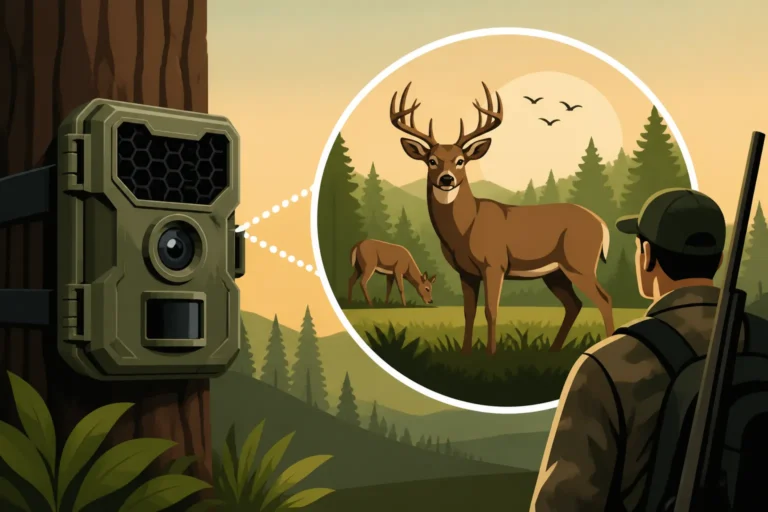
- Trail camera placement (optional): Some guides might offer to help you place trail cameras in key locations for future monitoring, teaching you optimal placement for different scenarios. Learning Where to Hang a Camera on a Logging Road can greatly improve your success.
The goal is active participation and learning, so come with an open mind and be ready to engage.
Cost Considerations and Booking Tips
Unlike a full-service hunting trip with lodging and meals, an off-season scouting trip is often offered as a day rate. These rates can vary widely depending on the guide's experience, the duration of the trip (half-day vs. full-day), and whether it's on public or private land. Generally, you can expect a fee for their time and expertise, which is a worthwhile investment in your long-term hunting skills.
When inquiring about costs, ask what's included: Is it just their time, or does it include transportation on their property, mapping services, or any follow-up consultation?
Here are some booking tips:
- Book in advance: Good guides get booked up, even in the off-season. Plan your trip well before you intend to go.
- Be clear about your goals: Reiterate that you want to learn and scout, not hunt. This helps the guide tailor the experience.
- Ask about group size: Will it be a one-on-one session, or will there be other participants? A smaller group often allows for more personalized instruction.
- Discuss gear: What should you bring? Typically, binoculars, good walking boots, comfortable clothing, water, and perhaps your own mapping device are essential.
- Get it in writing: Confirm the dates, times, cost, and what's included in a simple email or agreement.
- Consider a follow-up: Many guides, especially those found through platforms like GoHunt, are interested in building long-term relationships. A successful scouting trip might lead to booking a guided hunt with them later, or another scouting session in a different area.
| Aspect | Self-Guided Off-Season Scouting | Guided Off-Season Scouting |
|---|---|---|
| Expertise | Relies on personal knowledge & research | Benefits from guide's extensive local and species knowledge |
| Efficiency | Can be time-consuming, learning curve is steep | Accelerates learning, focuses efforts on key areas |
| Interpretation | May misinterpret signs or overlook subtle details | Guide provides expert analysis and actionable insights |
| Access | Limited to public land or personal leases | Guide often has access to private leases or specific WMA permits |
| Safety/Legality | Must independently verify all rules & boundaries | Guide ensures adherence to local laws & safe practices |
| Cost | Minimal (travel, gear) | Investment in guide's time and expertise |
| Learning Outcome | Gradual self-discovery, potential for mistakes | Direct, targeted education; builds foundational skills |
Maximizing the Value of Your Scouting Session
A guided off-season scouting trip is an investment in your hunting future. To truly make that investment pay off, you need to be an active participant and commit to applying what you've learned long after the trip is over. It's not just about spending a day in the woods; it's about internalizing the lessons.
Asking the Right Questions and Taking Notes
Think of your guide as a walking encyclopedia of Alabama hunting knowledge. Don't be shy! Ask questions about everything: "Why do deer rub this specific tree?" "How do you distinguish a fresh turkey scratch from an old one?" "What kind of cover do bucks prefer in hot weather versus cold?" The more you ask, the deeper your understanding will become.
Equally important is taking detailed notes. Bring a small notebook and a pen, or use your phone's note-taking app. Jot down observations, draw simple maps of key areas, and record the guide's explanations. Take pictures of different types of sign, unique habitat features, or potential stand locations. These notes will be an invaluable resource when you're planning your hunts later in the year. Remember, you can't retain everything in your head, so externalize that knowledge!
Following Up and Implementing Learned Strategies
The real test of your scouting trip's value comes when you actually apply what you've learned. Review your notes, look at your maps, and try to visualize how the game will move through those areas during hunting season. Use the strategies your guide taught you, like considering wind direction for your Entry Routes Through Standing Peanuts or how to approach a Scrape Lines Along a Logging Road without spooking a buck.
If you scouted public land, go back on your own and try to identify the same features and signs your guide pointed out. This independent practice solidifies your learning and builds confidence. Don't be afraid to experiment with new tactics based on the insights you gained. Maybe your guide showed you a subtle funnel you'd always overlooked; commit to hunting that spot differently next season.
When a Second Trip Might Be Beneficial
One off-season scouting trip can be incredibly enlightening, but sometimes a second visit can be even more valuable. Consider another trip if:
- You're targeting multiple species: Deer scouting differs significantly from turkey scouting. If your first trip focused on whitetails, a second, dedicated turkey scouting trip with a guide could unlock a whole new level of understanding for Spring Turkey Hunting in Alabama.
- You want to scout a different region: Alabama's diverse terrain means what works in the Black Belt might not apply in the mountains of North Alabama. Exploring different areas with a guide can broaden your overall skillset.
- Habitat changes: A new timber cut, a prescribed burn, or a change in agricultural practices on adjacent land can drastically alter game patterns. A follow-up trip could help you adapt your strategies.
- Seasonal variations: Scouting in late winter when leaves are down provides one perspective; scouting in late spring as new growth emerges offers another, particularly for understanding browse and early summer food sources.
Ultimately, an off-season scouting trip with an Alabama guide is more than just a service; it's an educational experience designed to make you a more informed, strategic, and successful hunter for years to come.
Disclaimer
This article is for general informational purposes only and does not constitute professional advice. Laws, prices and regulations vary by location and change over time. Consult a qualified professional for guidance on your specific situation.