Comparing Guided Hunts to a Day-Lease WMA Trip
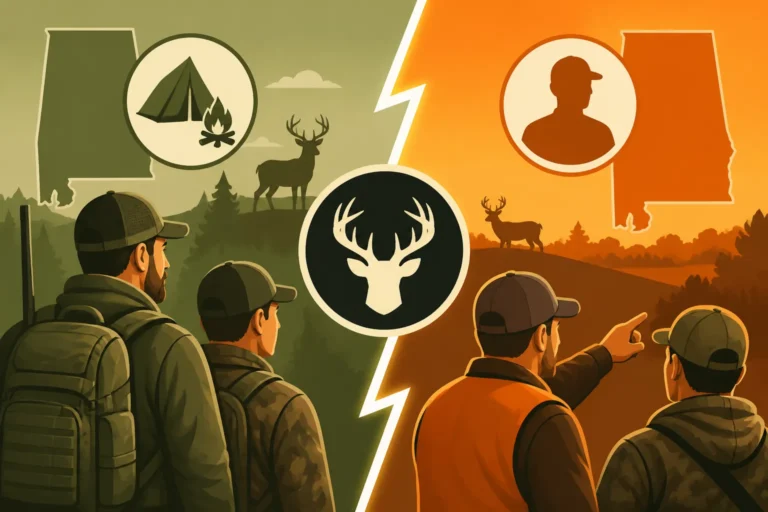
Deciding how to tackle your next Alabama hunting adventure can feel like standing at a fork in the road, especially when you're weighing the options between the convenience and expertise of a guided hunt versus the raw, self-reliant appeal of a day-lease or Wildlife Management Area (WMA) trip. It’s a common dilemma, one many of us have wrestled with after a few seasons of varying success. Both paths offer unique experiences and potential rewards, but they also come with distinct challenges and costs. This guide is here to help you unpack the pros and cons of each, giving you a clearer picture so you can confidently choose the Alabama hunting experience that's truly right for you.
The Allure of a Guided Hunt in Alabama: A Hand-Held Experience
There's something undeniably attractive about a guided hunt, especially when you're thinking about a bucket-list trip or a new species in an unfamiliar part of Alabama. You show up, and much of the heavy lifting — from scouting to stand placement, even often meals and lodging — is already handled. It sounds pretty good, right? For many, the appeal lies in maximizing their limited time afield and increasing their chances of success, particularly on a short trip.
Expertise and Local Knowledge at Your Fingertips
One of the biggest draws of a guided hunt is the access to unparalleled local knowledge. Picture this: you've driven five hours to hunt a new WMA in north Alabama, spent days looking at maps, only to find the "perfect" ridge is bone dry of sign. A good guide, however, has often spent hundreds of hours in their specific territory, season after season. They know the current mast crop, where the deer are bedding during a warm spell, and exactly which creek crossings the turkeys prefer. They live and breathe that specific piece of ground.
A reputable Alabama outfitter or guide will not only put you in a prime spot but can also teach you a tremendous amount about the local game, their habits, and the regional hunting techniques. They understand the nuances, like whether rattling and grunting in Alabama works best in early November or closer to the late-season rut in your specific zone. For instance, if you’re looking to target a trophy buck in the famed Black Belt region, a guide might have a proven track record and access to properties that consistently produce bigger deer. This isn't just about bagging an animal; it's an accelerated learning experience that can shave years off your personal scouting curve.
Comfort and Convenience: A Retreat, Not a Chore
Let’s be honest, hunting can be hard work. The pre-dawn alarms, the long hikes, the endless gear checks, the cold sandwiches in the stand. A guided hunt often takes a lot of that logistical burden off your shoulders, turning the hunt into more of a retreat. Imagine waking up to a hot breakfast, being driven directly to a pre-scouted stand, and having a warm meal waiting for you at the end of the day. Many Alabama outfitters offer comfortable lodging, delicious home-cooked meals, and even skinning and quartering services for your harvest.
This level of convenience can be a game-changer, especially for hunters with busy lives, limited vacation time, or those traveling a long distance. Instead of worrying about where to set up your camp, what to cook, or how to get your deer out of a thick bottomland, you can focus purely on the hunt itself. For those introducing new hunters, like a youth hunter on their first deer trip, a guided experience can make the entire process smoother and more enjoyable, removing many of the potential frustrations that could dampen their enthusiasm. When you consider What a Guided Alabama Deer Hunt Costs, these amenities are often factored into the price, offering a comprehensive package.
Targeted Species and Trophy Potential
If you have a specific goal – perhaps a mature gobbler, a big Black Belt buck, or a limit of ducks on the Tennessee River – a guided hunt can significantly increase your odds. Guides often manage their properties specifically for these goals, implementing strict harvest criteria, planting strategic food plots, and carefully monitoring game populations. They might have exclusive access to prime private land that's been stewarded for years to produce quality animals.
For example, if you dream of working a pointing dog on wild quail in the Bobwhite Quail in Alabama's Black Belt, a guided plantation hunt is often the most effective and efficient way to experience it. Similarly, waterfowl guides operating on the Tennessee River or in the Mobile-Tensaw Delta have the specialized gear, boats, and knowledge of shifting water levels and bird patterns to put you under birds when a DIY trip might leave you guessing. While there are no guarantees in hunting, a guide offers a serious advantage when targeting specific species or seeking a particular quality of animal. Looking for guides? Resources like BookYourHunt can help connect you with reputable outfits.
The Reality of a Day-Lease or WMA Trip: The DIY Hunter's Challenge
On the flip side, there's a profound satisfaction that comes from a successful do-it-yourself hunt. It's often more affordable, more flexible, and builds a different kind of connection to the land and the challenge. However, it also demands more of you, from rigorous planning to plain old grit. This is where most of us start, learning the ropes one busted hunt at a time.
The DIY Adventure and Cost Savings
The most obvious advantage of a day-lease or WMA trip is the cost. While Alabama Hunting Licenses and What They Cost will always be a factor, you’re generally only paying for your license, gear, fuel, and perhaps a small WMA permit or day-lease fee. This can be significantly less than the price tag of a multi-day guided hunt, making hunting accessible to a wider range of budgets. For many hunters, the financial savings mean more opportunities to get out into the woods, even if each individual trip has a lower success rate.
Beyond the money, there's the spirit of the adventure itself. You're solely responsible for your success or failure, and that responsibility sharpens your senses. Every sign you find, every decision you make, every animal you harvest feels like a direct result of your own effort and skill. This self-reliance fosters a deep sense of accomplishment and teaches invaluable outdoor skills that extend far beyond just hunting. You become a better woodsman, a better tracker, and a more observant naturalist.
Scouting and Self-Reliance: Earning Your Success
When you choose a WMA or day-lease, you become your own chief scout. This means poring over maps, using tools like GoHunt to analyze topography and habitat, and spending valuable time boots-on-the-ground. Scouting public land in Alabama is a crucial part of the process. You're looking for subtle clues – faint deer trails, old rubs, scat, historical bedding areas, and current food sources. It’s detective work, and it’s a huge part of the fun for many dedicated hunters.
This self-reliance isn't just about finding game; it's about mastering the entire process. You learn to interpret Reading Aerial Photos for Piedmont Deer or how to find pinch points between clear-cuts and mature timber. You learn about wind, thermals, and how hunting pressure on Alabama public land might push deer into overlooked pockets. There's a steep learning curve, especially in large areas like William B. Bankhead National Forest Hunting or Talladega National Forest Hunting, but every mistake is a lesson, and every success is truly earned.
Navigating Public Land Challenges
Let's be realistic: public land hunting, while rewarding, comes with its own set of challenges. One of the most common frustrations is Hunting Pressure on Alabama Public Land. You might hike a mile deep into a promising area only to find another hunter's stand already set up. Other challenges include navigating complex regulations, respecting boundary lines, and dealing with varying habitat conditions that aren't managed with the same intensity as a private, guided property.
Access can also be a hurdle. Some WMAs have limited parking, gate closures, or require specific permits beyond your standard Alabama hunting license. Hauling your gear long distances, setting up a stand in an unfamiliar tree, and then having to extract a harvested animal by yourself can be physically demanding. Success rates on public land can sometimes be lower than on managed private ground, simply because the game animals are often more educated and scattered due to consistent pressure. However, for those willing to put in the effort, these challenges are part of the game and make the eventual success even sweeter.
Key Factors for Your Decision: Weighing Your Options
So, how do you decide which path is right for you? It really boils down to a few critical factors: your budget, how much time you have, your experience level, and what you ultimately want to get out of the hunt. There’s no single right answer, just the right answer for you right now.
Budgetary Considerations: Dollars and Sense
The financial aspect is often the first thing people think about, and for good reason. A guided hunt is almost always going to be a more significant investment upfront. This cost covers the guide's expertise, access to prime land, amenities, and increased chances of success. It's a premium experience. Think of it like a full-service vacation package versus a DIY road trip.
| Feature | Guided Hunt | Day-Lease/WMA Trip |
|---|---|---|
| Cost | High (covers guide, lodging, food, access) | Low (license, gear, fuel, WMA permit) |
| Effort | Low (guide handles most logistics, scouting) | High (self-scouting, gear transport, processing) |
| Success Rate | Generally Higher (expert knowledge, managed land) | Varies, often Lower (pressure, less management) |
| Comfort | High (lodging, meals, assistance) | Basic (camping, self-catering, rugged conditions) |
| Knowledge Gained | Direct instruction, local insights | Self-taught, hard-earned woodsmanship |
| Flexibility | Low (set dates, itinerary) | High (hunt when and where you choose) |
For example, a multi-day guided deer hunt in Alabama could run into the thousands of dollars, depending on the outfitter and what's included. On the other hand, a WMA hunt might only set you back the cost of your license, a WMA permit (check Alabama WMA Permit Requirement), and gas for your truck. If saving money is your top priority, and you have the time and desire to do the legwork, a self-guided trip is the clear winner. If you've saved up for a special trip and want to maximize your chances and experience without the hassle, a guided hunt might be well worth the investment.
Time Commitment and Preparation: How Much Can You Dedicate?
How much time do you realistically have to dedicate to your hunt? This isn't just about the days you'll be in the woods, but also the weeks and months leading up to it. A successful DIY WMA hunt often requires significant pre-season scouting, practicing your calls, sighting in your rifle, and preparing all your gear. For busy professionals or those with family commitments, finding this extra time can be a challenge.
A guided hunt drastically reduces this preparatory time. Your guide has already done the scouting, placed the stands, and likely has a game plan tailored to current conditions. You might still need to sight in your rifle and pack your hunting clothes, but the bulk of the planning is off your plate. If your vacation days are precious and you want to spend every possible minute hunting rather than preparing to hunt, a guided experience offers an undeniable advantage. If you cherish the entire process, from research to scouting to execution, then the time commitment of a DIY hunt is part of its appeal.
Experience Level and Desired Outcome: What Do You Want to Achieve?
Consider your own hunting experience. Are you a seasoned veteran who thrives on the challenge of breaking down new public land, or are you relatively new to hunting and looking for a foundational experience? For beginners, a guided hunt can be an invaluable way to learn safe practices, ethical hunting techniques, and gain confidence under the watchful eye of an expert. It's a great way to jumpstart your hunting journey without getting overwhelmed by all the unknowns.
Your desired outcome also plays a huge role. Are you simply looking to put meat in the freezer, or do you have a specific trophy animal in mind? If your goal is to experience the thrill of a particular species or pursue a record-book animal, a guided hunt often provides better access to prime habitat and animals that have been managed for age and size. If you're content with any legal animal, appreciate the solitude, and enjoy the physical and mental challenge, then a WMA trip offers profound personal rewards regardless of the size of the animal you eventually take. For those looking at a Filling a Three-Buck Season Limit, a guided hunt might optimize your chances for quality and quantity, while a WMA trip allows you to pursue your own limits on your own terms.
Making the Right Choice for Your Alabama Hunting Adventure
Ultimately, there’s no right or wrong answer when it comes to comparing a guided hunt to a day-lease or WMA trip. It’s about aligning the hunting experience with your personal priorities, resources, and what you hope to gain from your time in Alabama's wild places. Both paths offer incredible opportunities to connect with nature and pursue game, just in different ways.
When a Guided Hunt Shines
A guided hunt is often the superior choice if:
- Time is a luxury: You have limited vacation days and want to maximize your hunting time without the burden of extensive scouting and logistics.
- You're seeking specialized knowledge: You're after a particular species, a trophy animal, or hunting an unfamiliar region where local expertise is paramount. Whether it's the specific Alabama Turkey Population Estimate or the best spots for a Working a Black Belt Quail Covey Rise, a guide brings that knowledge directly to you.
- Comfort and convenience are important: You appreciate amenities like lodging, meals, and assistance with game recovery and processing.
- You're new to hunting or a specific type of hunting: A guide can provide invaluable instruction, ensure safety, and build confidence in a controlled environment.
- You want a higher probability of success: While never guaranteed, guides often operate on managed land with higher game populations or better chances for specific trophies. You can explore options and read reviews on platforms like BookYourHunt to find the right outfitter.
Consider a guided experience if you're looking for a focused, efficient, and often more comfortable way to experience Alabama's hunting opportunities, especially for species like turkeys or quail where local knowledge and access can be critical. Just remember to do your homework and consider Vetting an Alabama Outfitter Before You Book.
When a WMA Trip is Your Best Bet
A day-lease or WMA trip is likely your best option if:
- Budget is a primary concern: You want to minimize costs and prefer to spend your money on licenses, essential gear, and gas rather than an all-inclusive package.
- You love the challenge of DIY: The process of scouting, planning, and executing a hunt on your own is what truly excites you. You thrive on the self-reliance.
- Flexibility is key: You want the freedom to hunt when you want, where you want (within regulations), and adjust your plans on the fly without a set itinerary.
- You're building experience: You're looking to hone your woodsmanship, tracking skills, and learn to read the land independently. Scouting Alabama Public Land Before Season becomes your classroom.
- Solitude and immersion are your goals: You value the quiet introspection of hunting alone or with a close buddy, and the satisfaction of earning every step of the process.
Alabama offers an incredible amount of public land, from the large National Forests like Conecuh National Forest Hunting to numerous Alabama Wildlife Management Areas. These areas provide countless opportunities for hunters willing to put in the effort. It's a truly rewarding path for those who embrace the journey and find joy in every aspect of the hunt, from the struggle to the eventual triumph. Whichever you choose, Alabama's diverse landscapes and abundant game offer memorable experiences that will keep you coming back for more.
Disclaimer
This article is for general informational purposes only and does not constitute professional advice. Laws, prices and regulations vary by location and change over time. Consult a qualified professional for guidance on your specific situation.