Alabama Outfitters on the Gulf Coast
Hunting the Alabama Gulf Coast sounds like a dream for many, with its unique blend of coastal marshes, river deltas, and dense pine forests, but finding the right outfitter for such a specialized region can feel like navigating a maze. From confusing local regulations to varying terrain, securing a successful and enjoyable trip requires careful planning. This guide will help you understand what makes Gulf Coast hunting unique and how to choose an outfitter who can truly deliver.
Understanding the Unique Challenges of Gulf Coast Hunting
The Alabama Gulf Coast offers a hunting experience unlike anywhere else in the state. It's not just about deer or ducks; it's about deer in a cypress swamp, ducks over brackish water, and hogs in impenetrable thickets. This distinct environment presents both incredible opportunities and specific challenges that hunters need to be aware of, especially when considering a guided trip.
Diverse Terrain and Target Species
When most folks think of Alabama hunting, their minds might go to rolling pine plantations or hardwood bottoms further north. But down here on the Gulf Coast, especially around the Mobile-Tensaw Delta and the vast coastal plains, the landscape is dramatically different. You're looking at a patchwork of salt marsh, freshwater swamps, bottomland hardwoods, and sandy pine flats. This incredible diversity means a wide array of game animals call this region home. You might be targeting migratory waterfowl one day, pushing through the reeds for a shot at a gadwall or a teal, and the next, you're tracking a hefty feral hog through a dense palmetto thicket. Deer, particularly in the river drainages and agricultural fringes near the coast, also offer unique challenges, often requiring a completely different set of tactics than an open field hunt. It's a land where one day's hunt might involve a jon boat and waders, and the next, sturdy boots and a machete might feel more appropriate.
The varied ecosystems mean that an outfitter here isn't just a deer guide or a duck guide; they often need a broader skillset. They must understand the specific patterns of waterfowl migration along the Mississippi Flyway, know where the hogs are rooting in the coastal swamps, and identify deer sign in areas that often see less traditional hunting pressure. This isn't your typical whitetail woods, and the guide's local knowledge of water levels, tide charts, and dense cover can make or break a trip.
The Impact of Coastal Weather
Anyone who has spent time on the Gulf Coast knows that the weather is a force unto itself. It's not just about a cold front or a warm spell; it's about humidity, sudden thunderstorms, tropical depressions, and the constant influence of the bay and ocean. These factors play a massive role in hunting success. A strong southerly wind can push waterfowl further inland, or a sudden heavy rain can flood a low-lying area, dispersing game or making access incredibly difficult. Hurricanes, though infrequent during peak hunting season, can completely reshape a landscape, altering game patterns for years.
Outfitters on the Gulf Coast must be masters of adaptation. They need contingency plans for varying water levels in the delta, know which areas drain quickly after a deluge, and understand how barometric pressure affects everything from deer movement to duck activity. This isn't just about checking a weather app; it's about generations of experience reading the signs of the coastal environment. A good outfitter will communicate these challenges clearly, help you pack appropriately for rapidly changing conditions, and pivot plans as needed to maximize your chances, even when Mother Nature throws a curveball. Being flexible and prepared for anything from muggy warmth to a surprisingly chilly morning on the water is key to enjoying your Gulf Coast hunting adventure.
What to Look For in a Gulf Coast Outfitter
Finding a reliable outfitter anywhere can be tough, but on the Alabama Gulf Coast, with its unique environment and specialized hunting opportunities, the search requires even more scrutiny. You want someone who not only knows the game but understands the nuances of coastal ecosystems and can ensure a safe, productive, and memorable experience.
Expertise in Coastal Ecosystems
This is perhaps the most critical factor when choosing a Gulf Coast outfitter. It's not enough for them to simply be a "hunter"; they need to be a true outdoorsman with deep, firsthand knowledge of the specific coastal habitats they operate in. Think about it: hunting ducks in the Mobile-Tensaw Delta is vastly different from hunting ducks in a flooded timber hole up north. An outfitter here needs to know the intricacies of brackish water marshes, tidal flats, riverine swamps, and the transition zones into pine uplands.
They should be able to explain how the tides affect waterfowl movement, where to find hogs in a cypress break, or how deer use a dense palmetto thicket as bedding cover. Ask specific questions about their experience in these unique environments. How do they navigate shallow water? What strategies do they employ when high tides push game around? What kind of boats do they use for swamp access? Look for someone who can talk passionately and knowledgeably about the ecosystem itself, not just the act of pulling a trigger. Their deep understanding of the local flora and fauna, water dynamics, and seasonal changes is what truly sets a great Gulf Coast outfitter apart. This expertise ensures they can adapt to conditions and put you in the best position for success, whether you're after Waterfowl Hunting Alabama's River Deltas or Hunting Alabama's Year-Round Feral Hogs.
Licenses, Insurance, and Reputation
Before you ever book a trip or send a deposit, verifying an outfitter's credentials is paramount. This isn't just about legality; it's about safety and peace of mind. First, ensure they are properly licensed to operate in Alabama. This can sometimes be a state-issued guide license, but it's important to understand the local regulations. Don't be shy about asking to see proof of their licensing.
Equally important is insurance. A reputable outfitter will carry liability insurance to protect both themselves and their clients in case of an accident. While no one wants to think about mishaps, hunting and navigating wild environments carry inherent risks, and proper insurance is a sign of a professional operation. Ask about their insurance coverage and what it entails.
Beyond the paperwork, reputation is gold. Start by asking for references from recent clients. A good outfitter will be happy to provide contact information for people who have hunted with them recently. Call these references and ask detailed questions: Was the guide prepared? Did they communicate well? Were the facilities as described? Did you feel safe? You can also check online platforms and forums. While you should take all online reviews with a grain of salt, looking for consistent patterns – both positive and negative – can give you a better overall picture. Platforms like BookYourHunt can sometimes aggregate reviews, but always cross-reference. Remember, Vetting an Alabama Outfitter Before You Book involves a lot of detective work to ensure you're making a sound investment.
Common Guided Hunt Offerings on the Alabama Gulf Coast
The Alabama Gulf Coast, particularly the areas around the Mobile-Tensaw Delta and the adjacent coastal counties, provides a diverse menu of hunting opportunities. Outfitters in this region often specialize in a few key species, leveraging their unique access and knowledge of the local environment.
Waterfowl Hunting in the Deltas and Bays
For many, the draw of a Gulf Coast outfitter is the incredible waterfowl hunting. The Mobile-Tensaw Delta, a vast wetland complex that empties into Mobile Bay, is a major stopover for migratory birds along the Mississippi Flyway. Here, outfitters navigate complex networks of rivers, bayous, and marshlands, setting up blinds in strategic locations to intercept ducks and geese. You might find yourself in a custom-built blind on a tidal flat, nestled in river cane along a slow-moving slough, or hunting flooded fields on the delta's fringes.
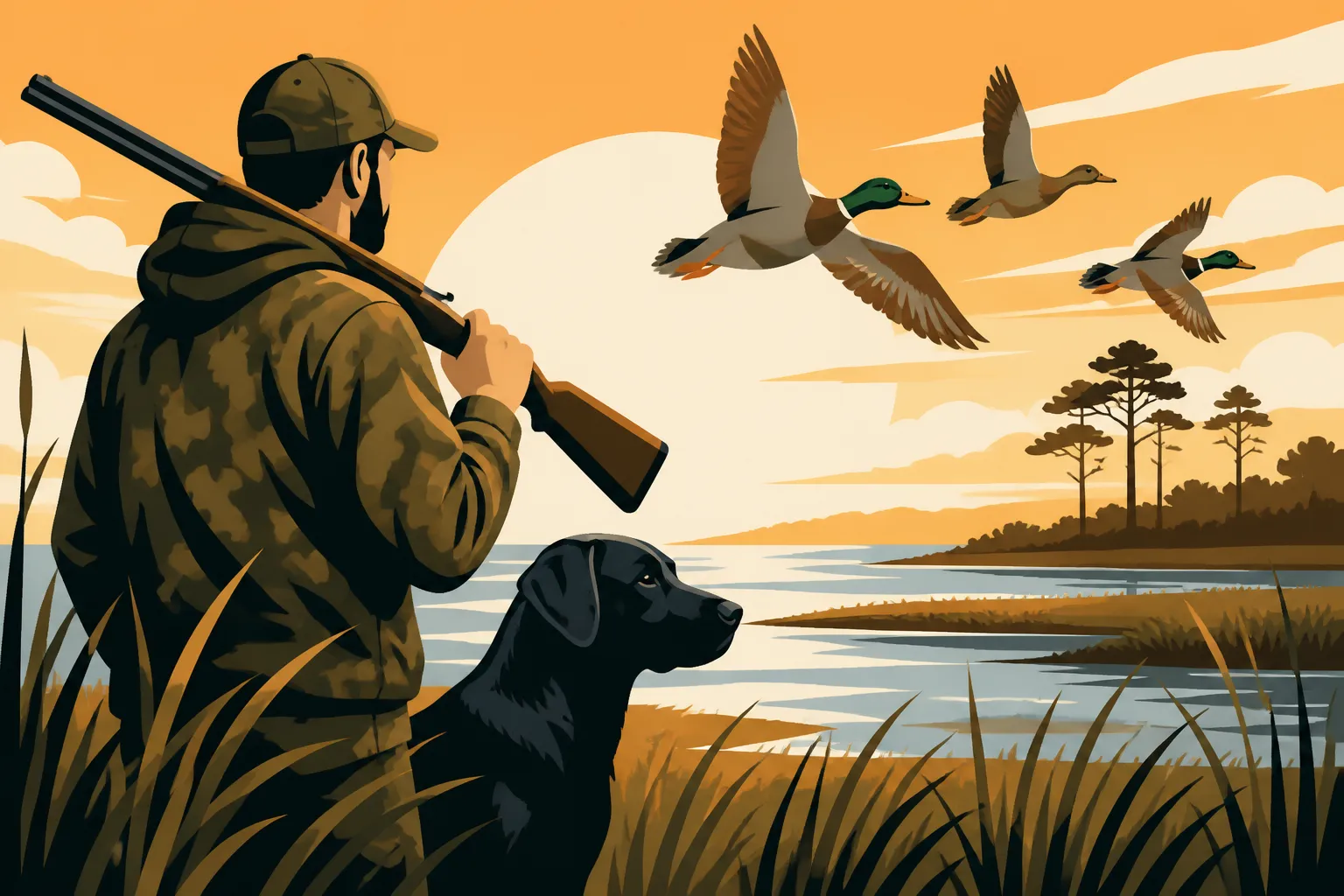
Species commonly targeted include wood ducks, mallards, gadwalls, green-winged teal, blue-winged teal, wigeon, and various diving ducks in the more open bay areas. Good outfitters understand the movements of these birds, how changing tides affect feeding patterns, and the best decoy spreads for different scenarios. They provide the boats, decoys, and often highly trained retrieving dogs, which are essential for recovering downed birds in dense cover or open water. Waterfowl Hunting Alabama's River Deltas is a unique experience, and an experienced guide can turn a confusing expanse of water into a productive hunt. Be prepared for early mornings and potentially cold, wet conditions, even if the general forecast suggests warmth further inland.
Hog and Deer Hunting in Coastal Swamps and Pine Stands
While waterfowl might be the flashiest, the persistent problem of feral hogs, coupled with a healthy deer population, means many Gulf Coast outfitters also offer excellent big game opportunities. These hunts often take place in the dense, often challenging, environments of coastal swamps, river bottoms, and the sprawling pine plantations and agricultural lands that border the delta.
Hunting hogs in this region is a year-round pursuit due to their prolific breeding and the significant damage they cause to crops and natural habitats. Outfitters may offer traditional stand hunts over bait, spot-and-stalk opportunities, or even exciting night hunts with thermal or night vision equipment – a popular and effective method for reducing hog numbers. Some outfits also specialize in dog-driven hog hunts, which can be an adrenaline-pumping experience in the thick cover. These hunts are physically demanding, requiring hunters to navigate dense brush, muddy terrain, and often high humidity.
Deer hunting on the Gulf Coast often focuses on the fringes of agricultural areas or the more accessible pine stands and hardwood ridges. While the deer might not grow antlers as large as those found in the Black Belt, the sheer challenge of hunting them in such dense, often swampy, cover is a draw for many. Outfitters will typically have stands set up in prime locations, but some may also offer still-hunting or stalking opportunities, especially during the peak of the rut. Understanding Alabama Feral Hog Regulations and Alabama Deer Season Structure Explained is important, as rules can vary by zone and land type.
Specialty Hunts: Alligator and Small Game
Beyond the mainstays of waterfowl, deer, and hogs, some Gulf Coast outfitters also provide unique specialty hunts that truly showcase the region's diverse wildlife. Perhaps the most iconic of these is the alligator hunt. Alabama has a healthy alligator population, and limited quota hunts are offered annually through a lottery system. If you're lucky enough to draw an alligator tag, an experienced outfitter is almost essential for a safe and successful hunt. They provide the specialized equipment, boats, and expertise needed to locate, hook, and harvest these powerful reptiles, often at night. This is a thrilling, once-in-a-lifetime experience for many hunters.
Additionally, some outfitters may offer small game opportunities. While not as widely advertised, the dense cover and varied habitats can hold populations of squirrels and rabbits. These hunts are often more relaxed, allowing hunters to explore the varied terrain and enjoy the unique coastal environment at a slower pace. Whether it's a Squirrel Hunting Alabama Bottomland Hardwoods trip or jumping rabbits in a fencerow, a knowledgeable guide can point you to overlooked opportunities. Always confirm what specific species an outfitter offers and ensure they are licensed for those particular hunts.
Preparing for Your Guided Gulf Coast Hunt
Once you've chosen your Alabama Gulf Coast outfitter, the next step is to prepare thoroughly. The unique environment demands specific gear, and understanding the physical demands of the hunt will ensure you have the best possible experience. Don't underestimate the South's coastal conditions!
Essential Gear and Clothing Considerations
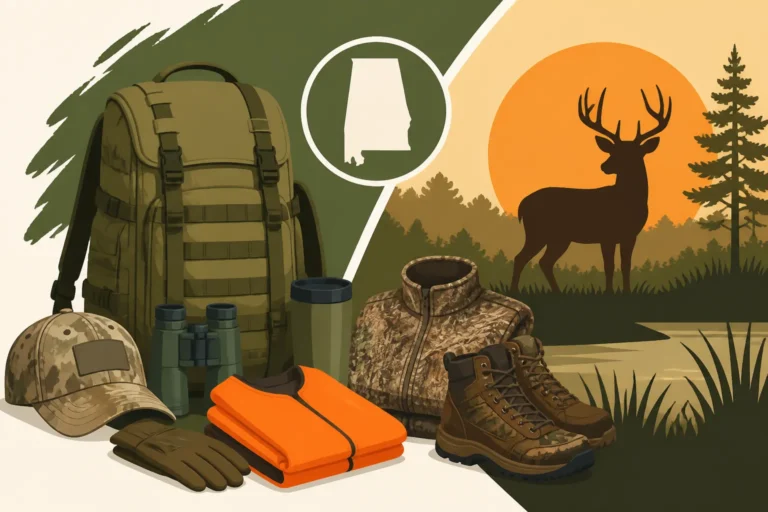
Packing for a Gulf Coast hunt isn't like packing for a mountain excursion. The humidity, potential for sudden rain, and varied terrain mean your gear list needs careful thought.
- Layered Clothing: Even in what feels like winter, coastal Alabama can have surprisingly warm days, followed by chilly mornings or evenings, especially on the water. Breathable, moisture-wicking base layers are crucial. Over these, wear insulation that can be easily added or removed, like a fleece jacket or vest. Your outer layer should be waterproof and windproof, as nothing saps morale like being wet and cold in a duck blind or a rainy deer stand. Consider quiet materials for deer and hog hunts, and camouflage patterns appropriate for marsh and bottomland for waterfowl.
- Waterproof Everything: This cannot be stressed enough. From your boots to your backpack, assume everything will get wet. Chest waders are often a must for waterfowl hunts, allowing you to set decoys or retrieve birds in shallow water. Waterproof boots with good traction are essential for navigating muddy trails and swampy areas for hog or deer hunts. Bring waterproof bags or dry sacks for your electronics, spare clothing, and any vital paperwork.
- Insect Protection: Mosquitoes, ticks, and gnats are a reality on the Gulf Coast, especially in swampy areas and during warmer parts of the season. Pack a strong insect repellent, preferably one containing DEET or picaridin. Permethrin-treated clothing can also be a game-changer for tick and chigger prevention.
- Navigation and Communication: While your outfitter will lead the way, it's always wise to carry a reliable GPS device or a smartphone with downloaded maps (like the Outdoor Alabama app, though cell service can be spotty in remote areas). A fully charged power bank is also a good idea. Consider a two-way radio if hunting with a group and your outfitter recommends it.
- Safety Gear: A first-aid kit, a whistle, a headlamp with extra batteries, and a knife are standard items for any hunt. Ensure your blaze orange or pink is easily accessible if required for deer or hog hunting, especially during gun seasons.
- Firearms and Ammunition: Discuss with your outfitter the recommended caliber or gauge for the game you're pursuing. Bring enough ammunition for your hunt, plus a little extra for sighting in or target practice if permitted beforehand. Always confirm any specific ammunition restrictions or preferences with your guide well in advance. Alabama Legal Firearms for Deer Hunting provides general information, but your outfitter might have specific recommendations for their property.
Physical Expectations and Local Conditions
Hunting on the Alabama Gulf Coast is often more physically demanding than hunters from other regions might expect. It's not always a leisurely sit in a comfortable blind.
- Walking and Wading: For waterfowl hunts, be prepared to wade through mud and water, sometimes in thick vegetation, to get to your blind or retrieve birds. Hog and deer hunts can involve long walks through dense undergrowth, crossing muddy sloughs, and navigating uneven terrain. You won't be climbing mountains, but the exertion of pushing through thick swamp can be considerable.
- Heat and Humidity Tolerance: Even in late fall and early winter, the Gulf Coast can experience warm, humid days. This means staying hydrated is crucial. Bring plenty of water and electrolyte-rich drinks. Understand that exerting yourself in these conditions can be tiring, so pace yourself.
- Early Mornings and Late Nights: Like most hunting, guided trips on the Gulf Coast often involve very early starts to get to position before daylight, especially for waterfowl. Night hog hunts, obviously, extend well into the dark hours. Be prepared for irregular sleep schedules.
- Adaptability: The most important preparation is mental. Be flexible. Weather can change rapidly, game movement can be unpredictable, and plans might need to shift. A positive attitude and willingness to adapt to the local conditions, guided by your outfitter's expertise, will go a long way in making your trip successful and enjoyable. Don't hesitate to ask Questions to Ask Before Booking an Alabama Hunt about the typical physical demands.
Here's a quick comparison of what to expect from different guided hunts on the Alabama Gulf Coast:
| Hunt Type | Typical Terrain | Physical Demands | Key Gear Considerations | Best Time of Year |
|---|---|---|---|---|
| Waterfowl (Ducks/Geese) | Mobile-Tensaw Delta, Bays | Moderate to High (wading) | Waders, waterproof camo, calls | Late Fall – Winter |
| Feral Hog (Day Hunt) | Coastal Swamps, Pine Flats | Moderate to High (walking) | Sturdy boots, bug spray, quiet camo | Year-Round |
| Feral Hog (Night Hunt) | Coastal Swamps, Pine Flats | Moderate (less walking) | Thermals/NV, quiet camo, headlamp | Year-Round |
| Deer | River Bottoms, Pine Stands | Moderate (walking, sitting) | Scent control, quiet camo, boots | Fall – Early Winter |
| Alligator (Quota Hunt) | Rivers, Large Bays | Moderate (boating, pulling) | Heavy gloves, rope, specialized gear | Late Summer – Early Fall |
| Small Game (Squirrel/Rabbit) | Bottomland Hardwoods, Fencerows | Low to Moderate (walking) | Comfortable boots, light camo | Fall – Winter |
The Alabama Gulf Coast offers a truly unique hunting experience, blending diverse ecosystems with abundant game. By understanding the specific challenges and knowing what to look for in a skilled outfitter, you can ensure your coastal adventure is not only successful but truly unforgettable. Whether it's the thrill of a morning duck hunt in the delta or tracking a monster hog through a cypress swamp, careful preparation and the right guide are your tickets to a fantastic time. Remember to cross-reference information and always get Getting References From Past Alabama Clients before committing to a booking.
Disclaimer
This article is for general informational purposes only and does not constitute professional advice. Laws, prices and regulations vary by location and change over time. Consult a qualified professional for guidance on your specific situation.