Bringing a Non-Hunting Guest to an Alabama Lodge
It’s a common scenario: you’ve got an exciting Alabama hunting trip planned, maybe to chase a big Black Belt buck or call in a wary gobbler in the spring, and your partner or a family member expresses interest in coming along. They want to experience the atmosphere, enjoy a change of scenery, and spend time with you, but they aren't interested in donning camo and sitting in a stand for hours. This guide will walk you through the nuances of bringing a non-hunting guest to an Alabama lodge, ensuring everyone has a fantastic and comfortable experience, whether they’re in the woods or enjoying the quiet charm of the lodge.
Understanding Lodge Policies for Non-Hunting Guests
Bringing a non-hunting guest to a hunting lodge can sometimes feel like navigating a maze of unspoken rules and extra fees. Many lodges are set up primarily for hunters, and their pricing structures and amenities reflect that focus. It’s absolutely critical to clarify their specific policies before you book, not just assume your companion can tag along for free or without specific arrangements. This upfront communication prevents awkward surprises and ensures the lodge staff can adequately prepare for all guests.
Common Accommodation Policies
When you first reach out to a lodge, one of your immediate questions should be about their policy for non-hunting guests. Some lodges are very accommodating, viewing it as an opportunity to introduce more people to the outdoor lifestyle, while others might have stricter rules. You might find that some lodges include non-hunting guests in their standard room rates, especially if they have larger suites or cabins. However, it's more common for there to be an additional "non-hunter fee" or a separate rate for their stay. This fee often covers their portion of utilities, cleaning, and general wear and tear on the facilities, even if they aren't directly participating in the hunt.
It's also worth asking about the type of accommodation. Will your non-hunting guest share your room or will a separate room be required, potentially incurring a higher cost? Some lodges might have communal bunkhouse-style arrangements for hunters, which might not be ideal or even permitted for a non-hunting guest seeking a more relaxed environment. Understanding these nuances ensures that both you and your companion have comfortable, appropriate lodging for the duration of your stay.
Meal Inclusion and Costs
Food is often a highlight of any lodge experience, and Alabama lodges are known for their hearty, southern cooking. Most hunting packages are all-inclusive, covering three square meals a day, often served family-style. For a non-hunting guest, you need to confirm if these meals are automatically included in their non-hunter rate or if they will be an additional charge. Don't just assume they are part of the deal; clarify it explicitly. Some lodges might offer a reduced meal plan for non-hunters, or they might charge a flat daily rate for their meals.
Beyond the main meals, consider if snacks, beverages, or special dietary needs can be accommodated. If your guest has specific food preferences or allergies, discussing this with the lodge in advance is paramount. A good lodge will strive to make all guests feel welcome and well-fed, but they need to know what to expect. This also extends to social hours or evening activities around the lodge; confirm if your non-hunting companion is welcome to partake in those communal aspects without additional cost.
Access to Lodge Amenities
Hunting lodges often offer more than just a place to sleep and eat. Many boast comfortable common areas with big-screen TVs, fireplaces, pool tables, or outdoor fire pits. Some might even have small fishing ponds, walking trails, or even a hot tub. For a non-hunting guest, access to these amenities can make a huge difference in their overall enjoyment. It gives them options for how to spend their time while you’re out in the woods.
When inquiring, ask specifically what amenities are available to all guests, including non-hunters. Are there restrictions on certain areas or times? Is there a gift shop or local crafts available? Does the lodge have Wi-Fi, and is it reliable? For someone who might spend several hours alone, having internet access for work, reading, or entertainment can be crucial. Knowing what's available will help your guest plan their downtime effectively and prevent them from feeling isolated or bored.
Planning Activities for Your Non-Hunting Companion
Even if your guest isn’t interested in the hunt itself, Alabama offers a wealth of activities that can make their trip memorable. The key is thoughtful planning to ensure they have options and feel engaged, rather than just waiting for you to return from the woods. This upfront thought process demonstrates care and can transform a good trip into a great one for everyone involved.
Local Attractions and Sightseeing Opportunities
Alabama is rich in history, natural beauty, and unique local charm, often just a short drive from many hunting lodges. Encourage your non-hunting guest to explore the surrounding area. For instance, if you're hunting near the Talladega National Forest Hunting or William B. Bankhead National Forest Hunting, there might be scenic drives, short hiking trails, or even historical markers to visit. Small towns across Alabama frequently have charming antique shops, local diners serving up regional specialties, or community events happening on weekends.
Consider places like the Robert Trent Jones Golf Trail if they enjoy golf, or perhaps a visit to a local museum, state park, or even a wildlife viewing area. The Alabama Black Belt region, for example, is famous for its history and unique ecological features. A trip to a local reservoir or river, like those in the Tennessee River Valley, could offer opportunities for bird watching or simply enjoying the peaceful waterside. Researching these options beforehand and presenting them to your guest can empower them to create their own fulfilling itinerary.
On-Site Recreation and Relaxation
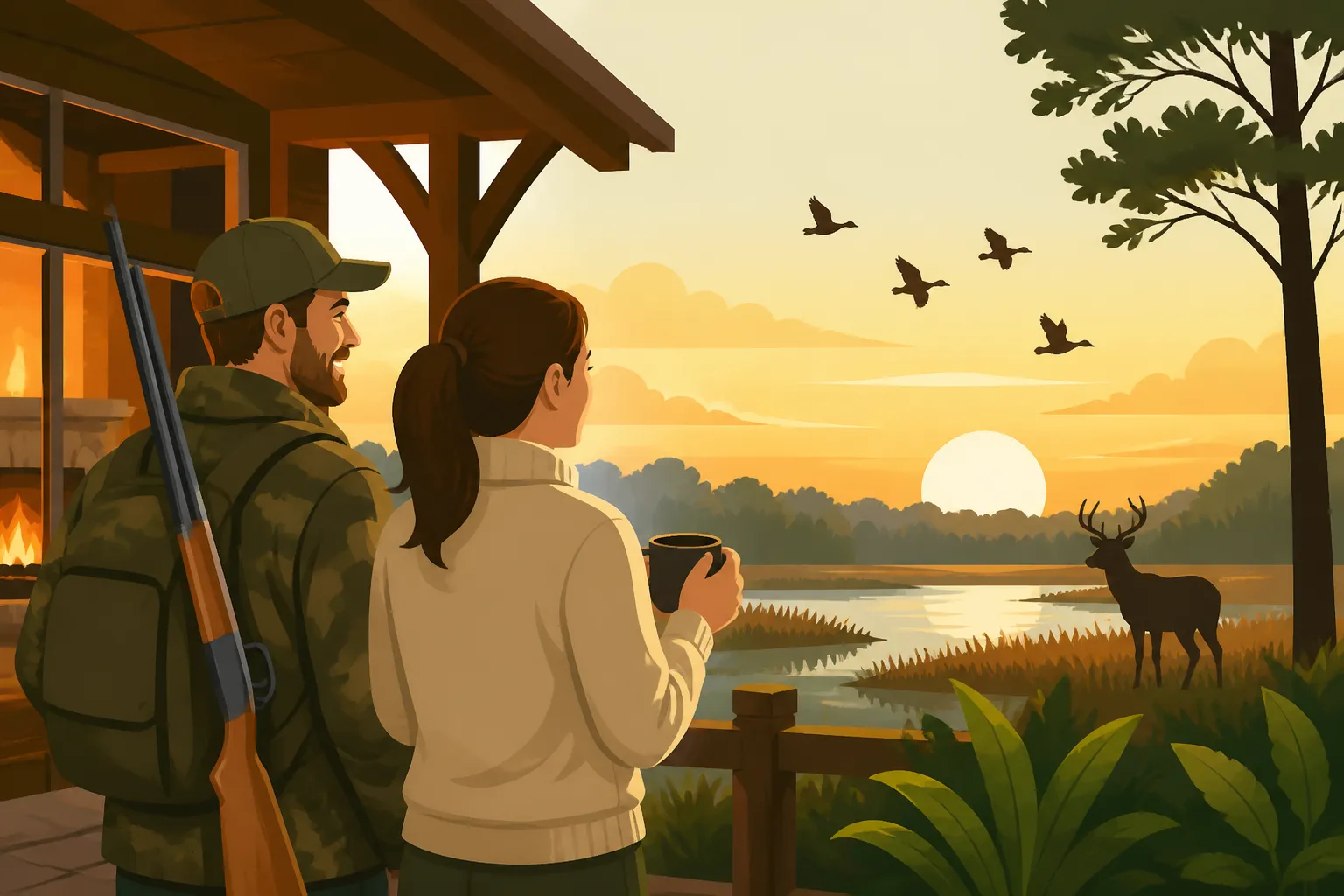
While you're out chasing deer or calling turkeys, your non-hunting guest can enjoy the amenities and peaceful atmosphere right at the lodge. Many lodges have comfortable lounges perfect for reading a good book, catching up on emails, or simply enjoying a quiet cup of coffee. If the lodge has a stocked fishing pond, even a beginner can enjoy a relaxing hour or two with a simple rod and reel – no hunting license required for cane pole fishing in private ponds, though checking specific lodge rules is always a good idea.
Walking trails around the property can offer opportunities for nature photography or a leisurely stroll. Some lodges might even have a dedicated spa area or offer massage services. If these aren't available, simply having a cozy space to relax, enjoy the fresh air, and disconnect from the daily grind can be a huge draw. The serene environment of a hunting lodge, often nestled away from city noise, is an amenity in itself for those seeking a tranquil escape.
Engaging with the Hunting Experience Safely
Even if they aren’t pulling a trigger, there are safe and respectful ways for a non-hunting guest to feel part of the overall experience. They might enjoy visiting the skinning shed or processing area (if they have the stomach for it!) to see the day’s harvest and learn about field dressing. Sharing stories around the campfire or at the dinner table about the day's events can be very engaging. They might even enjoy riding along during a scouting trip on a maintained gravel road, providing they stay in the vehicle and are aware of safety protocols.
It’s crucial to emphasize safety and respect for the hunting operation. This means never entering active hunting areas, wearing blaze orange or other visible clothing if walking anywhere near hunting grounds during daylight hours, and understanding the times when hunters will be coming and going. They can also help with tasks like preparing lunch for the group, organizing gear, or simply providing a welcoming presence when hunters return tired but triumphant from the woods. Being part of the camp camaraderie can be a deeply rewarding experience, even for those not directly involved in the pursuit.
Practical Considerations for a Smooth Trip
Bringing a non-hunting guest means thinking beyond just your own hunting gear and schedule. It requires a bit more coordination and communication to ensure that both the hunter and the non-hunter have an enjoyable and stress-free experience. Overlooking these practical aspects can lead to misunderstandings or disappointment.
Communicating Expectations Clearly
This is arguably the most crucial step. Before you even book, sit down with your non-hunting guest and discuss what their trip will entail. Be honest about the realities of a hunting trip: early mornings for you, potential periods of solitude for them, and the lodge's primary focus on hunting. Talk about what they hope to do and what their expectations are for their downtime. Are they looking for a relaxing retreat, or do they want to be actively involved in non-hunting outdoor activities?
Similarly, communicate clearly with the lodge staff. Inform them that you will be bringing a non-hunting guest and confirm all policies, fees, and available amenities. This upfront transparency helps manage expectations on all sides and allows the lodge to provide the best possible experience for everyone. A clear understanding of the schedule, available activities, and any limitations will prevent frustration and foster a positive atmosphere.
Transportation and Flexibility
Consider how your non-hunting guest will get around, especially if you plan on being in the woods all day. Will they have access to a vehicle, or will they be reliant on you or lodge transportation? Many lodges are located in rural areas where public transport is nonexistent and taxis are rare. If they plan to explore local towns or attractions, having their own vehicle is often essential. If not, discuss with the lodge if they offer any shuttle services or if there are other guests who might be heading in the same direction.
Flexibility is also key. Hunting can be unpredictable, with success (or lack thereof) often dictating your return time to the lodge. Your guest needs to understand that your schedule will revolve around the hunt. Having a flexible mindset and a willingness to adapt plans will ensure a smoother trip for everyone. They should have enough autonomy and planned activities to enjoy themselves even if your hunt runs longer than expected. Hunting Pressure on Alabama Public Land or Hunting Into the Late February Either-Sex Window can mean long days out, so prepare your guest for that.
Respecting the Hunting Environment
A hunting lodge, by its very nature, is a place centered around the pursuit of game. This means there's a certain etiquette and flow that revolves around hunting activities. Non-hunting guests should be aware of this and respectful of the environment. This includes being mindful of noise levels during early morning or late evening hours when hunters are preparing or returning. Respecting designated quiet areas or times when hunters might be resting is important.
It also means understanding safety protocols. If hunters are cleaning firearms, your guest should stay clear unless invited and instructed. If the lodge has specific rules about where guests can walk or drive on the property during hunting hours, these must be strictly followed. The goal is for your non-hunting companion to enjoy their stay without inadvertently disrupting the hunting experience for others or putting themselves in harm's way. Understanding Alabama Legal Firearms for Deer Hunting and other regulations shows a respect for the sport, even if not participating.
Finding the Right Lodge for Mixed Groups
Choosing the right lodge is paramount when bringing a non-hunting guest. Not all lodges are created equal when it comes to accommodating diverse interests. A little extra research upfront can make all the difference in ensuring a successful trip for both the hunter and their companion.
Researching Lodge Offerings and Reviews
Start by looking for lodges that explicitly mention accommodating non-hunting guests or offering amenities beyond just the hunt. Some lodges cater to families or corporate retreats, which often means they're more set up for a wider range of activities. Websites like BookYourHunt and GoHunt can be great starting points for identifying lodges in Alabama that might fit the bill. Filter your search by locations like the Black Belt Versus Piedmont Deer regions or specific areas if you have a preferred hunting zone. Pay close attention to their photo galleries for images of common areas, outdoor spaces, and dining facilities, which can offer clues about their suitability for relaxation.
Beyond the lodge's own website, delve into reviews on various platforms. Look for feedback from other hunters who brought non-hunting companions. Did their guests enjoy themselves? Were the facilities comfortable? Was the staff accommodating to non-hunters? These real-world experiences can provide invaluable insight into how well a lodge truly caters to mixed groups, rather than just what they advertise.
Asking the Right Questions Before Booking
Once you've narrowed down your list, prepare a comprehensive list of questions for each lodge. Don't be afraid to be thorough. Ask specific questions like:
- "What is your non-hunting guest rate, and what exactly does it include (lodging, meals, amenities)?"
- "What activities or facilities are available on-site for non-hunters?"
- "Are there any local attractions or points of interest you'd recommend for someone not hunting?"
- "What are the meal times, and can you accommodate any dietary restrictions?"
- "Is Wi-Fi available throughout the lodge, and is it reliable?"
- "What are the transportation options if my guest wishes to explore off-site?"
- "Are there any specific safety protocols or areas my non-hunting guest should be aware of?"
Getting clear, direct answers to these questions will help you compare options effectively and choose a lodge that will truly welcome and entertain your non-hunting companion. Think about questions that might reveal a lodge's flexibility and willingness to go the extra mile, such as asking about a Bringing a Non-Hunting Guest to an Alabama Lodge option specifically.
Leveraging Online Resources for Lodge Selection
In today's digital age, a wealth of information is at your fingertips. Specialized platforms, as mentioned, can be incredibly helpful. Many hunters use sites like BookYourHunt and GoHunt to find and compare hunting packages, and these platforms often include details about non-hunter rates and lodge amenities. Beyond these, general travel sites, local tourism boards for counties like those within the Alabama's Chronic Wasting Disease Management Zone or near large public lands, and even social media groups focused on Alabama hunting can offer leads and recommendations.
Don't forget to check out community forums or Facebook groups dedicated to Alabama hunting. Members often share personal experiences with lodges and can give candid advice on which ones are best for a mixed group. Sometimes, word-of-mouth recommendations from fellow hunters who have successfully hosted non-hunting guests can be the most reliable resource of all. This collaborative approach can save you a lot of time and potential headaches, ensuring you find a spot where everyone feels right at home.
Bringing a non-hunting guest on your Alabama hunting trip can be a wonderfully enriching experience for everyone involved. With a little foresight, clear communication, and the right lodge choice, your companion can enjoy the beauty and hospitality of Alabama, even if their idea of a perfect day doesn't involve a treestand. It’s all about creating an inclusive and respectful environment where both the thrill of the hunt and the joy of relaxation can coexist beautifully.
| Non-Hunter Interest | Potential On-Site Activities | Potential Off-Site Activities (Near Lodges) | Key Lodge Features to Seek |
|---|---|---|---|
| Relaxation & Quiet | Reading in lounge, porch sitting, light walks | Spas, scenic drives, coffee shops in nearby towns | Comfortable common areas, quiet rooms, good Wi-Fi |
| Nature & Scenery | Nature photography, bird watching, short hikes | State parks, botanical gardens, rivers, lakes | Walking trails, scenic views, wildlife viewing areas |
| Local Culture/History | Engaging with lodge staff, camp stories | Historic sites, local museums, antique shops, farmer's markets | Proximity to towns, staff knowledgeable about local culture |
| Active & Leisurely | Lodge fishing pond, casual games (pool, cards) | Golf courses, kayaking, paddleboarding (rentals nearby) | Game rooms, outdoor activity space, access to recreational water |
| Connecting with Hunter | Shared meals, evening campfires, vehicle rides on non-active areas | None (focus is on shared time at beginning/end of day) | Communal dining, inviting social spaces |
Disclaimer
This article is for general informational purposes only and does not constitute professional advice. Laws, prices and regulations vary by location and change over time. Consult a qualified professional for guidance on your specific situation.