How Much to Tip an Alabama Deer Guide
Navigating the world of guided hunts can feel like a labyrinth, especially when it comes to the unspoken rules around money. You've already invested significantly in the trip, and then there's that nagging question: "How much should I tip the deer guide?" It’s a common point of anxiety for many hunters, new and seasoned alike, because you want to show appreciation for hard work without feeling like you're overpaying or, worse, underpaying. This guide is here to strip away the mystery and provide a clear, empathetic look at tipping etiquette for your next Alabama deer hunt, ensuring you can focus on the hunt itself, not the finances.
Understanding the Role of Your Alabama Deer Guide
Before we even talk numbers, let's really think about what an Alabama deer guide does. It's often so much more than just pointing you to a treestand and wishing you luck. These folks pour their lives into their craft, and understanding that dedication is the first step to appreciating their value.
More Than Just "Showing You Where to Sit"
Imagine the work that goes into a successful hunting operation, long before you ever set foot on the property. Your guide has likely been out there in the scorching Alabama summer, clearing shooting lanes, checking trail cameras religiously, and monitoring mineral sites. They're scrutinizing Reading Aerial Photos for Piedmont Deer or Finding Sign in Big Talladega Timber, trying to pinpoint that perfect ridge-top saddle or a hot scrape line along a logging road. They’re up before dawn, often after a late night of tracking or processing, making sure stands are safe, comfortable, and strategically placed for current wind conditions.
They’re analyzing food sources, whether it's understanding Hunting After a Poor Acorn Year or knowing the best entry routes through a standing peanut field. They’re keeping up with local deer movement, considering the When the Alabama Rut Peaks by Zone, and adapting tactics on the fly if the weather changes or hunting pressure shifts. Beyond the actual hunt, they’re coordinating logistics, ensuring equipment is functional, vehicles are fueled, and that you have a safe, enjoyable experience. If you harvest a deer, they're often the ones tracking, retrieving, field dressing, and even helping with initial processing back at camp. It’s physically demanding, mentally taxing work that requires a deep knowledge of the land and the game.
The Guide's Income Structure
Many hunting guides, especially in a state like Alabama where hunting is such a strong tradition, don't necessarily earn a hefty salary from the outfitter. For many, tips are a significant, if not primary, component of their income. Think of it like a waiter or a fishing charter captain – their base pay often reflects the expectation of gratuities. This isn't always obvious to clients, especially if it's your first guided trip or if you're accustomed to other industries where tipping is less prevalent.
This reliance on tips means that your gratuity isn't just a bonus; it's often essential to their livelihood and helps compensate them for those long, irregular hours, the wear and tear on their personal equipment, and the constant effort they put into making your hunt a success. When you understand this dynamic, the act of tipping shifts from an obligation to a recognition of their professional dedication. Many outfitters will mention this structure upfront, or it might be hinted at in the booking details, sometimes even on platforms like GoHunt or BookYourHunt.
General Guidelines for Tipping Your Alabama Deer Guide
So, what's a reasonable amount? It’s the question on everyone’s mind, and while there’s no hard-and-fast rule, industry standards offer a solid starting point.
The Standard Percentage Range
For most guided deer hunts in Alabama, a common tipping range falls between 10% and 20% of the total hunt cost. This is a widely accepted guideline across the hunting industry, not just in Alabama. Let's break down what that means. If your multi-day guided hunt package costs, say, a certain amount, then you'd calculate 10-20% of that figure. This percentage typically applies to the cost of the guided experience itself, which usually includes the guide's service, lodging, and meals. It generally doesn't factor in your travel expenses, the cost of your Alabama Hunting Licenses and What They Cost, or any taxidermy or meat processing fees you incur separately.
Keep in mind that this is a guideline, not a strict commandment. The exact percentage you choose within that range, or even outside of it, should reflect your personal experience and satisfaction. Some higher-end, "trophy" focused outfitters, particularly those operating on large private tracts in the Black Belt, might have different or slightly higher expectations, or they might include a suggested gratuity in their pricing structure. It's always a good idea to clarify this when you're making your initial inquiries, which is one of the Questions to Ask Before Booking an Alabama Hunt.
Tipping for Day Hunts vs. Multi-Day Experiences
The duration and complexity of your hunt can also influence your tipping decision.
- Day Hunts: If you've booked a single-day deer hunt, where you meet your guide for a morning and/or afternoon sit, the tip might look a little different. Instead of a strict percentage, many hunters opt for a flat cash amount, perhaps in the range of $50-$150, depending on the intensity of the hunt, the guide's effort, and the overall experience. Of course, applying the 10-20% rule to a day rate is perfectly acceptable as well. It often comes down to personal preference and what feels right for the level of service received during that shorter window.
- Multi-Day Hunts: These are typically more involved. You might be staying at a lodge, with your guide dedicating multiple days to your success. In this scenario, applying the 10-20% of the total package cost is usually the most straightforward and appropriate method. A multi-day hunt involves continuous effort, relationship-building, and logistical support over an extended period. For instance, a guide running a Three-Day Alabama Deer Package Pricing will be putting in much more consistent work than for a single day hunt. This structure usually involves more behind-the-scenes work, from managing game cameras and scouting to coordinating meals and accommodations, all of which contribute to the value of the trip.
Factors That Influence Your Tipping Amount
While the 10-20% range is a great starting point, what makes you lean towards the higher or lower end? It's all about the experience and the effort.
The Guide's Effort and Service
This is, arguably, the most crucial factor. A truly exceptional guide can make even a slow hunting day memorable. Think about these questions:
- Beyond the Call of Duty: Did your guide go above and beyond? Did they stay out late to help you track a tough deer? Were they genuinely invested in your success, even if it meant sacrificing their own comfort or sleep? Maybe they moved stands twice in a day to put you on better sign, or adapted to a sudden change in wind.
- Knowledge and Patience: Was your guide incredibly knowledgeable about deer behavior in your specific Alabama's Five Deer Zones? Did they share insights about the habitat, or teach you new skills? Were they patient and encouraging, especially if you were new to hunting or had a challenging shot? A guide who educates and inspires is worth more.
- Customer Service: Were they friendly, personable, and easy to communicate with? Did they anticipate your needs (e.g., having a hot coffee ready, packing a good lunch)? Did they make you feel comfortable and welcome throughout the trip, whether in the truck, in the stand, or back at the lodge?
- Logistical Support: Did they ensure your equipment was handled safely? Were vehicles reliable and clean? Was the overall coordination smooth, from wake-up calls to pickup times? These small details contribute to a stress-free experience.
Even if you didn't harvest an animal, a guide who delivered outstanding effort and service deserves to be recognized. The hunt is about the entire experience, not just the outcome.
Hunt Success (and Why It's Not Everything)
It's natural to feel more generous when you're posing with a big Alabama buck. However, it's vital to remember that tipping should not be solely dependent on harvesting an animal. Hunting, by its very nature, involves unpredictability. There are no guarantees.
- Focus on the Experience: A truly great guide will provide an exceptional experience regardless of whether you punch your tag. Did they put you in positions for opportunities? Did they educate you about the land and game? Did they make the time enjoyable, even if the deer weren't cooperating? You're paying for their expertise, their effort, and their service, not necessarily a guaranteed kill. Many hunters would rather have a fantastic experience with an empty freezer than a miserable one with a trophy.
- Uncontrollable Factors: Guides cannot control the weather, deer behavior, or the presence of other hunters on adjacent properties. A sudden cold front, pouring rain, or an unforeseen change in deer patterns can drastically alter hunting conditions. Judging a guide purely on a harvest ignores these realities. So, if you went home without a deer but felt your guide worked tirelessly, communicated effectively, and made the overall trip enjoyable, a generous tip is still warranted.
Facilities and Additional Staff
Sometimes, a guided hunt package includes more than just the guide. If you're staying at a full-service lodge, you might have cooks, housekeepers, or other staff who contribute to your comfort.
- Lodge Staff: When booking a package that includes Lodge Accommodation and Meals, consider that the cooks, housekeepers, and lodge managers also work hard to make your stay pleasant.
- Cooks: Often receive a separate tip, perhaps $20-$50 per person per day, or a pooled amount.
- Housekeepers: A smaller, separate tip, maybe $5-$10 per night, left in your room.
- Overall Pool: Some lodges have a communal tip jar or an option to add a general gratuity for all support staff at the end of your stay. Inquire about their preferred method.
- Other Specialists: If your hunt involves specialized personnel, such as a dog handler on a Running Dogs on Alabama Feral Hogs hunt, or someone dedicated solely to tracking, they too might warrant a direct tip.
Here’s a simple table to help you visualize common tipping scenarios for various staff:
| Role | Standard Tipping Suggestion | Considerations |
|---|---|---|
| Deer Guide | 10-20% of hunt package cost OR $50-$150 per day for day hunts | Effort, knowledge, personality, safety, going above and beyond. Less about harvest. |
| Cook/Chef | $20-$50 per person, per day, or a pooled amount | Quality of meals, accommodating dietary needs, friendliness. |
| Lodge Staff/Host | $5-$10 per person, per day, or general pool | Overall hospitality, cleanliness, readiness of facilities. |
| Housekeeper | $5-$10 per night | Cleanliness of room, fresh linens. Often left in the room upon departure. |
| Dog Handler | $50-$100 per day (often combined with guide tip) | If they are directly involved in your hunt, particularly for hogs or bird hunting. |
Your Budget and Comfort Level
Ultimately, your tip is a personal expression of gratitude. While guidelines exist, your financial comfort level is paramount. Never feel pressured to tip more than you can comfortably afford. A sincere thank you, combined with a thoughtful tip within your budget, is always more appreciated than a begrudgingly large one.
Reputable outfitters, many of whom you can find listed on platforms like BookYourHunt or GoHunt, understand that clients have varying budgets. They rarely expect an amount that would put a financial strain on you. If you have concerns about tipping or want to understand expectations better, don't hesitate to ask the outfitter directly when you Vetting an Alabama Outfitter Before You Book. Transparency benefits everyone.
Practical Tipping Etiquette and Best Practices
Knowing how much to tip is one thing; knowing how and when to do it respectfully is another.
When and How to Present the Tip
Timing and presentation matter. The goal is to make it a graceful, appreciative gesture.
- End of the Trip: The best time to present a tip to your guide is at the very end of your hunting trip, typically when you’re saying your goodbyes. Tipping earlier can feel like a bribe or an expectation, which can be awkward for both parties.
- Cash is King: Cash is almost universally preferred. It’s immediate, doesn't involve any fees, and gives the guide direct access to the funds. Carry enough cash in various denominations so you can tip discreetly.
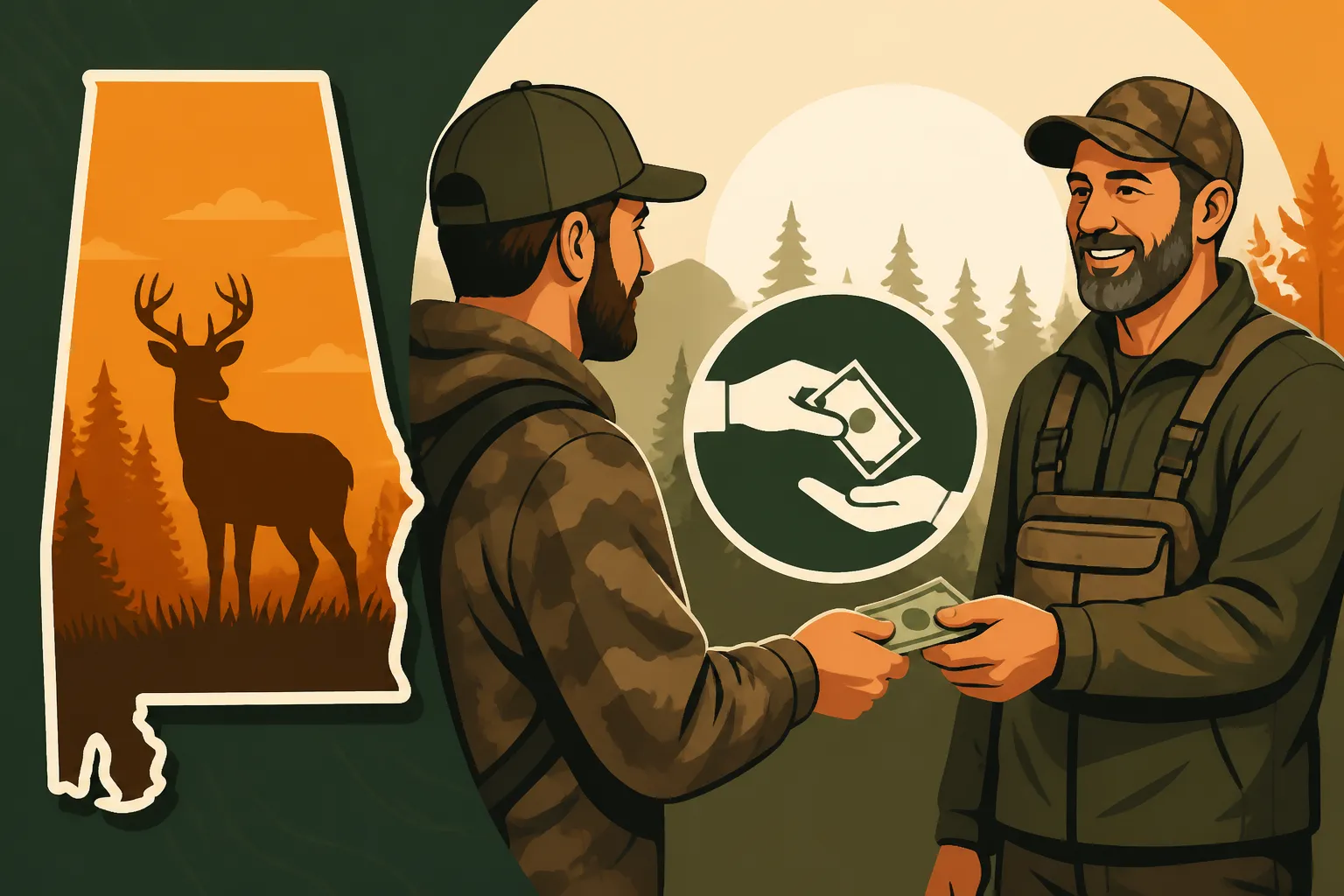
- Discreet Presentation: Place the cash in an envelope or fold it neatly so it’s not ostentatiously counted out in front of others. Hand it directly to your guide, perhaps shaking their hand, and make eye contact. A simple, "Thank you so much for everything, I really appreciate your hard work," often accompanies the exchange. This personal touch makes the gesture more meaningful.
Communicating Your Appreciation
Beyond the money, genuine appreciation can leave a lasting positive impression.
- Verbal Thanks: A heartfelt verbal thank you, detailing specific instances where your guide excelled, is incredibly valuable. Tell them what aspects of their service you particularly appreciated, whether it was their tracking skills, their patience, their knowledge of Late-Season Food Sources for Alabama Whitetails, or just their great company. This feedback can motivate guides and reinforce good practices.
- Leave a Review: If you had a positive experience, consider leaving a glowing review for the outfitter and mentioning your guide by name on their website, social media, or on hunting forums. Many outfitters rely heavily on positive word-of-mouth and online reviews to attract new clients. This can be as valuable, if not more, than the tip itself in the long run. Platforms like BookYourHunt and GoHunt often have review sections specifically for this purpose.
- Small Gifts: Sometimes, a small, thoughtful gift in addition to a cash tip can be a nice touch, especially if you’ve built a good rapport. This could be anything from a nice hunting knife, a high-quality headlamp, or a gift certificate to a local outdoors store. This isn't expected, but it can be a memorable way to show extraordinary appreciation.
Remember, a guided hunt is an investment in an experience, often one that creates lifelong memories. By understanding the guide's role, following established tipping guidelines, and expressing genuine appreciation, you ensure a positive experience for everyone involved – making your next Alabama hunting adventure even more rewarding.
Disclaimer
This article is for general informational purposes only and does not constitute professional advice. Laws, prices and regulations vary by location and change over time. Consult a qualified professional for guidance on your specific situation.