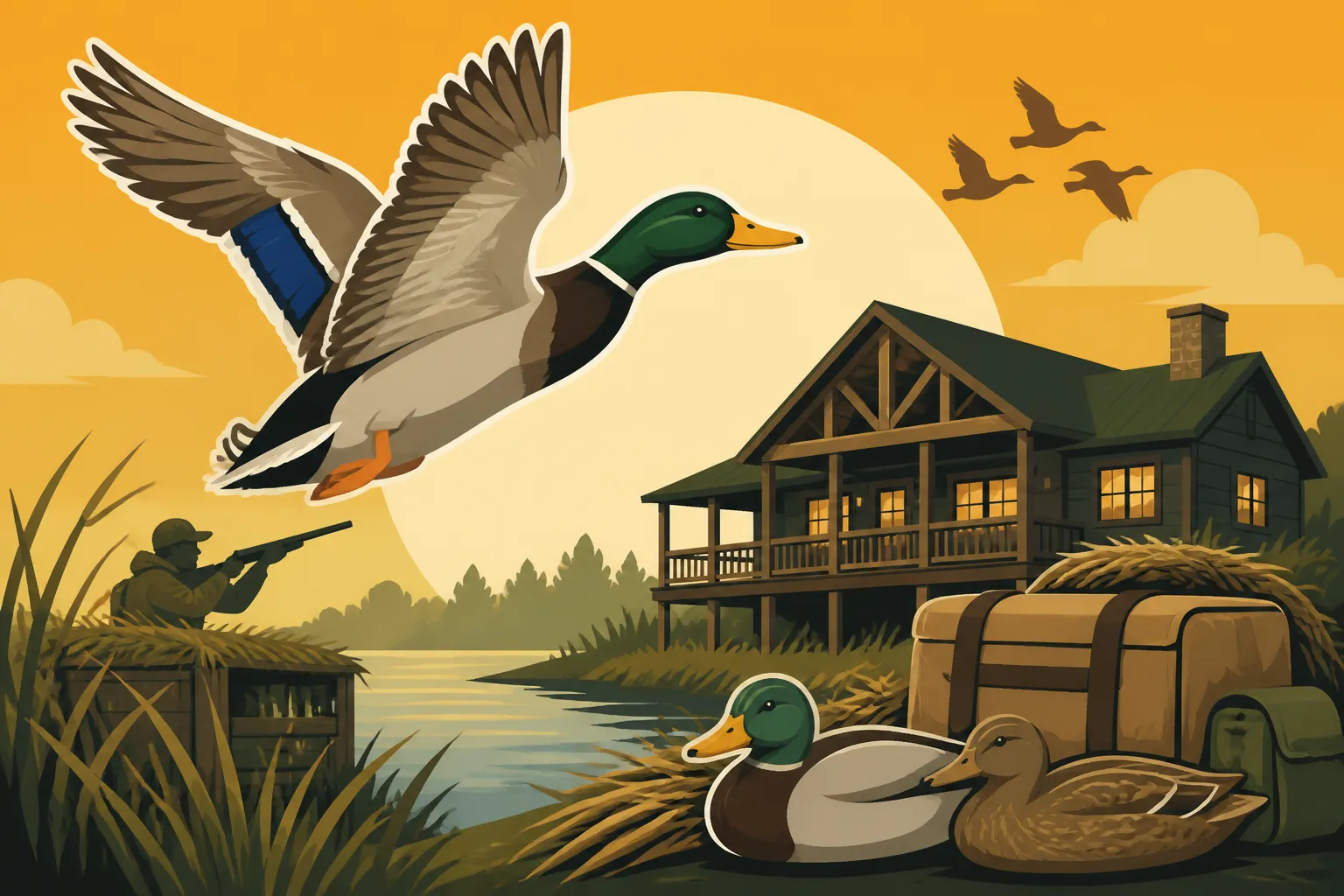
Multi-Day Duck Lodge Package Pricing
Trying to piece together the costs of a multi-day duck hunt in Alabama can feel like deciphering an ancient scroll, leaving you frustrated and unsure of what you're really paying for. This guide will walk you through what's typically included in those alluring multi-day duck lodge packages, the factors that drive their pricing, and crucial questions to ask before you commit, ensuring you get the most bang for your hard-earned buck.
Deconstructing the "All-Inclusive" Duck Lodge Package
When you see "all-inclusive" plastered across a duck lodge's offering, it conjures images of endless coffee, hot meals, and ducks practically flying into your lap. And while many Alabama lodges strive to deliver an exceptional experience, the term "all-inclusive" can sometimes be a bit… flexible. It’s vital to understand what you’re getting and, more importantly, what you’re not.
What's Typically Rolled In
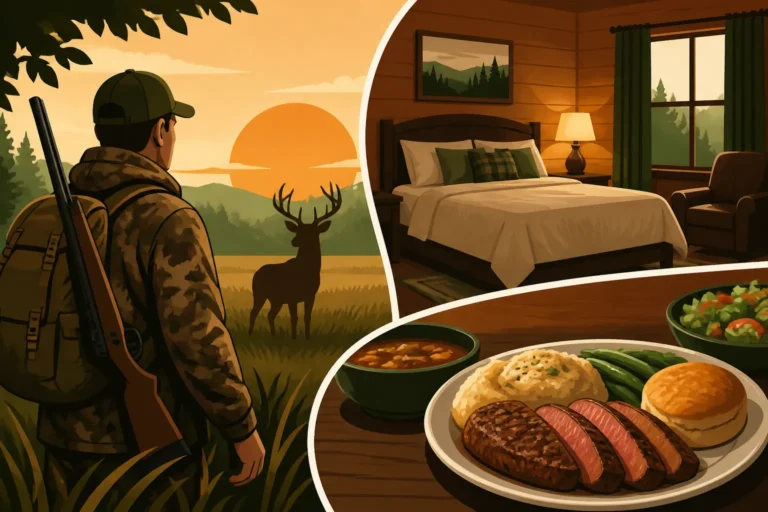
Most reputable multi-day duck lodge packages in Alabama aim to remove as much hassle from your hunt as possible. This generally starts with comfortable lodging. Think beyond a simple motel room; we're talking about cozy cabins, often with communal living areas perfect for sharing stories after a long day in the blind. Many offer a main lodge where meals are served, creating a real sense of camaraderie.
Beyond the roof over your head, your package almost always includes the guiding service itself. This means experienced local guides who know the Alabama Duck Zone Rules inside and out, understand the nuances of the local wetlands, and have scouted diligently to put you on birds. They'll handle the heavy lifting of setting up decoys, retrieving downed birds, and making sure the spread looks just right. Good guides often bring well-trained retrievers, which is a huge plus, saving you from bringing your own dog or worse, losing a bird. Hot meals, usually breakfast and dinner, and often a hearty packed lunch for the blind, are standard. Transportation from the lodge to the blind, whether by boat, ATV, or truck, is also typically covered. This is the core value proposition: showing up, eating well, hunting hard, and letting someone else worry about the logistics.
Common Exclusions and Hidden Costs
Here's where the "all-inclusive" can sometimes get a little blurry. While the lodge takes care of much, certain expenses are almost universally not part of the package price. Your hunting licenses and stamps are a prime example. You'll need to purchase your Alabama state hunting license, a state duck stamp, and a federal duck stamp, along with your migratory bird (HIP) certification, all before you even step foot in the blind. These are your responsibility and vary depending on whether you're an Alabama resident or Alabama Nonresident Annual License Cost.
Ammunition is another common exclusion. Most lodges expect you to bring your own preferred shotgun shells. If you're traveling light or forgot a box, some may have shells available for purchase, but expect a markup. Gun rentals are rare but sometimes offered, typically for an additional fee. Post-hunt services like game processing (plucking and cleaning your ducks) are sometimes included, but often they are an extra charge, or you're expected to do it yourself. And, of course, tips for your guide and any lodge staff are a critical, though voluntary, expense. We'll dive into that more later, but factor it into your budget from the start.
Understanding the Price Tags: What Drives Multi-Day Duck Hunt Costs
It’s no secret that a guided duck hunt is an investment, and multi-day packages amplify that. But what exactly makes one lodge's multi-day package significantly different in price from another's? It boils down to a few key factors that shape the overall experience and operational costs.
Duration and Seasonality
Logic dictates that a longer hunt will cost more in total, but the per-day cost might actually see a slight reduction as you extend your stay. A two-day package will have a higher daily rate than a three or four-day package, simply because the fixed costs (like getting the guides and gear to the blind for the first time) are spread over more days. Many hunters opt for at least three days to account for potential weather changes or slow hunting days, maximizing their chances of a good shoot.
Seasonality plays an immense role in pricing. Prime migration windows, when the numbers of ducks are typically at their peak, often command higher rates. Think late December through January, especially if the weather fronts are pushing birds down from the north. Alabama Waterfowl Migration Timing is crucial here; a lodge that consistently puts hunters on birds during these peak times knows its value. Early season hunts, before the main migration arrives, or late-season hunts, after many birds have moved on or become very wary, might offer slightly lower prices as demand isn't quite as high. Booking during a less popular time can sometimes save you a bit, but you might trade cost savings for fewer birds.
Lodge Amenities and Exclusivity
Just like hotels, duck lodges range from rustic and functional to luxurious and pampered. A bare-bones camp with shared bunk rooms and simple meals will naturally have a lower price point than a sprawling lodge offering private rooms, gourmet catering, and a full-service bar. Some high-end operations provide amenities like personal chefs, massage services, or even dedicated bird cleaning staff, and these luxuries are reflected in the package cost.
The exclusivity of the hunting grounds also impacts pricing. Many top-tier lodges have access to vast tracts of private land, sometimes thousands of acres, that are meticulously managed for waterfowl. This could be prime flooded timber, expansive rice fields, or strategic sloughs on the Tennessee River Public Boat Access for Hunters that consistently hold birds. The cost of leasing and managing these lands, along with the investments in habitat improvement, is significant and passed on in the package price. Smaller, more budget-friendly operations might rely more on public access or smaller, less intensely managed private properties. The value here is often in reduced hunting pressure and higher bird concentrations on exclusive ground. You can find options for Flooded Timber Duck Lodge Packages that highlight this exclusivity.
Location and Reputation
Alabama offers diverse waterfowl hunting opportunities, from the vast river deltas to smaller inland impoundments. A lodge situated in a historically rich waterfowl region, like the Tennessee River Valley or the Mobile-Tensaw Delta, often commands a premium due to its reputation for consistent hunting. These areas are major stops on the Mississippi Flyway, and lodges there benefit from strong bird numbers year after year. Hunting the Tennessee River Delta for Waterfowl is a well-known draw, and lodges in this area often have a loyal clientele.
A lodge's reputation, built over years of delivering successful hunts and excellent service, also plays into its pricing. Word-of-mouth is huge in the hunting community, and a well-regarded outfitter can charge more because clients trust they'll have a quality experience. Platforms like BookYourHunt and GoHunt often feature reviews and ratings that can give you a sense of a lodge's standing, though it's always wise to dig deeper. A lodge that consistently produces good numbers, offers exceptional service, and maintains high standards for guides and accommodations will likely have a higher price point than a newer or less established operation.
Navigating the Booking Process and Vetting Your Outfitter
Booking a multi-day duck hunt is exciting, but it's also a significant investment. You want to ensure you're putting your money toward a trip that lives up to expectations. Doing your homework upfront can prevent headaches and ensure a memorable experience.
Questions to Ask Before You Book
Before you put down a deposit, have a detailed conversation with the outfitter. Don't be afraid to ask specific questions about every aspect of the hunt. Here are some key inquiries:
- Group Size and Hunting Party Configuration: How many hunters will be in my blind? Will I be hunting with just my group, or will I be paired with other hunters? What is the maximum number of hunters they take per day?
- Dog Policy: Can I bring my own dog? If so, what are the requirements (vaccinations, training, crate)? If not, are the guides' dogs well-trained, and will they retrieve all downed birds?
- Typical Hunt Day: What time do we wake up? When do we head to the blind? How long do we typically stay in the blind? What does a slow day look like? What does a fast day look like?
- Success Rates and Expectations: Be realistic here. No ethical guide guarantees limits every day. Ask about their average harvest per hunter, what species they primarily target, and what happens on days when the ducks aren't flying. This helps manage your expectations.
- Blind Type and Comfort: What kind of blinds do they use (pit blinds, layout blinds, boat blinds)? Are they heated or comfortable for long sits? For example, knowing if you'll be doing Layout Blind Hunting Delta Farm Fields versus a permanent pit blind helps you pack appropriately.
- Contingency Plans: What happens if the weather is terrible, like extreme fog or freezing temperatures that prevent hunting? Do they offer rain checks, partial refunds, or alternative activities? This is critical, especially when considering Weather Contingency Policies for Duck Guides.
- Meals and Dietary Needs: What kind of meals are served? Can they accommodate dietary restrictions or allergies?
- Gear List: Do they provide a recommended gear list? What should I definitely bring versus what they supply (e.g., specific waders, camouflage patterns, thermos)?
Reading the Fine Print: Deposits, Cancellations, and Tipping
Understanding the financial obligations beyond the package price is crucial. Most outfitters require a significant deposit to secure your dates, often 50% or more, with the remainder due upon arrival or a set period before the hunt. Make sure you understand their cancellation policy. Is the deposit refundable under any circumstances? Can you reschedule if unforeseen events occur? Look for clear language regarding these terms.
Tipping is an industry standard and a direct reflection of your satisfaction with the service. It’s a way to acknowledge the hard work of your guides, dog handlers, and lodge staff. While not mandatory, it is highly expected. A good rule of thumb for guides is 15-20% of the hunt cost, but you should adjust this based on the effort, attitude, and success of your guide. For lodge staff, a separate gratuity jar or direct tips for cooks and cleaners is common. Be prepared for this expense; factoring it in helps avoid awkward moments at the end of your trip. Consult resources like How Much to Tip a Duck Guide and Retriever Handler for more specific guidance.
Here's a general idea of what a multi-day package might encompass:
| Feature | Basic Lodge Package (2-3 Days) | Premium Lodge Package (3-4 Days) |
|---|---|---|
| Lodging | Shared bunkhouse, basic rooms | Private rooms/cabins, luxury lodge |
| Meals | Simple, hearty breakfast/dinner | Gourmet meals, snacks, beverages |
| Guiding Service | Experienced local guide, dogs | Dedicated guide, premium dogs |
| Hunting Access | Public land/smaller private tracts | Extensive private, managed land |
| Blinds | Standard pit/layout blinds | Comfortable, heated blinds |
| Transport | To/from blind | To/from blind, often airport pickup |
| Exclusions | Licenses, stamps, ammo, tips, processing, personal items | Licenses, stamps, ammo, tips, personal items |
| Experience | Focus on hunting, camaraderie | Elevated comfort, bespoke service |
Choosing the right multi-day duck lodge package in Alabama means balancing your budget with your desired experience. By asking the right questions and understanding what you're truly paying for, you can ensure your next waterfowl adventure is exactly what you hoped for. If you're looking for What a Guided Tennessee River Duck Hunt Costs, it can be very beneficial to compare what various lodges offer in their packages. Prepare well, and you'll be well on your way to a fantastic time in the duck blind.
Disclaimer
This article is for general informational purposes only and does not constitute professional advice. Laws, prices and regulations vary by location and change over time. Consult a qualified professional for guidance on your specific situation.