Multi-Day Versus Day-Rate Deer Guides
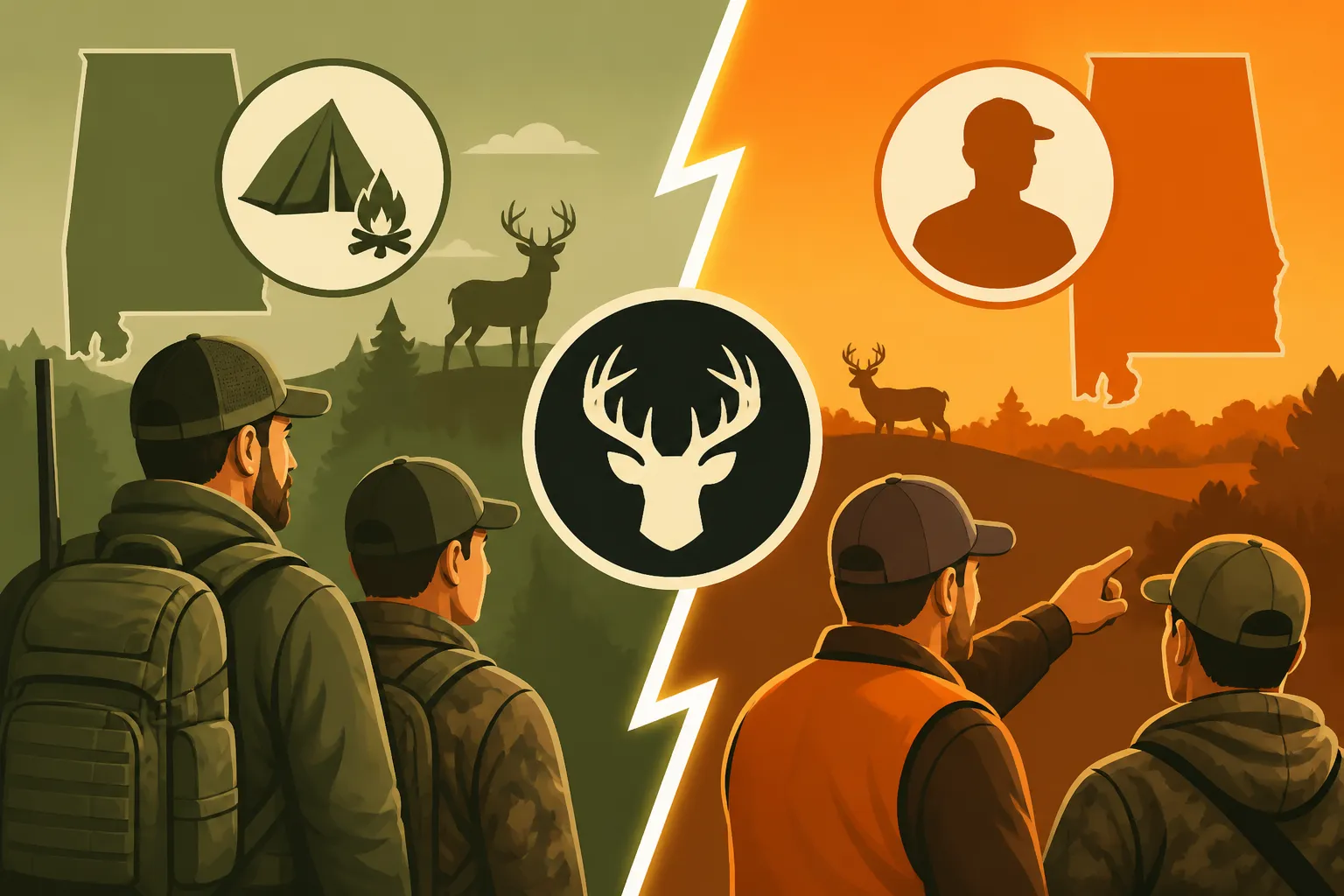
Deciding on the best guided deer hunt in Alabama can feel like a daunting task, especially when you're weighing the options between a single-day excursion and a more immersive multi-day experience. Many hunters struggle with this choice, wondering if a quick hit is enough to find success or if the deeper commitment of several days truly pays off. This guide will help you navigate the differences between multi-day and day-rate deer guides, breaking down what each offers so you can make an informed decision for your next Alabama adventure.
Understanding the Guided Deer Hunt Landscape in Alabama
Before we dive into the specifics of day rates versus multi-day packages, it’s helpful to understand the general lay of the land when it comes to guided deer hunts in Alabama. The state offers a wide spectrum of experiences, from small, family-run operations catering to a handful of hunters to sprawling plantations with luxury lodges and extensive land management programs. Each type of operation typically presents its services in a slightly different way, but the core distinction often comes down to the duration of your stay and the comprehensiveness of the package.
What Does "Guided" Truly Mean?
When you hear "guided hunt," it can conjure different images for different people. In Alabama, a guided deer hunt generally means you'll have an experienced individual leading you, either actively calling, tracking, or simply placing you in a prime hunting location. This guide often has intimate knowledge of the property, including deer movement patterns, preferred food sources, and bedding areas. They're there to increase your odds of success by leveraging their expertise and the resources of the outfitter. It's more than just paying for access; it's paying for expertise and a curated experience.
For example, on many guided trips, your guide might take you to a pre-scouted stand, drop you off before dawn, and pick you up after dark, perhaps even helping you track and recover your deer. On others, especially with trophy-focused hunts in the Black Belt, the guide might be with you in a blind, helping you identify mature bucks and advising on shot placement. The level of "guidance" can vary, but the goal is always to provide a more efficient and potentially more successful hunt than you might achieve on your own, especially if you're unfamiliar with the specific property or the unique challenges of White-Tailed Deer Across Alabama.
Types of Outfitter Operations
Alabama's outfitters come in various shapes and sizes. You'll find everything from dedicated deer hunting lodges that focus solely on whitetails during the season, often located in the prime Black Belt region, to diversified operations that offer deer, turkey, and hog hunts throughout the year. Some outfitters own their land, managing it intensely for deer habitat and herd quality, while others lease vast tracts of private property, carefully selecting areas known for good deer populations.
Larger operations might boast extensive acreage, multiple comfortable lodges, and a fleet of hunting vehicles, providing an all-inclusive resort-like experience. Smaller, more rustic operations might offer a more intimate, bare-bones hunt, focusing purely on the hunting experience without all the bells and whistles. When researching options, sites like BookYourHunt can give you a broad overview of available outfitters and their offerings, but always remember to dig deeper into what exactly is included in their packages.
The Day-Rate Deer Hunt: Quick Hit or Risky Bet?
A day-rate deer hunt in Alabama is exactly what it sounds like: you pay for one day of hunting. This can be an appealing option for hunters on a tighter budget, with limited vacation time, or those simply looking to try out an outfitter before committing to a longer stay. However, while it offers flexibility, it also comes with a unique set of challenges and considerations that need careful thought.
The Appeal of Flexibility and Lower Upfront Cost
One of the biggest draws of a day-rate hunt is its perceived affordability and flexibility. You can often book a single day or two without the larger financial commitment of a multi-day package. This is great if you have a busy schedule, perhaps just a long weekend free, and want to squeeze in some hunting time. It also allows you to sample an outfitter's property and guides without a major investment. If you're new to guided hunts, a day-rate can be a low-risk way to dip your toes in the water, giving you a taste of what a professional operation offers.
Imagine you're driving through Alabama for another purpose, maybe visiting family near [Birmingham] or [Montgomery], and you realize you have an extra day. A day-rate hunt could be the perfect spontaneous addition to your trip, allowing you to experience some local deer hunting without disrupting your main plans. It’s also often chosen by local hunters who might not want the full lodge experience but desire access to well-managed private land that's harder to secure on their own.
The Pressure and Limited Opportunity
However, the "quick hit" nature of a day-rate hunt can also be its biggest drawback. Hunting is inherently unpredictable, and deer don't always cooperate on your schedule. With just one day, there's immense pressure to perform, and a single bad weather front, a sudden drop in deer activity, or even just bad luck can leave you empty-handed. You might spend a significant portion of your single day getting settled, learning the property's nuances from your guide, and waiting for things to "turn on."
If the deer aren't moving well in the morning due to an unexpected warm spell or a strong wind, you simply don't have the luxury of waiting it out for a better afternoon or the next day. This limited timeframe often means less opportunity to scout, less time for your guide to adapt to changing conditions, and ultimately, fewer chances to encounter the deer you're looking for. It can be a gamble, and while sometimes it pays off spectacularly, other times it can feel like a missed opportunity. This is especially true if you're after a specific Trophy Buck Guides in the Black Belt.
Ideal Scenarios for Day-Rate Hunts
So, when does a day-rate hunt make sense? It's often best for:
- Highly Experienced Hunters with Specific Goals: If you're a seasoned hunter who knows exactly what you're looking for and you're confident in your shooting ability, a day-rate can work. You might already have a good idea of typical deer behavior and can make the most of limited time.
- Budget-Conscious Hunters: For those with strict financial limits, a day-rate provides access to private land and a guide's expertise without breaking the bank.
- Time-Constrained Individuals: If you truly only have one day available, it's better than no hunt at all!
- "Trial Run" Hunters: As mentioned, it's a great way to test an outfitter's services before booking a longer trip in the future. You can get a feel for the guide's demeanor, the property's quality, and the overall operation.
The Multi-Day Guided Hunt: Immersion and Opportunity
For many hunters, especially those traveling a good distance or seeking a more comprehensive experience, a multi-day guided deer hunt is the preferred option. These packages typically span two, three, or even five or more days, often including lodging, meals, and more extensive guide services. While the upfront cost is higher, the extended time in the field often translates to a richer experience and a higher probability of success.
Enhanced Opportunity and Deeper Immersion
The most obvious advantage of a multi-day hunt is the increased number of opportunities. More time in the stand or blind means more chances to encounter deer, especially when you factor in varied weather patterns or unexpected lulls in activity. If the morning hunt is slow, you still have the afternoon, and if today's conditions aren't ideal, tomorrow might bring a cold front that gets the deer moving. This extended window dramatically reduces the pressure of a single-day hunt and allows for more adaptability.
Beyond just more hours in the field, a multi-day hunt offers a chance to truly immerse yourself in the experience. You get to know the land better, learn from your guide's extensive knowledge, and even adjust your tactics as the hunt progresses. On a three-day hunt, your guide might try different stand locations based on fresh sign or changes in wind direction, something that's simply not feasible on a single day. You might even find yourself gaining invaluable insights into Hunting the Alabama Rut by Zone or the local deer behavior that you can take with you to future hunts.
The Lodge Experience and Included Amenities
Many multi-day guided hunts, especially those lasting three days or more, come with a lodge experience. This often includes comfortable accommodations, delicious home-cooked meals, and the camaraderie of fellow hunters. Picture returning to a warm lodge after a chilly morning hunt to a hearty breakfast, swapping stories around a fire, or enjoying a good dinner with new friends. This social aspect is a huge draw for many, turning a solo pursuit into a shared adventure.
These packages often include more than just hunting time. Depending on What's Included in an All-Inclusive Deer Package, you might find services like game retrieval, field dressing, caping for taxidermy, and even basic meat processing wrapped into the price. Some even offer transportation to and from a local airport. This level of service allows you to focus purely on the hunt and the overall experience, rather than worrying about logistics.
Ideal Scenarios for Multi-Day Hunts
A multi-day guided hunt is often the best choice for:
- Serious Trophy Hunters: If you're after a specific class of buck, more time increases your odds of encountering him. These hunts often incorporate extensive scouting and strategy over multiple days.
- Hunters Seeking a Full Experience: For those who want more than just a quick hunt, but also the camaraderie, lodge experience, and a chance to truly unwind and enjoy the outdoors, a multi-day trip is ideal.
- Travelers from Out of State: If you're coming a long distance, it makes sense to maximize your time in Alabama by booking a longer hunt. This ensures your travel investment is well-spent on actual hunting time.
- Beginner or Intermediate Hunters: The extended time allows for more learning from your guide, more patience, and less pressure, which can be invaluable for developing your skills and confidence.
Cost Considerations: Beyond the Sticker Price
When comparing day-rate and multi-day guided hunts, it's easy to look solely at the headline price and assume one is definitively cheaper. However, a deeper dive reveals that the true cost involves more than just the daily or package rate. Understanding what drives these costs and what you get for your money is crucial for making the right choice.
What Drives the Price of a Guided Hunt
Several factors influence the cost of any guided hunt in Alabama. Firstly, the quality and exclusivity of the land play a huge role. Properties intensely managed for trophy deer, often in the fertile Black Belt, will command higher prices than less managed tracts. The amenities included also impact cost; a hunt that includes luxury lodging, gourmet meals, and airport transfers will naturally be more expensive than a basic hunt with no frills.
The reputation and experience of the outfitter and guides are also key. Highly sought-after guides with a proven track record of success often charge more. Finally, the duration of the hunt is a primary driver. More days mean more resources from the outfitter, more time for the guides, and thus, a higher total cost. It’s not just about the hours you’re physically hunting but the entire infrastructure that supports the operation.
Hidden Costs and What to Budget For
Beyond the quoted rate, whether day-rate or multi-day, there are often "hidden" or easily overlooked costs that can add up quickly. Always budget for:
- Hunting Licenses and Permits: Every hunter, guided or not, needs an Alabama Hunting Licenses and What They Cost. If you're coming from out of state, these fees can be significant.
- Tips for Guides and Lodge Staff: It's customary to tip your guide, and sometimes the lodge staff, for good service. This is a significant part of their income.
- Travel Expenses: Airfare, fuel, and any pre- or post-hunt accommodation not included in the package.
- Game Processing and Taxidermy: While some outfitters offer basic field dressing, full processing and any desired taxidermy are almost always extra. Consider the cost of getting your trophy home.
- Gear and Supplies: Ammunition, specialized clothing, or any last-minute items you might need.
- Optional Upgrades: Some outfitters offer additional services like thermal hog hunting after dark, which might be an add-on.
When you weigh a day-rate against a multi-day package, consider that while the day-rate appears cheaper, if you have to pay for your own lodging, food, and don't get the same level of support, the real value might not be as high. A multi-day all-inclusive package might seem more expensive, but if it covers nearly everything from the moment you arrive until you depart, the overall cost-per-experience could be more favorable. For specific figures, always check directly with the outfitter, as prices can vary widely.
Comparing Value: Day-Rate vs. Multi-Day
To truly compare the value, think about what you prioritize. If your goal is simply to get out and hunt for one brief window, and you're prepared for the potential of limited success, a day-rate might be sufficient. However, if you're investing significant travel money, have specific trophy goals, or want a relaxing, comprehensive experience, the added cost of a multi-day hunt often provides better value.
A multi-day hunt reduces the "all or nothing" pressure and allows for the natural ebb and flow of deer activity. It gives you more time to connect with your guide, understand the nuances of the property, and develop a real strategy over several hunts. For example, if you're specifically targeting deer in the Talladega National Forest Hunting area, a multi-day experience could give you the necessary time to adjust to the mountainous terrain and find where the deer are moving across the ridges. This often leads to a more satisfying and potentially more successful outcome.
| Feature | Day-Rate Guided Hunt | Multi-Day Guided Hunt |
|---|---|---|
| Duration | Typically 1 day | Usually 2-5+ days |
| Cost (Upfront) | Lower | Higher |
| Hunting Opportunity | Limited, high pressure | Multiple sessions, more relaxed |
| Lodge/Meals | Rarely included (extra) | Often included (part of package) |
| Flexibility | High (easy to fit into tight schedules) | Lower (requires more dedicated time) |
| Guide Adaptation | Limited (difficult to adjust to conditions) | High (can adapt to weather, deer movement) |
| Social Experience | Minimal or none | Significant (fellow hunters, lodge staff) |
| Ideal For | Experienced hunters, budget-conscious, "trial runs" | Serious hunters, out-of-state travelers, full experience |
| Success Odds | Can be lower due to time constraints | Generally higher due to extended opportunity |
Choosing the Right Fit for Your Alabama Hunt
Making the decision between a day-rate and a multi-day guided deer hunt ultimately comes down to your personal hunting goals, budget, time constraints, and desired experience. There's no single "best" option; it's about finding the perfect match for you.
Assess Your Personal Goals
Start by honestly assessing what you hope to get out of the hunt. Are you primarily looking for:
- A Trophy Buck? If bagging a specific caliber of buck is your main objective, a multi-day hunt typically offers significantly better odds. More time means more encounters and better chances for your guide to pattern a mature animal. Outfitters often offer specialized Trophy Buck Guides in the Black Belt that are usually multi-day affairs to maximize success.
- Meat for the Freezer? If you're happy with any legal deer, whether a doe or a younger buck, a day-rate hunt could be sufficient if the deer are active. However, a multi-day hunt still provides more opportunities.
- The Experience Itself? If the camaraderie, the lodge atmosphere, and the escape into nature are as important as the harvest, then a multi-day package that includes accommodation and meals will deliver a far richer experience.
- Learning and Skill Development? Longer hunts give you more time to interact with your guide, ask questions, and observe their methods, which can be invaluable for improving your own hunting skills.
Consider Your Budget and Time Availability
Your financial resources and available vacation time are practical constraints that heavily influence your decision. If your budget is very limited, a day-rate might be your only entry point into a guided hunt. However, remember to factor in all the potential "hidden" costs, like lodging if it's not included, tips, and processing.
Similarly, if you only have one free day from work or family commitments, a multi-day hunt simply isn't an option. For those with more flexibility, allocating three to five days might seem like a lot, but it often translates to a much less stressful and more fulfilling hunt. It's about finding the sweet spot where your investment in time and money aligns with your desired outcome. Don't forget to look into Alabama Nonresident 10-Day License Cost if you're visiting from out of state, as this will be a mandatory addition to your budget.
Research and Vetting Your Outfitter
Regardless of whether you choose a day-rate or multi-day hunt, thorough research into your chosen outfitter is paramount. This is where resources and due diligence come into play. Use platforms like GoHunt and BookYourHunt to find potential outfitters, but don't stop there.
Here’s a checklist for vetting:
- Read Reviews: Look for consistent positive feedback, but also pay attention to how outfitters respond to negative reviews.
- Ask for References: A reputable outfitter will gladly provide contact information for past clients. Call them and ask detailed questions about their experience, the guide, the lodge, and the success rates.
- Check Their Website and Social Media: Look for up-to-date information, recent hunt photos (not just old ones), and transparency about their operation.
- Communicate Directly: Questions to Ask Before Booking an Alabama Hunt should be direct and cover all your concerns. Ask about their typical success rates, what happens if you don't harvest a deer, and their policies on wounded game.
- Verify Land Access: Ensure the outfitter has legitimate access to the land they claim to hunt.
- Understand the Contract: Before you send any money, carefully review the booking agreement, cancellation policy, and what is explicitly included and excluded. This can save a lot of headaches later. This process of Vetting an Alabama Outfitter Before You Book is critical for a positive experience.
Making the Most of Your Guided Deer Hunt
Once you've made your decision and booked your guided hunt, whether it's a single day or a multi-day adventure, there are several steps you can take to maximize your experience and increase your chances of success. A guided hunt is a partnership between you and your guide, and being prepared and proactive goes a long way.
Pre-Trip Preparation is Key
Don't wait until the last minute to get ready. Your physical condition, shooting proficiency, and gear all play a role in your success.
- Practice Your Shooting: Whether you're using a rifle, bow, or crossbow, practice from various positions you might encounter in the field. Know your effective range and be confident in your shot placement. If you're a bowhunter, practicing from an elevated position like a tree stand is crucial. This confidence will pay off when that trophy buck steps out.
- Physical Conditioning: Alabama's terrain can be surprisingly rugged, from climbing into tall stands in Hunting the Talladega Division for Turkey areas to walking through thick brush in river bottoms. Even if you’re hunting from a blind, retrieving a deer can be physically demanding. Get in shape before your trip.
- Pack Appropriately: Check the forecast for your hunt dates and pack layers of clothing. Alabama weather can be fickle, with warm mornings and cold afternoons, or vice versa. Good quality boots, rain gear, and a comfortable daypack are essential. Don't forget your Alabama Hunting Licenses and What They Cost proof and any required certifications.
- Research the Area: While your guide knows the land best, doing a little pre-trip research on the general area can help you understand the habitat and deer behavior. A tool like OnX or even simply studying maps can give you a lay of the land.
Communication with Your Guide
Effective communication with your guide is paramount for a successful hunt. They are your eyes and ears on the ground, and their expertise is invaluable.
- Be Clear About Your Goals: Before the hunt, or as soon as you meet, clearly communicate your objectives. Are you solely focused on a trophy, or are you happy with any legal deer? This helps your guide manage expectations and put you in the right spots.
- Ask Questions: Don't be afraid to ask about deer patterns, preferred food sources, wind direction strategies, or anything else you're curious about. Learning from an experienced guide is one of the benefits of a guided hunt.
- Listen Attentively: Your guide has spent countless hours in the field and knows the property intimately. Pay close attention to their instructions regarding stand entry/exit, shot windows, and deer identification.
- Provide Feedback (Constructive): If something isn't working or you have a concern, communicate it respectfully. For example, if you're uncomfortable with a certain stand setup, discuss it. They want you to have a good experience.
Post-Hunt Conduct and Etiquette
Your behavior after the shot is just as important as during the hunt itself.
- Tracking and Recovery: If you make a shot, your guide will typically lead the tracking effort. Be patient, follow their lead, and assist where needed. Be prepared for Blood Trailing After Dark in Alabama if necessary.
- Game Handling: Most guides will assist with field dressing and getting your deer out of the woods. Have a plan for your venison, whether it's local processing, taking it home, or donating it.
- Tipping: As mentioned, tipping your guide is customary and a reflection of their hard work. A good rule of thumb is 15-20% of the hunt cost for excellent service, adjusted based on the effort, hospitality, and success of your guide.
- Thank You: A simple thank you to your guide and any lodge staff goes a long way. Building positive relationships can open doors for future hunts.
- Sharing Your Story: If you have a successful hunt, consider sharing your positive experience through reviews or testimonials. This helps the outfitter and guides continue their work. When Reading Outfitter Success Claims, remember that genuine client testimonials are often the most reliable indicator of a good operation.
Ultimately, whether you opt for the quick excitement of a day-rate hunt or the immersive satisfaction of a multi-day package, the key to a memorable Alabama deer hunt lies in preparation, clear communication, and a realistic understanding of what each option offers. Choose wisely, hunt safely, and enjoy the incredible opportunities that the Yellowhammer State provides.
Disclaimer
This article is for general informational purposes only and does not constitute professional advice. Laws, prices and regulations vary by location and change over time. Consult a qualified professional for guidance on your specific situation.