Colbert County CWD Zone Public Ground
Hunting in Alabama is a rich tradition, but sometimes, new challenges emerge that require us to adapt and understand complex regulations. One such challenge is Chronic Wasting Disease (CWD), which has unfortunately made its way into parts of our beautiful state. If you’re a hunter looking to pursue deer on public land within Colbert County, specifically in the designated CWD zone, it can feel like navigating a maze of new rules and concerns. This guide is here to untangle that complexity, providing you with clear, actionable information so you can continue to enjoy your passion safely and responsibly, even in a CWD-affected area.
Understanding Alabama's CWD Zone and Its Impact on Colbert County
When we talk about hunting in a CWD zone, it's natural to feel a mix of concern and confusion. This isn't just another hunting regulation; it's about protecting the future of our deer herd and our hunting heritage. Understanding the disease itself, its presence in our state, and how it directly affects areas like Colbert County is the crucial first step.
What is CWD and Why It Matters in Alabama
Chronic Wasting Disease is a neurological disease that affects cervids, including white-tailed deer, elk, and moose. It's caused by abnormal proteins called prions that slowly damage the brain and spinal cord, leading to emaciation, abnormal behavior, and ultimately, death. The scary part about CWD is that it's always fatal, and there's no known cure or vaccine. It's also highly contagious among deer, spreading through direct contact with infected animals, or indirectly through contaminated environments like soil and plants where prions can persist for a very long time.
For Alabama, the detection of CWD was a serious wake-up call. We pride ourselves on healthy deer populations, and the potential impact of CWD on our herd's health and numbers is significant. It's not just about losing individual deer; it's about the long-term sustainability of deer hunting in areas affected. This is why the state has taken such swift and strict measures. You can learn more about the broader implications in Chronic Wasting Disease Risk in Alabama. The arrival of CWD in our state, specifically in northwest Alabama, sparked immediate concern and led to the establishment of the CWD Management Zone. How CWD Reached Northwest Alabama details how this disease made its unwelcome entrance into our region, primarily through a confirmed case in Lauderdale County, which then led to expanded monitoring and management efforts in surrounding areas like Colbert County.
Defining the Colbert County CWD Zone Boundaries
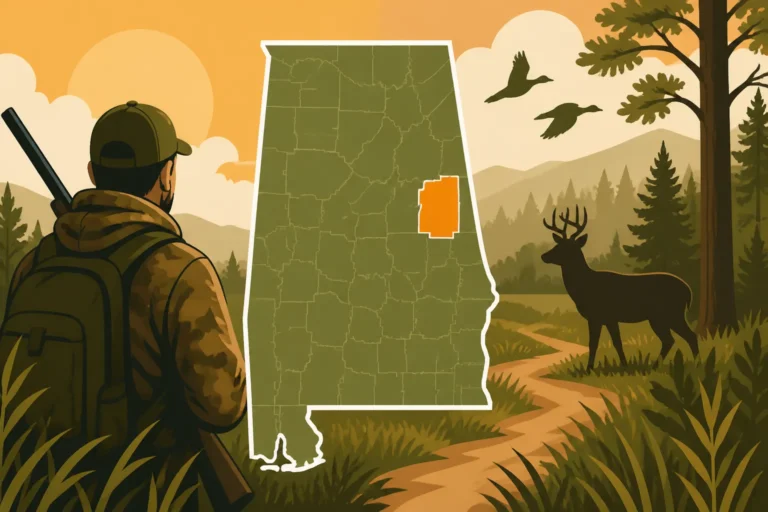
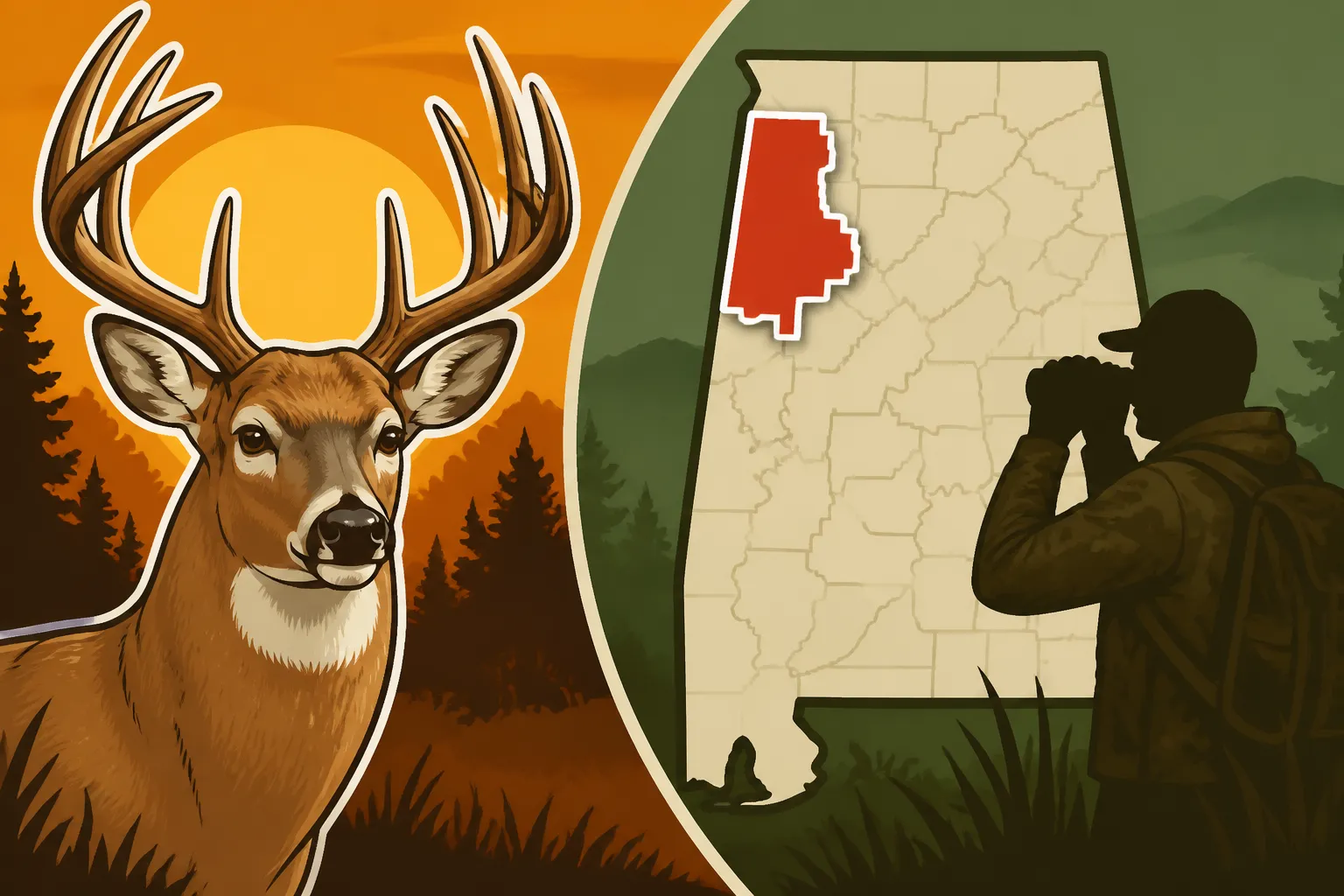
It's absolutely essential to know if the specific parcel of land you plan to hunt falls within the CWD Management Zone (CMZ). The boundaries aren't always intuitive, and they can sometimes split counties or even individual properties. For Colbert County, portions of the county are indeed included in Alabama's CWD Management Zone. Generally, these zones are drawn to encompass areas where CWD has been detected or where the risk of spread is deemed highest due to proximity.
While I can't provide a real-time, official map (always check the ADCNR website for the most current information), what you need to understand is that these boundaries are typically defined by major roadways, rivers, or county lines. If you're planning a hunt in Colbert County, you absolutely must verify your exact location against the official CMZ map provided by the Alabama Department of Conservation and Natural Resources (ADCNR). This map will visually show you which parts of Colbert are affected. This is where modern mapping tools become indispensable. Applications like onX Hunt or GoHunt often have layers that show CWD zone boundaries, allowing you to quickly determine if your planned hunting spot is within the regulated area. This prevents accidental violations and ensures you're prepared for the specific rules.
Mandatory Regulations and Reporting for Hunters in the Zone
Hunting in a CWD zone comes with specific, non-negotiable regulations designed to monitor the disease and prevent its spread. These aren't suggestions; they are legal requirements, and understanding them is crucial for any hunter in Colbert County's CMZ.
The most prominent regulation is often mandatory CWD testing. During certain periods, especially early in the season or during specific weekends, any deer harvested within the CWD zone must be submitted for testing. This means you need to know where the designated sampling stations are, often located at check stations, state parks, or even some local businesses. Missing a mandatory testing period or failing to submit a sample is a serious offense. Information on specific dates and locations for these mandatory testing events can be found through official ADCNR channels and is vital for your hunt planning. Mandatory CWD Testing Weekends provides more detail on these specific requirements.
Another critical regulation revolves around carcass movement. To prevent the spread of prions, there are strict rules about moving deer carcasses out of the CWD zone. Generally, you can only transport boned-out meat, clean skull plates, hides, and taxidermy-ready skulls (with brain matter removed) outside the zone. Whole carcasses, spinal columns, and other high-risk parts must remain within the CMZ or be disposed of in approved ways. This means you need to be prepared to field dress your deer thoroughly and potentially bone it out at the kill site or at a local processing facility within the zone. You can find comprehensive details on these restrictions in Alabama Carcass Movement Restrictions.
Finally, every deer harvested in Alabama, whether in a CWD zone or not, must be reported through Game Check. This system is critical for wildlife biologists to gather data on harvest numbers, deer health, and hunter effort. In a CWD zone, this reporting takes on added importance as it's linked to the mandatory testing program. Always make sure to report your deer promptly and accurately. Reporting a Deer Through Game Check walks you through this essential process.
Public Hunting Opportunities in Colbert County's CWD Zone
Even with CWD present, public lands in Colbert County still offer valuable hunting opportunities. The key is knowing where these lands are, understanding any specific access or management regulations, and adapting your hunting strategy to adhere to CWD protocols. The good news is that Alabama is dedicated to providing access, and with a bit of planning, you can still have a successful and responsible hunt.
Identifying Accessible Public Lands
Colbert County is home to some fantastic public hunting grounds, and some of these fall within the CWD Management Zone. A prime example is portions of Freedom Hills Wildlife Management Area. This WMA offers diverse habitat and is a popular spot for deer hunting. When planning your trip to Freedom Hills or any other public land in the vicinity, always double-check its specific boundaries against the official CWD zone maps.
This is where your digital mapping tools truly shine. onX Hunt and GoHunt aren't just for property lines; they often feature layers that show WMA boundaries, national forest lands, and critically, the current CWD zones. Overlapping these layers can give you a crystal-clear picture of where you can hunt legally and what regulations apply. Before you even set foot in the woods, use these tools to scout potential access points, verify boundaries, and understand the terrain. You can also consult the ADCNR's online resources to help with Finding an Alabama WMA Near You and determine if specific portions of WMAs or National Forest land in Colbert County are impacted by CWD rules.
| Public Land Area (Example) | Primary Hunting Opportunities | CWD Zone Status (Check Current Maps) | Key Considerations |
|---|---|---|---|
| Freedom Hills WMA | Deer, Turkey, Small Game | Partially or Fully within CMZ | Mandatory Testing, Carcass Rules |
| Muscle Shoals NWR (Portions) | Waterfowl, Deer (Permit) | Check Specific Unit Boundaries | Special Refuge Rules, CWD Rules |
| Certain Public Access Points Along Tennessee River | Waterfowl, Small Game | Generally Outside CMZ, But Verify | Access Points, River Navigation |
Remember to always consult the official ADCNR maps for the most current and precise CWD zone boundaries.
Specific Hunting Tactics and Considerations for the Zone
Hunting in a CWD zone doesn't necessarily mean the deer are gone, but it does mean an extra layer of awareness. You might find that hunting pressure is somewhat reduced in certain CWD-affected areas, as some hunters may opt for areas outside the zone. This isn't always the case, but it's a possibility. Adapt your scouting and hunting strategies accordingly.
Intensive scouting, both pre-season and during the hunt, is more important than ever. Focus on identifying fresh sign, understanding deer movement patterns, and locating good food and cover sources. Use your mapping apps like onX Hunt to mark rubs, scrapes, and travel corridors. Scouting Alabama Public Land Before Season offers excellent general advice that becomes even more critical in a CWD zone. Pay close attention to deer health; while you won't always see overt symptoms, any deer exhibiting unusual behavior or extreme emaciation should be reported to the ADCNR.
When it comes to stand placement, whether you're hanging a climbing stand or utilizing a ground blind, remember that you'll be spending time on potentially contaminated ground. While CWD isn't known to infect humans, general hygiene practices are always smart. Think about entry and exit routes that minimize disturbance and help you get in and out efficiently, especially if you need to field dress a deer. Using a Ground Blind on Alabama Public Land can provide useful tips for setting up in various cover types.
Species Available and Bag Limits
Despite the CWD concerns, the public lands in Colbert County within the CMZ still offer hunting opportunities for deer and other game, under specific regulations. Deer hunting, of course, is the primary focus of CWD management. Alabama's deer season is structured into different zones and weapon types, and you'll need to know the specific dates for Colbert County's zone, which you can find detailed in Alabama Deer Season Structure Explained. Archery season typically opens first, followed by various gun seasons, and then muzzleloader and air rifle seasons. Be sure to check the specific dates for Zone C or the relevant zone for Colbert County, as rules can vary.
The statewide three-buck limit remains in effect, but antlerless deer limits can vary by zone, so always check the specific regulations for Colbert County. The biggest difference you'll encounter is the mandatory CWD testing and carcass movement restrictions for any deer you harvest.
While CWD is specific to cervids, other small game like squirrels and rabbits are also present on these public lands. Squirrel and Small Game Hunting in Alabama covers tactics for pursuing these species. Turkey hunting also takes place in these areas, and while turkeys are not affected by CWD, you still need to be aware of other hunters and follow general safety protocols. Always verify the most current turkey season dates and bag limits with the ADCNR.
Carcass Handling and Best Practices in a CWD Zone
This is perhaps the most critical section for hunters operating in a CWD zone. Your actions after harvesting a deer directly impact the state's ability to manage and contain CWD. It's not just about compliance; it's about being a responsible steward of the resource and protecting future hunting opportunities.
Field Dressing and Minimizing CWD Spread
The moment you harvest a deer in a CWD zone, your mind needs to shift to proper carcass handling. The goal is to minimize the spread of CWD prions. This primarily means leaving the highest-risk parts of the animal at the kill site or at an approved disposal location within the CWD zone.
Here’s a practical approach:
- Wear Gloves: Always wear disposable gloves when field dressing any deer, but especially in a CWD zone. This is good practice for hygiene and disease prevention in general.
- Field Dress at the Kill Site: Whenever possible, field dress your deer where it fell. Remove all internal organs (viscera). This significantly reduces the weight you need to drag and, more importantly, keeps high-risk materials localized.
- Boning Out: If you plan to transport the meat out of the CWD zone, you will need to bone out the deer at the kill site or at a designated facility within the zone. This means separating the meat from the bone, spinal column, and brain. You can leave the skeletal remains (including the skull if you don't intend to take it as a trophy) at the kill site.
- Disposal: If you are unable to leave organs or skeletal remains at the kill site, ensure you dispose of them in an approved waste disposal site within the CWD zone. Do not just throw them in a random dumpster outside the zone.
Understanding and implementing these steps is crucial for Handling Venison From the CWD Management Zone responsibly and preventing potential spread.
Transporting and Testing Your Harvest
Once your deer is field dressed (and potentially boned out), the next step is transportation and testing.
- Transporting: As mentioned, strict rules govern what parts of a deer can leave the CWD zone. The safest bet is boned-out meat, clean skull plates, and hides. If you want to keep the skull for a European mount, you must remove all brain matter and clean it thoroughly before transporting it outside the zone. Always double-check the latest ADCNR guidelines on carcass movement.
- Testing: If you've harvested a deer during a mandatory testing period, or if you simply choose to have your deer tested (which is highly encouraged), you'll need to take the head to an official CWD sampling station. These stations are critical for the state's surveillance efforts. At the station, ADCNR personnel will collect lymph node samples, which are then sent to a lab for analysis. Finding an Alabama CWD Sampling Station will guide you to the nearest drop-off point.
- Results: Be prepared for a waiting period for CWD test results. This isn't an instant process, and it can take several weeks, especially during peak hunting season. The ADCNR will have information on how to check the status of your sample. How Long Alabama CWD Results Take can give you an idea of the typical turnaround time. It's wise to freeze any meat from a deer harvested in the CWD zone until you receive a negative test result.
Processing Your Deer Safely
Whether you process your deer yourself or take it to a professional butcher, safety and hygiene are paramount, especially in a CWD zone.
If you're processing at home:
- Dedicated Tools: Consider having a separate set of knives, cutting boards, and gloves specifically for processing deer harvested in a CWD zone.
- Thorough Cleaning: After processing, meticulously clean and sanitize all surfaces, tools, and equipment with a bleach solution (one part bleach to ten parts water).
- Waste Disposal: Dispose of all processing waste (bones, trim, etc.) in a secure manner within the C CWD zone, ideally in an approved landfill or through services that accept such waste. Do not put it in household trash that might be transported outside the zone.
If you use a professional processor, ensure they are aware the deer came from a CWD zone and that they have protocols in place for handling and disposing of high-risk materials according to ADCNR guidelines. Many processors in or near CWD zones are well-versed in these requirements.
Navigating Resources and Staying Informed
Successfully and responsibly hunting in a CWD zone means being proactive and leveraging the resources available to you. Regulations can evolve, and having the most current information is your best defense against potential issues and your greatest asset for a successful hunt.
Utilizing Digital Mapping Tools
Modern technology has revolutionized how we scout and hunt, and in a CWD zone, tools like onX Hunt and GoHunt become absolutely indispensable. These apps offer layers that show public land boundaries, private property lines (with landowner information in many cases), topographic maps, satellite imagery, and often, critical overlays for CWD management zones.
Here's how they help:
- Boundary Clarity: You can zoom in and see exactly where public land ends and private land begins, ensuring you stay within legal hunting areas. More importantly, you can confirm whether your stand location or an entire WMA segment is within the designated CWD zone.
- Scouting: Use satellite imagery to identify potential food sources, bedding areas, water, and travel corridors. Mark waypoints for your stand locations, access routes, and potential field dressing sites.
- Offline Access: Many of these apps allow you to download maps for offline use, which is a lifesaver in remote areas with no cell service. Imagine being deep in Freedom Hills WMA and needing to verify a boundary – having it on your phone is invaluable.
- CWD Zone Overlays: As mentioned, some of these platforms integrate CWD zone boundaries directly into their maps, making it incredibly easy to visualize and plan your hunt according to the specific regulations. For deeper dives into planning your public land trips, consider resources like Scouting With the Outdoor Alabama App, which provides official state mapping data.
Staying Up-to-Date with Regulations
The CWD situation is dynamic, and regulations can change as new information becomes available or as the disease spreads or is contained. It is YOUR responsibility as a hunter to stay informed.
- ADCNR Website: The Alabama Department of Conservation and Natural Resources website is your absolute primary source for official, up-to-date information on CWD zones, regulations, mandatory testing dates, and sampling station locations. Bookmark it and check it frequently.
- Email Alerts/Newsletters: Sign up for email alerts or newsletters from the ADCNR or local wildlife agencies. These often provide timely updates on regulation changes or new developments.
- Local Wildlife Biologists: If you have specific questions about a particular area, don't hesitate to reach out to local ADCNR wildlife biologists. They are a fantastic resource and are there to help hunters understand and comply with regulations.
Relying on old information or hearsay can lead to unintended violations. Make it a habit to confirm the latest rules before each hunting trip.
The Ethical Hunter's Role in CWD Management
Ultimately, managing CWD is a collective effort, and the ethical hunter plays a crucial role. Your compliance with regulations, even if they feel inconvenient, is essential for the long-term health of Alabama's deer herd.
- Report Sick Deer: If you observe any deer exhibiting symptoms of CWD (e.g., extreme weight loss, drooling, listlessness, abnormal behavior), report it immediately to the ADCNR. Do not harvest the animal unless advised to do so by a wildlife official.
- Follow Carcass Restrictions: Adhere strictly to carcass movement restrictions. This is one of the most effective ways to prevent prions from spreading to new areas.
- Participate in Testing: When mandatory testing is in effect, participate willingly. Even if it's not mandatory, consider having your deer tested, especially if you have any concerns. The more data the state collects, the better they can understand and manage the disease.
- Educate Others: Share what you learn with fellow hunters. Responsible hunting means not just following rules yourself, but also encouraging best practices among your hunting community.
By taking these steps, you're not just complying with the law; you're actively contributing to the conservation of Alabama's wildlife and ensuring that future generations can continue to enjoy the rich tradition of deer hunting.
Disclaimer
This article is for general informational purposes only and does not constitute professional advice. Laws, prices and regulations vary by location and change over time. Consult a qualified professional for guidance on your specific situation.