Wilcox County Black Belt Public Land
Oh, the Black Belt! Just hearing those words conjures images of massive deer and gobbling turkeys in some of the most fertile ground in Alabama. But if you’ve ever tried to find a place to hunt there, especially in a county like Wilcox, you know the frustration: it feels like every inch is locked up by private leases or vast family land. This guide is dedicated to helping you unravel the mystery of public land hunting opportunities, no matter how small or hidden, within Wilcox County's legendary Black Belt. We’ll dive into how to locate these elusive spots, what to expect, and the best strategies to make your hunt a success.
The Elusive Nature of Wilcox County's Black Belt Public Hunting
Wilcox County sits squarely in the heart of Alabama's Black Belt, a region renowned for its rich, dark soil that historically produced cotton and, today, produces some of the healthiest and largest deer in the state. The dream of hunting a Black Belt buck or calling in a mature gobbler is very real for many hunters, but the reality of access can be a rude awakening.
The Black Belt's Promise and Private Land Reality
The Black Belt gets its name from its distinctive, nutrient-rich soil, a geological phenomenon that stretches across central Alabama. This fertile ground means phenomenal forage for wildlife, leading to deer that often show superior antler growth and larger body weights. Turkeys thrive here too, thanks to abundant food sources and suitable habitat. For hunters, this translates into high hopes for exceptional opportunities.
However, this very desirability has historically led to the vast majority of Black Belt land, including much of Wilcox County, being under private ownership. Generations of families have held these lands, and many of the large tracts are now managed as private hunting clubs or high-end commercial operations. If you’ve ever driven through Wilcox County and seen countless "Posted" signs or elaborate gates, you know exactly what I'm talking about. It can feel disheartening, like the best hunting is completely out of reach unless you have deep pockets or a family connection. This isn't unique to Wilcox; it's a common challenge across the entire Black Belt, making any public access all the more valuable and, often, harder to find.
Pockets of Opportunity: Where Public Land Hides
While large, dedicated public hunting areas like national forests are rare in the Black Belt, that doesn't mean public access is non-existent. You just have to change your mindset from looking for sprawling tracts to finding smaller, often overlooked pockets of opportunity. In Wilcox County, these typically fall into a few categories:
- Riverine Access: The Alabama River forms a significant boundary and artery through Wilcox County. Federal and state navigation easements along the river, as well as publicly accessible boat ramps, can sometimes provide limited hunting opportunities on adjacent lands, particularly within the river bottoms. These areas can be rich in wildlife, especially migratory birds and hogs. You're usually dealing with floodplains, dense canopy, and sloughs, which are often less appealing to the casual hunter but can be goldmines for those willing to put in the effort.
- Small State-Owned Tracts: Occasionally, the state may own smaller parcels of land for various purposes that might allow hunting. These are often not formally designated as Wildlife Management Areas (WMAs) but could be state forests, school lands, or other public domain. These are harder to find and confirm, often requiring meticulous map research.
- Forever Wild Tracts: Alabama's Forever Wild program acquires and manages lands for public recreation, including hunting. While not abundant in the deep Black Belt, there are Forever Wild tracts scattered across the state. It's always worth checking the Forever Wild website or their interactive map to see if any parcels have been acquired in or immediately adjacent to Wilcox County that allow hunting. These lands are specifically set aside for public enjoyment, and when hunting is allowed, they can offer fantastic opportunities.
The key here is that these public lands are rarely advertised with big billboards. They require diligent research, often with digital mapping tools, and a willingness to explore areas that might seem unappealing at first glance.
Mapping Your Public Land Strategy in Wilcox County
Finding these smaller, dispersed public land tracts in Wilcox County requires a different approach than simply driving to a WMA. It’s all about detailed mapping, understanding land classifications, and knowing what kind of habitat you’re likely to encounter.
Leveraging Digital Tools: onX Hunt and GoHunt
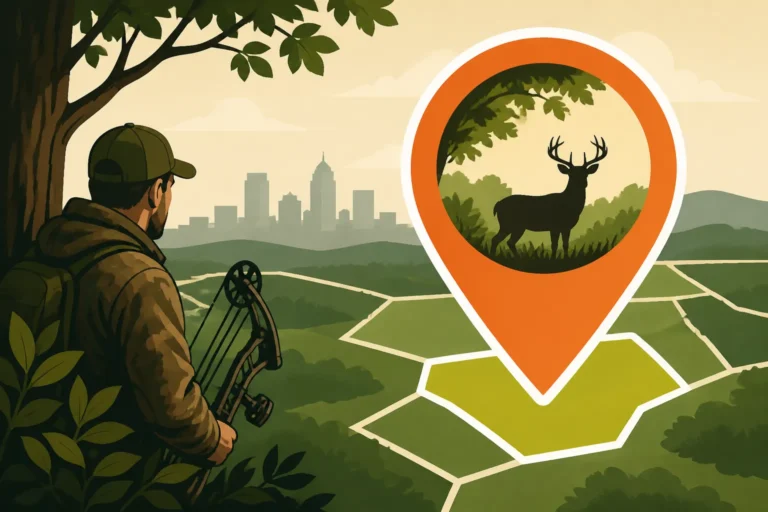
In today's hunting world, digital mapping applications are absolutely invaluable, especially when you're trying to pinpoint small public parcels in a mostly private landscape. Tools like onX Hunt are a game-changer for navigating the complexities of land ownership.
With onX Hunt (or similar apps like GoHunt), you can overlay property lines onto detailed aerial photography, immediately showing you who owns what. This is crucial for Wilcox County. You can zoom in and identify state-owned land, national forest inholdings (though less common in this specific area), or even small parcels that might be managed by local government or state agencies. These apps allow you to:
- Identify Public vs. Private: This is the most critical function. You can instantly see property boundaries and landowner information, preventing accidental trespass.
- Scout from Afar: Before you ever set foot in the woods, you can use satellite imagery to identify potential hunting spots like creek bottoms, thickets, logging roads, and openings. This saves you valuable time and effort.
- Mark Waypoints: You can drop pins for potential stand locations, entry and exit routes, or even areas where you find promising sign during scouting.
- Track Your Movement: The GPS functionality ensures you know exactly where you are in relation to property lines, especially important in dense cover or river bottom areas.
Don't underestimate the power of these tools. They are your best friend when trying to locate and legally access the small, often irregular pieces of public land that characterize hunting opportunities in Wilcox County. Using the Outdoor Alabama App is also critical for checking current regulations and reporting harvests.
Decoding the Terrain: River Bottoms, Hardwood Pockets, and Thin Strips
Once you've identified a potential public tract in Wilcox County, your next step is to understand the terrain and habitat. This isn't typically vast, uniform timberland; it's often a mosaic of different cover types.
- River Bottoms: If your public access is along the Alabama River or one of its major tributaries, you’ll be hunting classic river bottom habitat. This means towering hardwoods – oaks, sweetgums, cypress – interspersed with dense undergrowth, sloughs, and oxbow lakes. These areas are magnets for deer, especially during the rut when bucks are cruising for does. They also provide crucial habitat for turkeys, which often roost in the tall trees, and are prime spots for feral hogs. Think about how Hunting Coastal Alabama River Swamps tactics might apply here. Access can be difficult due to wet ground, thick vegetation, and potential flooding, but the reward can be substantial.
- Hardwood Pockets: Even away from the main river, smaller public parcels might include isolated hardwood stands, particularly those on slightly higher ground within agricultural landscapes. These provide vital food sources (acorns) and cover. Scouting for Hunting After a Poor Acorn Year will be critical here, as deer movement will be heavily influenced by food availability.
- Thin Strips and Odd-Shaped Parcels: Many public parcels in private-land-dominated areas are irregular in shape – perhaps a narrow strip along a creek, an old abandoned right-of-way, or a small block surrounded by private fields. These can be challenging to hunt but often act as natural travel corridors for game. Deer will use these thin strips to move between larger blocks of cover or feeding areas on adjacent private land. Understanding Hunting a Funnel Between Two Creek Bottoms or how to set up along field edges can be key here.
| Public Land Characteristic | Description | Hunting Implications |
|---|---|---|
| Size | Typically smaller, fragmented parcels. | Requires more detailed scouting; focus on natural travel corridors and bottlenecks. |
| Location | Often along rivers/creeks, old rights-of-way, or isolated hardwood pockets within private farmlands. | Access can be challenging; consider boat access for river frontage. |
| Habitat | Dense river bottom hardwoods, thick undergrowth, sloughs, limited open areas. | Excellent cover and food sources for deer, turkeys, and hogs. |
| Pressure | Varies; easy-access spots see more, remote spots less. | Seek out areas requiring more effort to reach; look for subtle signs other hunters miss. |
| Boundaries | Critical to identify precisely due to surrounding private land. | Use mapping apps like onX Hunt religiously; be absolutely certain of your location. |
| Game Species | Primarily whitetail deer, wild turkey, and abundant feral hogs. Small game also present. | Diverse opportunities, but focus on species thriving in dense, sometimes wet, habitat. |
Tactics for Success on Wilcox County's Public Tracts
Hunting these smaller, often more rugged public land areas in Wilcox County requires a blend of patience, persistence, and strategic thinking. It’s not always about sitting on a perfectly manicured food plot; it's about understanding how game uses these pockets and adapting your approach.
Hunting Pressure and Outsmarting Other Hunters
Let's be realistic: if a public land spot is easy to access and well-known, it's going to see pressure. Even in the Black Belt, hunters are looking for any advantage. The key to success on Wilcox County public land, especially if it’s a smaller tract, is often to hunt where others aren't willing to go, or to approach an area differently.
- Go Deeper, Go Harder: If there's an interior section of a public tract that requires a longer walk, a creek crossing, or navigating through particularly dense cover, that's often where you'll find less pressured animals. Deer, especially mature bucks, quickly learn to avoid areas with easy human access. Finding Ground Others Walk Past is crucial.
- Utilize Water Access: If you're hunting along the Alabama River, consider accessing your spot by boat or canoe. This not only opens up new areas that are unreachable by vehicle but also allows for stealthier entry and exit, especially into thick river bottom cover.
- Hunt the Edges Differently: While edges often concentrate deer, consider setting up just inside the public land boundary, watching what's happening on the private land. Deer frequently stage in thick public cover before moving onto private fields at dawn or dusk. Conversely, they’ll retreat back to thick public cover when disturbed. Look for Entry Routes Through Standing Peanuts or Hunting a Standing Soybean Field on the private side, then find the corresponding travel corridor on the public parcel.
Remember, the deer and turkeys on these public lands are often interacting with game on the surrounding private property, meaning they're likely to be pressured and wary. Your tactics need to reflect that intelligence.
Targeting Key Species: Deer, Hogs, and Turkeys in Limited Space
Wilcox County public lands, even the small ones, can offer excellent opportunities for deer, turkey, and feral hogs. Each species requires a slightly different focus.
- Deer: In the dense river bottoms and hardwood pockets, focus on natural funnels, pinch points, and cover transitions. During the rut, these areas can be incredible, as bucks will scent-check thickets and travel corridors. Look for fresh rubs and scrapes, especially along old logging roads or deer trails running parallel to the river. Consider rattling or grunting, but adjust your Rattling Volume in Thick Pine Cover or Grunt Calls in Mature Alabama Timber for the specific habitat. Pay close attention to available food sources – acorns in fall, green browse in winter. Remember, Alabama Deer Season Structure Explained is critical, and you must adhere to Alabama's Five Deer Zones and antler restrictions for your specific area.
- Feral Hogs: Hogs are abundant in the river bottoms and anywhere there's dense cover and food. They are often less affected by hunting pressure than deer or turkeys and provide a year-round hunting opportunity. Look for rooting, wallows, and fresh tracks near water or in thickets. They often travel established trails, so scouting for these can yield results. Night hunting is legal for hogs on private land with landowner permission, but on public land, check specific WMA or public land rules for Night Hog Hunting Light Rules in Alabama or Alabama Feral Hog Trapping Rules.
- Wild Turkeys: While the Black Belt holds fantastic turkey populations, hunting them on small public tracts can be challenging due to the limited ground. Focus on roosting areas – often the tallest trees along the river or in a hardwood bottom – and try to get close before fly-down. Understanding Calling an Alabama Gobbler Off the Roost is crucial here. Use run-and-gun tactics to cover ground if the birds are on the move. Listen for gobbling and try to get ahead of the bird. Be mindful of Alabama Turkey Bag Limit Rules and ensure you're aware of Alabama Zone 1 Turkey Season Rules versus other zones.
Rules, Ethics, and Preparation for Your Wilcox County Public Hunt
Hunting public land anywhere, especially in a region like the Black Belt where private land dominates, comes with a heightened responsibility. You need to be meticulously prepared and acutely aware of your surroundings and the regulations.
Understanding Alabama's Regulations and Reporting
Before you even think about heading into the woods, you need to be squared away with your licenses and know the rules inside and out. Alabama has clear guidelines that apply statewide, but some specific public land areas might have additional restrictions.
- Licenses and Permits: You'll need a current Alabama hunting license. Depending on what you're hunting, you might also need an Alabama State Duck Stamp, a Federal Duck Stamp, or an HIP certification. Understanding Alabama Hunting Licenses and What They Cost is your first step. Remember that if you’re a nonresident, your license structure and costs will be different.
- Deer Zones and Bag Limits: Alabama is divided into five deer zones, each with its own season dates and antlerless deer limits. It’s absolutely essential to know which counties sit in Alabama's five deer zones and what the antler restrictions are for your specific zone. Wilcox County is typically in Zone B, which has specific regulations for doe harvest. You'll also need to know Alabama's Three-Buck Season Limit and how that applies.
- Game Check Reporting: This is non-negotiable for deer and turkeys. Every deer and turkey harvested in Alabama must be reported through the Game Check system. You can do this online, via a mobile app, or by phone. Familiarize yourself with Alabama Deer Reporting Rules and the process. This isn't just a suggestion; it's the law, and failure to comply can result in fines.
- WMA Specific Rules: If you happen to find a small tract that is a WMA or part of one, it will have its own set of rules regarding dates, legal weapons, stand types, and potentially even sign-in requirements. Always check the official Outdoor Alabama WMA map and regulations for the specific area before you go. The WMA permit is also a requirement for these areas.
Ignorance of the law is never an excuse. Always double-check the current Alabama Hunting & Fishing Digest before your trip.
Being a Responsible Public Land Hunter
When you’re hunting a small piece of public land surrounded by private property, your actions reflect on all public land hunters. Being a good steward and neighbor is paramount.
- Know Your Boundaries: This cannot be stressed enough. Always use your mapping app to verify you are on public land. Crossing onto private property without permission, even accidentally, is trespassing and can result in severe penalties and give all hunters a bad name. Before you leave home, identify Finding Alabama Property Lines clearly on your map. It's often helpful to save offline maps on your device, as cell service can be spotty in remote areas of Wilcox County.
- Leave No Trace: Pack out everything you pack in. This includes trash, spent shell casings, and any flagging tape or markers you use. Leave the area cleaner than you found it. Respect for the land ensures continued access for everyone.
- Respect Private Property: Even if you're legally on public land, be mindful of adjacent private property. This means no shooting onto private land, no retrieving game from private land without permission, and generally keeping a low profile. Building good relationships with local landowners, even if you’re just passing through, can go a long way. This is particularly important with regards to What Alabama Trespass Law Requires.
- Safety First: Always follow basic firearm safety rules. Be aware of other hunters, especially if the public tract is small. Wear blaze orange or blaze pink when required, as outlined in How Much Blaze Orange Alabama Requires. Let someone know where you are going and when you expect to return. Carry a first-aid kit, water, and enough supplies for your hunt. The Black Belt can be remote, and help may be a long way off.
Hunting in Wilcox County, Alabama, on public land might not be as straightforward as a trip to a large national forest, but with diligent research, the right tools, and a responsible approach, it can yield incredibly rewarding experiences. The quality of game in the Black Belt is undeniable, and finding those hidden pockets of public access allows you to tap into that potential.
Disclaimer
This article is for general informational purposes only and does not constitute professional advice. Laws, prices and regulations vary by location and change over time. Consult a qualified professional for guidance on your specific situation.