Sumter County Public Land for Deer
If you've ever dreamt of chasing a trophy buck in Alabama's legendary Black Belt, but found yourself staring at endless "No Trespassing" signs, you're not alone. Finding public land for deer hunting in counties like Sumter, rich with prime habitat but heavily dominated by private ownership, can feel like searching for a needle in a haystack. This guide is here to help you navigate those challenges, uncover the hidden opportunities, and equip you with the knowledge to make the most of public land deer hunting in Sumter County.
The Unique Challenge and Reward of Hunting Deer in Sumter County
Sumter County, nestled squarely in Alabama's famous Black Belt region, is renowned for its fertile soils, abundant agricultural fields, and the potential to produce some truly exceptional whitetail deer. This isn't just folklore; the rich nutrition in the soil translates directly into healthier deer and the potential for impressive antler growth. However, this same abundance is precisely why so much of the land is privately owned and tightly managed, making public access a significant hurdle for many hunters.
Understanding the Black Belt's Influence on Deer Quality
The Black Belt's namesake comes from its crescent-shaped band of dark, calcareous soil, which is exceptionally fertile. This isn't just good for growing cotton or soybeans; it's fantastic for growing deer. The forages are richer in minerals, leading to larger body sizes and, critically for many hunters, bigger antlers. When you combine this with good age structure – often a byproduct of managed private lands – you get a recipe for quality deer. While public lands may not always offer the same level of stringent management as private hunting clubs, the inherent genetic and nutritional advantages of the region still mean that any deer you encounter here, even on public ground, can be an impressive animal. Understanding Why the Black Belt Grows Big Bucks helps put the potential into perspective.
The Reality of Limited Public Access
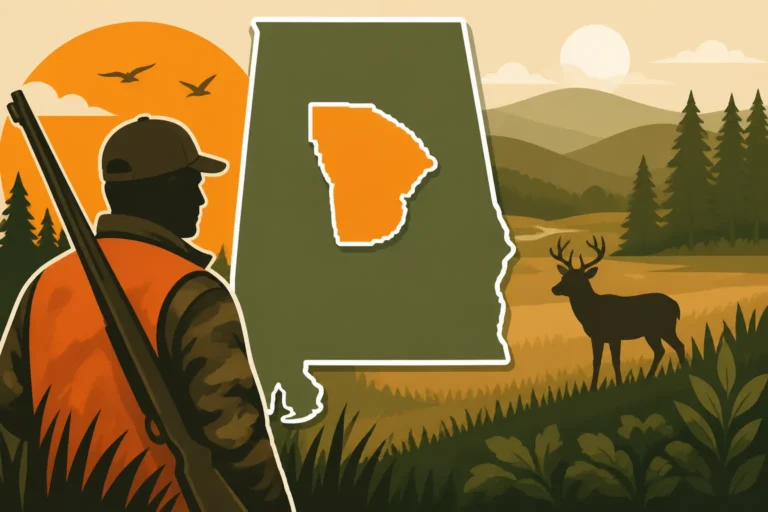
Let's be honest, finding vast tracts of public hunting land in Sumter County is a challenge. Unlike some northern Alabama counties with large national forests, much of the Black Belt is a patchwork of private farms, timber company leases, and established hunting clubs. This means hunters seeking public opportunities need to be more resourceful, more patient, and often, willing to work harder to find those smaller, less obvious spots. The frustration is real when you drive for miles through prime deer country only to see "Private Land" signs everywhere. But don't let that deter you; the smaller, often overlooked parcels can sometimes hold pockets of undisturbed deer if you know how to find them and hunt them smart.
Identifying and Accessing Public Hunting Opportunities
While massive public tracts might be scarce, opportunities do exist. Your approach to finding public land in Sumter County needs to be strategic, focusing on identifying smaller state-managed areas, river access points, and sometimes, less obvious county or municipal lands. This is where your mapping tools and keen scouting eye really come into play.
Utilizing Wildlife Management Areas and State Lands
Sumter County itself might not boast an enormous, dedicated WMA covering tens of thousands of acres, but it is adjacent to or influenced by several regional public land options. While not directly in Sumter, understanding the network of Alabama Wildlife Management Areas is crucial. You'll need to check the Alabama Department of Conservation and Natural Resources (ADCNR) website for any specific WMAs or smaller state-owned tracts that might fall within or very close to Sumter's borders. Sometimes, these are smaller, less publicized parcels acquired for conservation purposes that allow public hunting. These often fly under the radar of most hunters, presenting a unique opportunity for those willing to do their homework. Always double-check the specific regulations for any WMA or state land, as they can differ significantly from statewide rules regarding seasons, weapons, and harvest limits.
River Access and Potential Hunting Along Waterways
Sumter County is blessed with significant river systems, most notably the Tombigbee River and its tributaries. These waterways often create corridors of public access, even if the surrounding land is private. River bottoms, especially those with dense cover and mature hardwoods, are natural travel routes and bedding areas for deer. Public boat ramps and river access points can open up opportunities to hunt areas that are otherwise inaccessible by road. You might be able to find small strips of publicly owned land along the riverbanks, or state-owned islands. Always exercise extreme caution when navigating rivers, especially during hunting season, and be absolutely certain of property lines when hunting from the water or disembarking onto land. A tool like onX Hunt becomes invaluable here, as it clearly delineates public and private parcels, allowing you to confidently identify legal hunting ground, even in tricky riverine environments. Look for areas where these rivers create natural funnels or where public land extends into rich bottomland habitat.
The Role of Mapping Applications and Scouting
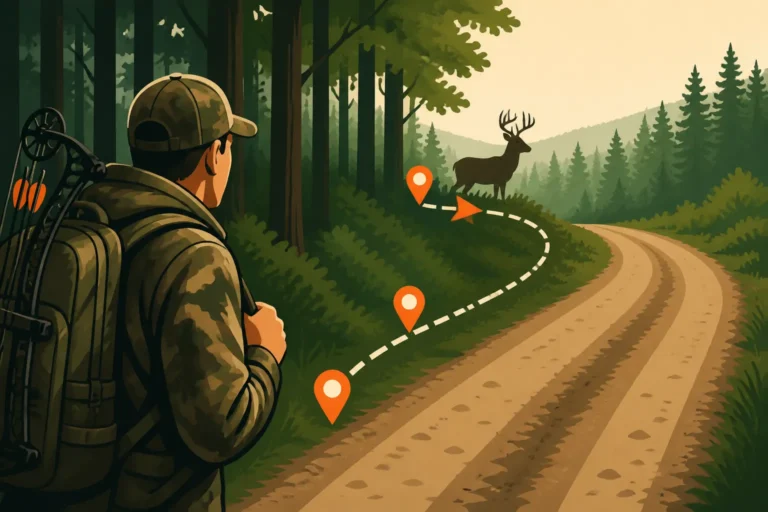
This is where modern technology shines. Forget relying solely on paper maps; a robust mapping app is your best friend when trying to locate public land in a highly privatized county. Both onX Hunt and GoHunt offer detailed plat maps that overlay public and private land boundaries right on your phone or tablet. You can zoom in, identify small public parcels, and even scout remotely before you ever step foot on the ground.
Here’s how to use them effectively:
- Boundary Layers: Turn on the public/private land ownership layers. Look for any green-shaded areas (public) or specific color codes for state-owned lands within Sumter County. Don't be discouraged if they're small; a few acres of unpressured public land can be gold.
- Topography and Satellite Imagery: Once you identify a public parcel, switch to the satellite or topographic view. Look for key deer habitat features: dense thickets, creek bottoms, old logging roads, powerline cuts, and transitions between different types of cover. Deer often gravitate to the thickest cover on public land to escape pressure.
- Access Points: Identify potential access points, even if they're not official parking areas. Sometimes, an old logging trail or a utility easement can provide entry. Always respect private property and access public land legally.
- Road Closures: Many public lands, especially smaller tracts, might have restricted vehicle access. Use your mapping app to determine how far you'll need to walk from the nearest public road. Remember, the deeper you go, the less pressure you're likely to encounter.
A thorough digital scouting session can save you countless hours of driving and knocking on doors, pinpointing the most promising areas before you ever put boots on the ground. Scouting Alabama Public Land Before Season is a critical step, and these apps are the digital scouting tools you need.
Strategies for Success on Limited Public Land
Hunting deer on limited public land, especially in a county like Sumter where pressure can be a factor, requires a different mindset and approach compared to a vast, lightly hunted tract. You need to be adaptable, stealthy, and willing to work harder than the next hunter.
Prioritizing Stealth and Minimizing Pressure
On smaller public parcels, deer are acutely aware of human presence. Any noise, scent, or visible movement can send them packing to private property.
- Access Routes: Plan your entry and exit routes meticulously. Avoid walking through bedding areas or high-traffic zones during your approach. Use natural cover, creek beds, or ditches to mask your movement.
- Wind Direction: Always hunt with the wind in your favor. On small tracts, deer often circle downwind to detect predators, and a swirling wind can ruin your hunt quickly. Wind and Thermals on a Piedmont Ridge principles apply even in flatter Black Belt country, especially near river bottoms or breaks in terrain.
- Scent Control: Employ a rigorous scent control regimen. Shower with unscented soap, wash your hunting clothes in scent-free detergent, and store them in airtight containers. Use scent-eliminating sprays before and during your hunt.
- Quiet Gear: Ensure all your gear is quiet. No jingling zippers, squeaky treestand parts, or noisy calls. Every little sound can be amplified in quiet woods.
Targeting Overlooked Terrain Features
Deer on pressured public land often seek refuge in areas other hunters overlook or are unwilling to access. These can be your hotspots.
- Thick Cover: Look for the nastiest, thickest cover on the public parcel – briar patches, regenerating clear-cuts, dense pine plantations, or choked-out creek bottoms. These are natural bedding areas and sanctuaries. Most hunters prefer open woods, so capitalize on their aversion to the thick stuff.
- Transition Zones: Deer love edges. Hunt where two different habitat types meet, like a pine plantation bordering a hardwood bottom, or a swamp edge meeting a field. These are natural travel corridors.
- Funnels: Identify natural funnels created by terrain, water, or dense cover. A narrow strip of woods between a river and a field, or a saddle between two ridges, can concentrate deer movement. Hunting a Funnel Between Two Creek Bottoms is a classic tactic that works.
- Water Sources: Even in the Black Belt, a reliable water source can be a magnet for deer, especially during dry spells. Secluded ponds, sloughs, or stretches of creek can be excellent ambush points.
Adapting to Hunting Pressure
You can almost guarantee that any accessible public land in Sumter County will see some hunting pressure. Your success often hinges on how well you adapt to it.
- Mid-Week Hunts: If possible, hunt during the week when pressure is typically lower than on weekends.
- Late Season: As the season progresses, many hunters give up or switch locations. Late-season hunting, particularly when deer are focused on remaining food sources, can be incredibly productive. Hunting Into the Late February Either-Sex Window can offer great opportunities.
- Deep Access: The further you're willing to walk, the less pressure you'll likely encounter. Most hunters stick close to roads and easy access points. Don't be afraid to put in the extra mile.
- Post-Pressure Behavior: After heavy pressure, deer often become more nocturnal and hold tighter to cover. Adjust your hunting times (early morning, late evening) and focus on bedding areas near feeding zones. They might just get up for a quick bite before dark.
Essential Gear and Preparedness for Sumter County Deer Hunting
Being prepared is non-negotiable, especially when hunting public land where you might be far from help. Beyond your weapon of choice, certain gear and preparations are crucial for a successful and safe hunt in Sumter County.
Licenses, Tags, and Regulations
First and foremost, you need to be legal. Ensure you have all the necessary Alabama hunting licenses and tags. Check the ADCNR website for current regulations, as rules can change annually.
- Alabama Hunting Licenses: Make sure you have the appropriate Alabama Hunting Licenses and What They Cost. Non-residents will need to purchase a different license than residents, and often specific big game tags are required.
- Deer Reporting: Alabama has a mandatory deer reporting system (Game Check). You must report your harvest within 48 hours. Know how to do this before you go afield. Reporting a Deer Through Game Check is essential.
- Zone Regulations: Sumter County falls within a specific deer zone, and regulations on antlered and unantlered deer can vary by zone. Double-check the Alabama Deer Season Structure Explained and specifically Finding Which Zone Your Alabama County Sits In to ensure you understand bag limits and season dates for your area.
- Blaze Orange: Public land often requires blaze orange, especially during gun season. Know the specific requirements for how much blaze orange you need to wear for safety.
Crucial Gear for the Black Belt Public Land Hunter
Beyond your rifle, shotgun, muzzleloader, or bow, these items are essential for hunting in Sumter County:
| Item | Why It's Crucial |
|---|---|
| Mapping App | onX Hunt or GoHunt for property lines, satellite imagery, GPS, and marking waypoints. Your primary scouting tool. |
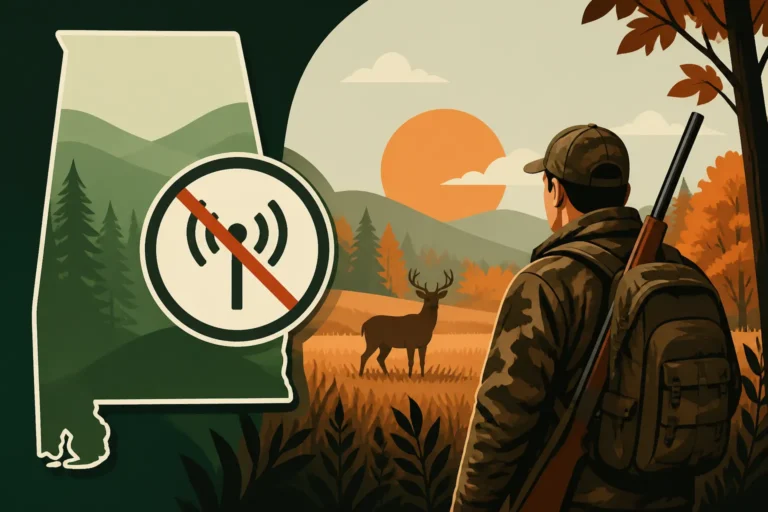
| Compass & Paper Map | Backup navigation in case of phone battery failure or no signal. |
| Headlamp/Flashlight | For pre-dawn walks in and post-dusk walks out. Essential for safety and blood trailing. |
| First-Aid Kit | Accidents happen. Be prepared for cuts, scrapes, snake bites, or other emergencies. |
| Water & Snacks | Especially crucial in Alabama's often warm early and late season. |
| Rain Gear | Weather can change quickly. Stay dry to stay comfortable and safe. |
| Knife/Field Dressing Kit | For processing your deer quickly and efficiently in the field. |
| Drag Rope/Cart | If you're successful, you'll need a way to get your deer out, possibly over rough terrain. |
| Game Bags | To protect your venison from flies and dirt, especially important in warmer Alabama weather. |
| Battery Bank | To recharge your phone/GPS unit in the field. |
Environmental Considerations
Alabama weather can be unpredictable. Early season hunts can be very warm, requiring light clothing and extra hydration. Late season can bring cold snaps. Always check the forecast and dress in layers. Be mindful of snakes and insects, especially ticks and mosquitoes. Snake boots are a wise investment for deep woods hunting, particularly in the warmer months. When Tracking a Deer Through Alabama Pine Straw or thick cover, staying aware of your surroundings is paramount.
Hunting public land in Sumter County, Alabama, is not always easy, but the satisfaction of finding success in such a challenging environment is immense. With thorough preparation, smart scouting, and a strategic approach, you can unlock some fantastic deer hunting opportunities in the heart of the Black Belt.
Disclaimer
This article is for general informational purposes only and does not constitute professional advice. Laws, prices and regulations vary by location and change over time. Consult a qualified professional for guidance on your specific situation.