Opening Weekend Crowds on Alabama Public Land
There’s nothing quite like the anticipation of opening weekend for deer season in Alabama. The cool morning air, the smell of pine and damp earth, the promise of a big buck stepping out of the shadows. But for many hunters, especially those relying on our precious public lands, that dream often clashes with the reality of packed parking lots, competing calls, and the feeling that you’re sharing your stand with half the county. This guide is all about understanding why opening weekend on Alabama public land can be such a madhouse and, more importantly, how you can navigate those crowds to find some peace – and maybe even a buck – of your own.
Understanding the Opening Weekend Rush on Alabama Public Land
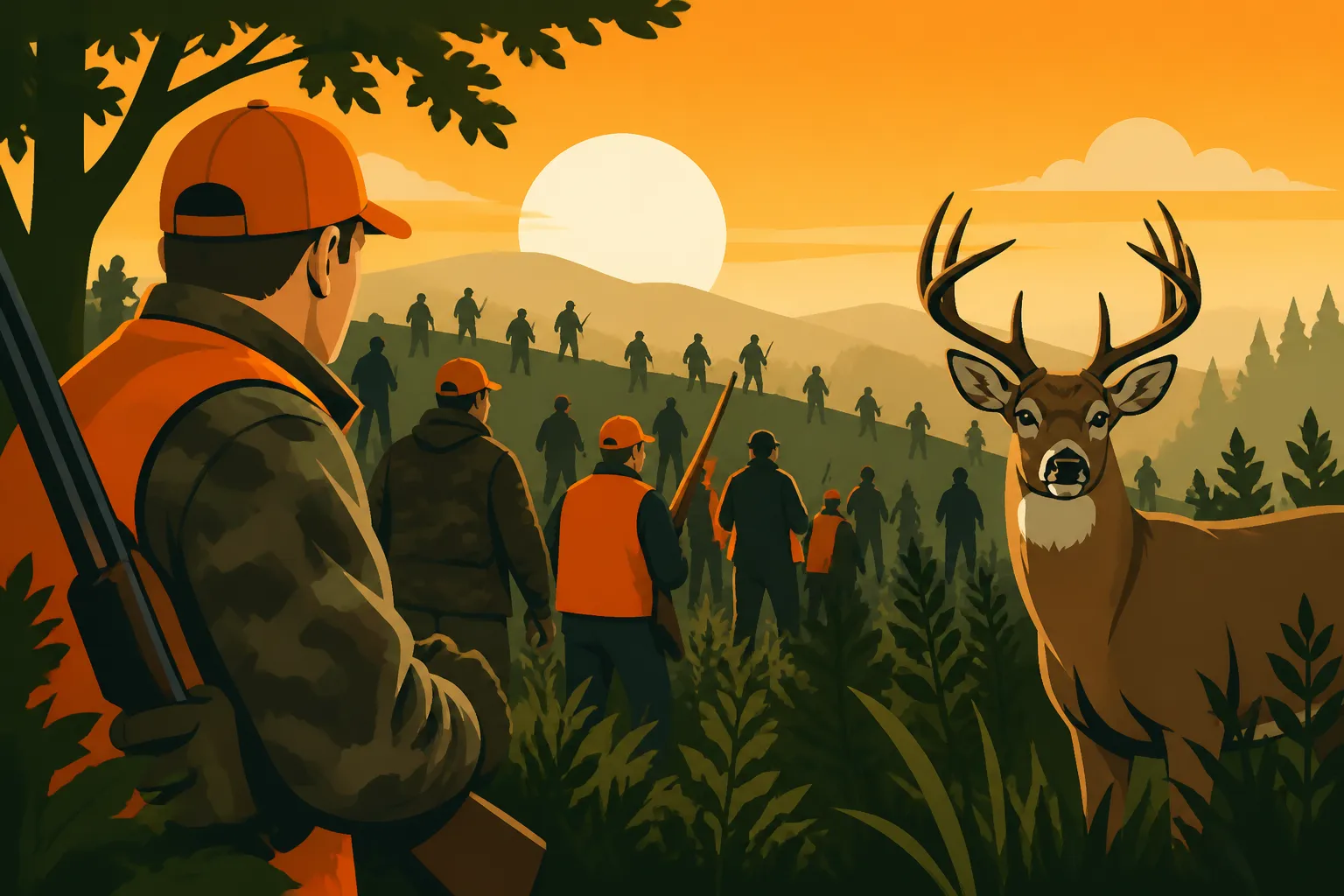
That first Saturday morning of deer season in Alabama is almost a holiday for many of us. We’ve been waiting all year, dreaming of it. But with that enthusiasm comes a surge of hunters, all heading for the same places. Public land, by its very nature, is open to everyone, and that’s both its greatest strength and its biggest challenge when thousands of hunters descend at once.
Why Public Lands Become Hotbeds of Activity
It's simple supply and demand, really. Alabama boasts some incredible public hunting opportunities, from vast National Forests like Talladega and Bankhead to our many Wildlife Management Areas (WMAs). These lands represent a lifeline for hunters who don't have access to private property or who simply love the challenge of public land hunting. However, when the gates swing open on opening day, every hunter with a license and a little bit of ambition often heads to the most accessible points. These are the spots they know, the places they can reach with a quick walk from the truck. This creates natural bottlenecks – popular food plots, easy-to-reach creek bottoms, or well-known ridge lines that have produced in the past. It’s not that these areas don’t hold deer; it’s that they hold a lot of hunters, often pushing the deer into less accessible, thicker cover right from day one.
The Psychology of the "First Day" Hunter
There’s a unique mindset that drives the opening weekend crowd. For many, it's about tradition, the camaraderie of being out there with friends or family, and the sheer excitement of finally being in the woods after a long off-season. Some hunters feel they have to be there on day one, believing it's their best chance at a deer before the animals get "educated." And, let's be honest, there's a certain thrill in being part of that collective experience, even if it means sacrificing some solitude. But this collective drive means that everyone, from seasoned veterans to brand-new hunters, is often converging on the same limited resources, leading to situations where you might hear other hunters walking in before daylight, or even worse, find someone already set up in "your" spot. It’s a frustrating reality that can sour the whole experience if you’re not prepared for it.
Common Signs of High Hunter Pressure
You don't always need to see another truck to know a spot is getting hammered. Sometimes, the woods tell you everything you need to know. Fresh boot tracks on the trail, even if it rained recently, are a dead giveaway. You might find discarded snack wrappers or empty shell casings, unfortunately. The absence of fresh deer sign in otherwise prime areas can also indicate heavy pressure – the deer have simply moved on to escape the disturbance. On opening day, it’s not uncommon to hear multiple shots throughout the morning, confirming that other hunters are nearby. Later in the morning, you might hear the tell-tale signs of hunters walking back to their vehicles, chatting loudly, or even blowing their grunt calls with an almost desperate cadence. Pay attention to these cues; they can inform your strategy for the rest of the day, or even the rest of the season. Hunting Pressure on Alabama Public Land often looks like this, and learning to read the signs can save you wasted time.
Strategic Scouting: Your Best Defense Against Crowds
The key to sidestepping the opening weekend frenzy isn't luck; it's preparation. The hunters who find success amidst the chaos are almost always those who have put in the work long before the season officially begins. Scouting isn't just about finding deer; it's about finding deer where other hunters aren't.
Pre-Season Homework with Mapping Tools
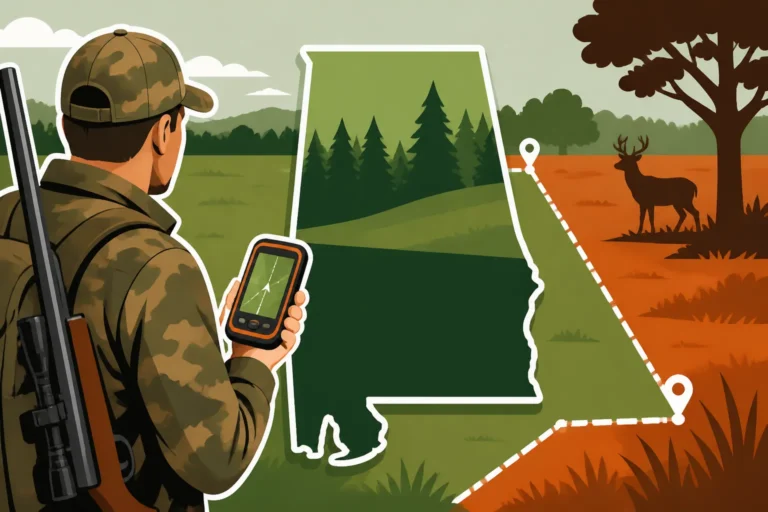
Before you ever set foot in the woods, the best scouting starts at home with a good mapping tool. Applications like onX Hunt or even tools like Google Earth are invaluable. They allow you to virtually "walk" the property, identifying potential access points, terrain features, and cover that might hold deer. Look for areas that are difficult to reach, perhaps requiring a longer walk, crossing a creek, or navigating dense thickets. These are the places that often get overlooked by hunters looking for an easy morning. Use the satellite imagery to spot subtle transitions – where a pine plantation meets a hardwood bottom, or a swamp gives way to higher ground. These "edge" habitats are deer magnets, but if they're a mile or two from the nearest parking lot, they're far less likely to be crawling with hunters on opening day. You can even use these tools to mark potential stand locations, exit routes, and areas to avoid. Remember to check onX Layers for Alabama Land Status to ensure you're always on public land and aware of any specific WMA boundaries or regulations.
Boots-on-the-Ground Reconnaissance
Once you've identified promising areas on your maps, it's time to hit the woods. Summer and early fall are perfect for this. Walk those long distances, climb those hills, and explore those thickets you marked on your screen. What looks like impenetrable cover on a map might be surprisingly navigable on foot, or vice versa. Look for actual deer sign – rubs, scrapes, tracks, and droppings. Pay close attention to trails, especially those leading into heavy cover or connecting different food sources. How fresh do they look? Are there parallel human tracks nearby? One of the biggest advantages of pre-season scouting is finding unpressured areas. If you find good deer sign but minimal human disturbance, you’re on the right track. This also gives you a chance to familiarize yourself with the topography in person, understanding how wind and thermals will affect your scent cone and how deer might travel through the landscape. Don't be afraid to Scouting Alabama Public Land Before Season thoroughly, covering multiple potential spots.
Identifying Overlooked Habitat and Access Points
The goal here is to find the "roads less traveled," both literally and figuratively. Most hunters will stick to established trails, logging roads, or the areas closest to easily accessible parking. Your mission is to find the spots that require a little more effort. This might mean identifying a remote parking area that only holds one or two vehicles, or finding a point of entry that requires a long, arduous hike, perhaps even skirting the edge of private land where public access is tight. Deer, particularly mature bucks, quickly learn to associate human presence with danger. They will often gravitate towards dense, uninviting cover during hunting season, even if it's not their preferred feeding area. Look for thick creek bottoms, isolated pockets of briars, clear-cuts with dense regrowth, or swamp edges that most hunters deem too much trouble to penetrate. These are often excellent spots to find deer pushed out by the opening day pressure. Remember, sometimes the "best" spot isn't where the most deer are, but where the most deer feel safe.
Tactics for Finding Solitude and Success
So, you’ve done your homework and found some promising spots. Now it’s opening morning. How do you execute your plan and actually find a peaceful, productive hunt? It often comes down to strategy and a willingness to do what others won't.
Going Deeper Than the Rest
This is arguably the most effective strategy for avoiding crowds on public land. Most hunters will venture anywhere from a few hundred yards to half a mile from their vehicle. If you're willing to walk a mile, two miles, or even more, you dramatically increase your chances of finding unpressured deer and, more importantly, solitude. This takes commitment, physical fitness, and careful planning. You'll need to pack light, but bring enough water, navigation tools (like your phone with onX Hunt, downloaded maps, or a dedicated GPS unit), and emergency supplies. Be mindful of your scent control, as a long walk can make you sweat. The extra effort often means you're getting into areas where deer feel more secure, and they might be moving more naturally. Consider a spot that requires a 45-minute hike in the dark before shooting light. By the time others are just parking their trucks, you're already settled into your stand, a mile or more away from the nearest human noise. This ties into How Far to Walk From a Forest Road – often, the farther, the better.
Leveraging Topography and Natural Barriers
Deer are masters at using the landscape to their advantage, and you should be too. Look for natural barriers that deter human traffic: steep ravines, wide creeks without easy crossings, dense swamps, or thick stands of pines that make walking noisy and difficult. These areas might be hard for you to navigate, but they're even harder for casual hunters, and they often become de facto sanctuaries for deer. Think about setting up on a bench halfway up a steep ridge, or in a hidden saddle that connects two dense draws. These are common travel corridors for deer trying to avoid detection. Similarly, creek bottoms can act as natural funnels, especially if the banks are steep or overgrown. Deer will often stick to the path of least resistance through dense cover, and if that path is away from human activity, even better. Understanding Wind and Thermals on a Piedmont Ridge or other localized conditions is crucial here to ensure your scent doesn't betray your position.
| Strategy Component | Description | Benefits for Avoiding Crowds |
|---|---|---|
| Deep Access | Walking 1+ miles from primary access points, often crossing difficult terrain. | Significantly reduces encounters; deer are less pressured and move more naturally. |
| Natural Barriers | Utilizing steep terrain, dense swamps, wide creeks as deterrents. | Funnels deer away from easy-access areas and provides natural sanctuaries. |
| Mapping & Scouting | Using onX Hunt/Google Earth to identify remote areas and actual ground recon. | Locates overlooked areas; confirms deer presence and minimal human sign before opening day. |
| Mid-Week Hunting | Hunting on Tuesday, Wednesday, or Thursday after opening weekend. | Drastically reduces hunter numbers; deer may return to more typical patterns after weekend pressure. |
| Thermals & Wind | Understanding how air currents move through specific terrain. | Allows for precise stand placement to avoid detection by deer, even if other hunters are around. |
Hunting Weekdays or Later in the Season
If the opening weekend madness just isn't your cup of tea, there’s no rule saying you have to hunt the first Saturday. Often, the best strategy for public land is simply to wait. Hunter numbers typically drop off significantly after the first weekend. Many folks have their one big weekend hunt, and then work, family, or other commitments pull them away. By waiting until a Tuesday or Wednesday, you'll often find parking lots nearly empty and the woods much quieter. The deer, having been pressured, might also start to settle back into more predictable patterns, albeit often deeper in cover. Similarly, targeting the late season, especially the Hunting Into the Late February Either-Sex Window in Alabama, can offer incredible opportunities. While the weather might be colder, many hunters have hung up their gear, and deer are often desperate for food sources, making them more visible. You might not get that "opening day thrill," but you'll certainly get more solitude and potentially a better quality hunt.
Beyond Opening Weekend: Exploring Other Opportunities
While opening weekend is often a mad dash, Alabama's hunting season is long, and there are plenty of other ways to find success and enjoyment on public lands, even when the crowds eventually thin out.
Focusing on Smaller or Less-Known Public Tracts
Not all public land is created equal in terms of hunter popularity. While the National Forests and major WMAs draw the lion's share of attention, Alabama also has numerous smaller public tracts, often less than a thousand acres, that get far less pressure. These can include smaller state-owned lands, utility easements, or even city/county-managed parcels that allow hunting. While they may not hold the "trophy buck" potential of larger tracts, they can be excellent for filling a tag, especially for does (where legal) or for simply enjoying a quiet hunt. The deer on these smaller parcels often exist in balance with human activity, using dense bedding cover adjacent to suburban areas or farmlands. Researching these smaller, local opportunities using resources like GoHunt, combined with your mapping apps, can reveal hidden gems. They might require a bit more effort to locate and confirm regulations, but the payoff in solitude can be well worth it.
Considering Different Species or Methods
Deer hunting isn't the only game in town, and broadening your horizons can be a great way to escape the opening weekend deer crowds. For example, Alabama offers fantastic Squirrel and Small Game Hunting in Alabama across its public lands. Squirrel season often opens earlier or coincides with deer season but attracts a different crowd, usually dispersed and less focused on sedentary stand hunting. Similarly, pursuing Feral Hogs Across Alabama is a year-round opportunity on private land and often has very liberal seasons on public lands, allowing you to hunt without the opening day pressure. Hog hunting often involves different tactics, like stalking or night hunting (where legal), which naturally spread out hunters. If you're passionate about spending time afield, diversifying your pursuits can keep you engaged and in the woods even when deer pressure is at its peak.
The Value of Private Land Permission (Even Small Parcels)
While this guide focuses on public land, it's worth a mention that gaining access to even a small private parcel can be a game-changer for avoiding crowds. Many hunters overlook smaller, seemingly less attractive pieces of private land – a 10-acre woodlot behind a farmer's pasture, a creek bottom between two housing developments, or an odd-shaped piece of timber a landowner doesn't actively manage. These small parcels often receive minimal pressure and can act as incredible sanctuaries for deer pushed off larger tracts. A friendly conversation, an offer to help with chores, or a simple request can often open doors. Don't underestimate the potential of these overlooked private spots; they can offer a quiet, rewarding hunt when public lands are teeming with orange. Even Knocking on Doors in Black Belt Farm Country for permission on larger tracts can lead to unexpected opportunities that completely bypass the public land crush.
Disclaimer
This article is for general informational purposes only and does not constitute professional advice. Laws, prices and regulations vary by location and change over time. Consult a qualified professional for guidance on your specific situation.