Best Public Ground for Black Belt Quail
Finding wild bobwhite quail on public land in Alabama's storied Black Belt region can feel like searching for a needle in a haystack, especially with the challenges these birds face. This guide is designed to help you understand where to focus your efforts, what kind of habitat to look for, and practical strategies to increase your chances of finding one of Alabama's most iconic game birds on public ground.
The Elusive Black Belt Quail on Public Land
For many hunters, the thought of wild bobwhite quail brings back nostalgic memories of abundant coveys exploding from cover. However, those days are largely gone across much of Alabama, especially on public lands where intensive management for specific species like deer or timber production often doesn't align with prime quail habitat needs. It’s a real challenge, and it requires a different mindset than hunting other game. You’re not just looking for birds; you’re looking for the habitat that might hold them, and then hoping for the best.
Why Wild Quail Are Hard to Find
The decline of wild quail populations across the Southeast, including Alabama, is a well-documented and deeply frustrating issue for hunters. Decades ago, small family farms with diverse agricultural practices, fencerows, and patchy woodlands created a mosaic of ideal habitat. Today, larger-scale agriculture, urban sprawl, and changes in forestry practices have fragmented or eliminated much of that prime quail country. Alabama's Historic Quail Decline is a somber read for anyone who remembers the good old days. On public land, the pressure of recreational use, combined with management goals that might prioritize timber volume or deer browse, can inadvertently limit the complex, multi-layered cover and food sources that quail absolutely need to thrive.
Finding truly wild quail on public land means setting realistic expectations. You're probably not going to encounter massive coveys every hundred yards. Instead, you'll be looking for remnant pockets of habitat, areas that might not be managed specifically for quail, but happen to provide the right conditions. This makes every bird, and especially every covey, a hard-earned trophy. It's a testament to persistence and a deep understanding of habitat rather than sheer numbers.
The Importance of Habitat for Quail
If you want to find quail, you have to understand their address. Quail are creatures of specific, high-quality habitat, and without it, they simply won't be there. They need a year-round supply of dense nesting cover, escape cover from predators (both aerial and ground-based), readily available food sources like seeds and insects, and bare ground for dusting and travel, all within a relatively small home range. Think of it as a neighborhood for birds: they need a bedroom, a dining room, and an escape route, all within easy reach.
The ideal quail habitat often looks "messy" to the untrained eye – native grasses, forb-rich fields, thinned pine stands with open understories, and shrubby thickets. Critically, these areas need consistent disturbance, usually through prescribed burning, to prevent the habitat from becoming too dense or woody. How Managed Pine Restored Black Belt Quail delves into this, showing how targeted forestry practices are crucial. Without regular fires or mechanical clearing, the diverse vegetation that quail depend on for food and cover gets choked out by hardwoods and dense undergrowth, making it essentially a biological desert for these birds. It's a continuous cycle, and finding public lands that actively manage for this cycle is key.
Identifying Potential Public Quail Habitat
Given the scarcity of wild quail, your scouting efforts need to be laser-focused on identifying habitat. This isn't just about looking for tracks; it's about looking for the right type of dirt, plants, and cover. It's detective work before you even step foot in the woods with your shotgun. You're trying to read the landscape like a quail, understanding where they would nest, feed, and hide from predators.
Key Habitat Features to Look For
When you're searching for quail habitat, whether from an aerial map or on the ground, you need to develop an eye for specifics. First, look for open pine woodlands, particularly longleaf pine, that have been regularly burned. This creates a park-like understory of native grasses and forbs. Next, seek out early successional areas, such as old clear-cuts that are 3-7 years old and have grown up in dense briars, young pines, and native weeds, rather than thick, impenetrable saplings. These provide excellent cover. Field edges where agricultural fields meet forest, especially if the edges aren't heavily mowed or sprayed, can be productive. Look for shrubby thickets and plum groves, which offer crucial escape cover, often near water sources or natural drainage areas. Finally, brushy fence rows can act as mini-corridors for quail movement, especially if they connect larger blocks of suitable habitat.
It’s often these overlooked, slightly scruffy spots that hold the most promise. Don't discount areas that look a little wild and untamed; often, that's exactly what a quail covey is looking for.
Utilizing Mapping Tools for Scouting
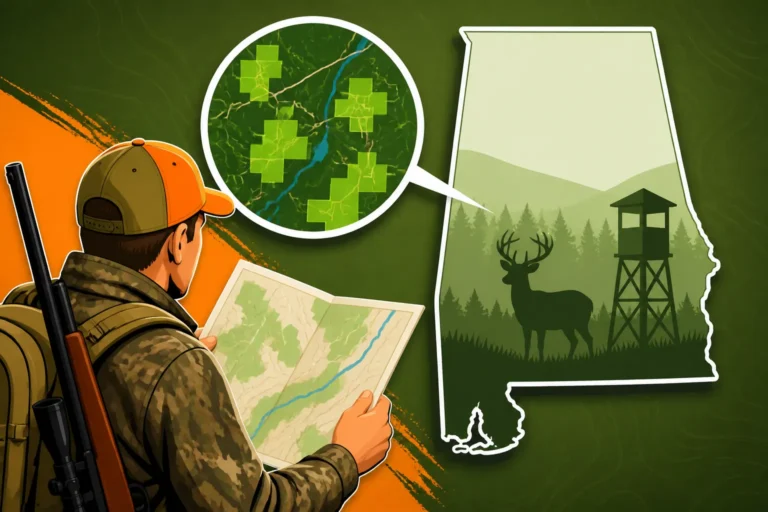
In today's hunting world, mapping tools are your best friend for finding public land quail. Platforms like onX Hunt or GoHunt are invaluable for armchair scouting before you ever set foot on the ground. Start by identifying large tracts of public land in the Black Belt, such as Wildlife Management Areas (WMAs) or National Forests. Then, zoom in and use the satellite imagery and various map layers. Look for features like:
- Burn history: Some mapping apps have burn history layers or you can often find WMA burn schedules online. Freshly burned areas, especially those burned within the last year or two, can quickly develop excellent quail habitat.
- Timber cuts/regrowth: Look for areas that appear to have been recently clear-cut or thinned. Overgrown clear-cuts (check the date if available) can turn into prime early successional habitat.
- Openings and fields: Identify existing clearings, old farm fields, or powerline rights-of-way. These often hold the native grasses and forbs that quail rely on.
- Water sources: Small creeks, drainage ditches, or pond edges can provide important cover and food.
By using these tools, you can highlight potential quail "hot spots" on your map, saving you countless hours of walking unproductive ground. It helps you focus your limited time on areas with the highest probability. Mark these areas, then use them as starting points for your boots-on-the-ground exploration. Using the Outdoor Alabama Map Tool is a great resource to learn how to navigate the state's official mapping resources, which can complement what you find on commercial apps.
Here's a quick comparison of habitat features:
| Habitat Feature | What to Look For | Why It's Good for Quail |
|---|---|---|
| Open Pine Woodlands | Widely spaced pines, grassy understory, evidence of burns | Provides open travel lanes, seeds, insects, and nesting cover |
| Early Successional | Old clear-cuts (3-7 years), briars, young hardwoods/pines | Dense escape cover, diverse food plants, insect factory |
| Field Edges | Unmowed borders, weedy strips, uncultivated corners | Food sources (seeds), loafing cover, insect rich |
| Shrub Thickets | Plum thickets, dense brush, honeysuckle patches | Critical escape cover from raptors, thermal cover in winter |
| Brushy Fencerows | Unmaintained fencelines, woody cover | Movement corridors, supplementary cover, food sources |
Top Public Hunting Areas with Quail Potential
While finding wild quail on any public land in Alabama is a challenge, some WMAs in the Black Belt region are known for having better habitat management or simply possessing natural features that lend themselves to quail. These are not guarantees, but rather your best bets for finding pockets of this prized bird. Remember, even in these areas, success is measured in covey flushes, not necessarily limits.
Barbour Wildlife Management Area (WMA)
Barbour WMA is often cited as one of Alabama's premier areas for quail hunting opportunities, particularly for those seeking a wild bird experience. Located in Barbour County, this WMA has a long history of management practices that, whether directly or indirectly, benefit quail populations. They actively use prescribed fire and timber thinning, which is essential for creating the open understory and diverse ground cover that bobwhites need. You’ll find expansive pine forests here, and areas where these pines have been thinned or recently burned will be your best bet. Look for successional areas and edges where different habitat types meet.
The sheer size of Barbour Wildlife Management Area allows for plenty of exploration. Don't be afraid to walk deep into areas that might seem less appealing to deer hunters. While deer hunters often prefer dense cover, quail hunters need to seek out those more open, brushy, and grassy environments. It's often the less-traveled paths, the ones that seem a bit wilder, where you'll have your best chance. Be prepared for a lot of walking, and bring good dogs if you have them – they are truly indispensable here.
Prairie Creek Wildlife Management Area
Nestled within the Black Belt, Prairie Creek WMA offers another glimpse into potential wild quail hunting. This WMA, like Barbour, benefits from management efforts that sometimes align with quail needs, though it's important to always check current WMA regulations and habitat reports. Prairie Creek often features a mix of pine and hardwood forests, along with some open fields and bottomland areas. For quail, you'll want to concentrate on the pine stands that show signs of active management, such as thinning and prescribed burns.
The key at Prairie Creek, as with any WMA in the region, is to focus on diversity. Look for where different habitat types converge: a burned pine stand meeting an old field, or a fencerow bordering a thicket. These transition zones often provide the various elements a covey needs within a short distance. Again, an app like onX Hunt can help you visualize these transitions and identify potential areas to investigate. While the numbers might not be what they once were, the dedication to habitat improvement in WMAs like Prairie Creek offers a glimmer of hope for the dedicated quail hunter.
Interpreting ADCNR Quail Reports
The Alabama Department of Conservation and Natural Resources (ADCNR) often conducts surveys and produces reports on various game species, including quail. While specific covey counts for individual public lands might not be readily available, paying attention to statewide or regional trends, habitat management reports, and general population health indicators can offer valuable insights. For example, if ADCNR highlights increased prescribed burning efforts in a particular WMA, that's a good sign for quail. If they discuss initiatives focused on Quail Hunting Alabama's Black Belt as a whole, it means there's an active effort to improve conditions.
These reports won't tell you exactly where to find a covey, but they can guide your research into which public lands have a higher likelihood of sustaining quail populations due to ongoing habitat work. Sometimes, even listening to local biologists at public meetings or reading press releases about specific habitat projects can give you a leg up. It's all about gathering as much information as possible to refine your search.
Strategies for Hunting Public Land Quail
Once you've done your homework and identified potential areas, it's time to put boots on the ground. Hunting public land quail in Alabama requires patience, persistence, and usually, a good canine companion. It’s physically demanding and mentally challenging, but the reward of a wild covey flush is truly unmatched.
Walking and Working Dogs
This is where the rubber meets the road. Successful public land quail hunting in the Black Belt is almost entirely a walking game, and it’s a job best done with well-trained pointing dogs. These dogs are crucial for covering ground efficiently, scenting birds that might be invisible to the human eye, and holding them for a shot. Working Pointing Dogs on Black Belt Quail provides an excellent deep dive into this traditional and highly effective method. Without dogs, your chances drop dramatically, as quail are masters of camouflage and holding tight in cover.
Walk slowly and deliberately, covering ground systematically in your chosen habitat. Pay close attention to your dog's behavior, watching for any change in pace or demeanor that signals they are on scent. Follow fencerows, skirt the edges of thickets, and weave through open pine stands. Public land often means covering a lot of ground that doesn't hold birds to find the small pockets that do. This isn't a sit-and-wait hunt; it's an active search. Be prepared for briars, uneven terrain, and a good workout.
Timing Your Hunts for Success
Timing can play a significant role in your public land quail hunting success. Early season, when the weather is still mild, can be a good time before hunting pressure really picks up and before the cover becomes too dense with green growth. As the season progresses into late fall and early winter, colder weather might concentrate birds in thicker thermal cover, making them a bit more predictable. However, by this point, hunting pressure from other species (like deer, under Alabama Deer Season Structure Explained) might have pushed quail into even more secluded pockets.
Weekdays, as opposed to weekends, will almost always offer a less crowded experience on public land. This means less disturbance from other hunters, potentially giving the quail a chance to settle into their routines. Also, consider the weather. A crisp, clear day after a cold front can sometimes make birds more active and willing to move, which can be advantageous for your dogs to find scent. Always check the Alabama Small Game Season Rules and specific WMA regulations before heading out, as dates and bag limits can vary. Remember, every little advantage you can get matters when you're pursuing these incredible birds on public ground.
Disclaimer
This article is for general informational purposes only and does not constitute professional advice. Laws, prices and regulations vary by location and change over time. Consult a qualified professional for guidance on your specific situation.