Coastal Alabama Delta Waterfowl Access
Hunting waterfowl in Alabama's vast coastal delta is an experience unlike almost any other, but it can feel incredibly daunting for newcomers. The sheer scale of the Mobile-Tensaw Delta, with its intricate network of rivers, bayous, sloughs, and marshes, presents unique challenges when you're trying to figure out where to launch your boat, which areas are open to public hunting, and how to even begin scouting for ducks and geese. This guide will walk you through the ins and outs of accessing and successfully hunting the rich waterfowl grounds of coastal Alabama.
Understanding the Mobile-Tensaw Delta's Waterfowl Appeal
The Mobile-Tensaw Delta isn't just a big piece of water; it's a sprawling, dynamic ecosystem that's a critical stopover and wintering ground for countless migratory waterfowl. For hunters, this translates to incredible potential, but it also means navigating a complex and often unpredictable environment.
A Confluence of Rivers and Life
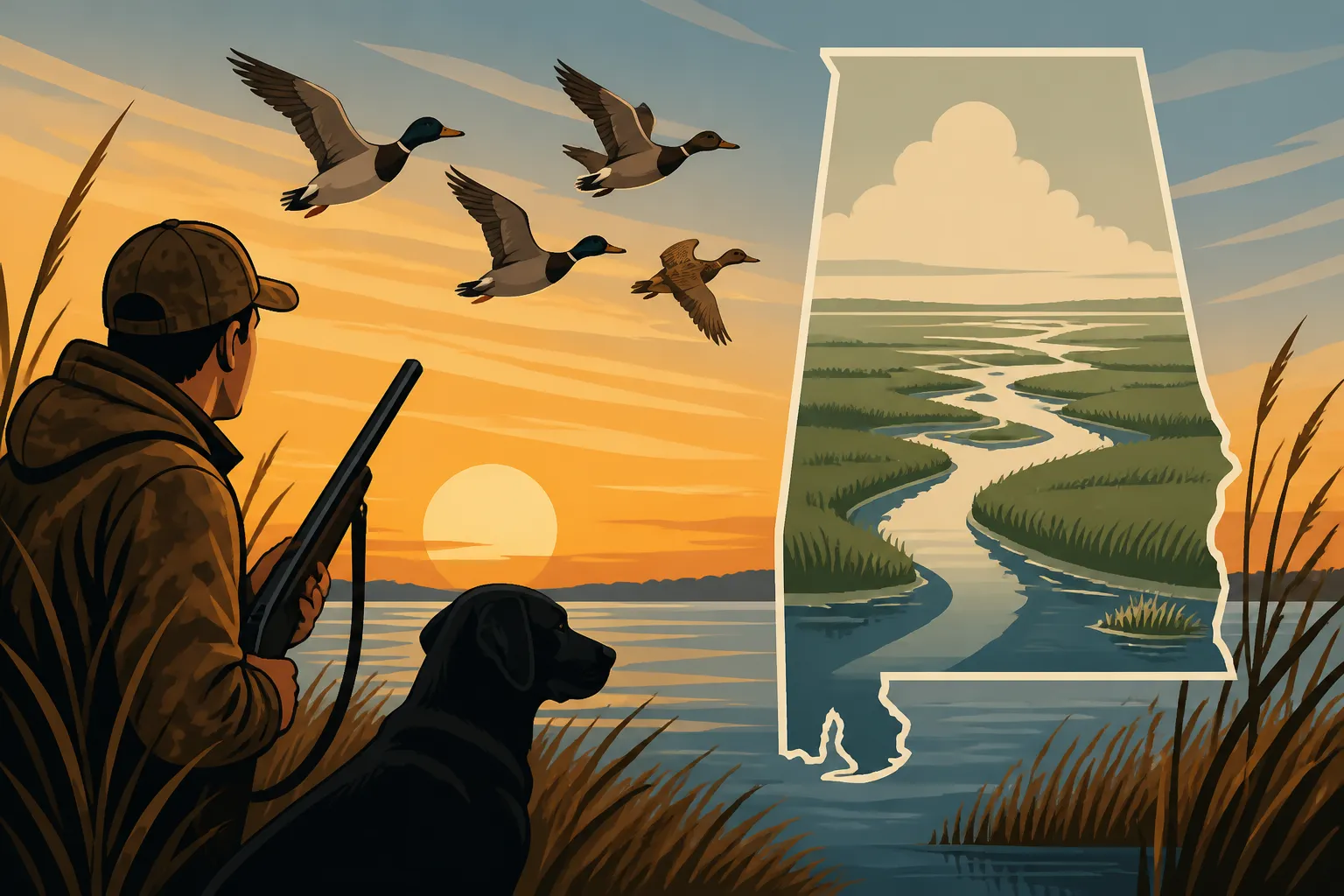
Imagine a place where five major rivers – the Mobile, Tensaw, Spanish, Blakely, and Apalachee – all converge before emptying into Mobile Bay. That's the heart of the Mobile-Tensaw Delta. This massive freshwater system, covering hundreds of thousands of acres, creates an incredibly diverse habitat. You've got everything from cypress-tupelo swamps and flooded timber to vast open marshes and tidal mudflats. Each of these micro-habitats attracts different species of ducks and geese, offering a smorgasbord of opportunities for the dedicated waterfowler. The constant flow of these rivers brings in nutrients, supporting a robust food chain that ducks absolutely feast on, especially throughout the cooler months. It's truly a natural wonder, and understanding its geography is the first step to unlocking its hunting potential.
Why Waterfowl Flock to the Delta
The sheer abundance of food and shelter is why the Mobile-Tensaw Delta is such a magnet for waterfowl. Ducks and geese migrating down the Mississippi Flyway find an ideal wintering haven here, particularly when northern waters freeze over. The delta offers a buffet of aquatic vegetation, seeds from various grasses and smartweeds, and even small invertebrates that dabbling ducks relish. Divers, on the other hand, can find deeper pockets of water with submerged vegetation and mollusks. The dense cover of the swamps and marsh grasses provides vital protection from predators and harsh weather, allowing birds to conserve energy during their long migration. This makes the delta a reliable destination year after year, though specific concentrations of birds will shift with water levels, food availability, and hunting pressure. Getting a handle on Alabama Waterfowl Zones and Seasons is crucial to planning your hunt around these migrations.
Key Public Access Points and WMAs in the Delta System
One of the biggest hurdles for any hunter, especially if you're new to the delta, is figuring out where you can actually go. Thankfully, Alabama offers significant public access, largely through its Wildlife Management Areas (WMAs) and various boat launches. But "access" in the delta often means getting your boat into the water, and then navigating to huntable ground, which isn't always right around the corner.
Mobile-Tensaw Delta Public Hunting Ground Overview
The Mobile-Tensaw Delta is home to one of Alabama's most significant public hunting opportunities: the Mobile-Tensaw Delta WMA itself. This isn't just one spot; it's a colossal area encompassing a huge portion of the delta system, managed by the Alabama Department of Conservation and Natural Resources (ADCNR). Hunting here generally requires a WMA license in addition to your standard state hunting license. When you look at a map, it can feel overwhelming, but breaking it down into accessible zones is key. Many hunters focus on areas like the Mifflin section, the Stockton section, or the Gravine Island area, each offering slightly different habitat types and access points. For instance, the upper delta tends to have more flooded timber, while the lower delta near the bay features more open marsh and brackish water. You'll need to know Alabama WMA Permit Requirement before you go.
Strategic Boat Ramps for Delta Access
Getting your boat into the delta is the first practical step. There are numerous public boat ramps that serve as gateways to these vast hunting grounds. Places like Bottle Creek, Gravine Island, Live Oak Landing, and the Causeway ramps (such as the Blakeley River Park ramp) are popular starting points. Each ramp offers access to different sections of the delta. For example, a ramp further upriver might be ideal if you're targeting flooded timber and dabblers, while a ramp closer to the bay could be better for divers in more open water. It’s important to remember that these ramps can get crowded, especially on opening day or prime weekends, so planning your launch time accordingly is a good idea. Knowing your preferred hunting area will dictate which ramp is most strategic for you. Using a mapping app like onX Hunt can be incredibly helpful for pinpointing these ramps and understanding the surrounding public land boundaries, ensuring you're launching into an area that gives you legal access to huntable WMA land.
| Access Point Type | Primary Habitat Access | Typical Target Species | Key Considerations |
|---|---|---|---|
| Upriver Ramps | Flooded Timber, River Bottoms | Wood Ducks, Mallards, Teal | Longer boat runs, potential for shallower water, more current. |
| Mid-Delta Ramps | Mixed Marsh, Sloughs, Bayous | Gadwall, Wigeon, Pintail, Teal | Central access, varied habitat, easier navigation to multiple zones. |
| Bay-Adjacent Ramps | Open Water, Tidal Flats, Brackish Marsh | Scaup, Bufflehead, Redheads, Goldeneyes | Shorter runs to open water, exposed to wind, tidal influence significant. |
Essential Gear, Boats, and Strategies for Delta Waterfowling
Hunting the Mobile-Tensaw Delta is a commitment, and it demands the right equipment and a well-thought-out strategy. You can't just show up with a couple of decoys and a shotgun and expect consistent success. The environment itself plays a huge role in dictating your approach.
The Right Boat is Non-Negotiable
Forget your small john boat for deep-delta expeditions. This is big water, often with strong currents, hidden stumps, and sudden changes in depth. A sturdy, reliable aluminum boat, often 16-18 feet or longer, with a strong outboard motor (at least 40hp, often more), is practically a necessity. Many serious delta hunters opt for mud motors or airboats, especially for accessing shallower backwater sloughs and flooded timber where a traditional outboard would be impractical or get stuck. Navigation is critical. A reliable GPS unit, ideally with detailed mapping capabilities like those found on onX Hunt or even through a specialized hunting app like GoHunt, is essential. The delta can be disorienting, especially in low light or fog, and unmarked channels can lead you astray or into dangerous shallows. Always ensure your boat is well-maintained and you have all required safety gear.
Decoy Spreads and Calling Tactics for Diverse Birds
The delta's varied habitats mean you'll need to adapt your decoy spreads and calling. If you're targeting dabblers in flooded timber, a small spread of six to twelve mallard and wood duck decoys, often rigged on jerk strings, can be incredibly effective. Consider how Hunting Flooded Timber for Mallards often relies on movement to attract wary birds in tight spaces. For open water marshes or sloughs, you might need a much larger spread, perhaps three dozen or more mixed species decoys (mallards, pintails, gadwall, wigeon), to catch the attention of high-flying flocks. In these situations, a good jerk rig and a spinning wing decoy can add that crucial bit of realism. Calling should match the birds you're seeing and the habitat. A soft, pleading comeback call works wonders for timber ducks, while louder, more aggressive hail calls might be needed to pull birds off a distant flight line over open water. Don't forget that Reading a Delta Slough for a Morning Flight will give you clues about what birds are using the area and how they're behaving.
Blind Setups and Adapting to the Landscape
The delta offers a range of blind options. In flooded timber, simply leaning against a cypress tree or using natural cover is often sufficient. For marshes, portable marsh blinds that you can set up quickly and brush in are popular. If you're hunting open water, layout blinds can work, especially if you can get them close to a natural island or levee to break up your outline. The key is to blend in with the surroundings. The delta is a dynamic place, and what worked last week might not work today due to changing water levels or bird behavior. Be ready to move and adapt your setup. I've seen hunters successfully employ methods like Layout Blind Hunting Delta Farm Fields in areas adjacent to the delta that birds utilize for feeding, demonstrating the need for flexibility. Always remember to retrieve all your decoys, spent shells, and trash – leaving no trace is paramount in such a wild place.
Navigating Regulations, Safety, and Scouting for Delta Success
Hunting the Mobile-Tensaw Delta isn't just about finding birds; it's also about understanding the rules, staying safe, and putting in the legwork (or boat-work!) to scout effectively. Ignoring any of these can lead to a frustrating, unsuccessful, or even dangerous trip.
Deciphering Delta-Specific Regulations
Before you ever set foot (or boat) in the delta, you need to be intimately familiar with Alabama's waterfowl regulations. This includes general state rules, but also specific nuances for WMAs. You'll need your basic Alabama hunting license, a state waterfowl stamp, and a federal duck stamp. Additionally, federal HIP (Harvest Information Program) certification is mandatory for all migratory bird hunters. Make sure you understand Alabama Duck Daily Bag Limit and Alabama Goose Season Rules – these can vary by species and sometimes by zone. Always report your harvest through the Game Check system as required. Given the close proximity to private lands and river systems, being acutely aware of property boundaries (easily checked with apps like onX Hunt) is critical to avoid trespassing. Remember, waterfowl seasons and bag limits are carefully set to manage populations, and adherence is vital for the future of the sport.
Prioritizing Safety in a Wild Environment
The delta is beautiful, but it can be dangerous if you're not prepared. Water levels can change dramatically with tides and rainfall, exposing hazards or stranding boats. Weather can also turn quickly, bringing strong winds, heavy rain, or dense fog. Always check the forecast and tide charts before you go. Tell someone where you're going and when you expect to return. Carry a fully charged cell phone (though service can be spotty), a marine radio, and all required safety equipment, including life jackets, navigation lights, a whistle, and a throw cushion. Hypothermia is a real risk in cold, wet conditions, so dress in layers and carry extra dry clothes in a waterproof bag. Operating a boat in the dark or fog requires extreme caution; submerged logs and stumps are common. Finally, always practice safe firearm handling, especially in crowded public hunting areas.
The Critical Role of Scouting and Adaptability
You can't just show up to the delta on opening morning and expect to find ducks. Scouting is absolutely paramount. This means making trips before the season, and even throughout the season, to observe bird behavior, identify key feeding and roosting areas, and understand water levels. Look for concentrations of birds, fresh tracks in the mud, and areas with abundant natural food sources. Scouting Alabama Public Land Before Season is not just good practice, it's essential for a delta hunt. Pay attention to the wind, as ducks almost always land into it, and position your blind accordingly. Water levels, influenced by tides and recent rainfall, will dictate where birds can access food and cover. A slough that was teeming with ducks last week might be bone dry today, or vice-versa. Being adaptable means having multiple spots in mind and being willing to move if your primary location isn't producing. Apps like onX Hunt can help you mark potential spots and navigate back to them.
Disclaimer
This article is for general informational purposes only and does not constitute professional advice. Laws, prices and regulations vary by location and change over time. Consult a qualified professional for guidance on your specific situation.