Alabama Osprey Nesting Platforms
Alabama osprey nesting platforms provide vital support for fish hawks facing habitat loss from shoreline development and environmental pressures.
Know what you’re after.
Big game, small game, upland birds, and waterfowl — identification, behavior, rut and migration timing, and how each species moves through the season.
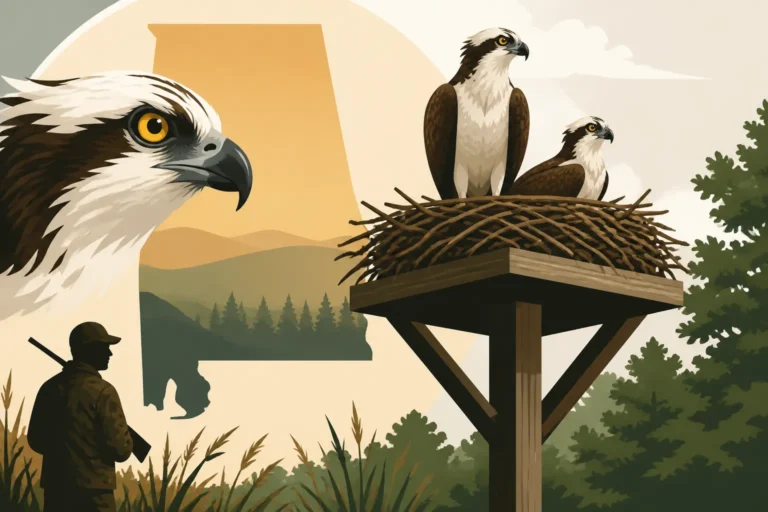
Alabama osprey nesting platforms provide vital support for fish hawks facing habitat loss from shoreline development and environmental pressures.
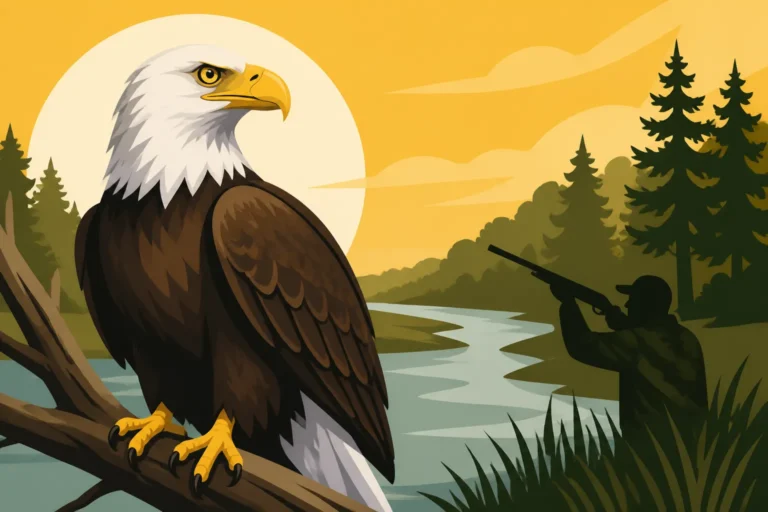
Alabama bald eagle populations recovered through the DDT ban, reintroduction programs, and protection along local river systems.
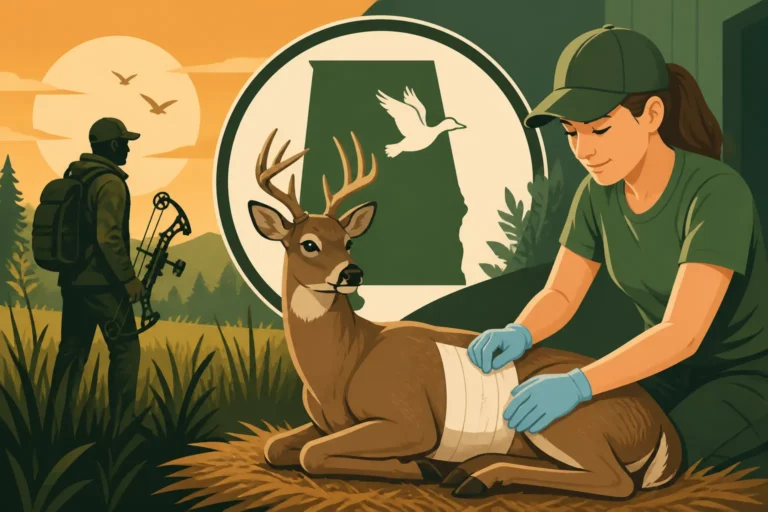
Helping injured game and distressed wildlife in Alabama, from deer hit by vehicles to fawns wrongly thought abandoned, since well-meant help can do harm.
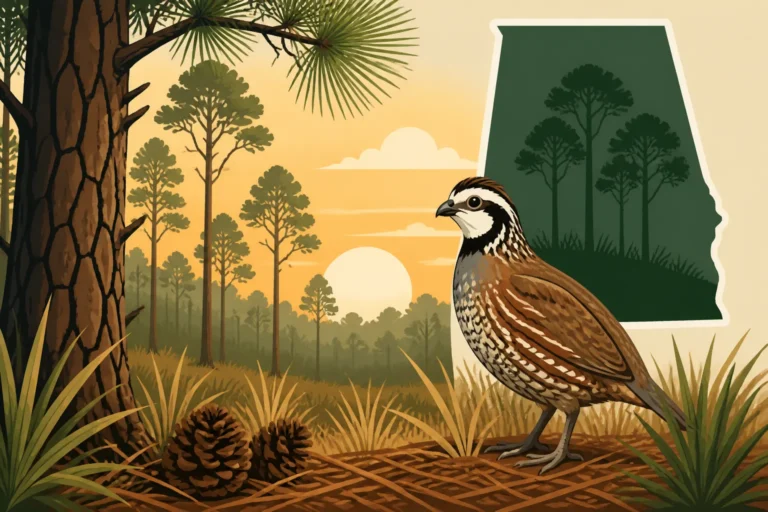
Alabama longleaf pine ecosystems provide crucial habitat, native foods, and open ground cover for declining bobwhite quail populations.
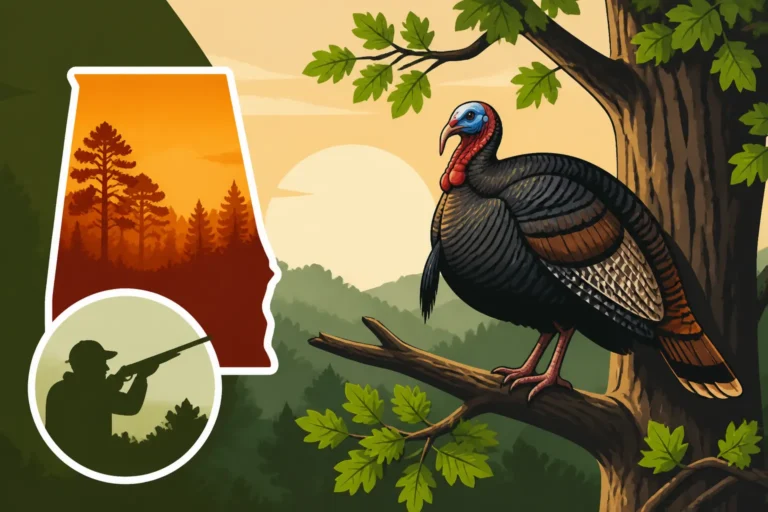
Alabama wild turkeys choose specific roost trees for predator safety, morning departure views, and shelter from elements.

Alabama fawn recruitment measures young deer survival rates before hunting season, directly impacting overall herd health.
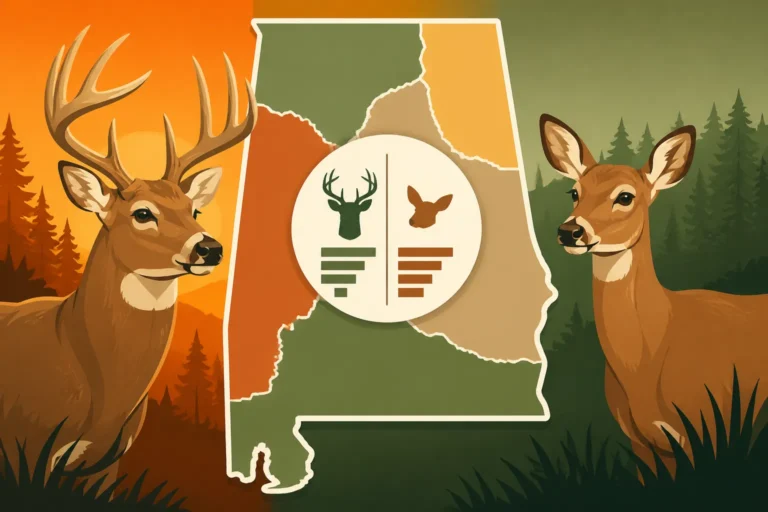
Alabama buck-to-doe ratios vary by region, impacting deer herd health, rut intensity, and hunting success across the state.
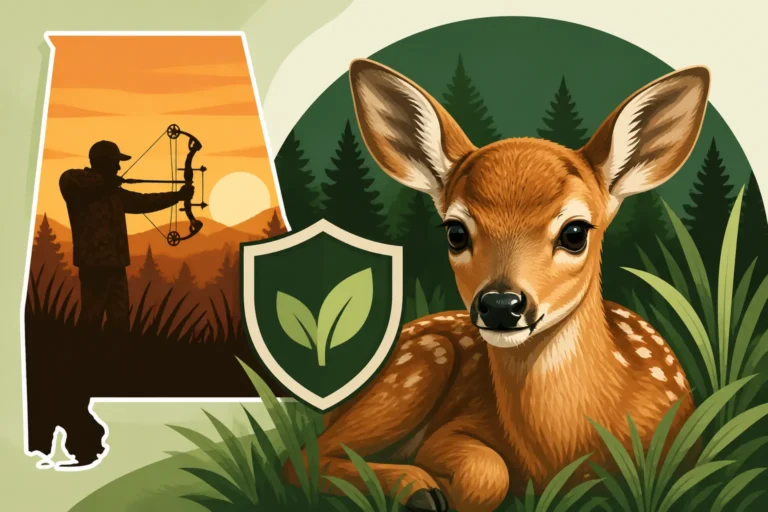
Alabama fawn survival rates, coyotes, bobcats, feral hogs, habitat quality, and disease impacts across the state.
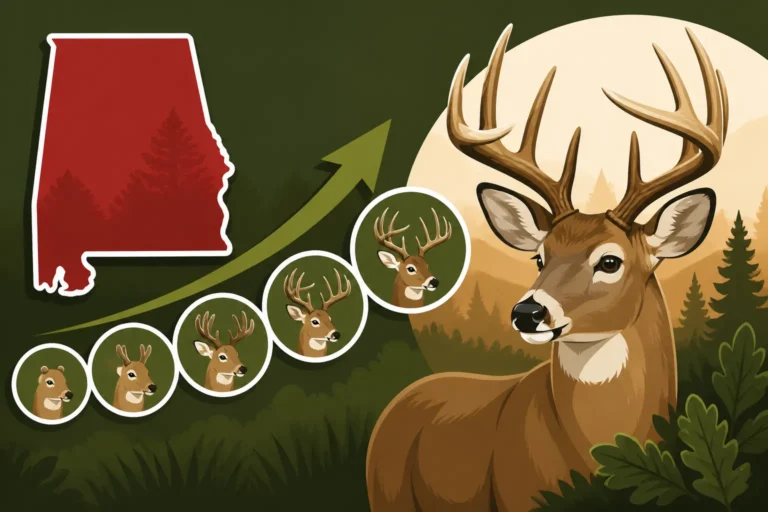
Alabama whitetail antler development schedules explain seasonal shedding, velvet stages, and mineralization timelines for hunters.
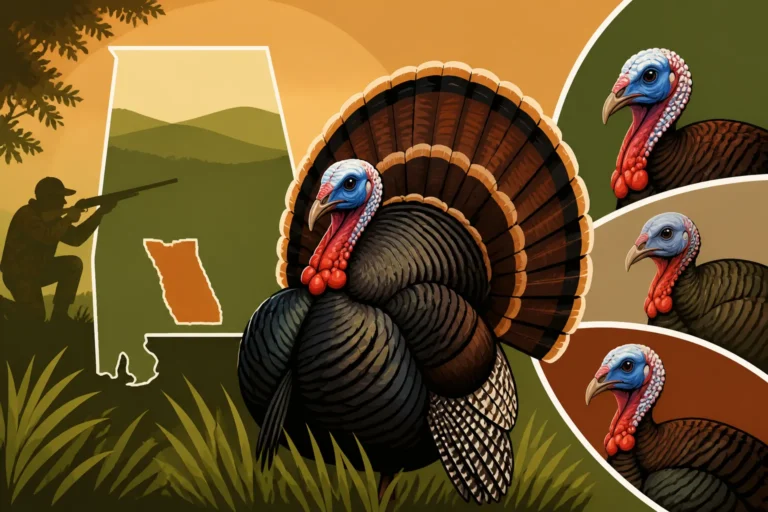
Alabama eastern wild turkeys, weighing over twenty pounds, feature iridescent copper plumage, dark chestnut tail bands, and statewide hardwood forest habitats.