Why the Fourth Buck Needs Four Points
Alabama deer harvest regulations explain why a fourth antlered buck requires four points on one side or a sixteen inch main beam.
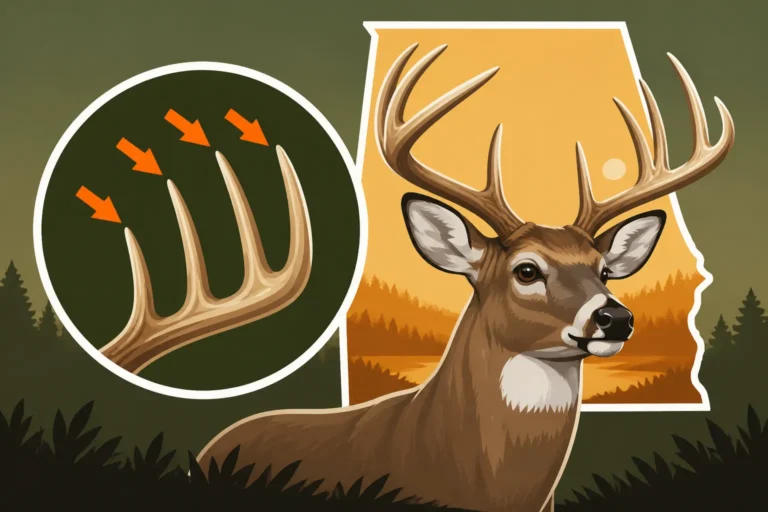
Alabama deer harvest regulations explain why a fourth antlered buck requires four points on one side or a sixteen inch main beam.
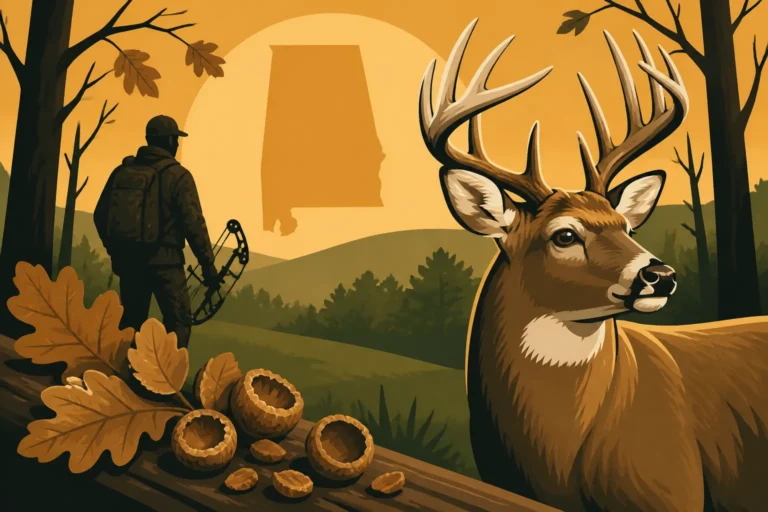
Alabama deer hunters facing failed acorn crops learn how white oak mast failures alter whitetail feeding and movement patterns.
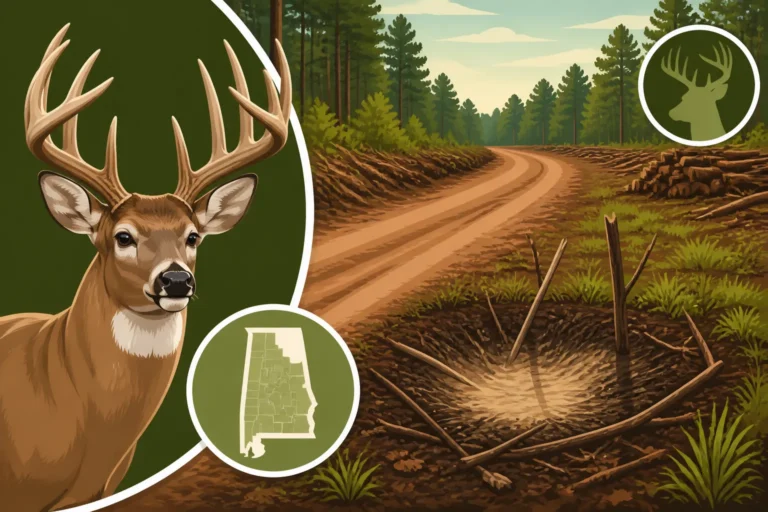
Scrape lines along Alabama logging roads provide deer hunting opportunities by functioning as natural travel corridors and scent billboards.
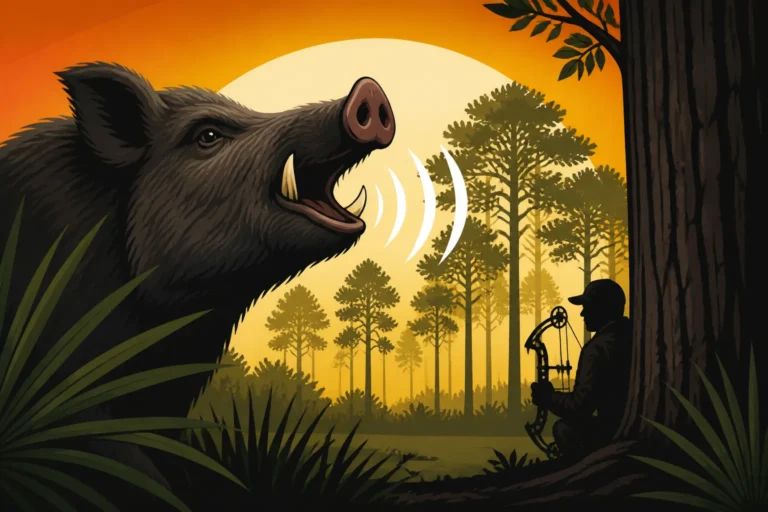
Using grunt calls in mature Alabama timber explains how basic and tending deer vocalizations attract wary bucks during hunts.
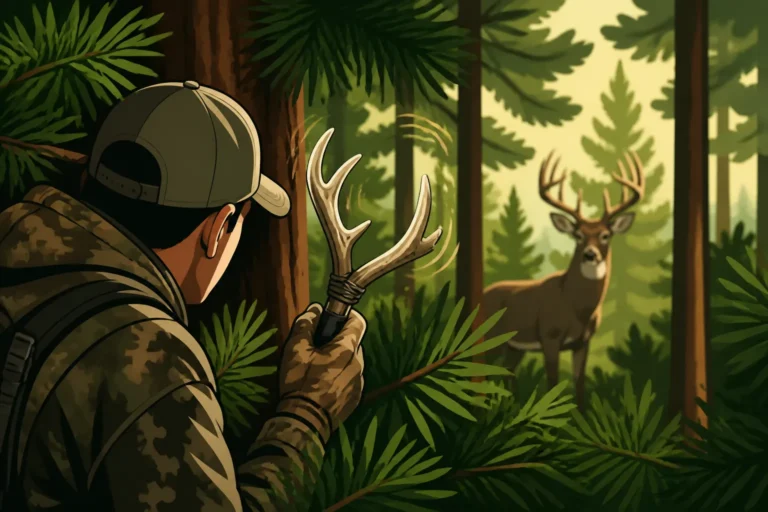
Rattling antlers in thick Alabama pine covers requires loud, aggressive volumes because pine needles and dense undergrowth absorb sound.
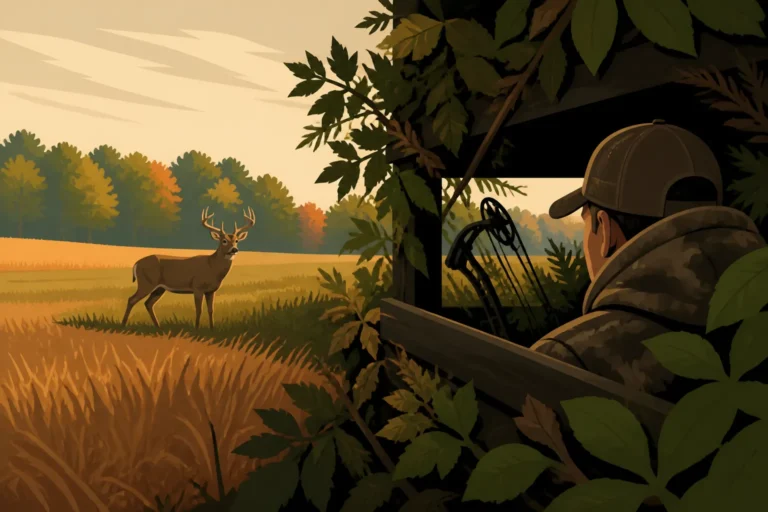
Effective brushing techniques for field edge ground blinds break up unnatural silhouettes and hide hunters from wary Alabama whitetails.
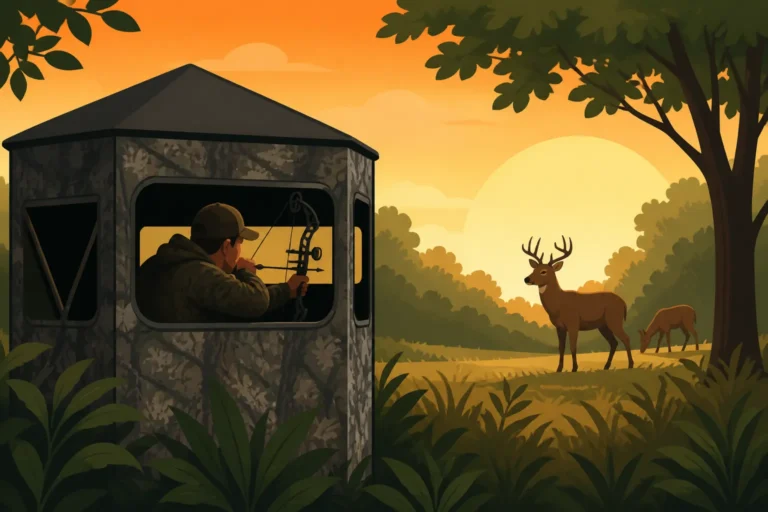
Alabama public land ground blind regulations, placement durations, and ADCNR rules for temporary pop-up hunting setups and safety.
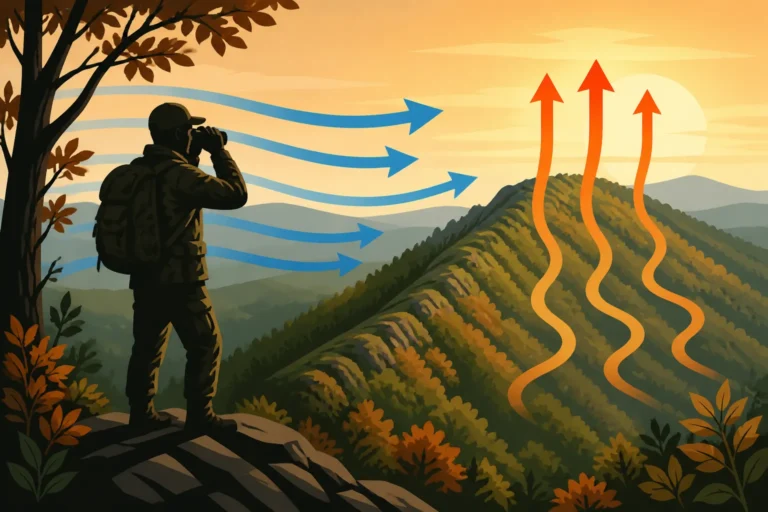
Alabama Piedmont ridge wind patterns and thermals influence deer movement and dictate strategies for successful whitetail hunting stands.
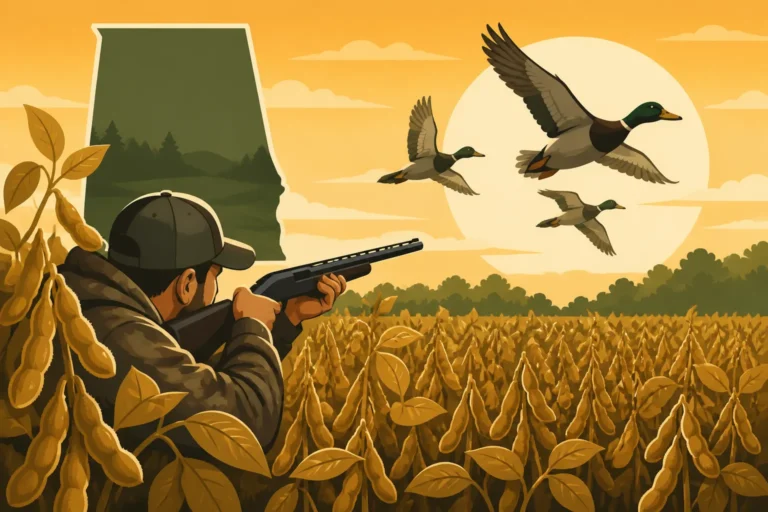
Hunting standing soybean fields in Alabama explains deer patterns, scouting methods, and hunting tactics for agricultural plots.

Stealthy entry and exit routes through Alabama peanut fields help deer hunters reach stands without alerting whitetails.