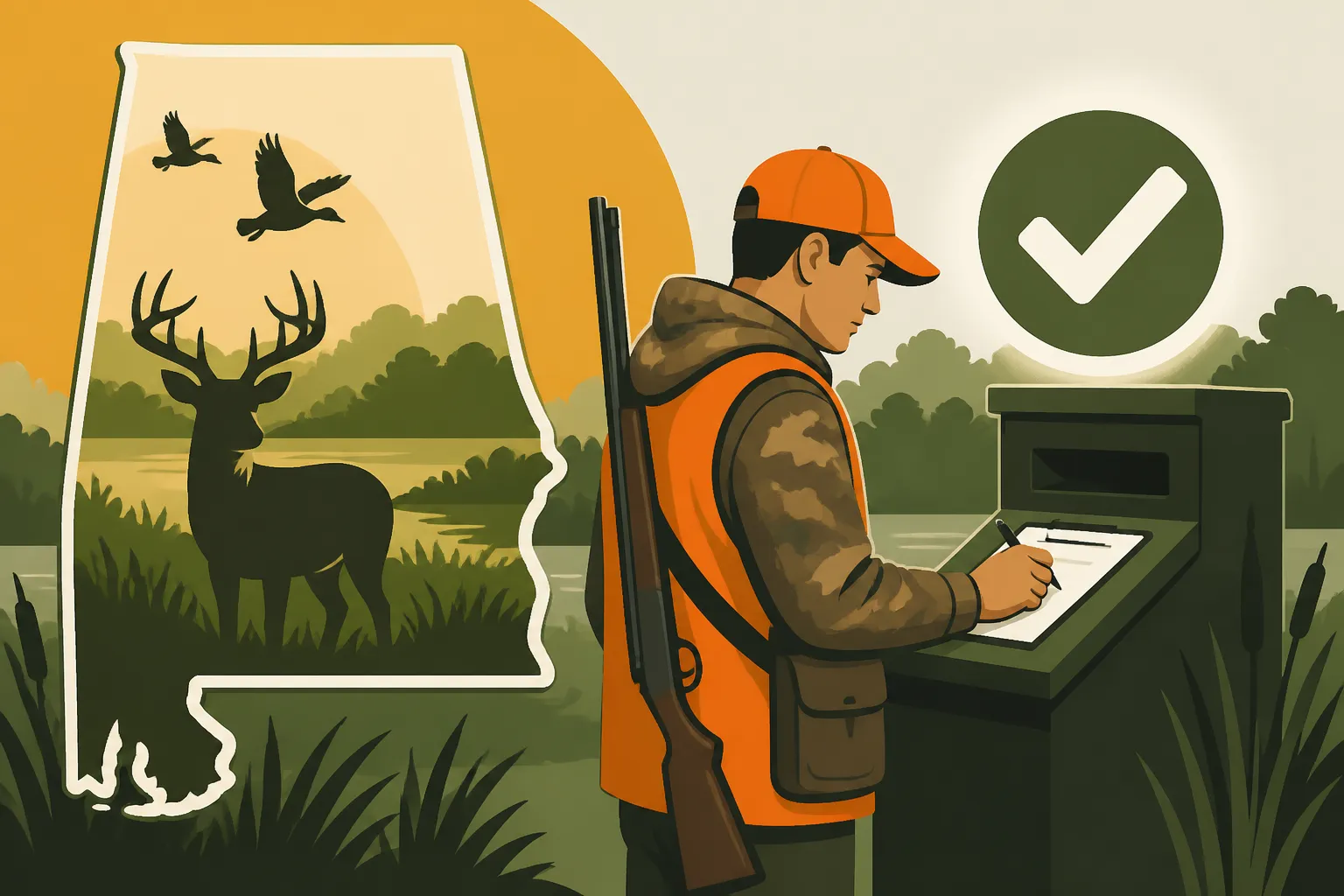
Alabama WMA Quota Hunt Sign-In Process
Navigating the application and sign-in process for Alabama's Wildlife Management Area (WMA) quota hunts can feel like solving a complex puzzle, especially when you're just eager to get out into the woods. Many hunters get bogged down in the details, unsure if they've completed all the necessary steps to secure their spot. This comprehensive guide is designed to cut through that confusion, walking you through every crucial stage of the Alabama WMA quota hunt sign-in process, ensuring you're ready when opportunity knocks.
Understanding Alabama's Quota Hunt System
Before we dive into the nitty-gritty of signing in, it’s really helpful to understand why these quota hunts exist in the first place. Alabama has a fantastic network of WMAs, but some areas, due to their unique habitat, sensitive wildlife populations, or simply overwhelming popularity, can't sustain unlimited hunting pressure. That's where quota hunts step in.
Why Quota Hunts Are Necessary
Think of quota hunts as a way to spread the opportunity fairly while also managing resources responsibly. If every hunter could show up to the most coveted WMA on opening day, the sheer volume of boots on the ground would diminish the quality of the experience for everyone and could negatively impact the wildlife, particularly deer and turkey populations. By limiting the number of hunters through a quota system, the state ensures that those who are drawn get a higher-quality hunt with less pressure, and the wildlife populations aren't overstressed. It’s a delicate balance of providing access and protecting the resource. It creates a better experience, often leading to higher success rates for those who are drawn, and allows the land to recover between hunting periods.
Which WMAs Offer Quota Hunts
Not all WMAs operate under a quota system, and even within WMAs that do, not all hunting opportunities are quota-based. Typically, the WMAs that offer quota hunts are either exceptionally popular, hold a reputation for trophy-quality animals, or feature unique habitat that requires more careful management. For example, some of the larger, more rugged WMAs in the national forests might have specific quota hunts for deer or turkey in certain zones or during peak rut periods. It's always essential to check the Alabama Department of Conservation and Natural Resources (ADCNR) website or the current hunting digest for the most up-to-date list of WMAs and specific hunts that require a quota permit. Don't assume your favorite spot from last year will have the same rules this season; these things can change based on biological data and management goals. Familiarizing yourself with the various WMAs and their management philosophies will give you a better grasp of where quota hunts might apply.
Distinguishing Quota from Regular WMA Hunts
The key difference between a quota hunt and a regular WMA hunt really boils down to access and entry. For many traditional WMA hunts, especially for small game or general deer/turkey seasons, you simply need your valid hunting license and a WMA permit, and you can show up and hunt during the designated season. It’s first-come, first-served in terms of woods access.
Quota hunts, however, require an additional step: an application, a draw, and then if you're lucky enough to be selected, a formal sign-in. This means you can't just decide on a whim to hunt a quota area; you have to plan ahead, apply, and hope your name gets drawn from the hat. This exclusivity is precisely what makes them so appealing to many hunters, despite the added hoops. The reduced pressure often translates into better chances at mature animals or simply a more peaceful, solitary hunting experience. It’s a huge distinction, and misunderstanding it is a common pitfall for those new to public land hunting in Alabama. You might be able to hunt a specific WMA for squirrels without a quota, but chasing a big buck there during a special early muzzleloader hunt might absolutely require you to have been drawn.
The Application Phase: Getting Your Foot in the Door
Before you can even think about the sign-in process, you’ve got to successfully navigate the application phase. This is where many hopeful hunters fall short, often due to missed deadlines or incomplete information. Consider this the first critical hurdle in your quota hunt journey.
Eligibility and Requirements
First things first: are you eligible? Generally, to apply for an Alabama WMA quota hunt, you'll need a current Alabama hunting license and a WMA permit. Beyond that, there can be specific requirements for certain hunts. For example, some youth hunts might require the applying parent or guardian to have a valid license and the youth to be of a certain age and have completed hunter education. Alabama Hunter Education Requirements can sometimes factor into specific opportunities. You might also find certain hunts are restricted to Alabama residents only, or there could be different application pools for residents and nonresidents. Always, always check the specific rules for the hunt you’re interested in. Don't just assume your general hunting license is enough; the WMA permit is usually non-negotiable, and any special licenses (like a waterfowl stamp if it's a duck quota hunt) would also be required. Make sure all your ducks are in a row before the application window opens.
The Application Window and Process
The application period for quota hunts is finite, and missing it means you're out of luck for that season. These windows are usually announced well in advance on the ADCNR website, often in late summer or early fall for big game hunts. The actual application process is typically done online through the Outdoor Alabama licensing system. You’ll select the specific quota hunt you wish to enter, often ranking choices if multiple options are available, and pay any associated application fees. It’s crucial to double-check every piece of information before submitting. Errors in your contact details or license number could lead to disqualification, even if you’re drawn. Don't wait until the last day; system glitches, internet issues, or forgotten passwords can derail your plans. Submit your application early, confirm receipt, and mark your calendar for when results are expected. You can often find details on specific application dates and instructions by searching for Alabama Quota Hunt Application Window.
Understanding the Draw Results
Once the application window closes, the waiting game begins. The ADCNR conducts a randomized drawing, and successful applicants are notified, usually via email. It's a nail-biting time for many! If you're drawn, congratulations are in order, but it's not quite time to pack your bags just yet. The notification will typically include your specific hunt dates, the WMA or specific zone you've been granted access to, and critically, instructions for the next steps, including how and when to sign in.
It's also worth noting that some quota hunts might have a preference point system or a bonus point system, though this is less common for general WMA hunts in Alabama compared to some other states. However, understanding Alabama Quota Hunt Draw Odds might give you some insight into the competition you’re up against. Even if you aren't drawn, pay attention to the results; sometimes, successful applicants don't claim their spots, leading to second-chance draws or leftover permits. Always read your notification thoroughly, whether it's good news or bad, so you understand the path forward.
The Sign-In Process Itself: Your Day-Of Checklist
So, you applied, you got drawn – fantastic! Now comes the actual sign-in, the step that formally grants you access to the WMA for your hunt. This isn't just a formality; it's a critical part of accountability and safety.
Pre-Hunt Preparation: What to Bring
Before you even leave the house for your quota hunt, you need to gather a few essential items for the sign-in. This isn't just about what you need to hunt, but what you need to legally access the WMA. You'll definitely need your valid Alabama hunting license and WMA permit, along with proof of your successful quota hunt draw. This might be a printout of your email notification or a specific permit issued after the draw. It's always a good idea to have a physical copy, even if you also have it on your phone, in case of poor cell service or a dead battery.
Beyond documentation, consider bringing a pen, any required forms from the ADCNR (sometimes there are additional waivers or information sheets), and often, your vehicle information. Some WMAs require you to display a vehicle pass or note your vehicle description at sign-in. Being prepared saves time and stress, especially if you've traveled a long way to get to the WMA. Think through every possible scenario and have a backup for your documentation.
The Physical Sign-In Station or Online Portal
The sign-in process can vary: some WMAs still utilize traditional physical sign-in stations, which are often kiosks located at WMA entrances. You'll fill out a paper form, noting your name, license number, and the details of your quota permit. You then tear off a copy and deposit the original in a drop box. Other WMAs, especially larger ones or those with newer management, have moved to an online or app-based sign-in system. This means you'll use your smartphone or a computer to log into the Outdoor Alabama system or a specific WMA portal, enter your details, and electronically confirm your entry.
It's absolutely vital to know which method your specific WMA uses before you arrive. Nothing is more frustrating than driving for hours only to find you needed to sign in online and have no cell service, or conversely, looking for an app when a physical station is required. Check the WMA's specific regulations in the hunting digest or on the ADCNR website. For WMAs that use online systems, applications like onX Hunt can be incredibly helpful for understanding boundaries and planning entry points, but remember, the actual sign-in is typically through the state's official channels.
Permit Verification and Rules Briefing
Regardless of whether you sign in physically or digitally, the act of signing in is your formal acknowledgement of the WMA's rules and regulations. At a physical station, there's often a bulletin board displaying the specific rules for that hunt, including legal game, bag limits, shooting hours, and any special restrictions. With online systems, you'll usually be required to digitally agree to these terms before completing your sign-in.
Sometimes, especially for highly controlled quota hunts, there might even be a mandatory pre-hunt briefing or check-in with a biologist or game warden. This isn't common for all quota hunts but can occur for very specific, sensitive areas. Always be prepared to verify your permit and be ready to answer questions about your understanding of the rules. Game wardens might perform spot checks at sign-in points, ensuring all hunters have correctly completed the process and are compliant. This stage isn't just about gaining access; it's about confirming your responsibility as a hunter on public land.
What to Expect During a Quota Hunt
Once you've successfully signed in, the real adventure begins. Quota hunts, by their very nature, often offer a different experience than general public land hunting. Knowing what to anticipate can help you make the most of your limited time in the woods.
Hunting Zones and Boundaries
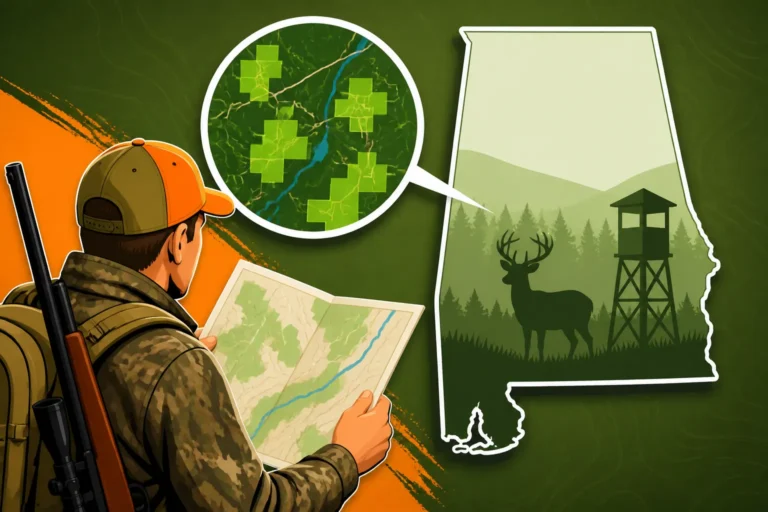
Many WMAs, particularly those hosting quota hunts, divide their area into specific hunting zones. Your quota permit might only grant you access to a particular zone or section of the WMA, not the entire property. It's incredibly important to understand these boundaries before you start hunting. This is where tools like onX Hunt become invaluable. You can use its mapping features to clearly see WMA boundaries, public/private land distinctions, and any internal zones that might apply to your hunt.
Straying out of your designated zone, even accidentally, can result in a citation and the loss of your hunting privileges. Some WMAs even have specific entry and exit points for different zones. Always carry a map, know your location, and respect these boundaries. If you're unsure, err on the side of caution or consult the WMA regulations or a game warden if one is available. This isn't just about legal compliance; it's about respecting the management plan that makes these hunts possible.
Harvest Reporting and Check-Out
Just as important as signing in is properly reporting your harvest and checking out of the WMA. For quota hunts, harvest reporting is usually mandatory and often more stringent than general hunting. This might involve bringing your harvested animal to a physical check station for biological data collection (age, sex, weight, antler measurements) or reporting your harvest immediately through the Outdoor Alabama Game Check system. Alabama Deer Reporting Rules will apply, but often with additional WMA-specific requirements.
Checking out is also a critical, often overlooked, step. It lets the WMA staff know you've safely left the area and helps them track hunter effort. For physical sign-in stations, you might sign out on a separate log or simply mark your departure. For online systems, there's usually a specific "check-out" function. Failing to check out can sometimes result in penalties or impact your ability to apply for future quota hunts. Always follow the explicit instructions provided for your specific hunt.
Shared Experience with Other Hunters
Even though quota hunts limit hunter numbers, you're rarely going to be the only person in the woods. Expect to encounter other hunters who were also drawn for the same dates. The beauty of the quota system is that while you'll see other vehicles and perhaps cross paths, the overall pressure is significantly reduced compared to an open-access area. This often leads to a more respectful and less crowded experience.
However, courtesy and safety are paramount. Give other hunters plenty of space, avoid walking into active hunt areas, and communicate if you encounter someone. Alabama Public Land Hunting Hours are usually strictly enforced, so be mindful of arriving and departing on time. Remember, everyone is there to enjoy the outdoors and hopefully, have a successful hunt. A little communication and understanding go a long way in ensuring a positive experience for all.
Common Challenges and Troubleshooting
Despite your best efforts, sometimes things just don't go as planned. It's smart to anticipate potential issues and know how to troubleshoot them, especially when it comes to the technicalities of quota hunt sign-in.
Dealing with Missed Deadlines or Lost Permits
One of the most disheartening challenges is realizing you've missed an application deadline or misplaced your successful draw notification. Unfortunately, for missed deadlines, there's typically no recourse. The application windows are strict for fairness to all applicants. This emphasizes the importance of marking your calendar well in advance and submitting early.
If you've lost your successful draw permit or can't find your notification email, don't panic immediately. First, check your spam folder. Then, log into your Outdoor Alabama account online. All your licenses, permits, and draw results should be digitally accessible there. You can usually print off a new copy or access the necessary permit information. If you still have trouble, contact the ADCNR licensing division during business hours before your hunt date. Waiting until the last minute on the morning of your hunt to resolve this will likely leave you frustrated and out of luck.
Navigating Technology Issues
We live in a digital age, but that also means relying on technology that can fail. What if the WMA's online sign-in portal crashes? What if your phone dies, or you have no cell service at the WMA entrance when online sign-in is required? These are real concerns, especially in rural Alabama.
For anticipated cell service issues, always try to sign in before you lose service, perhaps while still in town or at home. Take screenshots of your successful sign-in confirmation. If a portal is down, immediately check the ADCNR's social media or website for announcements; they usually act quickly to provide alternative instructions. Having a backup power bank for your phone is also a smart move, as is having physical copies of all permits. It's a good idea to know the local ADCNR district office number or the WMA manager's contact info, though these should only be used for critical, last-resort issues.
Handling On-Site Discrepancies
Imagine you arrive at the WMA, sign in, and then a game warden checks your permit, but there's a discrepancy. Maybe your license number was typed wrong during application, or perhaps you're in the wrong zone due to a misunderstanding of the WMA map.
The best way to handle on-site discrepancies is with honesty and a cooperative attitude. Immediately explain the situation and provide any documentation you have. If it's a simple mistake, many officers will work with you to resolve it, though you might still receive a warning or a minor citation. If the discrepancy is more severe, like being in the wrong hunt zone, you might be asked to leave. Prevention is key here: meticulously review all application details, thoroughly understand WMA maps, and always carry all necessary documentation. Better yet, review materials like Using the Outdoor Alabama Map Tool to prevent such errors.
Maximizing Your Success on a Quota Hunt
Getting drawn and successfully signing in is a huge step, but it's only the beginning. To truly make the most of your Alabama WMA quota hunt, you need to go beyond the logistics and focus on sound hunting strategies.
Pre-Scouting Permitted Areas
The limited hunter numbers on a quota hunt often mean better odds, but you still need to put in the legwork. Pre-scouting is absolutely critical. Since you know which WMA and often which zone you'll be hunting, take advantage of the time before your hunt to explore. This could involve physical scouting if permitted (checking WMA rules for off-season access), or extensive digital scouting using mapping software.
Tools like onX Hunt allow you to mark potential bedding areas, travel corridors, food sources, and water. You can identify pinch points, saddles, and creek crossings that funnel deer or turkey. Look for sign: old rubs, scrapes, tracks, and droppings. Identify potential stand locations and entry/exit routes that minimize disturbance. Even if you can't walk the ground, studying aerial photos and topo maps will give you a massive advantage. Knowing the terrain before you arrive means you spend less precious hunt time wandering and more time hunting effectively. Scouting Alabama Public Land Before Season is a topic we often emphasize for good reason.
Reviewing WMA-Specific Regulations
We've touched on this before, but it bears repeating: WMA regulations are often more detailed and can differ significantly from statewide regulations. For quota hunts, these specific rules might cover everything from legal weapons (e.g., archery-only, muzzleloader-only, specific caliber restrictions), shooting hours, tree stand rules (e.g., no screw-in steps, specific types of stands allowed), ATV use, and even blaze orange requirements.
Make sure you read the rules for your specific WMA and hunt from the current hunting digest or the ADCNR website. Don't rely on memory or what you know about another WMA. Misunderstanding a rule could lead to a fine, losing your permit, or worse, an unsafe situation. Ignorance of the law is never an excuse. A simple table can help highlight these differences:
| Feature | General Statewide Regulation (Example) | WMA Quota Hunt Regulation (Possible Example) |
|---|---|---|
| Legal Weapons | Rifle, shotgun, bow, crossbow | Archery-only or Muzzleloader-only |
| Tree Stands | Portable, screw-in steps OK | Portable stands only, no screw-in steps |
| ATV Use | Limited to private land | Restricted to designated WMA roads only |
| Bag Limits | 3 bucks, 1 per day | 1 antlered deer per quota hunt |
| Blaze Orange | Mandatory during gun season | Mandatory even during archery-only hunts |
| Reporting | Game Check within 48 hours | Mandatory check station immediately post-harvest |
This table serves as a stark reminder that WMA rules, especially for quota hunts, require careful attention to detail.
Post-Hunt Follow-Up and Learning
The learning doesn't stop when the hunt ends. After your quota hunt, take some time to reflect on what worked, what didn't, and what you observed. Did the deer use the travel corridors you anticipated? Was the pressure lighter or heavier than expected? Did the sign-in process go smoothly, or were there hiccups you can avoid next time?
Keep a hunting journal. Note weather conditions, wind direction, animal sightings, and your hunting tactics. This information is invaluable for future hunts, whether at the same WMA or elsewhere. If you harvested an animal, review the check station data if available. The more you learn from each experience, the better prepared you'll be for the next one. Understanding things like Late-Season Food Sources for Alabama Whitetails or Reading Alabama Mud for Fresh Deer Movement can come from such detailed observation over time. Even an unsuccessful hunt is a successful learning experience if you pay attention.
Disclaimer
This article is for general informational purposes only and does not constitute professional advice. Laws, prices and regulations vary by location and change over time. Consult a qualified professional for guidance on your specific situation.