Black Warrior WMA Inside Bankhead Forest
Hunting Alabama's public lands can feel like trying to find a needle in a haystack, especially when you're looking at vast tracts like those within the William B. Bankhead National Forest. Many hunters get overwhelmed by the sheer scale, unsure where to start or how to navigate the specific rules that apply. This comprehensive guide aims to demystify hunting the Black Warrior Wildlife Management Area (WMA), helping you understand its unique characteristics, regulations, and the best strategies to make your hunt successful and enjoyable.
Understanding Black Warrior WMA: A Unique Public Land Gem
The Black Warrior Wildlife Management Area isn't just another public hunting spot; it's a critical component of one of Alabama's most cherished natural treasures. Nestled within the expansive William B. Bankhead National Forest, it presents a unique blend of wild, rugged terrain and carefully managed game populations. For many Alabama hunters, the Black Warrior WMA represents the quintessential public land experience – challenging, rewarding, and deeply rooted in the state's outdoor heritage. It's a place where you can truly escape the hustle and bustle, immerse yourself in nature, and pursue game in a diverse and beautiful environment. Understanding its dual identity as both a National Forest and a WMA is key to planning a successful trip.
The Overlap with Bankhead National Forest
Think of Black Warrior WMA as a designated hunting zone within the larger Bankhead National Forest. This isn't just a geographical distinction; it means you're operating under two layers of rules. The U.S. Forest Service manages the overall land for multiple uses, including timber, recreation, and wildlife habitat. However, the Alabama Wildlife and Freshwater Fisheries Division takes the lead on game management and hunting regulations specifically within the WMA boundaries. This partnership allows for intensive management efforts tailored to game species, like planting food plots in certain areas or implementing specific harvest quotas, which might not be practical across the entire national forest.
This overlap can sometimes be confusing for hunters. For example, while the national forest generally has certain regulations regarding camping or vehicle use, the WMA might have more stringent or different rules that take precedence within its designated area. It's crucial to remember that when you're hunting inside Black Warrior WMA, the WMA rules are your primary guide for hunting-related activities, layered on top of the general national forest guidelines for broader recreational use. Always consult both sets of regulations to ensure compliance and avoid any unexpected issues during your hunt. The William B. Bankhead National Forest Hunting article offers a broader view of the national forest's offerings.
Size and Scope: What to Expect
The Black Warrior WMA covers a substantial portion of the Bankhead National Forest, encompassing tens of thousands of acres of rolling hills, deep ravines, mature hardwoods, and pine plantations. This immense size is both a blessing and a challenge. On one hand, it offers vast stretches of land where you can get away from other hunters and find truly wild game. On the other, it can feel daunting to scout and hunt effectively, especially for newcomers. The terrain varies dramatically, from steep, rocky bluffs along the Sipsey Fork of the Black Warrior River to more gentle slopes further east.
Expect dense undergrowth in many areas, particularly in younger timber stands or clear-cuts, which provides excellent cover for deer but makes walking tough. Mature hardwood bottoms are often more open, offering better visibility and easier movement, especially where mast crops are abundant. Water sources are plentiful, with numerous creeks, springs, and the Sipsey River itself cutting through the landscape. This diverse habitat supports a healthy population of game, but it also means hunters need to be prepared for varied conditions and be adaptable in their approach. Understanding the different types of terrain is key to locating game and planning your movements.
Navigating the Terrain: Mapping and Access
Hunting the Black Warrior WMA effectively hinges on understanding the lay of the land, and in such a vast area, that means relying heavily on good mapping tools. The terrain can be rugged, and it's easy to get turned around, especially when you're pushing deep into a hollow or following a winding ridge line. Knowing how to get to your chosen hunting spot, where you can park, and what roads are open or closed is just as important as knowing where the deer are bedding. Proper preparation in this regard can save you hours of frustration and potentially prevent you from getting lost.
Essential Mapping Tools for Black Warrior
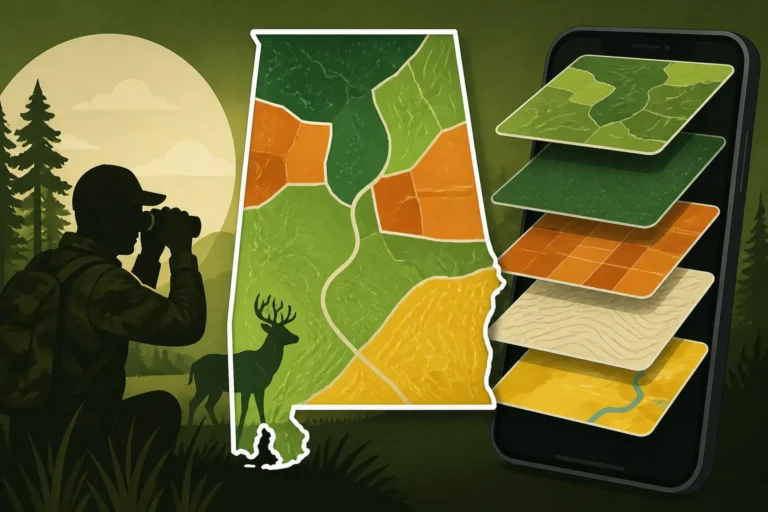
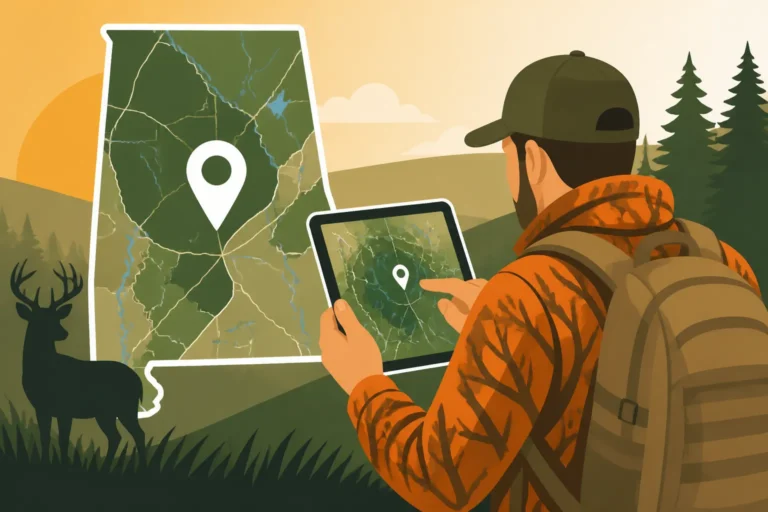
For any serious hunt in Black Warrior WMA, a robust mapping application is no longer a luxury, it's a necessity. Tools like onX Hunt or GoHunt are invaluable. They provide detailed satellite imagery, topographical maps, property lines (crucial for distinguishing WMA boundaries from private inholdings), and even features like public land designations. With these apps, you can mark waypoints for your stand locations, potential bedding areas, food sources, and even your vehicle's parking spot. This digital scouting can be done from home, helping you identify promising areas long before your boots hit the ground.
Beyond digital aids, always carry a physical map and compass as a backup. Batteries die, phones get dropped, and signals disappear in the deep ravines of Bankhead. Knowing how to read a topographic map can literally be a lifesaver. Look for features like ridge lines, saddles, creek bottoms, and benches – these are often natural travel corridors or bedding areas for deer and other game. Cross-referencing your digital maps with a physical map helps solidify your understanding of the terrain and builds crucial navigation skills. Scouting Alabama Public Land Before Season emphasizes the importance of this prep work.
Access Points and Vehicle Regulations
Accessing Black Warrior WMA typically involves a network of paved roads, gravel forest roads, and unimproved logging trails. The main paved roads, like State Highway 33, offer straightforward entry points, but to get into the heart of the WMA, you'll often need to venture onto the gravel roads. These roads are generally well-maintained but can become challenging during wet weather, requiring a high-clearance or 4×4 vehicle. Many hunters prefer to park on main roads and walk in, as vehicle access can be restricted on certain internal roads during specific seasons or for management purposes.
It's absolutely vital to pay attention to posted signs regarding vehicle access. Some roads are gated and closed to vehicle traffic permanently or seasonally, turning into foot-traffic-only trails. Others might have restrictions on ATVs or UTVs. Disregarding these regulations can lead to fines and habitat damage. Always check the current WMA map and regulations for the most up-to-date information on vehicle access. Respecting these rules not only keeps you out of trouble but also helps maintain the wild character of the WMA for everyone. Remember, some of the best hunting spots are often found deep within, requiring a good hike from the nearest legal parking.
Game Species and Hunting Opportunities
Black Warrior WMA is a magnet for hunters because of its healthy and diverse game populations. While deer hunting is undoubtedly the most popular pursuit, the area offers fantastic opportunities for turkey, small game, and even year-round feral hog hunting. The varied habitat, from dense pine thickets to mature hardwoods, provides excellent cover and food sources for a multitude of species, making it a truly versatile hunting destination. Understanding what each species needs in terms of habitat and planning your hunt accordingly will significantly increase your odds of success.
Deer Hunting in Black Warrior WMA
Deer hunting is the flagship offering in Black Warrior WMA, drawing hunters from all over the state. The whitetail population here is robust, though deer density might not be as high as on intensely managed private lands in the Black Belt. What you will find are hard-earned bucks and does that are truly wild, wary, and accustomed to surviving in rugged terrain. The hunting experience is often more about tracking and patient still-hunting than sitting over a food plot. Bucks grow to respectable sizes, and harvesting a mature deer from this challenging public land is a significant accomplishment.
Successful deer hunting in Black Warrior often involves identifying key habitat features like mast-producing ridges, creek bottoms that serve as travel corridors, and dense bedding thickets. During the early archery season, focusing on water sources and natural food like acorns can be productive. As the season progresses, especially during the rut, understanding how bucks use the terrain to travel between bedding and feeding areas, or seeking out doe groups, becomes critical. Many hunters utilize stands or ground blinds, but Still-Hunting Bankhead Forest Ridges is a classic and highly effective tactic in this terrain. Always report your deer harvest through Alabama's Game Check system, as required for all deer taken in the state. Alabama Deer Season Structure Explained provides a comprehensive overview of the statewide framework.
Turkey and Small Game Prospects
Beyond deer, Black Warrior WMA offers excellent opportunities for wild turkeys, particularly Eastern gobblers. The mixed hardwood and pine forests provide ideal roosting sites, ample bugging areas, and critical nesting cover. Spring turkey season is a highly anticipated event, with gobblers sounding off from ridge tops and echoing through the hollows. Hunters often employ traditional calling techniques, run-and-gun tactics, or set up patiently near known roosting areas or travel corridors. Access can be a challenge for turkeys, as their preferred habitat often means steep climbs and long walks, but the rewards of calling in a wary public land gobbler are immense. For specific dates, refer to Alabama Spring Turkey Zones and Dates.
Small game hunting, including squirrels and rabbits, is also popular and provides a fantastic way to introduce new hunters to the woods or enjoy a more relaxed outing. The mature hardwood bottoms are squirrel heaven, especially during good mast years, while thickets and briar patches provide excellent rabbit habitat. Hunting with small caliber rifles, shotguns, or even a .22 for squirrels can be incredibly fun and provides delicious table fare. These hunts offer a chance to explore different areas of the WMA and hone your woodsmanship skills without the intense pressure often associated with deer or turkey.
Feral Hogs: A Year-Round Pursuit
Feral hogs are a persistent presence in Black Warrior WMA, as they are across much of Alabama. Unlike other game species, hogs have no closed season or bag limit on private land, and within WMAs, while some specific regulations might apply, the emphasis is often on control. This makes them a fantastic target for hunters looking for action outside of traditional deer and turkey seasons. Hogs can be found throughout the WMA, particularly in creek bottoms, along river courses, and in areas with abundant rooting sign. Their destructive rooting habits cause significant damage to the forest floor and agricultural areas, making their removal a benefit to the ecosystem.
Hog hunting in Black Warrior can be done in various ways, from still-hunting and stalking to setting up over natural food sources or known travel routes. Night hunting with lights is often permitted on private land, but WMA rules usually restrict this, so always check the specific regulations. Many hunters will pursue hogs opportunistically while deer or turkey hunting. Successfully taking a hog from public land is not only a thrilling experience but also a service to wildlife management. If you're looking for more information on the broader issue, Hunting Alabama's Year-Round Feral Hogs offers a deep dive.
Regulations and Permits: Staying Legal
Hunting in any Wildlife Management Area comes with its own set of rules and regulations that go beyond a standard statewide hunting license. Black Warrior WMA is no exception. These additional requirements are in place to help manage game populations, control hunter pressure, and maintain the integrity of the habitat. Failing to adhere to these specific WMA rules can result in fines, loss of hunting privileges, and a generally unpleasant experience. It's not enough to simply have your basic Alabama hunting license; you need to understand the nuances of WMA permits and Black Warrior's unique calendar.
Alabama WMA Permit Requirements
To hunt any of Alabama's Wildlife Management Areas, including Black Warrior, you absolutely must possess an Alabama WMA License or Permit in addition to your basic hunting license. This isn't just a suggestion; it's a mandatory requirement. This permit helps fund the management, maintenance, and improvement of these critical public hunting grounds. Think of it as your entry fee to some of the best public hunting opportunities the state has to offer. Without it, you are hunting illegally within the WMA boundaries.
The WMA license is typically an annual permit, so if you plan on hunting multiple WMAs or making several trips to Black Warrior within a license year, you only need to purchase it once. You can usually buy these online through the Outdoor Alabama website, at licensed retailers, or even over the phone. Make sure to carry proof of this permit with you, just as you would your regular hunting license, as game wardens frequently check for compliance within WMAs. It’s an easy step to overlook, but a crucial one for any public land hunter. Alabama WMA Permit Requirement details this further.
Specific Black Warrior WMA Rules and Seasons
Every WMA has its own set of specific regulations, often designed to address local conditions, game populations, and hunter access. Black Warrior WMA is no different. While it operates under the general Alabama hunting seasons, there are often specific WMA-only season dates, weapon restrictions, bag limits, and legal hunting hours that can vary from statewide regulations. For instance, archery season might open a bit earlier or close later within the WMA, or certain primitive weapon seasons might have unique dates.
It's critical to obtain a copy of the current Black Warrior WMA map and regulations brochure before you head out. These are usually available online through the Outdoor Alabama website or at local sporting goods stores. Pay close attention to:
- Season Dates: Do they align with statewide dates, or are there special WMA-specific opening and closing times?
- Weapon Restrictions: Are there limitations on rifle calibers, shotgun loads, or archery equipment? Are crossbows allowed during specific phases of the season?
- Bag Limits: While statewide deer limits are usually three antlered bucks and a certain number of antlerless deer, the WMA might have a lower antlerless limit or specific antler point restrictions.
- Sign-In/Out Procedures: Some WMAs require hunters to sign in and out at designated check stations. While not all WMAs have this, it's essential to know if Black Warrior does for your specific hunt area.
- Vehicle and ATV Rules: As mentioned before, roads can be closed, and ATVs might be restricted to certain trails or prohibited entirely.
- Camping Rules: Dispersed camping might be allowed in the national forest, but WMAs sometimes have stricter rules or designated camping areas for hunters.
Understanding these details is paramount for a legal and enjoyable hunt. The table below outlines some general considerations for hunting different species within the WMA, but always check the official regulations for the current year.
| Game Species | Primary Habitat | Season Considerations | Key Regulation Notes (General) |
|---|---|---|---|
| White-tailed Deer | Hardwood bottoms, pine thickets, creek drainages | Early Archery, Gun Season, Muzzleloader. Rut timing varies. | WMA-specific dates, antler point restrictions possible. Game Check required. |
| Wild Turkey | Ridge tops, mature hardwoods, open timber | Spring season only. | WMA-specific dates and bag limits (e.g., one gobbler per day, state limit). |
| Feral Hogs | Creek bottoms, dense cover, rooting areas | Year-round. Often hunted opportunistically. | No bag limit. Check WMA rules for specific weapon/night hunting limits. |
| Squirrels | Hardwood groves, mast trees | Fall/Winter season. | Statewide bag limits apply. Great for youth hunts. |
| Rabbits | Briar patches, thickets, fencerows | Fall/Winter season. | Statewide bag limits apply. Can be hunted with dogs. |
Tactics for Success: Hunting the Big Woods
Hunting Black Warrior WMA is not like hunting a manicured private lease. This is big woods hunting, where success often comes down to perseverance, adaptability, and a deep understanding of deer behavior in a truly wild setting. You won't find many planted green fields here, so your focus needs to shift towards natural food sources, cover, and terrain features. It's a demanding but incredibly rewarding style of hunting that hones your woodsmanship to a sharp edge.
Scouting Strategies in Dense Cover
Effective scouting is the bedrock of success in Black Warrior WMA. Given the vastness and often dense cover, you can't just wander in and expect to stumble upon game. Digital scouting with tools like onX Hunt is an excellent starting point, allowing you to identify potential funnels, saddles, benches, and creek crossings. Look for areas where different habitat types meet – a pine plantation transitioning into a hardwood bottom, for example. These "edge" habitats are often magnets for wildlife. Use the topo maps to identify areas that might naturally concentrate deer movement, like pinch points in ridges or the headwaters of a steep hollow.
Once you've identified promising areas on your map, it's time for boots on the ground. Go in during the off-season or a non-hunting day to walk these spots. Look for actual sign: rubs, scrapes, tracks, and droppings. Pay attention to bedding areas – often dense thickets on south-facing slopes in winter, or cooler, shadier spots in summer. Find natural food sources like oak flats (acorns), persimmon trees, or honeysuckle patches. Don't be afraid to walk a lot; covering ground and putting in the effort to find fresh sign is often the difference between success and going home empty-handed. Where Bankhead Forest Bucks Bed can offer specific insights on finding those crucial resting spots.
Still-Hunting and Ambush Setups
Given the sprawling nature of Black Warrior WMA, still-hunting is a highly effective tactic, especially for deer. This involves moving slowly and deliberately through the woods, taking a few steps, then pausing for several minutes to scan, listen, and simply observe. You're not necessarily "stalking" a specific animal, but rather moving with the intention of encountering one. This method allows you to cover a lot of ground while remaining constantly aware of your surroundings, increasing your chances of spotting a deer before it spots you. Pay attention to wind direction, thermals, and the sun's position to maximize your stealth.
For ambush setups, such as treestands or ground blinds, look for natural funnels or pinch points that force deer movement into a predictable path. A saddle between two ridge tops, a creek crossing, or a narrow strip of hardwoods between a pine thicket and an open bottom are all excellent candidates. Set up downwind of these areas, ensuring your scent doesn't give you away. While ground blinds can be effective, especially if brushed in well, a lightweight climbing stand or hang-on stand offers better visibility over the dense undergrowth and helps keep your scent above the primary deer travel lanes. Just remember, WMA rules often require portable stands to be removed daily, so check before you set anything up for the long haul. Using a Ground Blind on Alabama Public Land covers ground blind specifics.
Challenges and Considerations for Black Warrior Hunters
Hunting in a large, wild area like Black Warrior WMA is incredibly rewarding, but it also comes with its share of challenges. It's not a place for the unprepared or the faint of heart. From navigating potential crowds to staying safe in remote terrain, successful Black Warrior hunters are those who plan meticulously and understand the unique demands of the environment. Being realistic about these challenges and taking proactive steps to mitigate them will make your experience much more positive.
Hunting Pressure and Finding Seclusion
While Black Warrior WMA is vast, it's also a popular destination, especially during opening weekends and peak rut activity. Hunting pressure, particularly near easily accessible roads and trails, can be significant. Deer quickly learn to avoid these areas, becoming more nocturnal or retreating to thicker, less disturbed cover. This means that to find truly undisturbed game, you often have to be willing to work harder and go farther than most other hunters.
The key to finding seclusion is often simple: walk further. Look at your maps and identify areas that are a mile or more from the nearest road or parking area. These spots, especially if they involve crossing difficult terrain like steep ravines or dense thickets, are far less likely to see heavy human traffic. Another tactic is to hunt during weekdays rather than weekends, or during less popular seasons (like late archery) when pressure tends to drop off. Understanding Hunting Pressure on Alabama Public Land can help you strategize to find those quiet honey holes.
Navigating Remote Areas and Safety
The sheer size and ruggedness of Black Warrior WMA mean that getting lost or injured in its remote areas is a real possibility if you're not careful. Always tell someone exactly where you are going and when you expect to return. Carry a fully charged cell phone (though service can be spotty), a GPS device (like your onX Hunt app), a compass, and a physical map. Headlamps, extra batteries, a small first-aid kit, and enough water and snacks for a long day are non-negotiable essentials.
Weather can change rapidly in the national forest. Be prepared for sudden rain showers, dropping temperatures, or even unexpected cold fronts. Dressing in layers is always a good idea. In the event of an injury or getting lost, staying calm and using your navigation tools to reorient yourself is crucial. If you're truly lost and unable to make contact, staying put and waiting for help is often the safest strategy, as searchers can focus on a known location. Remember, personal safety trumps any hunting opportunity.
Disclaimer
This article is for general informational purposes only and does not constitute professional advice. Laws, prices and regulations vary by location and change over time. Consult a qualified professional for guidance on your specific situation.