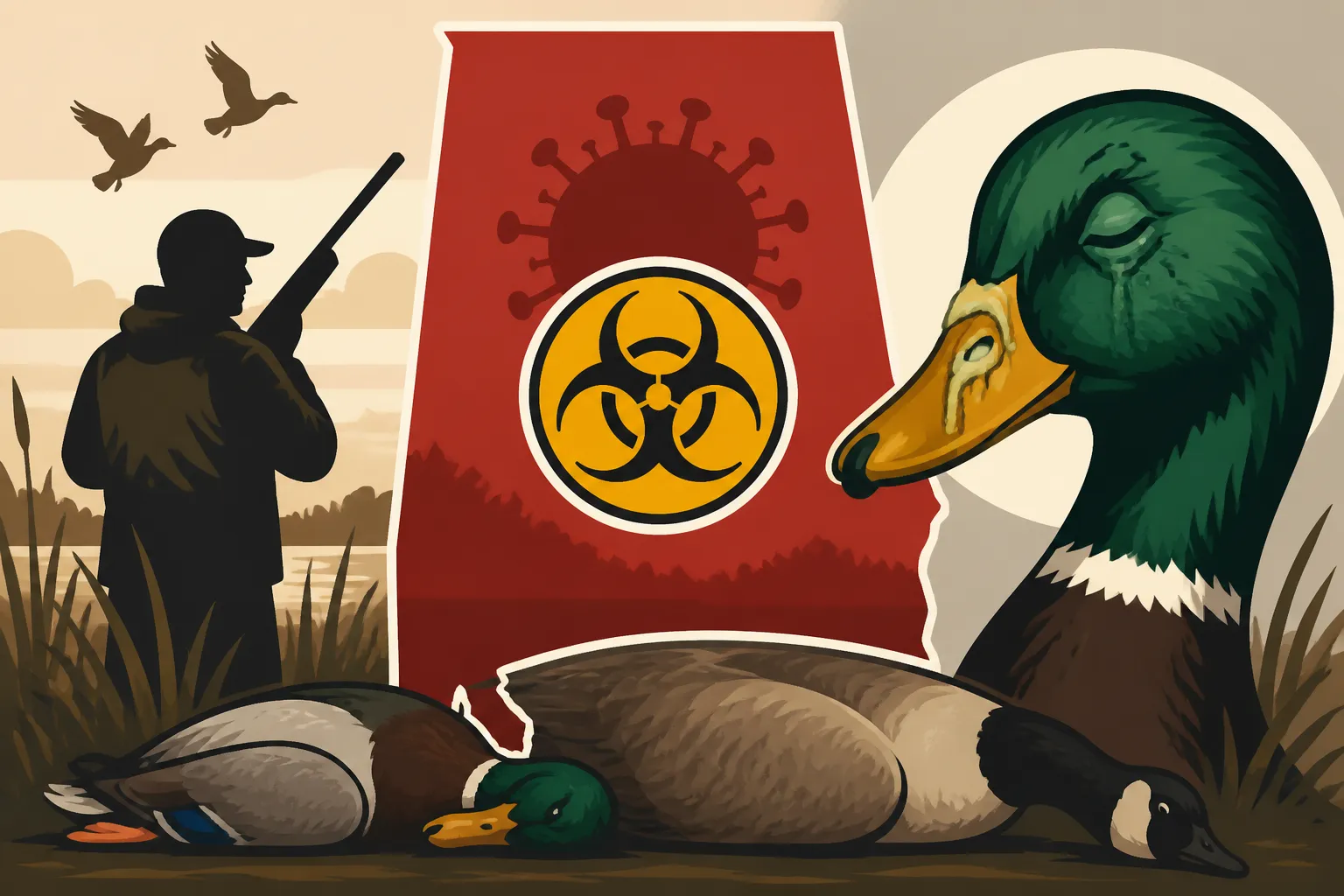
Avian Influenza in Alabama Birds
As a hunter and outdoors enthusiast in Alabama, you're deeply connected to our state's diverse wildlife. So, it's completely understandable to feel a pang of concern when you hear about diseases like avian influenza, or "bird flu," especially with our incredible migratory bird populations. This guide is here to cut through the noise, explaining what avian influenza means for Alabama's birds, what to look for, and how hunters can play a vital role in monitoring and preventing its spread.
Understanding Avian Influenza and Its Impact on Alabama's Birds
Avian influenza is one of those topics that can sound intimidating, but when you break it down, it's about understanding a virus that primarily affects our feathered friends. For us in Alabama, particularly those who spend time around waterfowl and other bird habitats, knowing the basics is key to staying informed and acting responsibly.
What is Avian Influenza?
At its core, avian influenza (AI) refers to a group of viruses that naturally circulate among wild aquatic birds worldwide. Think of it like a family of flu viruses that birds can get. These viruses are categorized into different types based on specific proteins on their surface, known as H and N antigens (like H5N1 or H7N2, for instance). While many strains of avian influenza viruses cause no or mild signs of disease in infected birds, some can be highly pathogenic.
The real concern, especially in recent years, has been with highly pathogenic avian influenza (HPAI). These HPAI strains can cause severe illness and high mortality rates in certain bird species, not just domestic poultry but also some wild birds. Wild birds, especially waterfowl like ducks and geese, are often natural carriers of AI viruses. They can carry and shed these viruses in their droppings and respiratory secretions without showing any visible signs of illness themselves. This makes them efficient, if unwitting, spreaders, particularly along major migration routes like the Alabama Waterfowl on the Mississippi Flyway.
How AI Affects Wild Birds in Alabama
Alabama sits squarely within the Mississippi Flyway, a critical migratory path for millions of birds traveling north and south each year. This means our state's waterways, wetlands, and fields are temporary homes for a vast array of species, making us a key location for potential avian influenza activity. When migratory waterfowl, which are often resistant carriers, intermingle with other species, the virus can spread.
Different species react to AI in different ways. For many ducks and geese, an HPAI infection might go unnoticed. They might shed the virus, but they don't get sick enough to stop migrating or feeding. This is why waterfowl are often considered reservoir hosts. However, the virus can be devastating for other wild birds, particularly raptors (like eagles and hawks), shorebirds, gulls, and even some land birds. These species can succumb rapidly to HPAI, showing neurological symptoms, respiratory distress, or simply being found dead without obvious injury.
For instance, we've seen impacts in coastal marshes, river deltas, and even inland ponds where waterfowl congregate. While it’s rare to see widespread die-offs across all bird species, localized clusters of sick or dead birds, especially non-waterfowl, can certainly occur. These events are alarming for anyone who values our natural environment and underscore the importance of understanding the virus and its potential reach within our ecosystem. Hunters, particularly those engaged in Waterfowl Hunting Alabama's River Deltas or Dove Hunting Alabama Opening Weekend, are often the first to notice unusual bird behavior or mortalities.
Recognizing Signs and Reporting Suspected Cases
It's natural to feel a bit overwhelmed thinking about what to look for and what to do, but being observant and knowing who to contact are two of the most powerful tools we have against wildlife diseases. Remember, you're not expected to be a veterinarian, just an alert citizen of our outdoor community.
What to Look For in Alabama's Wild Birds
When you're out in the woods, on the water, or even just observing birds in your backyard, keep an eye out for anything unusual. Specific signs of highly pathogenic avian influenza in wild birds often include:
- Sudden, unexplained deaths: This is perhaps the most obvious sign, especially if you find multiple dead birds in one area without clear signs of trauma (like being hit by a vehicle or predator).
- Neurological symptoms: Birds might appear disoriented, have tremors or seizures, or be unable to stand or fly properly. They might swim in circles or hold their heads at odd angles.
- Respiratory distress: Difficulty breathing, coughing, sneezing, or discharge from the nostrils are all red flags.
- Swelling: Swelling around the head, eyelids, comb (on chickens/turkeys), or wattles.
- Lethargy and lack of responsiveness: A bird that is unusually quiet, doesn't react to your presence, or just looks generally unwell.
- Diarrhea: Abnormal droppings.
It's important to remember that many other things can cause birds to get sick or die, but if you observe a cluster of these symptoms, especially in waterfowl, raptors, or shorebirds, it warrants attention. The key is not to handle sick or dead birds directly. The virus can persist on feathers and surfaces, and while human infection from wild birds is exceedingly rare, it’s always best to practice caution. Reading Alabama Mud for Fresh Deer Movement might be second nature, but reading bird behavior requires a different kind of vigilance.
The Importance of Reporting and Who to Contact
Your role as an observant hunter or outdoors person is absolutely critical. Wildlife agencies rely on public reports to track disease outbreaks and understand their scope. Without timely reports, it’s much harder for experts to monitor the situation, implement control measures if necessary, and keep the public informed. Think of it as contributing to the collective knowledge about Alabama Wildlife Disease Monitoring.
If you find sick or dead wild birds that you suspect might have avian influenza, here's what you should do:
- Do NOT touch the bird. Keep people and pets away from it.
- Note the location: Be as specific as possible (GPS coordinates if you have them, or detailed landmarks).
- Count the birds: How many are sick or dead?
- Identify the species (if possible): Knowing what kind of bird it is helps biologists.
- Observe symptoms (from a distance): What did you see that made you concerned?
Once you have this information, you should immediately contact the Alabama Wildlife and Freshwater Fisheries Division or the Alabama Department of Agriculture and Industries (State Veterinarian's Office). These are the experts equipped to safely investigate the situation. You can usually find their contact information on the official Alabama Department of Conservation and Natural Resources (ADCNR) website or by searching for "Reporting a Sick Animal in Alabama". They will provide instructions on how to proceed. It's a fundamental part of responsible outdoor stewardship, much like reporting an illegal harvest or knowing your Alabama Deer Season Structure Explained.
| Symptom Category | Specific Signs to Look For (from a distance) | What to Do |
|---|---|---|
| General Demeanor | Lethargy, extreme weakness, lack of response to human presence | Do NOT approach or touch. Report immediately. |
| Movement/Coordination | Tremors, seizures, inability to stand/walk/fly, swimming in circles, head tilts | Observe carefully from a safe distance. Report. |
| Respiratory Issues | Difficulty breathing, gaping beak, nasal discharge, coughing, sneezing | Note specific sounds/secretions. Report. |
| Physical Swelling | Swelling around eyes, head, neck, joints | Note location and extent of swelling. Report. |
| Sudden Mortality | Multiple dead birds in an area without obvious cause | Count number, identify species if possible. Report. |
Practical Precautions for Alabama Hunters
While the risk to humans from wild birds is considered low, it's always smart to take sensible precautions when handling game. As hunters, we're often in close contact with wild animals, and that means being proactive about hygiene, not just for ourselves but also to prevent any potential spread to domestic animals.
Handling Harvested Birds Safely
If you're out hunting waterfowl, doves, or other game birds, common sense hygiene goes a long way. This isn't just about avian influenza; it's good practice for preventing the spread of any potential bacteria or pathogens that wild animals might carry.
Here are some key safety tips:
- Wear Gloves: Always wear disposable gloves when handling harvested birds, cleaning them, or dressing them. This creates a barrier between you and any potential pathogens.
- Eye Protection: Consider wearing eye protection, especially when cleaning birds, to prevent splashes of fluids or tissue from entering your eyes.
- Wash Hands Thoroughly: After handling birds, remove gloves and wash your hands thoroughly with soap and warm water for at least 20 seconds. An alcohol-based hand sanitizer (at least 60% alcohol) can be used if soap and water aren't immediately available, but always follow up with soap and water as soon as possible.
- Clean and Disinfect Equipment: All tools, surfaces, and equipment that come into contact with harvested birds – knives, cutting boards, surfaces, coolers, vehicles – should be thoroughly cleaned and disinfected. A bleach solution (1 tablespoon of bleach per gallon of water) is effective for disinfection, or use other commercial disinfectants.
- Cook Meat Thoroughly: Always cook game meat to an internal temperature of at least 165°F (74°C). This will kill any bacteria or viruses, including avian influenza, that might be present. Undercooked game is never a good idea.
- Dispose of Waste Properly: Carcasses, feathers, and any other waste from cleaning birds should be disposed of in sealed bags in the trash or buried deeply in an appropriate location, away from water sources and other animals. Do not leave carcasses exposed where scavengers might access them.
- Avoid Sick Birds: If you harvest a bird that appears visibly sick or lethargic, or shows any of the symptoms mentioned earlier, it's best to avoid processing it. Double-bag it, dispose of it properly, and report the finding to the appropriate wildlife agency.
Following these practices ensures not only your safety but also helps maintain the health of our wildlife populations. Even if you're excited about your Alabama Duck Daily Bag Limit, taking a moment for proper handling is crucial.
Protecting Domestic Poultry and Avoiding Spread
One of the biggest concerns with highly pathogenic avian influenza is its potential to jump from wild birds to domestic poultry. This can lead to devastating losses for backyard chicken keepers and commercial poultry operations. As hunters, we have a responsibility to prevent this spread. If you have chickens, ducks, or other poultry at home, or if you visit farms with poultry, biosecurity is paramount.
Here are crucial steps to take:
- Change Clothes and Footwear: After hunting, especially waterfowl or if you’ve been in areas with high bird concentrations, change out of your hunting clothes and clean your boots before interacting with your domestic birds. Consider having dedicated footwear for your poultry area.
- Disinfect Equipment: Thoroughly clean and disinfect any equipment that goes from your hunting trips to your backyard – this includes calls, decoys, dog crates, and vehicles.
- Shower: A shower after hunting can remove any microscopic particles that might be clinging to you.
- Limit Contact: Try to minimize direct contact between your hunting dogs (if they retrieve birds) and your domestic poultry. If a dog has been retrieving, ensure it's thoroughly cleaned before coming near your flock.
- Monitor Your Flock: Keep a close eye on your domestic birds for any signs of illness. If you notice symptoms like sudden deaths, decreased appetite, respiratory issues, or changes in egg production, contact your veterinarian immediately.
Resources like GoHunt often provide a wealth of general hunting information, including safety tips and responsible practices. However, for specific disease protocols or concerns related to your local area, always consult the Alabama Department of Conservation and Natural Resources or the State Veterinarian's Office. Their guidelines are tailored to our state's specific situation and are the most authoritative source for safeguarding both wild and domestic bird populations. Whether you're hunting Squirrel Hunting Alabama Bottomland Hardwoods or focusing on waterfowl, always think about the larger ecosystem.
Long-Term Outlook and Monitoring in Alabama
Understanding avian influenza isn't just about immediate reactions; it's about being part of a long-term effort to monitor and manage wildlife health. Our state agencies, with the help of federal partners, are continuously working to keep tabs on this and other wildlife diseases, and hunters remain a vital component of that network.
State and Federal Monitoring Efforts
The Alabama Wildlife and Freshwater Fisheries Division, in conjunction with agencies like the USDA's Animal and Plant Health Inspection Service (APHIS), maintains ongoing surveillance programs for avian influenza. These programs are designed to:
- Track Virus Presence: By testing samples from wild birds, especially waterfowl, collected through various means (e.g., hunter-harvested birds, live-trapped birds, or found dead birds), they monitor for the presence and specific strains of AI circulating in our state. This helps them understand the current risk level.
- Identify Outbreaks: Early detection of HPAI in wild bird populations allows agencies to issue advisories, inform the public, and implement necessary biosecurity measures for poultry producers. This proactive approach helps to mitigate the economic impact on the poultry industry and minimize further spread.
- Understand Transmission Dynamics: Research and monitoring help biologists understand how the virus moves through populations, which species are most affected, and how environmental factors might influence its spread. This information is crucial for developing effective management strategies.
- Public Education: A key part of monitoring is also informing the public about the risks, symptoms, and what steps to take. This knowledge empowers hunters, birdwatchers, and rural residents to be active participants in wildlife health surveillance.
These efforts are a continuous loop of data collection, analysis, and communication, ensuring that we have the most current understanding of diseases like avian influenza. This work is similar to how the state monitors other wildlife health concerns, such as EHD Die-Offs in Alabama Deer or the ongoing situation with Alabama's Chronic Wasting Disease Management Zone.
How Hunters Can Continue to Help
For generations, hunters have been among the most dedicated conservationists and stewards of our natural resources. When it comes to issues like avian influenza, our role is more important than ever. We are often the eyes and ears on the ground, observing wildlife in places and at times others do not.
Here’s how you can continue to be an invaluable asset:
- Stay Vigilant and Report: Keep practicing the advice above regarding recognizing sick or dead birds and reporting them promptly. Your reports are a crucial piece of the puzzle for wildlife disease specialists. Don't assume someone else will report it; if you see something, say something.
- Adhere to Biosecurity: Maintain excellent personal hygiene and biosecurity practices, especially if you also have domestic poultry. This is a simple but incredibly effective way to prevent disease transmission.
- Stay Informed: Keep an eye on official announcements from the Alabama Department of Conservation and Natural Resources (ADCNR) and the Alabama Department of Agriculture and Industries regarding avian influenza and other wildlife health advisories. While general hunting platforms like GoHunt can offer broad information, always prioritize official state resources for specific health and safety guidelines.
- Support Wildlife Research: Your participation in voluntary harvest surveys, submitting samples (if requested by biologists), and adherence to regulations regarding Alabama Waterfowl Zones and Seasons all contribute to the data that helps agencies manage wildlife populations and monitor their health effectively.
- Educate Others: Share what you learn with fellow hunters, friends, and family. The more people who are aware and vigilant, the stronger our collective defense against wildlife diseases becomes.
Our commitment to Alabama's rich hunting heritage extends beyond the harvest; it encompasses a deep respect and responsibility for the health of the very animals we pursue. By remaining informed, vigilant, and proactive, we ensure that Alabama's wild bird populations remain healthy for future generations to enjoy.
Disclaimer
This article is for general informational purposes only and does not constitute professional advice. Laws, prices and regulations vary by location and change over time. Consult a qualified professional for guidance on your specific situation.