When Woodcock Migrate Through Alabama
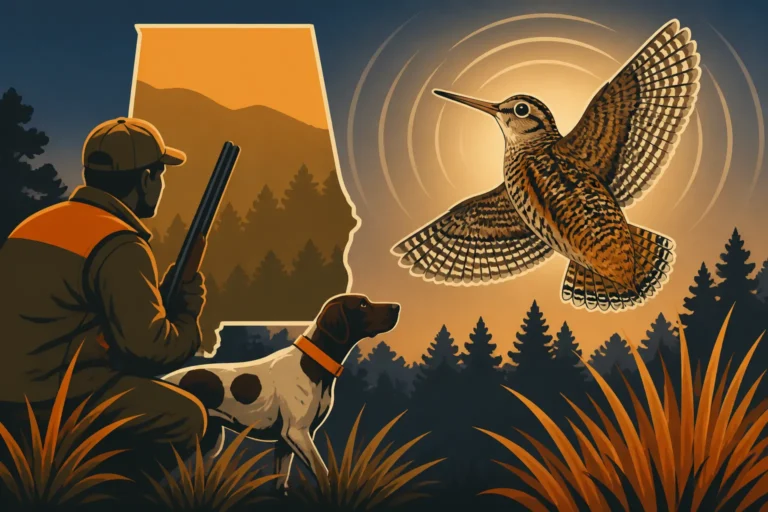
If you're an Alabama hunter who loves the thrill of flushing timberdoodles, you know the frustration of trying to pinpoint when those elusive woodcock actually decide to show up in our state. It often feels like a guessing game, tied to distant weather patterns and a whole lot of hope. This guide is going to break down the migratory patterns of American woodcock through Alabama, helping you understand the cues to look for and significantly improve your chances of being in the right place at the right time for some fantastic wingshooting.
Understanding the Woodcock Migration Through Alabama
Woodcock migration isn't a flick of a switch; it's a gradual, often weather-driven, movement of birds from their northern breeding grounds down to their wintering habitat. For us here in Alabama, we're at the southern end of a significant portion of their migratory route, making us a crucial wintering destination. Knowing when to expect them means paying attention to more than just our local calendar.
The General Timeline for Woodcock Arrival
Generally speaking, Alabama starts seeing its first influx of migratory woodcock as early as late October, but the real push usually happens a bit later. Think late November through early December. This is when colder weather systems to our north really start to make those birds uncomfortable, prompting them to move south in larger numbers. It’s not uncommon to find scattered birds before then, especially after a strong cold front, but widespread presence typically solidifies closer to winter.
The bulk of the woodcock population will settle into their wintering grounds by mid-December, and they'll remain with us through January and even into February. The departure often mirrors the arrival – a gradual process, but usually as spring begins to whisper promises of warmer weather, often by late February or early March, they'll start their journey back north to breed. This means we have a pretty good window, but timing that initial arrival is key for hunters eager to get first crack at them.
Why Woodcock Migrate South
Woodcock, often called "timberdoodles" for their unique appearance and habitat, are insectivores. Their primary food source is earthworms, which they probe for with their long, sensitive bills. When the ground freezes solid up north, or when persistent snow cover makes probing impossible, their food supply vanishes. This ecological pressure is the driving force behind their southern migration. They need soft, moist soil to feed, and Alabama's relatively mild winters and abundant bottomland habitat provide just that. So, when you hear about hard freezes and heavy snowfalls blanketing states like Michigan, Wisconsin, or even further north in the Canadian provinces, you can bet some woodcock are already packing their bags for a warmer climate like ours.
Key Factors Influencing Woodcock Arrival and Departure
Predicting the exact day woodcock arrive is like predicting the exact day a cold front will sweep through—you can get close, but nature always has the final say. However, by understanding the key factors at play, you can become a much more astute observer and hunter.
Weather Patterns Up North
The most significant driver of woodcock migration into Alabama is the weather in their northern breeding grounds. A sudden, deep freeze or heavy, persistent snowfall across the upper Midwest and Northeast will push birds south much faster and in larger numbers than a gradual onset of winter. Think of it as a domino effect: cold weather north of Tennessee pushes birds into Tennessee and Kentucky, and then a subsequent cold snap or more intense winter weather there sends them further into Alabama.
I always keep an eye on those northern forecasts, especially starting in late October. If you see sustained temperatures below freezing for several days, or significant snow accumulation forecasted in places like Ohio, Pennsylvania, or even Missouri, it's a good bet that many woodcock are already on the wing heading our way. You can almost track the migration by following the coldest weather southward. This is a great time to check tools like GoHunt or other weather mapping applications to visualize those fronts moving south.
Local Alabama Weather Conditions
While northern weather gets the birds moving, local Alabama conditions dictate where they'll stop and how long they'll stay. Woodcock prefer moist, soft soils for feeding, so areas with good rainfall, especially in bottomlands, creek bottoms, and young pine plantations, are magnets for them. If Alabama is experiencing a prolonged drought, migratory birds might bypass traditionally good spots for areas with more reliable moisture.
Conversely, a very wet fall and early winter can create ideal habitat conditions, spreading birds out but also making more areas attractive. A severe, extended cold snap in Alabama can temporarily push birds further south towards the Gulf Coast, or even into Florida. They're looking for that sweet spot of cover and accessible food. The ideal hunting conditions often follow a few days after a cold front has settled, giving birds a chance to get settled in their new habitat.
Habitat Quality and Food Availability
Woodcock are pretty specific about their habitat. They need dense, early successional cover—think young pines, sweetgum thickets, alder bottoms, and overgrown fields. This dense cover provides protection from predators and places to roost. Critically, they also need access to soft, moist soil rich in earthworms. You won't find many woodcock in mature, open timber or dry, upland areas.
The quality of the habitat across their migratory route and here in Alabama impacts how many birds make it, and where they ultimately settle. Forest management practices like clear-cutting and prescribed burning, when done correctly, can create excellent woodcock habitat. Hunters often find success scouting areas that have been recently logged and are growing back into dense thickets. Looking for signs like their distinct "chalk" (splashing white droppings) and probe holes in the ground are dead giveaways that birds are present. Alabama Woodcock Singing Ground Surveys give insight into where birds might be, but active scouting is always best.
Prime Hunting Windows and Tactics in Alabama
Once you understand when and why woodcock migrate, you can refine your hunting strategy. It's about being prepared and knowing what to look for when the conditions align.
Targeting Early Season Arrivals
The first wave of woodcock, usually in late October to mid-November, can be scattered but offer exciting hunting. These birds are often still fresh from their journey and might be a little more eager to flush. They haven't been pressured yet, making for some excellent opportunities. Focus on those prime habitat areas right after a strong cold front has passed through the northern states and settled into Alabama.
Early season woodcock are often found in the lushest, densest cover available, especially near water sources like creek bottoms or low-lying areas that retain moisture. Squirrel Hunting Alabama Bottomland Hardwoods can be a great way to explore similar habitats where woodcock might be present, allowing you to scout for both species simultaneously. Be prepared for thick walking—it’s not a casual stroll, but the reward of a timberdoodle flush is worth it.
Hunting the Peak Migration and Wintering Period
The real numbers typically hit Alabama from mid-November through early January. This is often the most consistent time to find birds. During this peak, woodcock are more established in their wintering grounds. They might be found in slightly larger concentrations, though still often spread out as individuals or small groups. This is when patience and persistence truly pay off.
The challenge during this period can be finding birds that haven't been hunted much. Public land areas, especially those with suitable habitat, can hold good numbers. Consider checking out areas within national forests like parts of the Talladega National Forest Hunting or William B. Bankhead National Forest Hunting if they have the right early-successional cover. Look for those dense, young pine stands or alder bottoms. Many hunters use pointing dogs, and this is where their value truly shines, allowing them to pinpoint birds hidden in the thick cover.
| Migration Phase | Typical Timing in Alabama | Key Weather Cues (North) | Key Local Conditions (AL) | Hunting Strategy Focus |
|---|---|---|---|---|
| Early Arrivals | Late Oct – Mid-Nov | First significant cold fronts | Moist, dense cover | Scout fresh thickets, focus near water, unpressured birds |
| Peak Migration | Mid-Nov – Early Jan | Sustained northern cold/snow | Abundant moist habitat | Target traditional wintering grounds, dog work helps |
| Late Season | Mid-Jan – Late Feb | Warming trends begin | Birds more wary | Seek out remaining dense cover, persistent effort |
| Departure | Late Feb – Early Mar | Consistent southern warmth | Fading numbers | Scattered birds, focus on last good cover |
Late Season and Departure Strategies
As January rolls into February, Alabama woodcock season is winding down, and birds may begin to stage for their northward migration. By this point, many birds have been hunted, and they can be notoriously "flighty," flushing wilder and flying faster. Persistence is key, and covering ground in proven areas is often the best bet.
Habitat can also shift slightly in late season. As some areas dry out, birds might concentrate in the very wettest, densest pockets of cover. Keep an eye on warming trends, as prolonged mild weather might trigger an earlier departure for some birds. It's a great time to truly savor the last flushes of the season, knowing that these unique little birds will soon be winging their way back to their breeding grounds up north.
Scouting and Tools for Woodcock Hunters
Successful woodcock hunting isn't just about showing up when the season is open. It's about intelligent scouting and using the right tools to narrow down those prime locations.
Using Technology for Scouting
In today's world, technology can be a huge asset for woodcock hunters. Satellite imagery and topographical maps, available through apps like GoHunt, allow you to identify potential habitat before you even step foot in the woods. Look for areas with dense, younger tree growth (often appearing as brighter green or mottled patches), especially bordering wetter areas or creek drainages. Identifying clear-cuts that are five to fifteen years old can be goldmines, as they grow into the perfect cover for woodcock.
Layering these maps with property lines can also help you understand access points, whether on public land or for Getting Private Land Permission in Alabama. Checking real-time weather radar and historical weather patterns for the flyway states can give you a heads-up on incoming birds. You can also monitor Alabama's Chronic Wasting Disease Management Zone boundaries if you happen to be hunting near that area, just to be aware of any regulations.
On-the-Ground Scouting and Sign
Once you've identified potential areas on a map, the real work begins. On-the-ground scouting is invaluable for woodcock. Look for their distinct "chalk" or splashes of white droppings, often found on leaves, logs, or brush piles where they've been feeding or roosting. Their probe holes in the soft ground, about the diameter of a pencil, are another sure sign.
Walking creek bottoms, young pine plantations, and dense briar patches while keeping an eye out for these signs will confirm bird presence. Even without a dog, you can sometimes flush a bird by accident, giving you a clue that you're in the right type of cover. Pay attention to the types of vegetation—alder, sweetgum, young pines, and dense briars are key. Scouting Alabama Public Land Before Season is crucial not only for deer but also for small game like woodcock, helping you understand access and habitat.
The Role of a Good Bird Dog
For many woodcock hunters, a well-trained bird dog is indispensable. Woodcock hold very tight, often flushing at your feet, and a good pointing dog can pinpoint their location in dense cover long before you'd ever see them. A dog also drastically improves your recovery rate on downed birds in thick vegetation. While it's certainly possible to hunt woodcock without a dog, having a canine companion elevates the experience and can significantly increase your success. They cover ground, use their nose to find scent, and hold steady on point, making for some truly memorable flushes and shots.
Disclaimer
This article is for general informational purposes only and does not constitute professional advice. Laws, prices and regulations vary by location and change over time. Consult a qualified professional for guidance on your specific situation.