Alabama’s Place on the Woodcock Flight
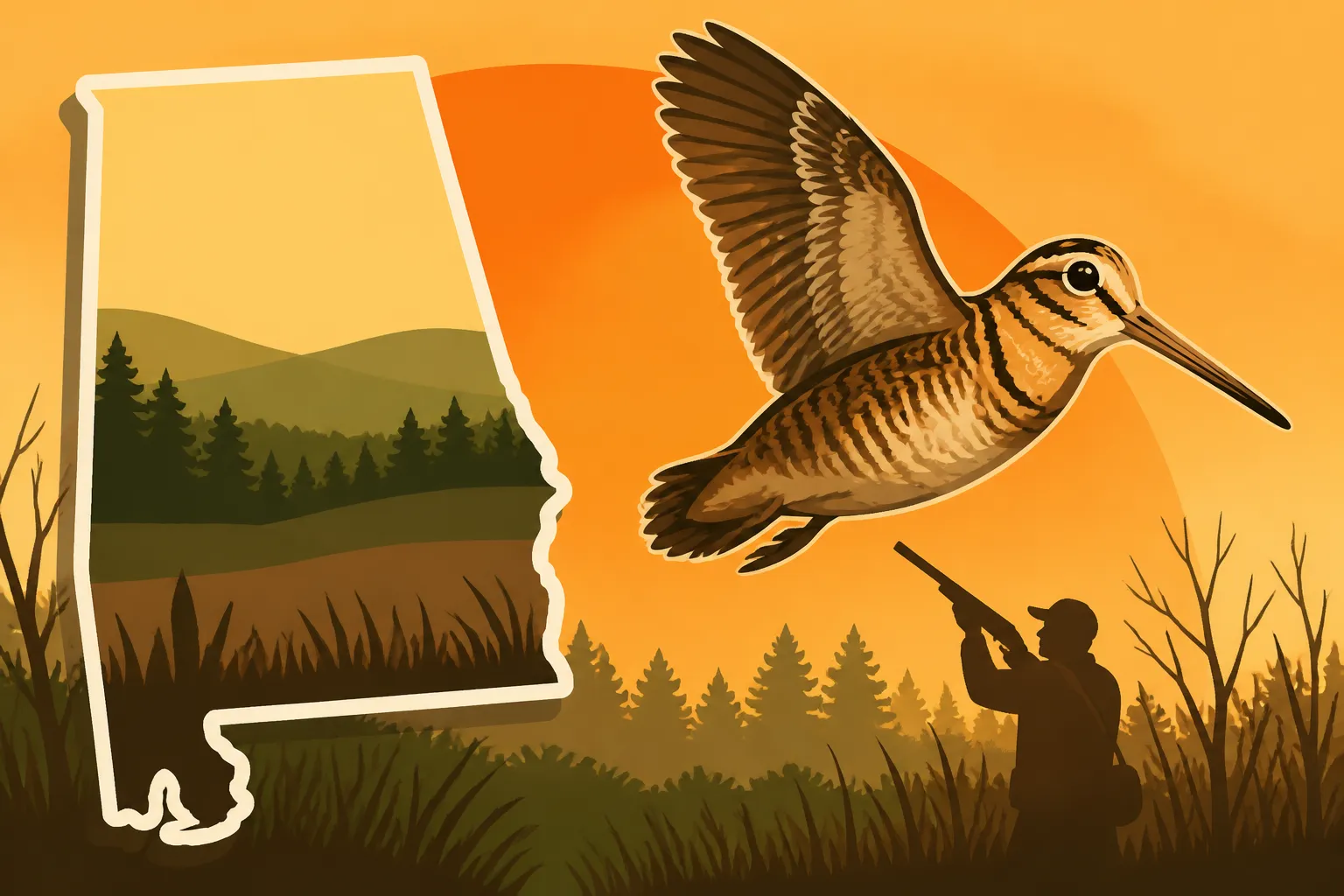
For many hunters in Alabama, the thought of chasing woodcock, often affectionately called "timberdoodles," can feel like searching for a needle in a haystack. While we're blessed with an abundance of deer and turkey, these secretive, long-billed migratory birds offer a unique, challenging, and incredibly rewarding hunting experience that often gets overlooked. This guide aims to pull back the curtain on Alabama's place in the woodcock migration, helping you understand where and when to find these elusive birds and how to make the most of your time in the dense cover they call home.
Understanding the American Woodcock Migration Through Alabama
The American woodcock is a fascinating little bird, known for its unique appearance, erratic flight, and reliance on specific, often overlooked, habitat. For hunters in Alabama, connecting with these birds means understanding their migratory patterns and how our state fits into their larger journey. It’s not about finding resident birds; it’s about intercepting a “soft flight” that’s pushing south, usually just ahead of a cold snap.
The Atlantic Flyway and Alabama's Role
While many associate Alabama with the Mississippi Flyway for waterfowl, the American woodcock's migration often follows a different, broader path, with many birds utilizing what's often referred to as the Atlantic Flyway or a blend of migratory corridors. Essentially, woodcock from breeding grounds stretching across the upper Midwest, New England, and even parts of eastern Canada will make their way south. Alabama serves as a crucial wintering ground, particularly for those birds seeking milder climates when their northern homes freeze over. It’s not a consistent, massive push like some duck migrations; rather, it's a gradual trickle and accumulation as weather dictates.
These birds aren't traveling in huge flocks; instead, they move individually or in small groups, often at night. Their arrival in Alabama is less about a fixed date and more about a response to dropping temperatures and freezing ground up north. When the ground freezes solid in states like Pennsylvania or Ohio, the woodcock's primary food source – earthworms – becomes inaccessible. That's their cue to head south, often stopping wherever they find suitable moist, brushy cover.
Alabama provides a patchwork of this critical wintering habitat, particularly in its central and southern regions, where temperatures generally remain mild enough to keep the ground soft. Knowing this helps you narrow down your search, focusing on areas that offer the right combination of shelter and accessible food. It’s a game of patience and timing, often rewarded after a strong cold front pushes through the heartland.
Prime Arrival and Departure Windows
Predicting the exact arrival of woodcock in Alabama can feel like chasing ghosts, but there are general windows that prove more fruitful. The bulk of the woodcock migration typically begins in earnest in the late fall, often starting in November and extending through December. Your best chances usually coincide with sustained cold snaps up north, which send new waves of birds winging their way south. Think about tracking weather patterns in states like Michigan, Wisconsin, or even further east like Pennsylvania; when they get a deep freeze, we often see new birds.
The peak of the woodcock presence in Alabama usually runs from December through January. During this time, birds have settled into their wintering grounds, and if the weather remains mild enough to keep the soil soft, they'll often stay in the same general areas for a period. This is when hunters with good dogs and a keen eye for cover can have some truly memorable hunts. By February, as days lengthen and temperatures begin to warm, many birds will start their northward journey again, often triggered by subtle environmental cues.
While the season can extend into March, the numbers of birds typically dwindle as they head back to their breeding grounds. It's a delicate dance with nature, where a sudden warm spell can send them packing early, or a prolonged cold snap might hold them here longer. Therefore, staying flexible and keeping an eye on both local weather and broader migratory reports is key to maximizing your chances of finding these quirky little game birds.
Identifying Key Woodcock Habitat in Alabama
Unlike deer or turkeys, which utilize a wide range of cover, woodcock are quite specific about their preferred habitat. Understanding what they're looking for is the single most important factor in finding these elusive birds. It’s not about vast timber; it’s about dense, young, and often overlooked edges and bottoms.
The Classic "Timberdoodle" Cover
Woodcock, often called "timberdoodles," have a very particular taste in real estate. They thrive in young, dense, brushy cover that provides both concealment from predators and easy access to their primary food source: earthworms. Think of areas with a high stem count – literally, lots of saplings and brush growing close together – that are usually within close proximity to moist soil. Alder thickets are classic woodcock cover in northern states, but in Alabama, you're more likely looking for young pine plantations, especially those 5-15 years old with dense undergrowth, or hardwood bottoms that have been recently logged and are regenerating.
Stream bottoms and the edges of old fields that are reverting to forest are also prime spots. Look for areas where multiflora rose, privet, cane, or other thick, thorny brush has taken over. These spots often stay damp, keeping the soil soft for boring, and provide that crucial overhead cover. Don't be afraid to explore areas that might seem too thick for other game; if you have to push through it, it's probably good woodcock cover. These areas are often adjacent to mature timber, providing a nearby escape route or loafing cover.
A good rule of thumb is to seek out areas of early successional habitat – places that are transitioning from open ground back to forest. These can be old clear-cuts, neglected pasture edges, or even power line rights-of-way that aren't mowed annually. The key is that combination of dense vertical cover, soft ground, and proximity to water or seasonally wet areas. Without these specific elements, your chances of finding woodcock are significantly reduced, no matter how many miles you put on your boots. You might even find good pockets while Squirrel Hunting Alabama Bottomland Hardwoods.
Reading the Landscape for Woodcock Sign
Finding the right type of cover is one thing; confirming that woodcock are actually using it is another. Fortunately, these birds leave tell-tale signs of their presence, if you know what to look for. The most definitive evidence is their "boring" holes. Woodcock probe the soft ground with their long bills, creating small, perfectly round holes, about the size of a pencil eraser, as they search for earthworms. These holes will often be clustered together in areas where the birds have been actively feeding.
Another key sign is "splashings," which are their distinctive, white, chalky droppings. These usually stand out against the leaf litter and are often found near their feeding and resting areas. Since woodcock are primarily active at dawn and dusk, and often feed at night, finding fresh splashings and boring holes in the morning tells you they've been there recently. The fresher the sign, the better your chances of flushing a bird.
It’s also helpful to look for small, flattened depressions in the leaf litter, which can indicate where a woodcock has rested. Over time, as you spend more hours in their habitat, your eye will become trained to spot these subtle clues. Remember, woodcock can be quite transient, so fresh sign is paramount. If you find old, dried-out sign, the birds have likely moved on. This reconnaissance is critical, and a good bird dog will often point to these areas before you even see the visual cues.
Here's a quick look at preferred woodcock habitat characteristics:
| Characteristic | Description | Why Woodcock Like It |
|---|---|---|
| Vegetation Type | Young hardwood or pine stands (5-15 years old), dense shrub thickets, multiflora rose, privet, cane. | Provides dense vertical cover for concealment and protection from aerial predators. |
| Soil Moisture | Moist, soft, loamy soil, often near seeps, stream bottoms, or poorly drained areas. | Allows easy probing for earthworms, their primary food source. Prevents freezing, making food accessible. |
| Canopy Cover | Generally open to partial canopy, allowing sunlight to reach the understory. | Encourages dense undergrowth development; too dense a canopy shades out desired ground cover. |
| Understory | High stem density, thick ground cover, intertwining branches. | Offers maximum concealment and creates a barrier for ground predators. Provides shelter from wind and cold. |
| Disturbance | Recently logged areas, old fields reverting to forest, clear-cuts, prescribed burns. | Promotes early successional growth, creating the dense, young habitat they require. |
| Proximity | Often found near mature timber (for roosting) or water sources. | Provides alternative cover options and ensures constant access to water and potential insect hatches. |
Scouting and Locating Woodcock Hotspots
Finding woodcock is less about luck and more about diligent scouting. These birds are not everywhere, and even in good cover, they can be spread thin. You need a systematic approach to identify high-probability areas and then confirm their presence.
Leveraging Technology for Habitat Identification
In today's world, technology can give you a serious edge in your woodcock scouting. Before you ever lace up your boots, you can spend hours digitally scouting promising areas from the comfort of your home. Tools like GoHunt (or other similar mapping platforms) are invaluable for this. You can layer topographic maps with up-to-date satellite imagery to identify those tell-tale dense, low-lying areas that scream "woodcock habitat." Look for distinct changes in vegetation, areas marked as "regenerating timber," or spots with a visible network of small creeks and drainages.
Using these mapping tools, you can zoom in on property lines, identify access points, and even mark potential stand locations – though with woodcock, it's more about walking through the cover than sitting. You'll be looking for blocks of 5- to 15-year-old pines or hardwoods, especially those bordered by mature timber or water. Pay close attention to features like old logging roads that might create edges, or low-lying areas that look like they'd hold moisture. This is similar to how many use mapping apps for identifying deer habitat, such as when Reading Aerial Photos for Piedmont Deer, just with a focus on different cover types.
Many of these apps allow you to create custom waypoints and routes, which is incredibly helpful when you're navigating dense, featureless cover on the ground. You can mark areas where you find sign, flush birds, or identify particularly good habitat to revisit. Always remember to download offline maps if you're heading into areas with spotty cell service, which is common in many of Alabama's prime woodcock locations.
On-the-Ground Reconnaissance and Persistence
No amount of digital scouting can replace boot leather on the ground. Once you've identified promising areas on your maps, it's time to hit the woods. This is where the real work begins, and it often requires persistence. Woodcock are masters of camouflage, and they hold incredibly tight, so you can walk right past them without ever knowing they were there. This is especially true if you're hunting without a dog. Even a good dog will miss birds sometimes in the thickest cover.
Walk slowly, zig-zagging through the thickest parts of the cover. Keep your eyes peeled for those tell-tale boring holes and splashings. If you find fresh sign, slow down even more and start really dissecting the cover. A good strategy is to walk into the wind, allowing your scent to carry past potential birds and preventing them from flushing ahead of you undetected. When you're Scouting Alabama Public Land Before Season, it's a good practice to walk without a gun, just focusing on identifying and marking birdy areas.
Remember that woodcock are migratory, and their presence can be fleeting. An area that held birds one week might be empty the next, especially if there's a significant weather change. This means repeated visits might be necessary throughout the season. Don't get discouraged if your first few trips yield no birds; that’s just part of the woodcock challenge. The reward of a timberdoodle flushing from under your feet is well worth the effort.
Essential Gear and Tactics for Alabama Woodcock Hunting
Woodcock hunting is a unique pursuit that calls for specific gear and tactics to be successful. You're not sitting in a treestand or calling from a blind; you're actively pursuing birds in some of the densest cover imaginable.
Shotguns, Loads, and Chokes
When it comes to woodcock hunting, the name of the game is quick, close-range shots in thick cover. This means your shotgun setup should reflect that. Forget the tight chokes and heavy loads you might use for waterfowl or doves. For woodcock, an open choke is king – cylinder, skeet, or improved cylinder are your best friends. These chokes spread the shot quickly, giving you a wider pattern to hit a fast-flushing bird at 10-25 yards.
As for gauges, lighter, fast-handling shotguns are preferred. A 20-gauge, 28-gauge, or even a .410 can be incredibly effective and less fatiguing to carry through heavy brush all day. Many hunters also favor side-by-side or over/under shotguns for their balance and quick swing, but a pump or semi-auto can work just as well if it's nimble. The goal is a gun you can shoulder and swing quickly in a tangle of branches.
For ammunition, small shot sizes are ideal. #8 or even #9 shot, typically in a light game load, will provide plenty of pellets to humanely take down a woodcock without over-penetrating and destroying meat. These birds aren't heavily feathered, and they aren't armored; a dense pattern of small shot is far more effective than fewer, larger pellets. The combination of open choke and small shot creates a "wall of lead" that's hard for a rapidly rising woodcock to escape.
Working With a Bird Dog
Ask any seasoned woodcock hunter, and they'll likely tell you that a good bird dog isn't just an asset; it's almost a necessity. Trying to find and retrieve woodcock in their preferred dense cover without a dog is an exercise in futility and often results in lost birds. A pointing dog, like an English Setter, Brittany Spaniel, or German Shorthaired Pointer, is invaluable for locating these tightly holding birds. They'll scent a bird and lock up on point, signaling its presence and allowing you to move into position for a shot.
Flushing breeds, such as Springer Spaniels or Cocker Spaniels, can also be effective, driving birds out of thickets, though a pointing dog often provides more control and a more "classic" woodcock hunting experience. The dog's ability to scent and then retrieve downed birds from the nastiest tangles prevents lost game and ensures an ethical hunt. Training your dog specifically for the conditions you'll encounter in Alabama, including snake avoidance, is crucial. This is similar to the dedicated training required for Working Pointing Dogs on Black Belt Quail, just with different quarry.
Beyond their practical skills, a good bird dog adds an immeasurable amount to the hunting experience itself. Watching a dog work the cover, nose to the ground, then suddenly lock into a statuesque point, is a thing of beauty that transcends the simple act of harvesting a bird. They are true partners in the field, and their enthusiasm is infectious.
Hunter Positioning and Flushing Techniques
Once your dog is on point, or you've identified a likely area of birds, your approach matters. Woodcock flush vertically with surprising speed, then often weave through the thick cover. Your goal is to get into a position that allows you a clear shot when they break cover. If you're hunting with a partner, it's often effective to work in a line, with one hunter slightly ahead or to the side, to cover different angles of flush.
When approaching a point, walk deliberately but cautiously. Look for openings in the canopy above where a bird might escape. Sometimes, a gentle nudge of the brush with your foot can encourage a tight-holding bird to flush. Once the bird flushes, resist the urge to rush. Let the bird clear the immediate canopy and pick a hole to shoot through. You usually only get one, maybe two, quick shots before the bird is out of sight.
It’s also wise to pause frequently when walking through woodcock cover, even without a dog. Woodcock often hold tighter when they sense movement, but a sudden stop can make them nervous and trigger a flush. Sometimes, just standing still for 10-15 seconds will cause a bird to flush that you would have otherwise walked past. This tactic can also work when Rabbit Hunting Alabama Fencerows, as rabbits often hold tight until pressured. Patience and keen observation are your greatest assets in these situations.
Alabama Woodcock Regulations and Conservation
Like all game species in Alabama, woodcock are managed through specific regulations designed to ensure sustainable populations. Understanding these rules and the broader conservation efforts is essential for any ethical hunter.
Season Dates and Bag Limits
Woodcock season dates in Alabama, like all migratory bird seasons, are set annually by the state's wildlife agency within frameworks established by the U.S. Fish and Wildlife Service. These dates can shift slightly from year to year, so it's absolutely crucial to check the current Alabama Department of Conservation and Natural Resources (ADCNR) regulations booklet or their website before heading into the field. Generally, the season typically runs through much of the fall and winter, allowing hunters to target birds as they migrate through and winter in the state.
The daily bag limit for woodcock is usually quite generous compared to some other game birds, reflecting their population status and the challenge of hunting them. While I can't provide specific numbers due to my inability to access live data, it's common for migratory bird regulations to have a daily bag limit and a possession limit. Always be aware of both. Remember, you also need to ensure you have an Alabama Migratory Bird Certification in addition to your regular hunting license to legally hunt woodcock. This certification helps the ADCNR gather crucial harvest data.
It's also important to remember that legal shooting hours apply to woodcock, typically from one-half hour before sunrise to sunset. Adhering strictly to these rules ensures fair chase and contributes to the ethical pursuit of this unique game bird. These regulations are in place for a reason: to manage the resource effectively and provide hunting opportunities for future generations.
The Importance of Habitat Conservation
While woodcock populations are generally stable, they face ongoing challenges, primarily habitat loss. These birds are highly dependent on early successional forests and brushy clear-cuts, which are often transient habitats. As forests mature or land is converted for development or agriculture, suitable woodcock habitat can disappear. Therefore, active habitat management is critical for their long-term survival.
Conservation efforts for woodcock often involve timber management practices that promote young forest growth, such as clear-cutting in patches, prescribed burning, and managing brushy field edges. Organizations dedicated to upland bird conservation work with landowners and state agencies to implement these practices. The data collected from sources like Alabama Woodcock Singing Ground Surveys helps biologists monitor populations and adapt management strategies. Hunters play a vital role in this by purchasing licenses and stamps, which directly fund these conservation initiatives.
As hunters, we are often the first to notice changes in wildlife populations and habitat quality. By supporting conservation organizations and advocating for sound land management practices, we contribute directly to the health of woodcock populations and ensure that future generations can experience the thrill of chasing timberdoodles in Alabama's dense cover. It’s about more than just the hunt; it’s about being stewards of the land and its wildlife.
The Unique Appeal of Woodcock Hunting in Alabama
For many, woodcock hunting in Alabama isn't just another game. It's an experience that transcends the typical Southern hunting narrative, offering a quiet charm and a deep connection to the land and tradition.
Beyond the Bag: The Experience of the Hunt
There's a certain magic to woodcock hunting that's hard to articulate unless you've experienced it. It’s not about huge numbers or massive trophies; it’s about the subtle beauty of a dog working diligently through a thicket, the sudden, explosive flush of a camouflaged bird, and the satisfaction of a challenging shot in tight quarters. The quiet intensity of walking through dense, often dripping-wet cover, listening to the crunch of leaves underfoot and the occasional chirp of your dog's bell, is a world away from the rattling and grunting for deer.
The birds themselves are fascinating creatures, with their oversized eyes set high on their heads and their long, flexible bills. Holding a woodcock in your hand, marveling at its intricate brown and buff plumage, feels like holding a piece of the wild itself. The sense of accomplishment comes not just from the bird in your vest, but from the successful collaboration with your dog, the deciphering of cryptic habitat, and the mastery of a difficult shot. It's a hunt that demands patience, observation, and a willingness to embrace the quiet solitude of the forgotten corners of the woods.
It's a slower, more deliberate hunt than many other forms of upland bird hunting. You're constantly scanning, constantly listening, constantly engaging with the environment. It strips away the complexities of modern hunting and brings you back to a more primal pursuit, where keen senses and the bond with your dog are your most valuable tools. This meditative quality, combined with the thrill of the flush, is what keeps many hunters coming back, year after year, regardless of the size of the bag.
A Different Kind of Southern Tradition
While Alabama is renowned for its deer, turkey, and waterfowl hunting, woodcock offer a distinctly different kind of Southern hunting tradition. It’s often a more solitary pursuit, or shared with just a close friend or two, and a good bird dog. It lacks the crowds you might find during Opening Weekend Crowds in Zone A for deer season, or the boisterous camaraderie of a dove shoot. Instead, it's rooted in the intimate experience of working cover and finding those hidden gems.
This hunt often connects us to older traditions, harkening back to a time when hunters relied more on instinct and a well-trained dog. It demands a different skill set than many other forms of hunting, emphasizing agility, quick reflexes, and an understanding of specific, often overlooked, ecosystems. It’s a pursuit that celebrates the dense, regenerating woodlands and brushy creek bottoms that might otherwise be ignored.
Embracing woodcock hunting in Alabama means stepping slightly off the beaten path, appreciating the nuanced beauty of the natural world, and finding profound satisfaction in a challenging and deeply rewarding endeavor. It's a chance to experience Alabama's wild side in a unique way, fostering a deeper connection to the land and its rich, diverse game species.
Disclaimer
This article is for general informational purposes only and does not constitute professional advice. Laws, prices and regulations vary by location and change over time. Consult a qualified professional for guidance on your specific situation.