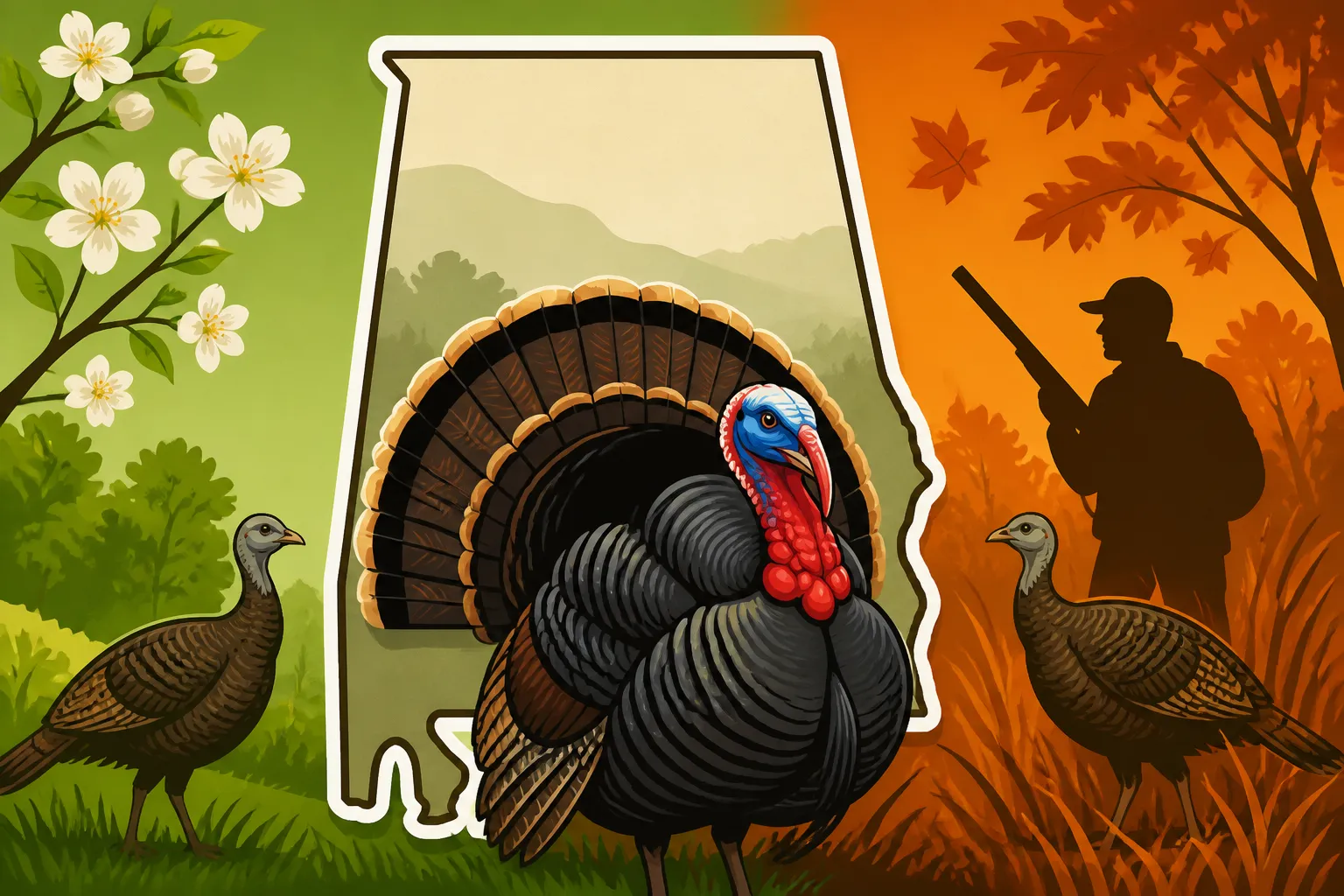
Alabama Combined Spring and Fall Turkey Limit
It's easy to get tangled up in the nuances of hunting regulations, especially when you hear terms like "combined spring and fall turkey limit" in Alabama. Many hunters, particularly those new to the state or just getting into turkey hunting, scratch their heads wondering how to juggle limits across two seasons when, in reality, there's no active fall turkey season to speak of. This guide is here to untangle that confusion, clarify Alabama's annual turkey harvest rules, and help you understand exactly what your limits are for bagging a gobbler in the Yellowhammer State.
The Reality of Alabama's Annual Turkey Harvest Limit
Let's be upfront: while the term "combined spring and fall limit" might sound like you have opportunities in both seasons, Alabama has not had an open fall turkey season for several years. This often catches hunters off guard, but understanding the terminology helps clarify the intent behind the regulations. The Alabama Department of Conservation and Natural Resources (ADCNR) manages turkey populations with an overall annual harvest objective in mind, and that annual limit is currently achieved solely through the spring hunting season.
Why "Combined" Still Applies Without a Fall Season
You might ask, "If there's no fall season, why do they still talk about a 'combined' limit?" It's a valid question that speaks to the historical context of turkey hunting in Alabama and the ADCNR's long-term conservation strategy. Historically, there have been fall turkey seasons in some parts of the state. The "combined" language effectively defines the total number of turkeys a hunter can legally take within a single license year, regardless of whether opportunities arise in one season or two. This annual quota is a critical component of population management, ensuring that hunters don't exceed a sustainable harvest level for the species across a full cycle.
Think of it this way: the ADCNR allocates a certain number of tags per hunter for the entire year. Even if only the spring season is open, those tags still represent your total annual harvest capability. If a fall season were to reopen in the future, your spring harvest would directly impact how many birds you could pursue in the fall, thus "combining" the limits. For now, however, your entire annual limit is concentrated within the spring season. This makes planning your spring hunts even more critical, as it's your only shot for the year.
Breaking Down the Spring Season Limit
With the understanding that your annual turkey limit is currently fulfilled entirely within the spring season, let's look at what that means specifically. The ADCNR sets clear regulations for the spring turkey hunt. As a hunter, you're allowed to harvest a maximum of one gobbler (or bearded hen) per day during the open season. However, this daily limit feeds into a larger seasonal, and thus annual, limit.
Currently, the Alabama Turkey Bag Limit Rules allow a hunter to take a maximum of three (3) gobblers or bearded hens per spring season. Since there is no fall season, this three-bird limit is your effective combined spring and fall, or annual, limit. There's no separate bag limit for fall because the season is closed statewide. So, when you're out there chasing those springtime longbeards, remember that once you've successfully harvested three birds and properly reported them through Game Check, your turkey hunting for the entire year is complete. This emphasis on the spring season highlights its importance for turkey enthusiasts in Alabama, making every gobble and strut a precious commodity.
Understanding the Specifics of Spring Turkey Season
Given that the spring season is currently the sole opportunity to hunt wild turkeys in Alabama, it's vital to fully grasp its rules and how your harvest contributes to that annual, "combined" limit. The ADCNR's regulations are designed to manage the population responsibly, ensuring healthy turkey numbers for future generations.
Daily and Seasonal Harvest Numbers
As mentioned, the daily bag limit during Alabama's spring turkey season is one (1) gobbler or bearded hen per day. This "one per day" rule is pretty standard across the state, irrespective of which zone you're hunting in. Whether you're hunting during Alabama Zone 1 Spring Turkey Opening Day or waiting for Alabama's Later Spring Turkey Zone Opener, that daily restriction remains.
The crucial part is the overall seasonal limit, which directly translates to your combined annual limit. A hunter cannot exceed three (3) gobblers or bearded hens for the entire spring season. This means you could theoretically harvest one bird on opening day, another a few weeks later, and your third bird in May. Once that third bird is harvested and reported, your turkey hunting privileges for the current license year are fulfilled. There's no "reset" for a theoretical fall season, as none currently exists. This makes every decision during the spring season, from scouting to calling, a calculated effort to make the most of your limited opportunities. Imagine bagging two birds early in the season; that leaves you with just one more opportunity to fill your tag before the season closes and you're done for the year. It truly makes each encounter special.
Reporting Your Harvest via Game Check
One of the most critical responsibilities for any turkey hunter in Alabama is the mandatory reporting of their harvest through the Game Check system. This isn't just a formality; it's a vital tool the ADCNR uses to monitor turkey populations, assess harvest rates, and make informed management decisions. Every gobbler or bearded hen you harvest must be reported within 48 hours of being removed from the site of harvest or before being processed for consumption.
To report your turkey, you'll need the date of harvest, county, zone, and the species (wild turkey). You can typically report online via the Outdoor Alabama website or app, or by calling a toll-free number. Failing to report your harvest is a violation of state law and can result in penalties. More importantly, it deprives wildlife biologists of accurate data, which could lead to less effective management strategies in the long run. So, when that longbeard hits the ground, celebrate, but then make Game Check your next priority. For more details on the process, check out our guide on Alabama Turkey Checking Requirements.
Strategic Considerations for Your Spring Hunt
Since the spring season is the only opportunity for turkey hunting in Alabama, strategic planning becomes paramount. Every hunter wants to maximize their chances, and understanding the nuances of the season, along with utilizing available resources, can make all the difference.
Planning to Maximize Opportunities
With a three-bird annual limit confined to the spring season, hunters need to be intentional about their efforts. This often means dedicating significant time to scouting before the season even begins. Knowing where turkeys roost, feed, and travel on your hunting grounds, whether private land or a Wildlife Management Area (WMA), is invaluable. Don't just show up on opening day hoping for the best; put in the legwork beforehand.
Consider how the varying zone opening dates might impact your strategy. While the bag limit is statewide, the opening and closing dates differ across the two turkey zones. This could potentially allow a hunter to travel between zones to extend their hunting opportunities if they haven't filled their tags, though the logistics often make this challenging for most. For a comprehensive look at the season, our Spring Turkey Hunting in Alabama guide offers deeper insights.
Many hunters also leverage technology to aid their planning. Platforms like GoHunt can be incredibly useful for scouting, mapping out potential hunting spots, identifying property boundaries, and even keeping tabs on regulation updates. Using a mapping tool to mark gobbling activity, strut zones, or key habitat features can help you formulate a solid plan for your limited annual opportunities. Remember, every bird counts towards that three-bird total, so making smart, informed decisions is crucial.
What the Lack of a Fall Season Means for Hunters
For many seasoned turkey hunters who remember the days of an open fall season, its closure can be a source of nostalgia and even a little disappointment. A fall season offered a different challenge—often focused on flock dynamics and more subtle calling—that some hunters truly enjoyed. However, the current absence of a fall season simplifies the annual harvest strategy: all your focus, and all your opportunities, are concentrated into the spring.
This decision by the ADCNR to close the fall season was not made lightly. It reflects a conservative approach to managing Alabama's wild turkey populations, which faced various challenges over the years. Factors like reproductive success (poult-to-hen ratios), habitat availability, and overall population trends all play a role. By limiting harvest opportunities to the spring, the ADCNR aims to ensure the long-term health and sustainability of the state's turkey numbers. While it means fewer days afield for hunters, it's a trade-off for healthier flocks down the road. Understanding these conservation efforts, as detailed in our article on Alabama Turkey Population Trends, helps put the regulations into perspective.
Licenses, Permits, and Staying Informed
Beyond understanding the bag limits, being a legal and responsible turkey hunter in Alabama requires adherence to several other regulations, including proper licensing and a commitment to staying informed about current rules.
Essential Hunting Credentials
Before you even step foot in the woods, you absolutely need to ensure you have the proper licenses and permits. For turkey hunting in Alabama, this typically means a valid annual hunting license. Depending on your age and residency status, there are various options available, from basic resident licenses to nonresident permits, youth licenses, and lifetime options.
It's your responsibility to possess proof of your license while hunting, whether it's a physical copy or stored digitally on your phone through the Outdoor Alabama app. Skipping this step can lead to fines and legal trouble, which nobody wants when they're trying to enjoy a peaceful morning in the turkey woods. To get the full rundown on what you need, including costs and where to buy, take a look at our comprehensive guide on Alabama Hunting Licenses and What They Cost. Having your ducks (or in this case, turkeys) in a row legally ensures your hunt is ethical and stress-free.
Utilizing Resources Like GoHunt
Regulations can change from year to year, and sometimes even within a season, so staying current is paramount. While this guide provides a solid foundation, always make it a practice to check the most up-to-date regulations directly from the official ADCNR website or their Outdoor Alabama app. These are the definitive sources for all hunting rules in the state.
Beyond official channels, platforms like GoHunt offer excellent supplementary resources. While GoHunt is often highlighted for Western big game, it also provides robust mapping and regulation overlays that can be extremely helpful for Alabama hunters planning their trips, especially for public land ventures or checking specific WMA rules that might supplement statewide regulations. It's a fantastic tool for visually scouting areas, understanding land ownership, and even confirming season dates or special permit requirements. Using a reliable platform like GoHunt can give you peace of mind that you're operating within the current legal framework, ensuring your focus can remain on the thrilling pursuit of those elusive longbeards.
Alabama Spring Turkey Annual Bag Limit Summary
To help you keep track of Alabama's turkey hunting regulations, here's a quick summary of the key bag limits as they currently stand for the spring season, which serves as your effective annual combined limit.
| Regulation Category | Limit | Notes |
|---|---|---|
| Daily Bag Limit | 1 | One gobbler or bearded hen per day. |
| Spring Season Limit | 3 | Three gobblers or bearded hens for the entire spring season. This is your total annual limit. |
| Fall Season | Closed | No fall turkey season is currently open in Alabama. Your annual limit is fulfilled entirely in the spring. |
| Legal Birds | Gobblers or Bearded Hens | Only male turkeys (gobblers) or hens possessing a beard may be harvested. |
| Reporting | Mandatory | All harvested turkeys must be reported via Game Check within 48 hours or before processing. |
Disclaimer
Please remember that hunting regulations can change. While every effort has been made to provide accurate and up-to-date information in this guide, it is ultimately the hunter's responsibility to consult the most current Alabama Department of Conservation and Natural Resources (ADCNR) regulations prior to hunting. This content is for informational purposes only and should not be considered legal advice.