Alabama’s Ten-Day Decoy Restriction
For turkey hunters in Alabama, few things can be as frustrating and confusing as trying to keep up with all the regulations, especially when it comes to seemingly minor details that can have a huge impact on your hunt. One rule that often leaves folks scratching their heads, or worse, inadvertently breaking the law, is the state's ten-day decoy restriction. This guide is here to clear up that confusion, explain the ins and outs of this regulation, and help you strategize your spring turkey hunts effectively and legally.
Understanding Alabama's Ten-Day Turkey Decoy Restriction
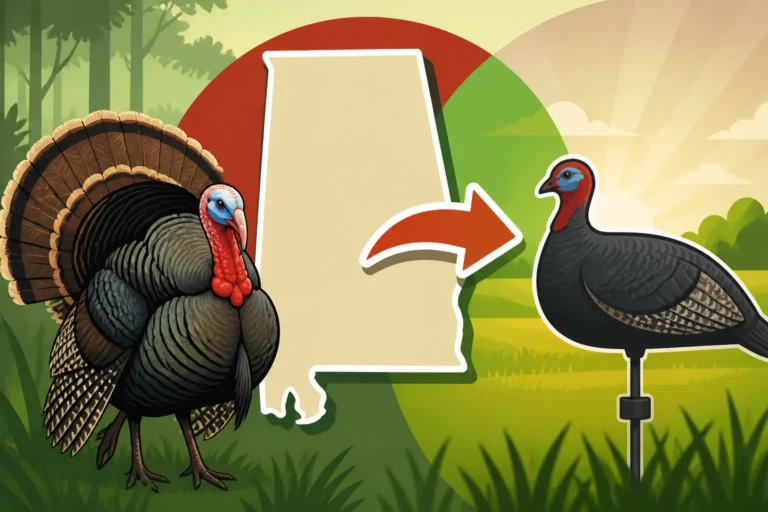
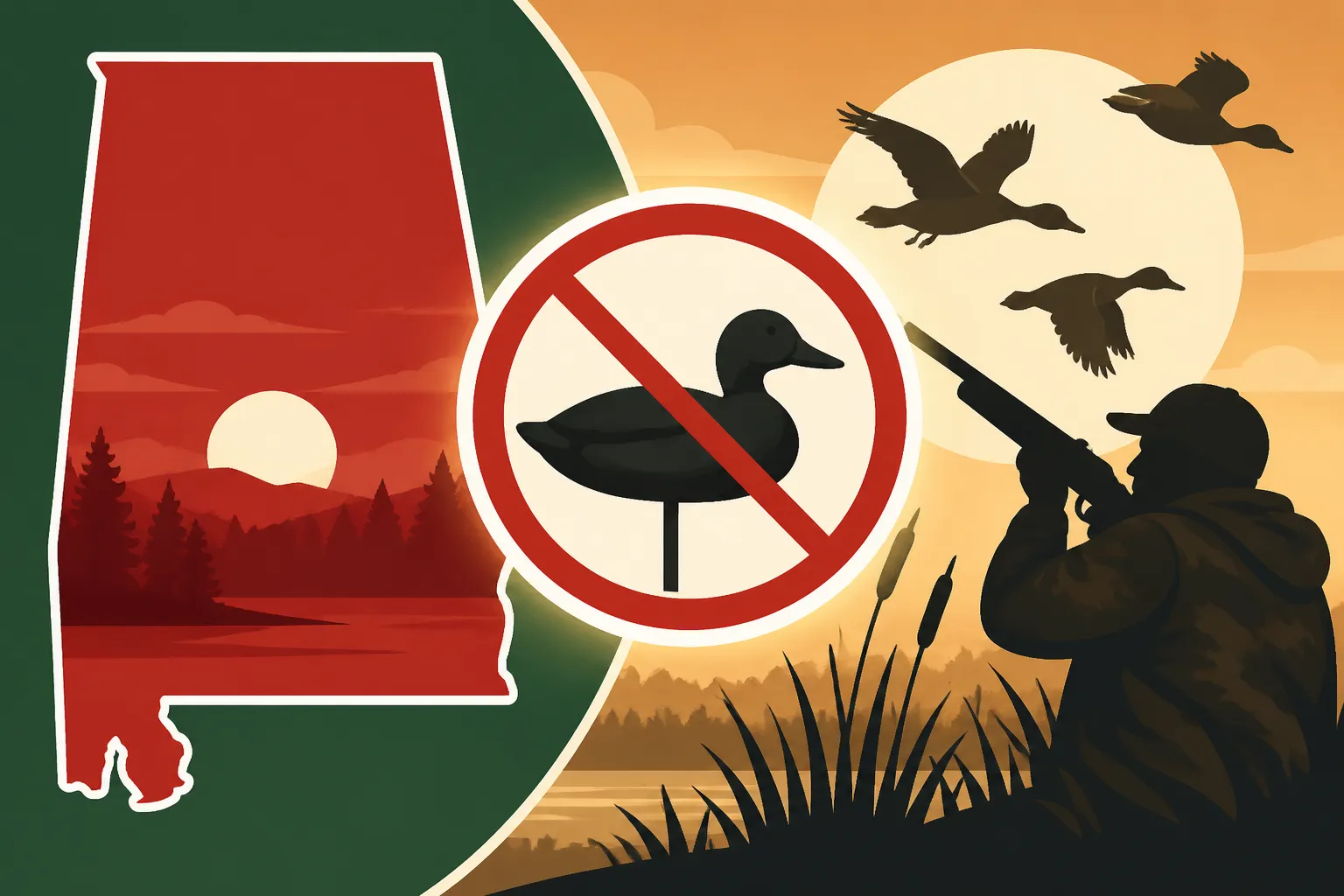
Alright, let's cut to the chase and talk about Alabama's specific rule regarding turkey decoys. It's not a complicated rule once you understand it, but the timing is absolutely critical. Essentially, the Alabama Department of Conservation and Natural Resources (ADCNR) prohibits the use of turkey decoys during the first ten days of the spring turkey season in each respective zone. This means if your zone opens on March 25th, you cannot use a decoy until April 4th.
This regulation applies statewide, regardless of whether you're hunting on private land or one of Alabama's many public tracts. It's a blanket rule designed to impact all hunters equally during this initial period. The intent behind it, which we'll dive into more later, is rooted in conservation and promoting fair chase, especially when gobblers are often most aggressive and susceptible to calling right out of the gate. Many hunters find themselves eager to get out there with all their gear, only to realize too late that their favorite hen decoy has to stay in the truck for a little while.
The Legal Framework and Key Dates
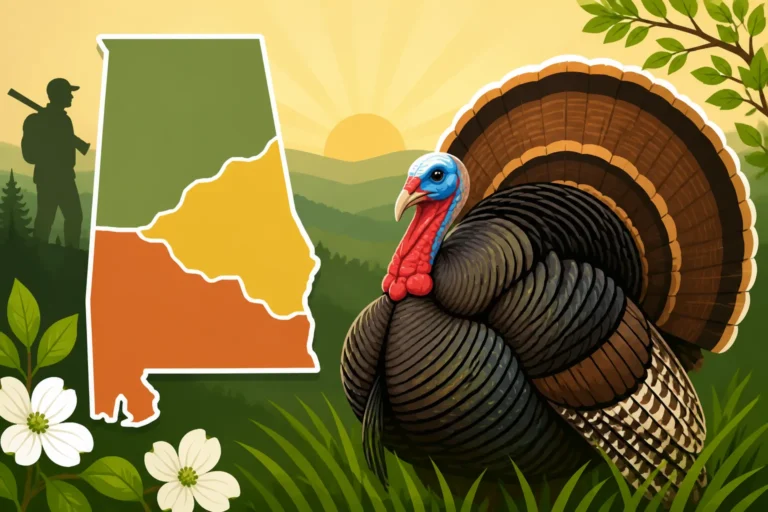
The rule itself is quite clear in the Alabama hunting regulations. It states: "It is unlawful to hunt turkey with the use of a decoy during the first 10 days of the season in any zone." The critical part here is "first 10 days of the season in any zone." Alabama actually has two different turkey hunting zones with staggered opening dates. Zone 1 typically opens earlier than Zone 2. So, if you're hunting in Zone 1, your ten-day period will be different from someone hunting in Zone 2.
For example, looking at a typical year:
- Zone 1: If the season opens on March 25th, decoys are illegal until April 4th.
- Zone 2: If the season opens on April 1st, decoys are illegal until April 11th.
This staggered opening is one of the reasons it can be confusing, especially if you hunt in counties that border different zones or travel between regions. Always double-check which zone your hunting location falls into. The Outdoor Alabama website and app are your best friends here. They provide clear maps and dates so you can accurately determine when that ten-day window closes for your specific spot. It's a good idea to know your Alabama Spring Turkey Zones and Dates well before you hit the woods.
What Constitutes a "Decoy"?
It's natural to wonder exactly what the ADCNR considers a "decoy" in this context. Generally, it refers to any artificial representation of a turkey used to attract live turkeys. This includes:
- Full-body plastic or foam decoys: The classic hen or jake decoy you set out in a field or woods edge.
- Decoy fans or tail feathers: Some hunters use just a fan to mimic a strutting gobbler or a receptive hen. If it's an artificial fan designed to attract a turkey, it falls under the restriction.
- Turkey silhouettes: Flat, two-dimensional cutouts of turkeys.
What it generally doesn't include are things like camouflage clothing, pop-up blinds (though rules exist for these too, especially on public land), or natural foliage you use for concealment. The rule is specifically targeting the visual attraction of a turkey decoy. If you're ever in doubt, err on the side of caution. It's always better to leave it home than to risk a fine or losing your hunting privileges.
The Rationale Behind the Restriction
Now, let's talk about the why. Nobody likes being told what they can and can't do, especially when it comes to their hunting methods. But these regulations aren't arbitrary; they're usually in place for specific reasons, often centered around conservation, hunter ethics, and maintaining healthy game populations. The ten-day decoy restriction is no exception.
The ADCNR implements this rule primarily for two key reasons: to protect the turkey population during a critical time and to promote a more traditional, fair-chase hunting experience early in the season. While it might feel like a hassle, understanding the reasoning can help us appreciate the long-term benefits for Alabama's wild turkey resource.
Conservation and Population Management
During the early part of the spring season, gobblers are often highly aggressive and susceptible to calling. They've been quiet all winter, and as soon as the warmer weather and longer days hit, their hormones kick in. They're looking for hens, and they're not always the wisest birds on the block right after the season opens. Introducing a visual attractant like a decoy during this period can make it almost too easy to call in and harvest a bird.
The concern is that this could lead to an overharvest of dominant, breeding gobblers early in the season. While Alabama has a generous three-gobbler bag limit, and often allows Filling a Three-Buck Season Limit for deer, biologists want to ensure that enough gobblers survive to breed successfully and contribute to population stability. By restricting decoys for the first ten days, the ADCNR forces hunters to rely more on calling, scouting, and woodsmanship. This slight increase in challenge helps ensure that only the most committed birds, or those that make a mistake, end up in the bag, leaving plenty of gobblers to continue the cycle.
Promoting Fair Chase and Traditional Methods
Beyond pure conservation, this rule also aims to uphold a certain standard of fair chase and promote traditional turkey hunting methods. Turkey hunting is an art form, a blend of calling, patience, and reading the woods. The challenge of coaxing a wary gobbler into shotgun range using only vocalizations and camouflage is what makes it so rewarding.
Early in the season, when gobblers are often "heavily pressured," relying solely on calling and concealment enhances the challenge. It encourages hunters to hone their skills in Calling an Alabama Gobbler Off the Roost or employing aggressive run-and-gun tactics without the added visual draw of a decoy. It levels the playing field, making the early season more about the hunter's skill and less about the visual appeal of a plastic bird. This aligns with the ethical principles many hunters cherish, ensuring that the pursuit remains a true contest between hunter and game.
Impact on Your Turkey Hunting Strategy
So, if you can't throw out that trusty hen decoy for the first ten days, how does that change your approach? Don't worry, it doesn't mean your early season is doomed. It just means you need to adjust your strategy and rely on other effective tactics. In fact, some seasoned turkey hunters rarely use decoys anyway, preferring the minimalist approach.
This restriction really pushes you to be a better woodsman and caller. Instead of setting up a visual trap, you're focusing on sound and concealment. It makes you think more critically about setup locations, understanding turkey movement patterns, and mastering various calling sequences.
Early Season Tactics Without Decoys
Without decoys, your early season strategy needs to lean heavily on your calling abilities and your scouting efforts. The name of the game is sounding irresistible and setting up in a location where a gobbler expects to see a hen, even if one isn't physically there.
- Aggressive Calling (and listening!): Early season gobblers are often eager to find hens. Don't be afraid to be a little more aggressive with your calling. Start with locator calls like owl hoots or crow caws before dawn to pinpoint roosted birds. Once they're on the ground, a variety of hen yelps, clucks, and purrs can be highly effective. The key is to listen intently to their responses. Are they moving towards you? Are they hung up? Adjust your calling based on their demeanor. Sometimes, less is more, but early season can often withstand a bit more volume.
- Roost Hunting and Fly-Down Setups: This is a prime strategy for the early season. Use scouting from the previous afternoon or morning to locate where turkeys are roosting. Before first light, sneak into a good setup position near the roost, but not directly under it. Aim for a spot where the gobbler will naturally want to fly down and strut, hopefully in your direction. Think about obstacles he might have to navigate, like creeks or fencerows, and set up on his side of them.
- Concealment is King: With no decoy to draw attention away, your concealment becomes even more critical. Utilize natural cover like thick pines, large oaks, or brush piles. A good ground blind can be invaluable, especially on public land. Remember to break up your outline, stay still, and avoid shiny objects. If you're going to be Setting Up Against a Big Oak, make sure it’s wide enough to truly hide your form.
Late Season Tactics with Decoys (Post-Restriction)
Once that ten-day period is over, the world of decoys opens up, and you can add another powerful tool to your arsenal. The effectiveness of decoys can actually increase as the season progresses because gobblers may become more call-shy or have been "henned up" for a while. A visual can often be the tipping point.
- Jake and Hen Combinations: A classic setup involves a receptive hen decoy with a jake decoy nearby. This can really rile up a dominant gobbler who sees a younger male encroaching on his potential breeding partners. Place your decoys 15-20 yards from your setup, slightly off-center, to draw the gobbler into an ideal shot range.
- Single Hen Decoys: Sometimes a lone hen is all you need. A submissive or feeding hen decoy can be very effective, especially if you're trying to pull a gobbler away from real hens. They might see the decoy as an easy, available partner.
- Fan Strutting (Reaping): While the restriction specifically mentions decoys, the act of "fan strutting" or "reaping" (using a real or artificial turkey fan to stalk a gobbler) should be approached with extreme caution, even after the ten-day restriction. Some interpret it as a "decoy," and it can be dangerous if other hunters are in the area. Always prioritize safety and be absolutely certain of your target and what's beyond it.
- Consider the Terrain: Decoys work best where they can be seen. Open fields, power lines, and open timber are ideal. In dense woods, they might be less effective if the gobbler can't see them from a distance. A useful tool like the GoHunt app can help you scout aerial photos to find these open areas on public land.
Navigating the Rule: Practical Tips for Every Hunter
This restriction, while it might seem like a hurdle, doesn't have to ruin your hunt. With a little foresight and planning, you can work around it and still have a successful and thrilling early season. It's all about adapting and using your knowledge of turkey behavior to your advantage.
Remember, the goal is to make a gobbler believe there's a hen waiting for him, whether it's through sound alone or, later in the season, with the added visual.
Pre-Season Scouting and Planning
Before the season even opens, dedicate time to scouting. This is absolutely critical, especially when you can't use decoys.
- Locate Roosts: Spend evenings and mornings listening for gobblers sounding off from their roosts. Knowing where they spend the night gives you a huge advantage for fly-down setups. Check out Where Alabama Gobblers Roost for more insights.
- Find Travel Corridors: Identify where turkeys are likely to travel between roosting areas, feeding grounds, and strut zones. Look for tracks, droppings, and scratch marks. These funnels and pinch points become prime ambush locations when you're relying solely on calling.
- Identify Strut Zones: Observe where gobblers tend to strut. This could be an open field edge, a logging road, or a clear-cut. Even without a decoy, setting up near these known strut zones with strategic calling can bring a gobbler in.
- Use Technology: Modern hunting apps like GoHunt are invaluable for pre-season scouting. You can mark roost trees, strut zones, and potential setup locations on your phone, then navigate to them quietly in the dark. It’s like having an aerial map of the whole area in your pocket, showing you public land boundaries and topography. This is particularly helpful for Scouting Alabama Public Land Before Season.
Mastering Your Call and Setup
Your calling skills and setup location are your primary tools during the restricted period. Practice makes perfect, and understanding different calls can make a huge difference.
- Variety of Calls: Don't just stick to one type of call. Learn to use a slate call, a box call, and various mouth calls. Each has its own sound and can be effective in different situations. A soft purr might coax a hung-up bird, while aggressive cutting might ignite a hot gobbler.
- Location, Location, Location: This can't be stressed enough. When a gobbler commits to your calls, he expects to see a hen. If he comes in looking and sees nothing but woods, he's likely to hang up or slip away. Set up with an open lane for a shot, but also with natural cover to break up your outline. Think about where he will come from and where you want him to stand.
- Blind Use: Consider using a pop-up blind. While not a decoy, a blind offers excellent concealment and allows for more movement, which can be critical when a gobbler is trying to pinpoint your location. Just be sure to check specific WMA rules, as some have restrictions on blinds.
Adapting to Gobbler Behavior
Turkey behavior can change quickly, even within the first ten days of the season.
- Patience is Key: Early season gobblers can be hot, but they can also be wary. Don't get discouraged if a bird doesn't commit immediately. Sometimes, it takes time, subtle calls, and a lot of patience.
- Don't Overcall: While aggressive calling can be effective early, know when to back off. If a gobbler is coming in steadily, sometimes silence is the best call. Let him come looking.
- Run-and-Gun Later in the Day: After fly-down, if you haven't sealed the deal, consider a Run-and-Gun Turkey Tactics on Public Land approach. Cover ground, stop and call periodically, and listen for responses. Gobblers might be more responsive in the mid-morning as they separate from hens or search for new ones.
Enforcement and Consequences
It's crucial to take this regulation seriously. Alabama game wardens are out in force during turkey season, and they are well-versed in the rules. An accidental violation is still a violation, and the consequences can range from a significant fine to the loss of hunting privileges.
Ignorance of the law is never an excuse. As hunters, it's our responsibility to know and follow all regulations. This not only keeps us out of trouble but also ensures the integrity of the sport and the health of the wildlife populations we cherish.
Penalties for Decoy Violations
Using a decoy during the restricted period is considered a hunting violation. The specific penalties can vary depending on the discretion of the court and any prior offenses, but you can generally expect:
- Fines: These can be substantial, often hundreds of dollars, plus court costs.
- Confiscation of Equipment: In some cases, the decoy itself might be confiscated, and potentially even your firearm or other hunting equipment.
- Loss of Hunting Privileges: Repeated or severe violations could lead to the suspension or revocation of your hunting license, meaning you won't be able to hunt for a specified period.
- Criminal Record: Depending on the severity, some hunting violations can result in a misdemeanor charge, which goes on your criminal record.
It's simply not worth the risk. A trophy bird isn't worth jeopardizing your hunting future or incurring hefty fines.
How Wardens Detect Violations
Game wardens are trained to observe and detect violations. They employ various methods:
- Patrols: Wardens actively patrol public lands and often check private lands for proper permissions and adherence to regulations.
- Observation: They might observe hunters from a distance, using binoculars or spotting scopes, to see if decoys are deployed.
- Tips from the Public: Unfortunately, sometimes other hunters, landowners, or concerned citizens report suspicious activity. This can happen if they spot a decoy in an area where it shouldn't be.
- Checking Harvested Birds: While not directly related to decoys, wardens will check your license, tags, and compliance with bag limits. If they are already checking your harvest, they might inquire about methods used. Remember your Alabama Turkey Bag Limit Rules and report your bird properly.
The best way to avoid any issues is to simply leave your decoys at home or in the truck during the first ten days of the season. No decoy, no violation. It’s that simple.
Best Practices for Compliance
To ensure you're always on the right side of the law, follow these simple best practices:
- Know Your Zone and Dates: Before every turkey season, verify the specific opening and closing dates for your hunting zone, and make a note of the ten-day decoy restriction period. The GoHunt app is excellent for this, allowing you to visually confirm boundaries and seasons.
- Check Regulations Annually: Regulations can change from year to year. Always consult the most current Alabama Hunting and Fishing Digest or the Outdoor Alabama website before heading afield.
- Educate Others: If you hunt with partners, make sure everyone in your group understands the rule. A mistake by one person could impact everyone.
- When in Doubt, Don't: If you're unsure whether something counts as a decoy or if the restriction period is truly over, play it safe and don't use it.
By being informed and responsible, we can all contribute to ethical hunting practices and ensure that Alabama's wild turkey populations thrive for generations to come.
Decoy Timing Under Alabama's Ten-Day Rule
To summarize the key dates and provide a quick reference for when you can and cannot use decoys, here's a handy table. Remember, these dates are based on typical season openers and should always be verified with current ADCNR regulations for the precise year you are hunting.
| Zone | Typical Season Opening Date | Decoys PROHIBITED Until (End of Day 10) | Decoys LEGAL From (Day 11 Onward) |
|---|---|---|---|
| Zone 1 | March 25th | April 3rd | April 4th |
| Zone 2 | April 1st | April 10th | April 11th |
Note: These dates are illustrative. Always verify current dates on the Outdoor Alabama website or app.
This table highlights why it's so important to know which zone you are in. A hunter in Zone 1 might be legally using a decoy on April 5th, while a hunter just a few counties over in Zone 2 would still be in violation on that same date. Using resources like the GoHunt app to map out your hunting area and check regulations can prevent these easily avoidable mistakes. Remember, you want to be focused on calling in a gobbler, not worrying about the legality of your setup.
The Benefit of Knowing the Rule
Understanding Alabama's ten-day decoy restriction isn't just about avoiding trouble; it's about becoming a more adaptable and skilled turkey hunter. It forces you to rethink your early season approach, lean into traditional woodsmanship, and sharpen your calling tactics. When you can finally deploy a decoy, you'll have an even more diverse set of strategies at your disposal, making you a more versatile hunter overall.
Whether you're calling a gobbler off the roost in the predawn quiet, working a tricky tom on a public land ridge, or later in the season, strategically placing a jake and hen setup in a food plot, knowing the rules and adapting your plan is key to success. Don't let a regulation catch you off guard; instead, let it challenge you to become a better hunter.
Disclaimer
Please remember that hunting regulations can change. It is your responsibility to consult the latest Alabama Department of Conservation and Natural Resources hunting regulations each year before heading afield. This guide provides general information and should not be considered a substitute for the official state regulations.