Hunting a Clover Plot at First Light
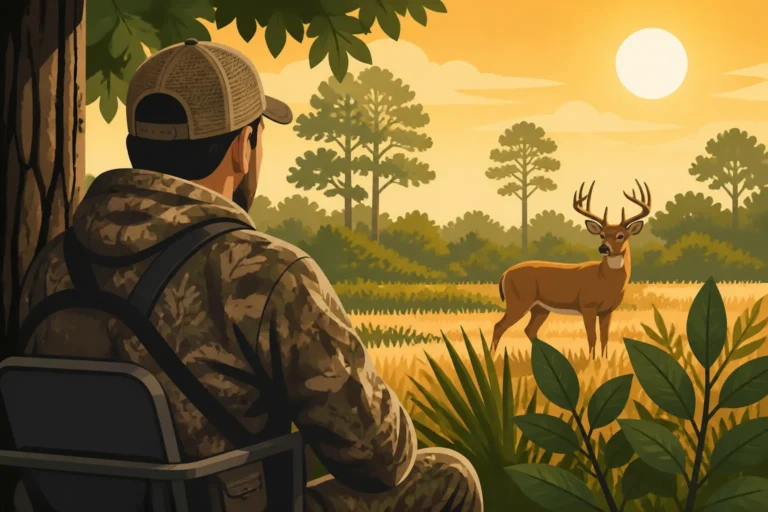
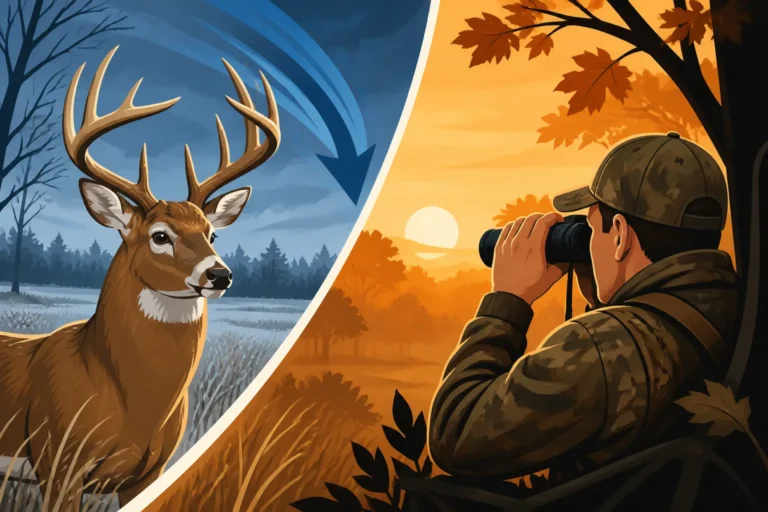
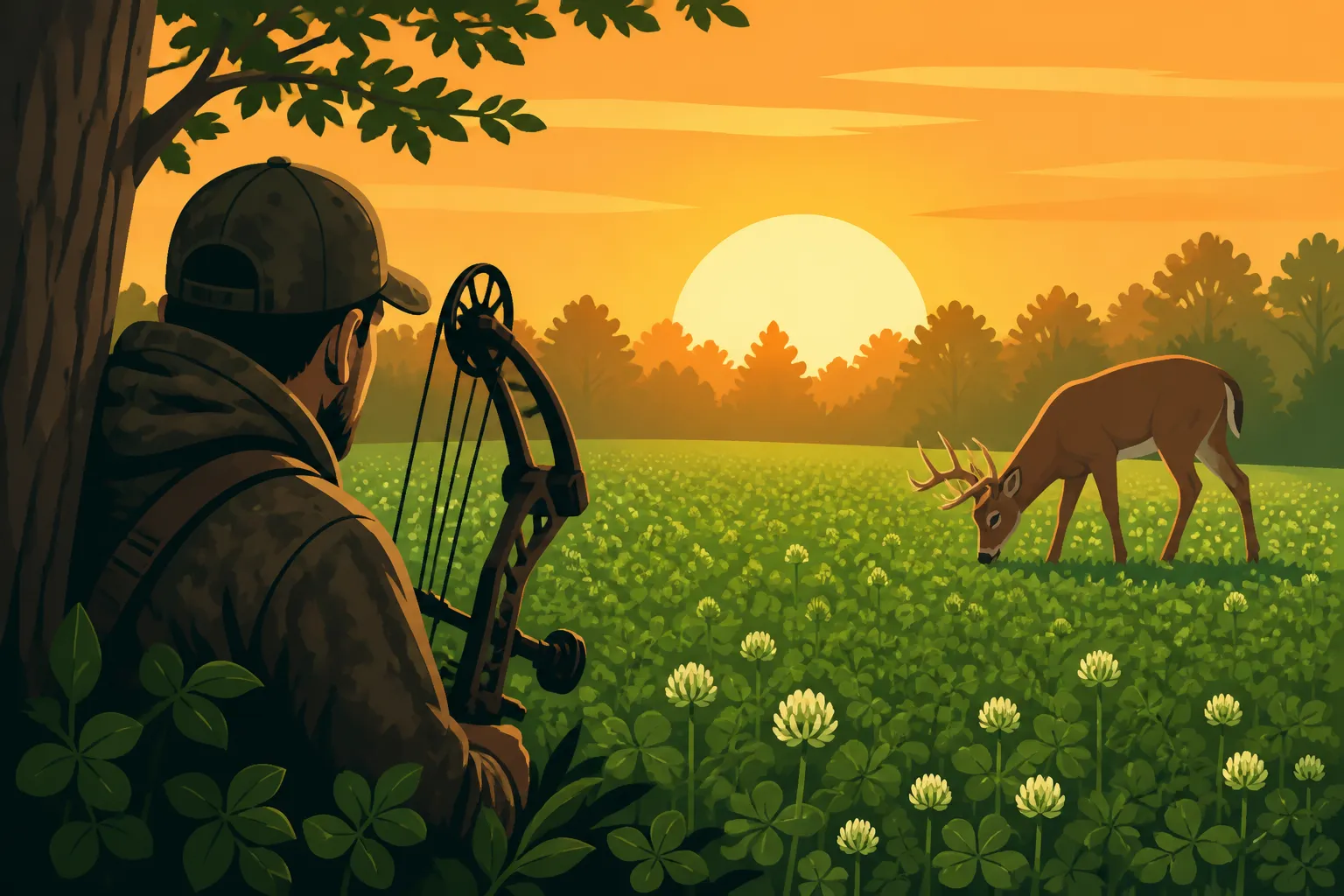
It's a familiar scenario for many Alabama hunters: you've got a gorgeous clover plot, green and inviting, but every morning you pull a blank. The deer are hitting it hard at night, leaving their tracks, but by the time legal shooting light rolls around, they've vanished. This guide is all about changing that narrative, digging deep into how you can effectively hunt a clover plot at first light, turning those early morning disappointments into success stories.
Understanding Clover Plots and Deer Behavior
Clover plots are absolute magnets for deer, providing highly palatable and nutritious forage that can draw them in from surrounding areas. But their very appeal can also make them tricky to hunt, especially at dawn.
Why Deer Love Clover So Much
Clover, whether it's crimson, white, or a mix, is a deer's salad bar. It's packed with protein and highly digestible, making it an ideal food source, particularly during antler growth in spring and summer, and for does nursing fawns. Even into the fall and early winter, if temperatures remain mild and it's well-maintained, clover will continue to provide a green, attractive food source when other natural forage starts to dwindle. Unlike browse that deer might nibble on for a quick bite, they'll often settle into a clover plot for extended feeding sessions. This consistent draw makes them a prime location for hunters, but the timing is everything.
The challenge lies in the fact that deer, being crepuscular and nocturnal by nature, often prefer to utilize open food sources like clover plots under the cover of darkness. They feel safer from predators, including us hunters, when the light is low or nonexistent. They'll venture out from their bedding areas, fill up on the nutrient-rich clover, and then retreat before the sun fully clears the horizon. This behavior creates the "empty plot at dawn" frustration we all know too well. To counteract this, we need to understand their typical morning travel patterns away from the plot.
The Morning Transition Challenge
Deer don't just magically disappear from a clover plot. They transition from feeding back to bedding. This transition is your window of opportunity. At first light, you're not necessarily trying to catch a deer in the middle of the plot, though that can happen. More often, you're trying to intercept them as they leave it. They'll follow established travel corridors, creek bottoms, ridge lines, or thick cover from the plot back to their sanctuary. Identifying these routes is paramount.
Consider the landscape: is there a dense pine thicket bordering one side of the clover? A hardwood drain with heavy cover leading off the far end? These are the likely escape routes. During the pre-rut and rut, bucks might also cruise the edges of these plots, checking for does, even if they aren't actively feeding. This means you need to broaden your focus from just the clover itself to the immediate surrounding environment, paying close attention to where deer would feel comfortable making their exit. Think of it as a funnel; the plot is the wide end, and the trails leading away are the narrow neck. Your job is to position yourself at that narrow neck before the deer get there.
Strategic Scouting for First Light Success
You can't effectively hunt a clover plot at first light without doing your homework. Scouting isn't just about finding deer; it's about understanding when and how they use the landscape, especially those critical morning hours.
Pre-Season Intel Gathering
Long before the season opens, get out there and walk those plots and the areas around them. Look for obvious trails leading into and out of the clover. Are there any natural funnels, like a narrow pinch point between two blocks of timber or a creek crossing? Pay attention to prevailing wind patterns and how they might affect your scent cone when approaching and sitting a stand. Use mapping apps like GoHunt to mark potential bedding areas you identify from aerial photos and then confirm on the ground. These apps can be invaluable for identifying subtle topographical features that might dictate deer movement, such as a slight dip in a ridge or a subtle rise that offers deer a visual advantage.
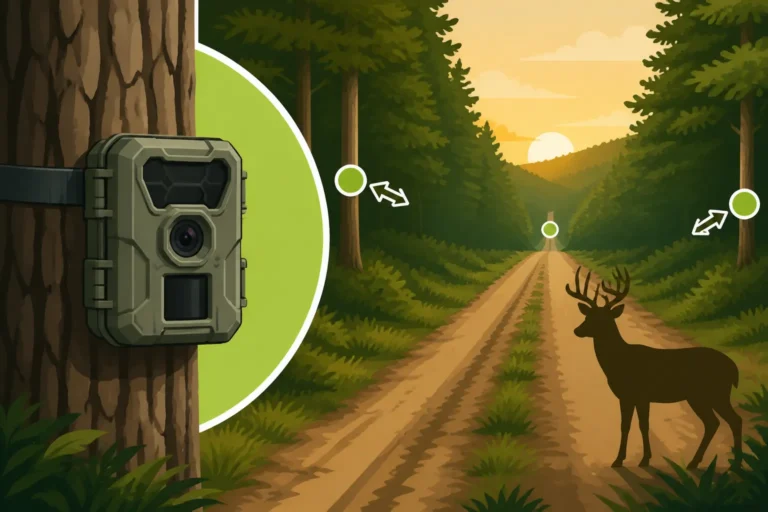
During this pre-season phase, consider placing trail cameras. Don't just point them at the middle of the plot. Instead, position them on those entry and exit trails, especially 50-100 yards off the plot edge. This will give you crucial intel on when deer are entering and leaving the clover, and more importantly, which specific routes they prefer during the dawn hours. You might find that while deer are hitting the plot all night, there's a particular trail that consistently sees traffic between 5:30 AM and 7:00 AM, which is your prime window. Understanding these patterns well in advance allows you to plan your stand locations without disturbing the area close to season. This early scouting is foundational for successfully Scouting Alabama Public Land Before Season.
Reading Fresh Sign and Locating Travel Corridors
Once the season approaches or has begun, your scouting shifts to fresh sign. Visit the perimeter of the clover plot, but be incredibly cautious to avoid leaving scent. Look for fresh tracks, droppings, and rubs or scrapes along the edges. Can you tell which way the deer were moving? Tracks pointing away from the clover, particularly at the earliest legal light, are key. These indicate their morning retreat. Often, deer will follow the path of least resistance, especially when leaving an open area to head back to cover. These paths might hug the edge of a thicket, skirt a property line, or follow a subtle terrain feature.
A powerful tool for this is using satellite imagery, perhaps through your GoHunt app or another platform, to really dive into Reading Aerial Photos for Piedmont Deer or other regions. Look for lines of dense cover, fencerows, or creek beds that connect the clover plot to deeper woods. These often serve as primary travel corridors. For example, if your clover plot sits at the bottom of a gentle slope, deer might walk parallel to a small ridge or bluff as they head back to a bedding area higher up. Don't underestimate the small details; a single downed tree or a slight elevation change can be enough to define a preferred deer path. Your goal is to find where these trails become constricted or funneled, creating an ideal ambush point.
Optimal Stand Placement and Approach
Putting yourself in the right spot around a clover plot at first light is an art form. It requires careful consideration of the wind, the sun, and your own ability to get in and out undetected.
The Art of Stand Placement
When hunting a clover plot at first light, you're generally not setting up in the plot. Instead, you want to be positioned along one of those identified travel corridors or funnels, typically 50 to 150 yards off the plot's edge, depending on the terrain and cover. Your stand should provide a clear shooting lane into the expected path of deer, but also offer excellent concealment. Always prioritize the wind. If the wind is blowing your scent directly into the plot or down a travel corridor, you're busted before you even climb into your stand. Understanding Wind and Thermals on a Piedmont Ridge can be critical here, as thermals often drop in the morning, pulling your scent downward into low-lying areas, or lift as the sun rises.
Consider the sun's position. At first light, the sun will be rising in the east. You don't want to be staring directly into it, as it will make spotting deer difficult and could silhouette you. Conversely, having the sun at your back can be an advantage, making it harder for deer to see you while illuminating them perfectly. Think about what type of stand is best for the situation. A traditional treestand, especially a hang-on or climber, offers a good vantage point over thick cover, allowing you to see deer approaching from a distance. If suitable trees are scarce or cover is low, a well-brushed-in ground blind might be the ticket. Remember, the goal is to be hidden and downwind of where you anticipate deer will be moving away from the clover.
| Stand Type | Pros | Cons | Optimal Use Case |
|---|---|---|---|
| Treestand | Elevated view, better scent dispersal, good for spotting distant deer. | Limited to suitable trees, can be noisy to set up, requires safe climbing. | Overlooking thick transition cover, funnel points, or where a slight rise gives a visual advantage. |
| Ground Blind | Excellent concealment, mobile, good for multiple hunters or youth, easy setup. | Limited visibility, more ground-level scent, deer might be wary of new objects. | Open field edges with sparse trees, low-lying thickets, or if Using a Ground Blind on Alabama Public Land is your preferred method. |
| Saddle Hunter | Extremely mobile, lightweight, 360-degree shooting, quieter setup. | Requires practice, less comfortable for long sits, limited to suitable trees. | Agile hunters who want to adapt quickly to changing deer movement or need to get deep into cover. |
Stealthy Entry and Exit Routes
This is perhaps the most overlooked, yet critical, aspect of hunting a clover plot at first light. If you spook deer getting to or from your stand, the hunt is over before it begins. Your approach route needs to be meticulously planned to be as quiet and scent-free as possible. This often means walking a long way around, using natural barriers like creeks, ravines, or dense tree lines to conceal your movement and contain your scent. Avoid walking directly across the clover plot or through known bedding areas. Ideally, your path in will take you along a low-lying area or a hard-packed logging road where your footsteps are minimal.
Think about how you'll leave after the hunt, too. Many hunters successfully hunt the morning transition, only to bump deer out of their bedding areas on the way back to the truck. If possible, plan your exit for later in the morning, around 10:00 AM or 11:00 AM, when deer are likely bedded down, or wait for a rain shower to mask your departure. Use a wind checker constantly as you move, ensuring your scent is blowing away from where deer might be. For specific setups, like those in the national forests, considering Treestand Setups in Talladega National Forest will highlight the importance of planning around challenging terrain and potentially heavy hunting pressure. Always remember: the less impact you have on the deer's natural patterns, the higher your chances of success.
Executing the First Light Hunt
You've done your scouting, picked your spot, and planned your approach. Now it's time to put it all into action. Execution is where patience, discipline, and attention to detail pay off.
Timing Your Arrival and Scent Control
You need to be in your stand at least an hour before legal shooting light. This means a very early start, often in complete darkness. The reason is twofold: it gives you time to settle in, get your gear ready, and allow the woods to calm down after your approach. It also ensures you're already in position when the deer begin their movement from the plot back to their beds. If you're rustling around or climbing into a stand as they're making their final exit, you'll likely be detected.
Scent control is non-negotiable. Shower with unscented soap, use scent-free laundry detergent for your hunting clothes, and store them in airtight containers. Dress at the truck if possible to avoid picking up human odors from home. Use scent eliminator sprays on your boots, clothes, and gear. Pay particular attention to the bottom of your boots, as you'll be walking through deer territory. The slightest whiff of human scent can put a wary deer on high alert, especially at first light when they are already transitioning from an open area to security cover. In Alabama's often warm weather, this can be even more challenging, so consider a Warm-Weather Sitting Strategy in Alabama to minimize perspiration and associated odors.
Maximizing Shot Opportunities
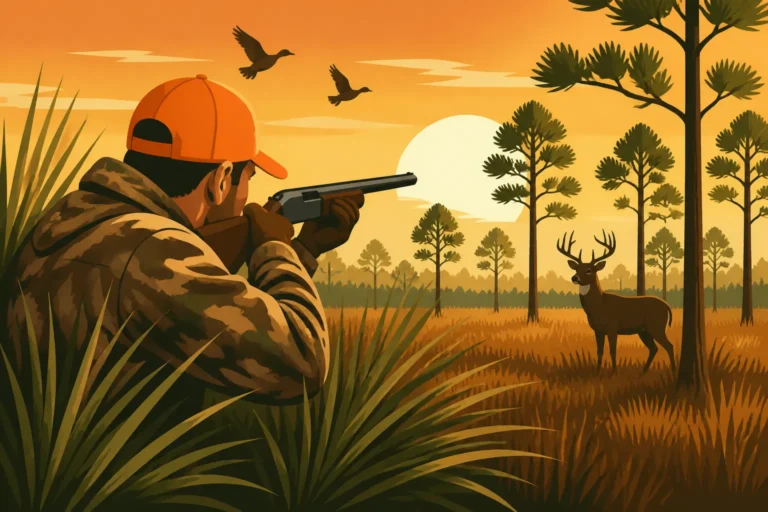
Once you're settled in, be patient and observant. At first light, deer often appear like ghosts, moving silently through the timber. Use your binoculars to scan the edges of the plot, the suspected travel corridors, and any openings in the cover. Look for flicking ears, a horizontal line in the woods that doesn't belong, or the subtle sway of a branch. Don't be too quick to shoot at the first deer you see, especially if your goal is a mature buck. Sometimes, smaller deer will pass through first, followed by the bigger ones. Be ready, however, as opportunities can be fleeting.
Understand the limitations of low light. Your effective shooting range will be reduced, especially for archery. Ensure you can clearly identify your target and have a clean shot before drawing or raising your firearm. If a buck appears, consider using a grunt call or rattling antlers if you're in the right phase of the season, like when you're Hunting a Ridge-Top Saddle for Rutting Bucks. Sometimes, a soft grunt can stop a deer just long enough to get a shot, or even draw a curious buck a few extra yards closer. However, use calls sparingly and judiciously; an overzealous call can just as easily spook them. If acorns have been scarce, deer might be even more reliant on clover, creating better opportunities, which ties into strategies like Hunting After a Poor Acorn Year.
Post-Shot Strategy and Recovery
After the shot, remain in your stand for at least 15-30 minutes if you suspect a good hit, or longer if the shot was marginal. This allows the deer to lie down and stiffen up, making recovery much easier. Mark the exact spot of the shot and the deer's last known direction of travel. When you do get down, take your time. Look for blood, broken branches, or disturbed leaves along the trail. If the blood trail is sparse, expand your search in circles around the last confirmed sign.
Always have a recovery plan, especially for early morning hunts. You might need to retrieve the deer by dragging, using a cart, or calling for assistance. In Alabama, deer season dates and regulations vary by zone, so always be aware of the specific rules for your area when planning your hunt and recovery, as detailed in guides like Alabama Deer Season Structure Explained. Don't be afraid to back out and return with more help or better light if the trail goes cold. A quick, efficient recovery is not only respectful to the animal but also ensures your venison doesn't spoil, especially on warmer days. Remember to report your harvest according to Alabama's Game Check system as required.
Disclaimer: Hunting is a privilege that comes with significant responsibility. Always adhere to all local, state, and federal hunting regulations. Practice ethical hunting, ensure shot placement, and prioritize safety above all else. This guide provides general advice; individual hunting conditions and deer behavior may vary.